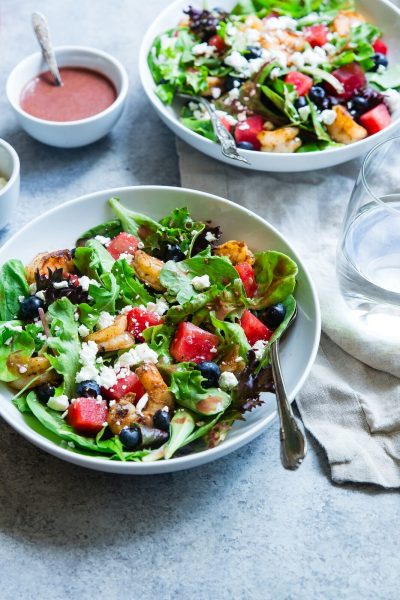
It’s a familiar scene: the sun is high, the air is thick, and you’ve just enjoyed a beautiful summer meal. A crisp salad, maybe some grilled fish, a big glass of iced water. Yet, an hour later, your stomach feels like a balloon—tight, uncomfortable, and sluggish. This isn’t the light, energetic feeling summer promises. In Traditional Chinese Medicine (TCM), summer is the season of Fire, of expansion, and of the Heart. It’s also a time when our digestion, which relies on a strong internal “digestive fire,” can easily be dampened by external heat and our modern habits of cooling down. The result? That all-too-common summer bloat.
Why Does Summer Bloat Happen? A TCM Perspective
From a Western view, bloating is often about gas or slow motility. From a TCM lens, it’s about an imbalance of temperature and moisture inside your body. Think of your digestive system as a cozy campfire. This fire (your Spleen Yang, in TCM terms) is what transforms food into usable energy (Qi) and fluids. In winter, we stoke this fire with warm soups and stews. But in summer, two things conspire to douse it.
First, the external heat makes us crave cold. We drink iced drinks, eat cold salads, and blast the AC. While refreshing, this introduces what TCM calls “Cold-Damp” directly into your digestive tract. Imagine pouring a bucket of ice water onto your campfire. It sputters, smokes, and struggles to burn. Your digestion does the same—it slows down, food doesn’t transform properly, and that “dampness” manifests as bloating, heaviness, and fatigue.
Second, the summer heat itself creates “Damp-Heat.” This is a more complex pattern, but you’ll recognize it: that feeling of being bloated and also slightly overheated, maybe with a yellow-coated tongue or a sense of irritability. The heat “steams” the fluids, creating a sticky, humid internal environment that impedes the smooth flow of Qi. My grandmother had a perfect analogy for this. She’d say, “A humid summer day makes the laundry take forever to dry, right? The same humidity inside you makes food take forever to move.”
“In summer, the way to support digestion is not with more cold, but with gentle warmth and aromatic movement. You must invite a breeze to clear the humidity.”
This is the foundational concept we’ll work with: to cool digestion in summer, we don’t use cold; we use aromatic, slightly warm herbs that create internal movement and transform dampness. It’s counterintuitive but profoundly effective. Let’s meet the five kitchen heroes that do this beautifully.
The 5 Kitchen Herbs for Summer Digestive Ease
You likely have most of these in your pantry right now. Their magic lies in their aromatic nature. In TCM, fragrant herbs have a special ability to “awaken” the Spleen and “pierce through” dampness. They don’t suppress symptoms; they gently encourage your digestive fire to reignite and do its job.
1. Fresh Ginger (Shēng Jiāng)
Yes, ginger is warming, and that’s exactly why it works. It’s the ultimate herb for “warming the middle” (your digestive center) without being hot. It excels at transforming dampness and stopping nausea. The key in summer is how you use it. A huge, boiling ginger tea might be too much, but a few slices in your cooking or a gentle infusion are perfect.
- Actionable Use: For immediate relief after a bloating meal, make a simple Ginger-Honey Tea. Slice 3-4 thin coins of fresh ginger (about 1-inch total). Steep in a mug of hot (not boiling) water for 5 minutes. Add ½ teaspoon of raw honey. The honey is considered “neutral” in nature and helps guide the ginger’s effects to the stomach. Sip slowly while the tea is warm, not hot.
- Preventive Tip: Always include a few slices of ginger when you cook leafy greens or summer squash. It helps your body digest these “cooling” vegetables more efficiently.
2. Peppermint (Bò He)
Peppermint is the quintessential summer herb. Its nature is cool, and its action is to disperse. Think of it as opening a window in a stuffy, humid room. It moves stagnant Qi, relieves fullness, and cools the sensation of heat without adding cold. It’s particularly good for bloating that comes with a feeling of heat or slight irritability.
- Actionable Use: After a heavy summer barbecue or a rich meal, brew a strong peppermint tea using 1-2 teaspoons of dried leaves or a handful of fresh leaves in a cup of just-boiled water. Let it steep, covered, for 7-10 minutes. This helps “vent” the heat and move the stuck food. Important: Avoid if you have acid reflux, as peppermint can relax the lower esophageal sphincter.
- Cultural Note: In many Middle Eastern and Asian cultures, mint tea is served after meals not just for taste, but as a digestive aid. It’s a global wisdom.
3. Fennel Seeds (Xiǎo Huí Xiāng)
If you’ve ever left an Indian restaurant with a small bowl of colorful seeds, you’ve encountered fennel’s digestive power. These little seeds are carminative—they contain compounds that help relax the smooth muscles of the GI tract, easing the spasms that trap gas. In TCM, they are warm and sweet, specifically targeting the stomach and intestines to regulate Qi and alleviate pain.
- Actionable Use: The simplest method is a chew-and-swallow. After a meal, chew on ½ teaspoon of whole fennel seeds thoroughly. Let the flavor release, then swallow with a little water. This is my go-to trick when I’m out and don’t have tea-making facilities. For a more potent tea, lightly crush 1 teaspoon of seeds with a mortar and pestle and steep in hot water for 10 minutes.
 summer digestion herbs: fresh ginger slices, peppermint leaves, fennel seeds, dried tangerine peel, and hawthorn berries on a wooden cutting board.”/>
4. Dried Tangerine Peel (Chén Pí)
This is a secret weapon from the Chinese pantry. Chén Pí (literally “aged peel”) is the dried peel of mature tangerines or oranges, aged for at least three years. This aging process transforms it into a powerful aromatic that regulates Qi, strengthens the Spleen, and dries dampness. It’s less about flavor (though it adds a lovely citrus depth) and more about function. It’s in almost every traditional Chinese soup for digestion.
- Actionable Use: You can find Chén Pí at any Asian grocery store. To use, take one small piece (about the size of your thumb), rinse it, and add it to a pot of rice, lentils, or a simple vegetable soup while it cooks. It will infuse the dish with its Qi-moving properties. For a direct tea, simmer one piece in 2 cups of water for 15 minutes. Its taste is subtle, earthy, and slightly bitter—incredibly soothing.
5. Hawthorn Berry (Shān Zhā)
Known as the “fruit for digestion” in China, Hawthorn berry is a star for breaking down food stagnation, especially from heavy, greasy, or meaty meals. Think of it as nature’s digestive enzyme. It’s slightly warm and sour, and its primary talent is to “reduce food stagnation.” If your bloating feels like food is just sitting there like a rock, hawthorn is your friend.
- Actionable Use: You can buy dried hawthorn berries or hawthorn slices. For a powerful after-meal tea, simmer 10-12 dried berries in 2 cups of water for 20 minutes. The resulting tea is tart and fruity. You can find pre-made “Mountain Tea” (Shān Zhā Chá) packets at Asian stores—a blend of hawthorn, dried tangerine peel, and rock sugar. It’s perfect for summer sipping.
How to Use These Herbs: A Practical Summer Digestion Protocol
Knowing the herbs is one thing; using them effectively is another. Here’s how to integrate them seamlessly into your summer routine.
| Herb | Best For (Pattern) | Simple Summer Recipe | Daily Dose Guide |
|---|---|---|---|
| Fresh Ginger | Cold-Damp from iced drinks/salads; nausea | Ginger-Honey Tea: 3-4 slices in hot water, 5 min | 3-5 slices daily in food or tea |
| Peppermint | Damp-Heat; bloating with fullness/heat | Strong Mint Tea: 1-2 tsp dried leaves, 10 min steep | 1-2 cups after heavy meals |
| Fennel Seeds | Qi Stagnation; gas and spasmodic pain | Post-Meal Chew: ½ tsp seeds, chew well | ½-1 tsp after meals as needed |
| Dried Tangerine Peel | Chronic Dampness; weak digestion feeling | Add to Rice: 1 small piece in pot while cooking | 1 piece in daily soup or grain dish |
| Hawthorn Berry | Food Stagnation from heavy/greasy meals | Mountain Tea: Simmer 10 berries for 20 min | 1 cup after a feast or BBQ |
The Golden Rule: Always consume these teas warm or at room temperature, not iced. You are trying to gently warm your digestive fire, not shock it further. Sip slowly, mindfully, and allow the aromatic compounds to work.
Beyond the Herbs: 3 Summer Habits That Prevent Bloating
Herbs are powerful allies, but they work best when we support them with simple, aligned habits.
1. The 20-Minute Rule for Iced Drinks. If you’re going to have an iced drink (and let’s be real, you will), don’t drink it with your meal. The cold liquid constricts the blood vessels in your stomach lining, slowing digestion dramatically. Drink your iced tea or lemonade at least 20 minutes before your meal, or wait at least 40 minutes after. This gives your digestive fire a chance to focus on the food, not on reheating a stomach full of ice water.
2. The “Seven-Tenths Full” Rule. This is a core Chinese eating principle: chī qī fēn bǎo. In the heat, your digestive capacity naturally decreases. Aim to stop eating when you feel about 70% full. That means you could still eat a few more bites, but you choose not to. This leaves room for your stomach to churn and digest efficiently, preventing that “stuffed” feeling from turning into stagnation.
3. Take a Gentle Walk After Dinner. Not a power walk. A slow, 10-15 minute stroll after your evening meal. This is called bǎi bù (walking 100 steps). It’s not for exercise; it’s to gently encourage the downward movement of Qi and food. The gentle motion aids peristalsis without taxing your system. My parents and grandparents always did this after dinner, rain or shine. It’s one of the simplest and most effective habits for preventing evening bloat.
Common Questions About Summer Digestion Herbs
Can I combine these herbs into one tea?
Absolutely! In fact, creating a blend can be more effective as the herbs work synergistically. A great summer digestive blend for general bloating is: 2 slices of ginger, ½ teaspoon of fennel seeds, and a small piece of dried tangerine peel. Simmer them together in 3 cups of water for 15 minutes. This combines the warming, Qi-moving, and dampness-transforming properties of all three. Start with this simple trio and see how your body responds.
I have acid reflux. Which herbs should I avoid?
Proceed with caution with peppermint. While it’s excellent for many types of bloating, it can relax the valve between the esophagus and stomach, potentially worsening reflux symptoms. Ginger is generally a safer bet, as it can actually help calm the stomach. Fennel and hawthorn are also typically well-tolerated. Always listen to your body; if any herb causes discomfort, discontinue use. For persistent reflux, it’s best to consult with a healthcare provider or a licensed practitioner of TCM.
How long does it take to see results from these herbal teas?
For acute bloating after a specific meal, you should feel relief within 30-60 minutes of sipping a properly made tea (like the ginger-honey or fennel seed chew). For more chronic, low-grade summer dampness and heaviness, consistent daily use—like adding tangerine peel to your daily soup or having a cup of peppermint tea in the afternoon—for one to two weeks can create a noticeable shift in your overall digestive resilience and energy levels. It’s a gentle, cumulative process.
The bottom line: Summer bloating is often a sign of internal dampness, not a need for more cold. By reaching for aromatic, gently warming kitchen herbs like ginger, peppermint, fennel, tangerine peel, and hawthorn, you can skillfully support your digestive fire, transform dampness, and rediscover the light, energized feeling that summer is meant to bring. It’s about working with your body’s seasonal needs, not against them.
This article is for educational purposes and reflects traditional wellness perspectives. It is not a substitute for professional medical advice, diagnosis, or treatment.