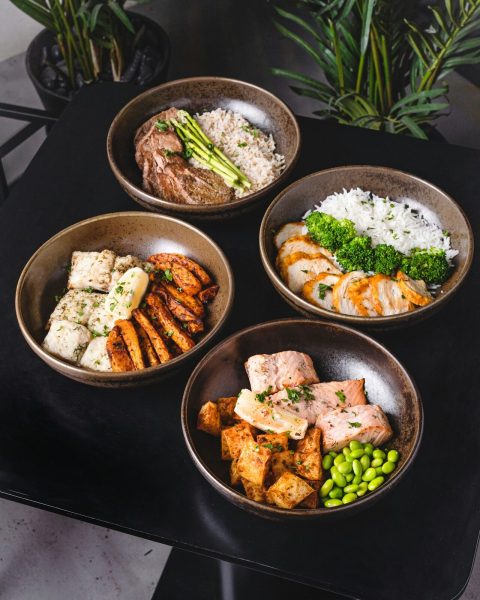
Summer arrives not just with longer days and warmer air, but with a distinct energetic pulse that Traditional Chinese Medicine (TCM) has mapped for millennia. This isn’t about vague “summer vibes”—it’s about a precise, cyclical system called the Five Elements, or Wu Xing, that explains exactly why you might feel a certain way when the heat rises. Understanding this “hidden blueprint” is like having a user manual for your body’s seasonal operating system. It explains why some people thrive in summer while others feel drained, why certain cravings appear, and how to align your habits with the season’s dominant energy to stay balanced and vibrant. Let’s explore the five-element summer cycle and discover how to work with its rhythm, not against it.
- The Heart of the Matter: Fire Element and Summer's Reign
- The Generative Cycle: How Fire Creates Earth (and Why You Crave Cool, Sweet Foods)
- The Controlling Cycle: How Water Tames Fire (Your Built-In Cooling System)
- Your Summer Body Constitution: Which Element Needs Support?
- Practical Application: Aligning with the Five-Element Summer Cycle
- Recommended Products for Summer Balance
The Heart of the Matter: Fire Element and Summer’s Reign
In the Five-Element cycle, summer belongs to the Fire element (Huo). This isn’t just a metaphor; it’s a diagnostic framework. The Fire element governs the Heart (Xin) and Small Intestine (Xiao Chang) organ systems, and its peak season is summer. Think of the Heart in TCM not just as a pump, but as the “Emperor” of the body—the seat of consciousness, memory, and emotional well-being, housing what we call the Shen (spirit). When summer’s Fire energy is abundant and balanced, we feel joyful, connected, and socially vibrant. Our circulation is strong, our complexion is rosy, and our sleep is sound.
However, this abundance is a double-edged sword. The Huangdi Neijing, the foundational text of Chinese medicine compiled over 2,000 years ago, offers a stark warning: “The Heart is the sovereign of all organs and the house of the Shen. If the Heart is injured by Heat, the Shen becomes disturbed.” This is the core of summer’s challenge. Excess external heat can easily become internal heat, disrupting the Heart’s delicate balance. The result? Not just physical symptoms like night sweats, flushed face, or palpitations, but mental and emotional agitation: anxiety, insomnia, restless thoughts, and an inability to relax. I remember a summer during my studies in Chengdu when the relentless humidity left me feeling perpetually “wired but tired.” My teacher, Dr. Li, didn’t just tell me to “cool down.” He explained that the damp heat was obstructing the Heart’s function, and he prescribed a simple regimen of cooling herbs and specific acupressure points to clear the path.
The Generative Cycle: How Fire Creates Earth (and Why You Crave Cool, Sweet Foods)
The Five Elements aren’t static; they exist in dynamic relationships. The most important for understanding summer’s progression is the Generative Cycle (Sheng cycle). In this cycle, Fire generates Earth. As summer heat (Fire) intensifies, it naturally nourishes and strengthens the Earth element (Tu), which governs the Spleen (Pi) and Stomach (Wei)—our centers of digestion, transformation, and transportation.
This is why, counterintuitively, a little summer heat can actually improve digestion for some people. You might notice your appetite is stronger in early summer. But here’s the critical nuance: the Earth element is inherently damp (Shi). When the Fire element becomes pathologically excessive—it “over-generates” Earth—it creates a condition known as Damp-Heat (Shi Re). This is the classic summer syndrome: feeling heavy, bloated, sluggish, with possible loose stools, a thick, greasy tongue coating, and a sense of mental fog. The body’s craving for cool, sweet foods like watermelon, cucumber, and mung bean soup is a brilliant instinct—it’s seeking foods that are both cooling (to counteract Fire) and mildly sweet (to nourish the Earth element directly without adding more heat).
“When the Fire is excessive, it scorches the Earth. The Spleen’s transformative power is impaired, and Dampness accumulates.”
This principle explains why heavy, greasy, or overly spicy foods—which are already taxing on the Spleen—become particularly problematic in high summer. They add fuel to the Damp-Heat fire, leading to that familiar post-barbecue feeling of being simultaneously stuffed and unsatisfied.
The Controlling Cycle: How Water Tames Fire (Your Built-In Cooling System)
Nature has a built-in check and balance system: the Controlling Cycle (Ke cycle). In this cycle, Water controls Fire. The Water element (Shui) governs the Kidneys (Shen) and Bladder (Pang Guang), representing our deep reserves of cooling, moistening energy (Yin) and foundational vitality (Jing). In summer, the Kidney system’s role is crucial. It provides the necessary counterbalance to the season’s rampant Fire energy, preventing it from becoming destructive.
When we live in a way that depletes our Kidney Yin—through chronic stress, excessive sweating without replenishment, staying up late, or overconsumption of stimulants—we weaken this controlling relationship. The Fire then runs unchecked, leading to more severe symptoms: severe insomnia, night sweats, anxiety that borders on panic, and a feeling of being “burned out” in the most literal sense. A 2017 study in the Journal of Traditional Chinese Medicine noted that patients presenting with summer insomnia often showed signs of both Heart-Fire and Kidney-Yin deficiency, underscoring this dynamic. Strengthening the Water element is therefore a key summer strategy, not just for cooling, but for providing a stable foundation.

Your Summer Body Constitution: Which Element Needs Support?
Not everyone reacts to summer the same way. Your innate body constitution (Ti Zhi) determines your primary vulnerability. While a full diagnosis requires a practitioner, you can identify tendencies to focus your self-care.
| Element Tendency | Common Summer Signs | Key Goal | Supportive Focus |
|---|---|---|---|
| Fire Dominant (Prone to Heart-Fire) | Anxiety, insomnia, palpitations, mouth ulcers, red face/tongue tip, restless mind. | Clear Heat, Calm the Shen. | Cooling bitter herbs, mindfulness, avoiding midday sun. |
| Earth Dominant (Prone to Spleen Qi Deficiency/Dampness) | Bloating, fatigue, heavy limbs, loose stools, poor appetite, thick tongue coating. | Strengthen Spleen, Resolve Dampness. | Light, cooked foods, gentle movement, aromatic herbs. |
| Metal/Water Deficient (Prone to Yin Deficiency) | Night sweats, dry mouth/throat at night, hot flashes, lower back soreness, thin body type. | Nourish Yin, Supplement Fluids. | Moistening foods, adequate rest, cooling Yin-tonifying herbs. |
Actionable Step: Observe your tongue in natural light upon waking for 3 days. A red tip suggests Heart-Fire. A thick, greasy coating suggests Damp-Heat. A peeled or very red body with little coating suggests Yin Deficiency. This simple practice, rooted in TCM diagnosis, gives you a daily feedback loop.
Practical Application: Aligning with the Five-Element Summer Cycle
Knowledge is only power when applied. Here is a concrete, actionable guide to living in harmony with the summer blueprint, drawn from classical principles and modern practice.
1. Diet: Eat to Cool and Nourish
Focus on foods that are energetically cool or cold and sweet or bitter in flavor. The sweet flavor directly nourishes the Earth/Spleen, while the bitter flavor clears Heart-Fire.
- 5 Cooling Foods to Eat This Week:
- Watermelon (Xi Gua): The quintessential summer food. Eat the red flesh for cooling and the white rind (often discarded) for its stronger ability to clear summer-heat and promote fluids. A 2019 review in Phytotherapy Research highlighted its rich content of citrulline, which may support circulation.
- Mung Beans (Lü Dou): A classic TCM food-medicine. Make a simple soup: Simmer 1/2 cup dried mung beans in 4 cups of water for 40 minutes until soft. Drink the broth and eat the beans. Traditionally used to clear heat and detoxify.
- Cucumber (Huang Gua): Cooling and hydrating. For a digestive boost, make a quick pickle: slice 1 cucumber, toss with 1 tbsp rice vinegar, a pinch of salt, and a few sesame seeds.
- Lotus Root (Ou): Slightly cool, sweet. Nourishes Yin and calms the Spirit. Peel, slice, and stir-fry with a touch of ginger or add to soups.
- Chrysanthemum Flowers (Ju Hua): Brew 5-6 dried flowers in hot water for 5 minutes for a tea that clears Liver and Heart heat, brightens the eyes, and calms the mind.
- Limit or Avoid: Excessive spicy chili peppers, fried/greasy foods, heavy red meats, and alcohol, which all add internal heat.
2. Movement: Practice Gentle, Cooling Exercise
Avoid intense, sweat-drenching workouts during the hottest part of the day (11am-3pm). This depletes Qi and Yin fluids. Instead, embrace Yin forms of movement:
- Morning Tai Chi or Qigong: Practice for 20 minutes in the cool morning air. Focus on slow, fluid movements that encourage Qi to circulate without generating excess heat.
- Evening Yin Yoga: Hold gentle, floor-based stretches for 3-5 minutes each. This nourishes the Yin aspect of the body and calms the nervous system.
- Walking in Nature: Take a 30-minute walk in a park or near water in the early morning or evening. The color green is associated with the Wood element, which can help soothe the overactive Fire element.
3. Daily Rhythm: Sync with the Sun
The Huangdi Neijing advises to “go to bed late and rise early” in summer, and to “not厌于日” (not be厌烦/厌倦 of the sun)—meaning don’t avoid sunlight entirely, but enjoy it moderately. A practical schedule:
- 6:00 AM: Wake with the sun. Drink a glass of room-temperature water.
- 7:00 AM: Gentle movement (walk, qigong).
- 12:00 PM – 2:00 PM: This is the peak of Fire energy. If possible, take a 20-minute nap or simply rest quietly. This is the traditional Chinese “xiu xi” (rest) period that protects the Heart.
- After 6:00 PM: Engage in social activities, light meals, and calming practices. The evening is the time for connection (Fire’s social aspect).
Recommended Products for Summer Balance
Note: These are general suggestions for educational purposes. Always consult with a qualified practitioner before starting any new herbal regimen.
- Chrysanthemum & Goji Berry Tea Blend: A classic, gentle formula for clearing heat and nourishing Yin. Look for blends with Ju Hua (Chrysanthemum morifolium) and Gou Qi Zi (Lycium barbarum).
- Ceremonial-Grade Matcha: High-quality matcha is cooling in nature and rich in L-theanine, which may promote calm focus without jitteriness. It’s a mindful alternative to coffee in summer.
- Acupressure Massage Tool: A simple wooden or jade tool for massaging key points like Heart 7 (Shenmen, on the wrist crease) and Kidney 3 (Taixi, between the ankle bone and Achilles tendon) to calm the mind and nourish Kidney Yin.
Common Questions
Q: I love spicy food. Do I have to give it up completely in summer?
A: Not necessarily, but moderation and context are key. If you have a strong Spleen Qi constitution and live in a dry, hot climate, a little spice can help promote sweating and release exterior heat (a principle called “releasing the exterior”). However, if you already feel hot, have red eyes, or a red tongue, it’s best to avoid it. The key is to listen to your body’s signals. If you do indulge, balance it with plenty of cooling foods like cucumber or a side of plain yogurt.
Q: Is swimming a good summer exercise according to TCM?
A: Excellent question. Swimming is a Water-element activity, making it theoretically perfect for controlling summer’s Fire. The cool water directly cools the body, and the gentle resistance builds strength without overheating. The caveat: avoid swimming in very cold water if you are already Yin-deficient (prone to feeling cold easily), as it can further chill the system. Opt for comfortably cool, not icy, water. Always dry off thoroughly afterward to prevent external dampness from invading.
Q: You mentioned the Heart houses the Shen. How can I specifically care for my Shen in summer?
A: Caring for the Shen is about creating inner spaciousness. Summer’s social energy can be draining. Counter this with deliberate solitude: 10 minutes of silent sitting in the morning, journaling before bed, or taking a walk without your phone. The color red is associated with the Heart, but too much visual stimulation (bright screens, cluttered environments) can overstimulate the Shen. Incorporate soft blues and greens (Water and Wood colors) into your environment to create a calming visual balance. A simple practice is to place your left palm over your Heart center and take five slow, deep breaths, imagining a cool, blue light filling the space.
The bottom line: Summer’s heat is not an enemy to be fought with constant air conditioning and iced drinks, but a powerful energy to be understood and harmonized with. By recognizing the Five-Element blueprint—specifically the dynamic between Fire, Earth, and Water—you can make conscious choices in diet, movement, and rhythm that prevent imbalance. The goal is not to eliminate heat, but to ensure it flows freely, nourishing your joy and vitality without scorching your system. Align with the cycle, and you’ll find summer becomes a season of vibrant energy, not exhaustion.
About the Author
Yu Xi Zhang grew up in a Chinese household where traditional wellness practices were part of daily life. With over 15 years of study under licensed TCM practitioners in Beijing and Chengdu, and a certification in TCM nutrition from the Beijing University of Chinese Medicine, she bridges Eastern wisdom with Western wellness in practical, actionable ways. Her writing draws from classical texts like the Huangdi Neijing and modern research to help readers live healthier, more balanced lives.
This article is for educational purposes and reflects traditional wellness perspectives. It is not a substitute for professional medical advice, diagnosis, or treatment.