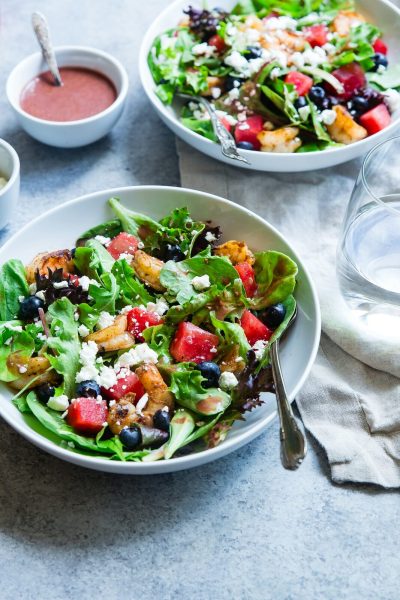
Summer arrives with a specific kind of heat—not just in the air, but in our bodies. You can feel it: that restless energy, the slight irritability when things don’t go as planned, the way your skin feels flushed after just a few minutes outside. In Traditional Chinese Medicine (TCM), this isn’t just a matter of temperature. It’s an excess of what we call “yang energy”—the bright, active, expansive force of nature that peaks in summer. While we need this energy to grow and thrive, too much of it creates imbalance. We become overheated, not just physically but emotionally. This is where your kitchen becomes your pharmacy.
- 1. Mung Beans: The Ancient Heat-Clearing Champion
- 2. Bitter Melon: The Unlikely Summer Superfood
- 3. Lotus Root: The Cooling Connector
- 4. Watermelon Rind: The Waste That Heals
- 5. Chrysanthemum Flowers: Not Just a Pretty Face
- Understanding Summer Healing: A TCM Perspective
- Practical Summer Healing: Putting It All Together
1. Mung Beans: The Ancient Heat-Clearing Champion
If there’s one food that perfectly embodies summer healing in Chinese culture, it’s the humble mung bean. My grandmother would start making her famous “lu dou tang” (mung bean soup) the moment the first truly hot day arrived. She’d soak a cup of mung beans overnight, then simmer them gently with 8 cups of water for about 45 minutes until the beans split open and the liquid turned a cloudy, pale green. Sometimes she’d add a small handful of dried lily bulbs (bai he) for extra calming properties, or a few pieces of rock sugar if we were feeling particularly irritable from the heat. “This soup doesn’t just cool your body,” she’d say, “it cools your temper.”
She was right. Mung beans are classified in TCM as having a “cool” thermal nature and a sweet flavor. They specifically target the Heart and Stomach channels—exactly where summer heat tends to accumulate. Modern nutritional science backs this up: mung beans are rich in antioxidants like flavonoids and phenolic acids, which help combat oxidative stress caused by excessive heat and sun exposure. They’re also a good source of magnesium, a mineral many of us become depleted in through summer sweating.
The most common mistake Westerners make with mung beans is treating them like lentils or black beans. You don’t want a thick, hearty stew. You want a light, slightly sweet broth that you can drink warm or chilled. A traditional summer version might include:
- 1 cup dried mung beans, soaked for 4-8 hours
- 8 cups water
- Optional: 1/4 cup dried lily bulbs (bai he), soaked for 30 minutes
- Optional: 2-3 tablespoons rock sugar or honey
- Optional: A small handful of barley for extra dampness-clearing properties
Simmer until the beans are soft but not mushy—about 40-50 minutes. Strain and drink the liquid, or eat the beans with the soup. Have a small bowl (about 1 cup) in the afternoon, when your energy starts to lag from the heat. It’s remarkably effective for that afternoon fatigue that feels like your brain is wrapped in cotton wool.
2. Bitter Melon: The Unlikely Summer Superfood
Now, let’s talk about a food that might challenge your taste buds: bitter melon. I know, I know—the name alone makes some people hesitant. But in Chinese medicine, we have a saying: “ku wei xie huo,” which translates to “bitter flavor drains fire.” And in summer, we definitely need to drain some fire.
I remember my first encounter with bitter melon as a child. My mother sliced it into thin half-moons, salted it heavily for 15 minutes to draw out some bitterness, then rinsed it thoroughly. She stir-fried it with fermented black beans, garlic, and a bit of pork. I took one bite and made a face. “Eat,” she said simply. “Your tongue is red and your body is hot. This will help.” She wasn’t wrong. After eating bitter melon regularly for a week, the redness on my tongue diminished, and I felt less agitated in the summer heat.
From a TCM perspective, bitter melon is profoundly cooling. It clears “summer heat” and “damp heat”—two pathological factors that cause symptoms like heavy limbs, brain fog, skin breakouts, and digestive sluggishness in humid weather. Nutritionally, bitter melon is a powerhouse: it’s rich in vitamin C (one cup has about 93% of your daily needs), vitamin A, and folate. It also contains compounds like charantin and polypeptide-P, which have been studied for their potential role in blood sugar regulation—a particular concern in summer when we often crave more sugary, cooling treats.
If you’re new to bitter melon, start with this gentler preparation: slice one medium bitter melon in half lengthwise, scoop out the seeds and white pith (this is where most of the bitterness resides), then slice into thin half-moons. Toss with 1 teaspoon of salt and let sit for 15 minutes. Rinse thoroughly under cold water. Then, stir-fry with:
- 1 tablespoon neutral oil
- 2 cloves garlic, minced
- 1 tablespoon fermented black beans (douchi), rinsed
- 1 teaspoon soy sauce
- 1/2 teaspoon sugar (to balance bitterness)
Cook for just 3-4 minutes—you want it crisp-tender, not mushy. Serve with rice. Aim to eat this 2-3 times per week during the hottest months. The bitterness becomes more palatable with exposure, and your body will thank you.
3. Lotus Root: The Cooling Connector
Lotus root is one of those foods that looks like it was designed by nature specifically for summer wellness. Those beautiful holes in the cross-section aren’t just decorative—they remind us of the root’s primary function in TCM: to clear heat and promote fluid circulation without creating dampness. This is a subtle but crucial distinction. Many cooling foods (like raw fruit or iced drinks) can create “dampness” in the body—that heavy, sluggish feeling we get in humid weather. Lotus root cools without creating this side effect.
In my family, summer meals often included a simple lotus root and pork rib soup. My mother would simmer 500 grams of pork ribs with 1 large lotus root (peeled and cut into thick rounds), 3 slices of ginger, and 8 cups of water for about 2 hours. The result was a clear, slightly sweet broth that felt both nourishing and cooling. “This soup helps the body breathe,” she’d say—a poetic way of describing how it promotes the circulation of fluids and qi.
Nutritionally, lotus root is impressive: one cup (about 120 grams) provides 27% of your daily vitamin C needs, 14% of your potassium (crucial for replacing electrolytes lost through sweat), and good amounts of fiber. It’s also a source of copper and iron. The starch in lotus root is particularly easy to digest, making it ideal for summer when our digestive systems often feel sluggish from heat.

For a simple summer preparation, try this: peel and thinly slice one lotus root. Soak in water with a splash of vinegar for 10 minutes to prevent browning. Drain and pat dry. Stir-fry with 1 tablespoon of oil, a few slices of fresh ginger, a splash of rice vinegar, and a pinch of salt. Cook for 4-5 minutes until crisp-tender. The texture is wonderfully crunchy—like a cross between a potato and an apple. It’s excellent as a side dish with grilled fish or chicken.
4. Watermelon Rind: The Waste That Heals
Here’s a counterintuitive summer healing food: the part of watermelon most people throw away. While everyone knows watermelon flesh is refreshing, in TCM, we value the white rind even more for its medicinal properties. My grandmother never wasted a thing, and watermelon rind was no exception. She’d peel off the green outer skin, cut the white rind into strips, and make a refreshing summer drink.
“The red flesh cools you quickly,” she explained, “but the white part cools you deeply and helps your body use water properly.” She was describing what TCM calls “promoting urination and draining dampness.” In summer, especially in humid climates, our bodies can accumulate excess fluid that doesn’t circulate properly—leading to bloating, heavy limbs, and that general feeling of puffiness. Watermelon rind helps mobilize this fluid.
Nutritionally, watermelon rind contains citrulline, an amino acid that converts to arginine in the body. Arginine supports nitric oxide production, which helps blood vessels relax and improves circulation. The rind also has more fiber and less sugar than the flesh, making it excellent for blood sugar stability. Here’s my grandmother’s simple recipe:
- Take the white rind from half a medium watermelon (about 2 cups, chopped)
- Simmer with 4 cups of water and 3 thin slices of ginger for 20 minutes
- Strain, add honey to taste if desired
- Drink 1 cup chilled, once daily during hot spells
You can also pickle the rind: cut into matchsticks, toss with 1 tablespoon salt and 1 tablespoon sugar, let sit for an hour, then rinse. Pack into a jar with rice vinegar, a few Sichuan peppercorns, and a sliced chili. Refrigerate for 2 days. This makes a fantastic, crunchy condiment that aids digestion.
5. Chrysanthemum Flowers: Not Just a Pretty Face
When most Westerners think of chrysanthemums, they picture gardens or floral arrangements. But in Chinese culture, chrysanthemum flowers (ju hua) have been used as a healing food and tea for over 2,000 years. The classic text “Shennong’s Herbal Classic” from 200 AD specifically mentions chrysanthemum for “clearing the head and brightening the eyes.”
I have a personal connection to this flower. During my first summer back in China after years abroad, I developed terrible headaches from the heat and pollution. My aunt brewed me a simple tea: 8-10 dried chrysanthemum flowers (the small, yellow Hangzhou variety is best) steeped in hot water for 5 minutes. She added a few goji berries for extra benefit. “Drink this,” she said. “It will cool your liver and clear your vision.” Within 30 minutes, my headache dulled, and my eyes felt less gritty.
In TCM terms, chrysanthemum is slightly cool in nature and sweet-bitter in flavor. It enters the Lung and Liver channels—perfect for summer when heat rises to the head, causing headaches, red eyes, and irritability. Modern research shows chrysanthemum contains luteolin and apigenin, flavonoids with anti-inflammatory and antioxidant properties. It also has mild sedative effects, which can help with the restlessness that often accompanies summer heat.
For a potent summer healing tea, try this combination: 8-10 dried chrysanthemum flowers, 1 tablespoon dried goji berries, and optionally, 2-3 red dates (jujubes) for those who tend to run cold despite the heat. Steep in 2 cups of hot water (about 80°C/176°F—not boiling, to preserve delicate compounds) for 5-7 minutes. Drink 1-2 cups daily, preferably in the afternoon or early evening. This tea is particularly good for people who spend a lot of time at screens in summer, as it specifically addresses eye strain aggravated by heat.
Understanding Summer Healing: A TCM Perspective
Now, let’s dive deeper into the core Eastern concept that makes these foods so effective: the relationship between the Heart and Kidney systems in summer. In TCM, each season corresponds to specific organ systems. Summer belongs to the Heart (Fire element), but its balance depends on the Kidney (Water element). Think of it like a fireplace: the Heart is the fire, and the Kidney is the water that keeps it from burning out of control.
When summer heat overwhelms us, it’s not just that we have too much Heart fire—it’s that our Kidney water is insufficient to cool and contain it. This is why many summer symptoms have both heat and deficiency characteristics: you feel hot but exhausted, irritable but drained, thirsty but your mouth isn’t truly dry. The five foods we’ve discussed all work on this dynamic in different ways:
| Food | TCM Property | Primary Action | Best For |
|---|---|---|---|
| Mung Bean | Cool, Sweet | Clears heat, promotes fluids | General summer heat, thirst, irritability |
| Bitter Melon | Cold, Bitter | Drains fire, clears damp-heat | Red tongue, skin breakouts, heavy limbs in humid heat |
| Lotus Root | Cool, Sweet | Clears heat, promotes circulation | Heat with fluid stagnation, bloating |
| Watermelon Rind | Cool, Sweet | Promotes urination, drains dampness | Water retention, puffiness, urinary discomfort |
| Chrysanthemum | Slightly Cool, Sweet-Bitter | Clears Liver heat, brightens eyes | Headaches, red eyes, hypertension aggravated by heat |
“In summer, we don’t just fight heat with cold—we balance fire with water. The wise person nourishes the Kidney water to control the Heart fire, not the other way around.”
This is why simply drinking ice water or eating ice cream often backfires. These extreme colds constrict the body, trapping heat inside rather than releasing it. The foods we’ve discussed work with your body’s natural cooling mechanisms rather than against them.
Practical Summer Healing: Putting It All Together
Here’s how to incorporate these summer healing foods into your weekly routine during the hottest months (typically June through August in the Northern Hemisphere):
- Morning: Start with a cup of chrysanthemum tea (with goji berries) instead of coffee if you’re feeling overheated
- Lunch: Include bitter melon or lotus root as a side dish 2-3 times per week
- Afternoon: Have a small bowl of mung bean soup around 3-4 PM when heat fatigue hits
- Evening: Use watermelon rind in a cooling drink or as a pickle with dinner
- Weekly: Make a big pot of lotus root soup to have over 2-3 days
Pay attention to your tongue—a key diagnostic tool in TCM. If it’s red, especially at the tip, you need more cooling foods. If it has a thick yellow coating, focus on bitter melon. If it’s pale and puffy with teeth marks on the sides, you might need to address dampness with watermelon rind and lotus root. Your tongue gives you real-time feedback on what your body needs.
Common Questions
Can I eat these foods if I have a “cold” constitution even in summer?
Absolutely, but with modifications. If you’re someone who feels cold easily, has pale lips, and prefers warm drinks even in summer, you can still benefit from these foods. The key is preparation: always cook them (never raw), add warming ingredients like ginger or garlic, and consume in moderate amounts. For example, add 3-4 slices of ginger to your mung bean soup, or stir-fry bitter melon with plenty of garlic and a splash of warming rice wine. Listen to your body—if a food makes you feel uncomfortably cold, reduce the amount or frequency.
Are there any people who should avoid these summer healing foods?
While these foods are generally safe, certain individuals should exercise caution. People with very weak digestion (frequent loose stools, poor appetite) should start with small amounts of bitter melon and mung beans, as their cooling nature can exacerbate digestive weakness. Pregnant women should avoid bitter melon in large quantities due to its potential emmenagogue effects. Those on blood sugar medications should monitor their levels closely when incorporating bitter melon, as it may enhance the medication’s effects. When in doubt, consult a healthcare professional familiar with both Western medicine and TCM.
Where can I find these ingredients if I don’t live near an Asian market?
Many of these are now available online or at well-stocked grocery stores. Dried mung beans and chrysanthemum flowers are often in the international or tea aisle. Bitter melon and lotus root are increasingly found at farmers’ markets during summer. For watermelon rind, simply save it from your next watermelon—just make sure the melon is organic or thoroughly washed. Start with what’s accessible: even incorporating just one or two of these foods regularly will make a noticeable difference in how you handle summer heat.
The bottom line: Summer healing isn’t about fighting heat with extreme cold—it’s about supporting your body’s natural cooling systems with specific, time-tested foods. By incorporating mung beans, bitter melon, lotus root, watermelon rind, and chrysanthemum flowers into your diet, you’re not just following an ancient tradition—you’re giving your body exactly what it needs to thrive in the heat. Start with one food this week, notice how your body responds, and build from there. Your summer self will thank you.
This article is for educational purposes and reflects traditional wellness perspectives. It is not a substitute for professional medical advice, diagnosis, or treatment.