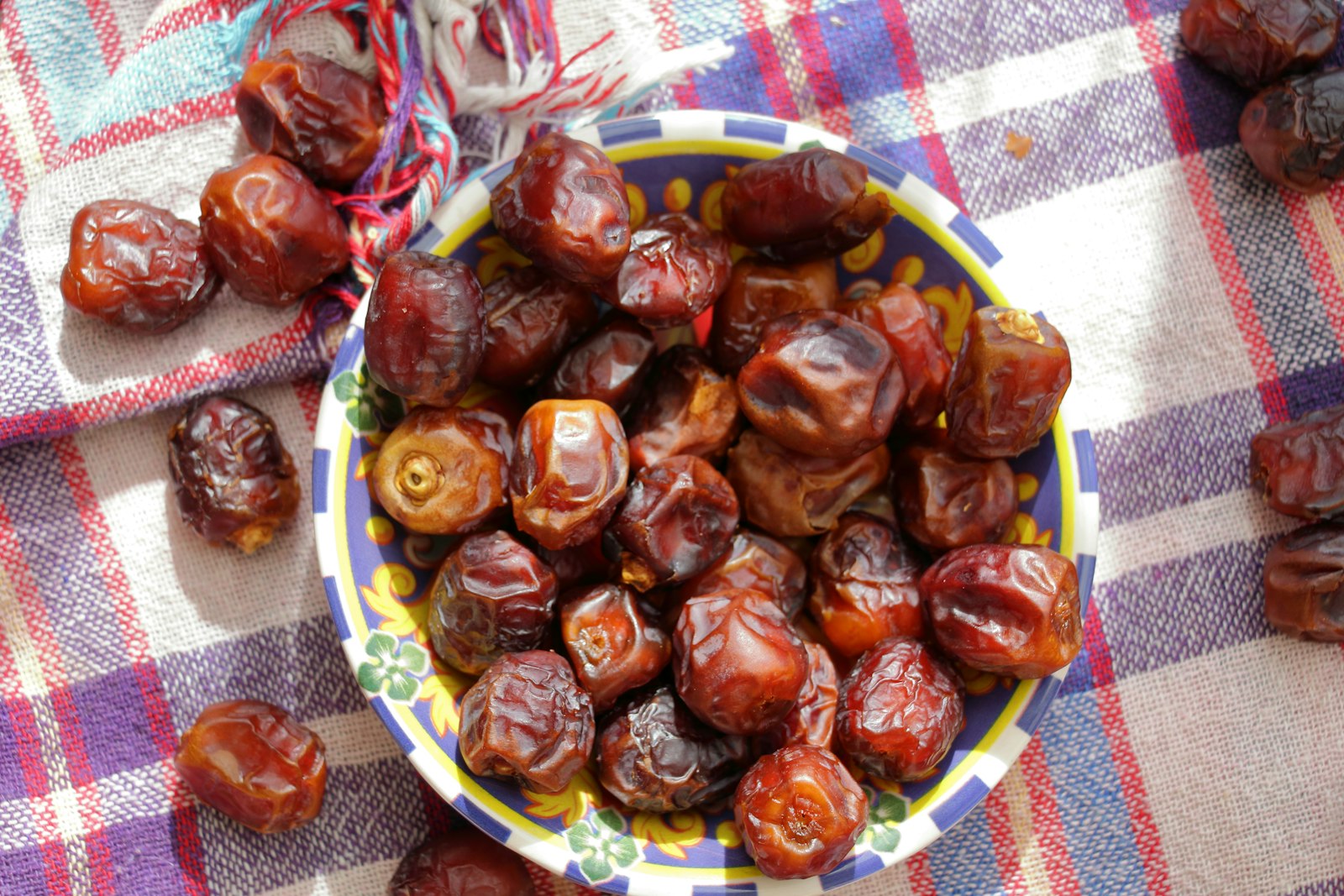
Walk into any Chinese kitchen and you’ll find a jar of dried red dates (红枣, hóng zǎo, also called jujubes). They’re not the squishy Middle Eastern dates you find in Western supermarkets — they’re smaller, redder, firmer, and used less as a snack and more as a daily medicine. In Chinese food therapy, red dates are one of the most important ingredients for building blood, supporting energy, and calming the mind. Here’s why every Chinese grandmother swears by them.
What Red Dates Do in Chinese Medicine
Red dates (Ziziphus jujuba) are classified in Chinese medicine as warm and sweet. Their primary functions are:
- Nourish blood — used for pallor, dizziness, irregular periods, and post-illness recovery
- Supplement qi (energy) — for fatigue, weak digestion, and shortness of breath
- Calm the spirit (shén) — for anxiety, insomnia, and emotional instability
- Harmonize other herbs — added to herbal formulas to reduce harshness and support digestion
- Warm the Spleen and Stomach — for weak, cold digestion with loose stools
This combination — blood-building, energy-boosting, spirit-calming, and digestion-warming — makes red dates one of the most versatile everyday foods in the Chinese wellness system. They’re especially valued for women (blood loss from menstruation), the elderly (declining digestion and energy), and anyone recovering from illness.
Red Dates vs. Goji Berries: What’s the Difference?
People often confuse the two, since they’re used together and look similar. Here’s the simple distinction:
| Quality | Red Dates (红枣) | Goji Berries (枸杞) |
|---|---|---|
| Primary function | Nourish blood, calm spirit | Nourish Liver & Kidney yin, brighten eyes |
| Taste | Sweet, warm | Sweet, neutral |
| Best for | Pallor, fatigue, anxiety, weak digestion | Dry eyes, blurry vision, low back ache, tinnitus |
| How used | 3–6 per pot of tea, soup, or congee | A small handful, in tea, soup, or eaten raw |
| Often paired? | Yes — together they create a balanced blood-and-yin nourishing combination | |
How Chinese Families Actually Use Them
1. Red Date Tea (红枣茶)
The simplest daily use. Simmer 5–6 pitted red dates in water for 10 minutes. Drink warm. Often combined with goji berries, dried longan, or a slice of ginger. This is the go-to drink for tiredness, pallor, menstrual recovery, and general blood-building.
2. In Soups and Broths
Add 5–10 pitted dates to chicken soup, bone broth, or pork rib soup. They add natural sweetness, enrich the broth’s nourishing quality, and support the digestion of the richer protein. This is why nearly every Chinese nourishing soup includes them.
3. In Congee (Rice Porridge)
Cook 5–8 chopped dates into your morning congee along with rice and water. The slow cooking extracts their sweetness and medicinal properties into the porridge. A classic blood-building breakfast, especially for women after menstruation or anyone recovering from illness.
4. Red Date and Longan Tea
For insomnia and anxiety: simmer red dates with dried longan (桂圆) and a little brown sugar. This combination nourishes both blood and the spirit — a traditional Chinese remedy for the sleep that won’t come because the mind won’t quiet.
In Chinese food therapy, red dates are what iron supplements wish they were — gentle, food-based blood nourishment that also calms the mind and warms the digestion.
A Note on “How Many Is Too Many”
Red dates are sweet and warm, which means they’re nourishing in moderation but can create dampness or raise blood sugar in excess. A typical daily amount is 5–10 pitted dates — more than that, especially for someone with a damp constitution or blood sugar concerns, can backfire. As with everything in Chinese medicine, the dose makes the medicine.
Who Should Be Cautious
- Damp-heat types (acne, oily skin, bitter taste): red dates’ warmth and sweetness may worsen dampness. Use sparingly.
- Diabetics: red dates are relatively high in natural sugar. Consult your doctor before regular use.
- People with bloating or fullness: the sweetness can add to Spleen dampness if digestion is already weak. Pair with ginger to support digestion.
Buying and Preparing
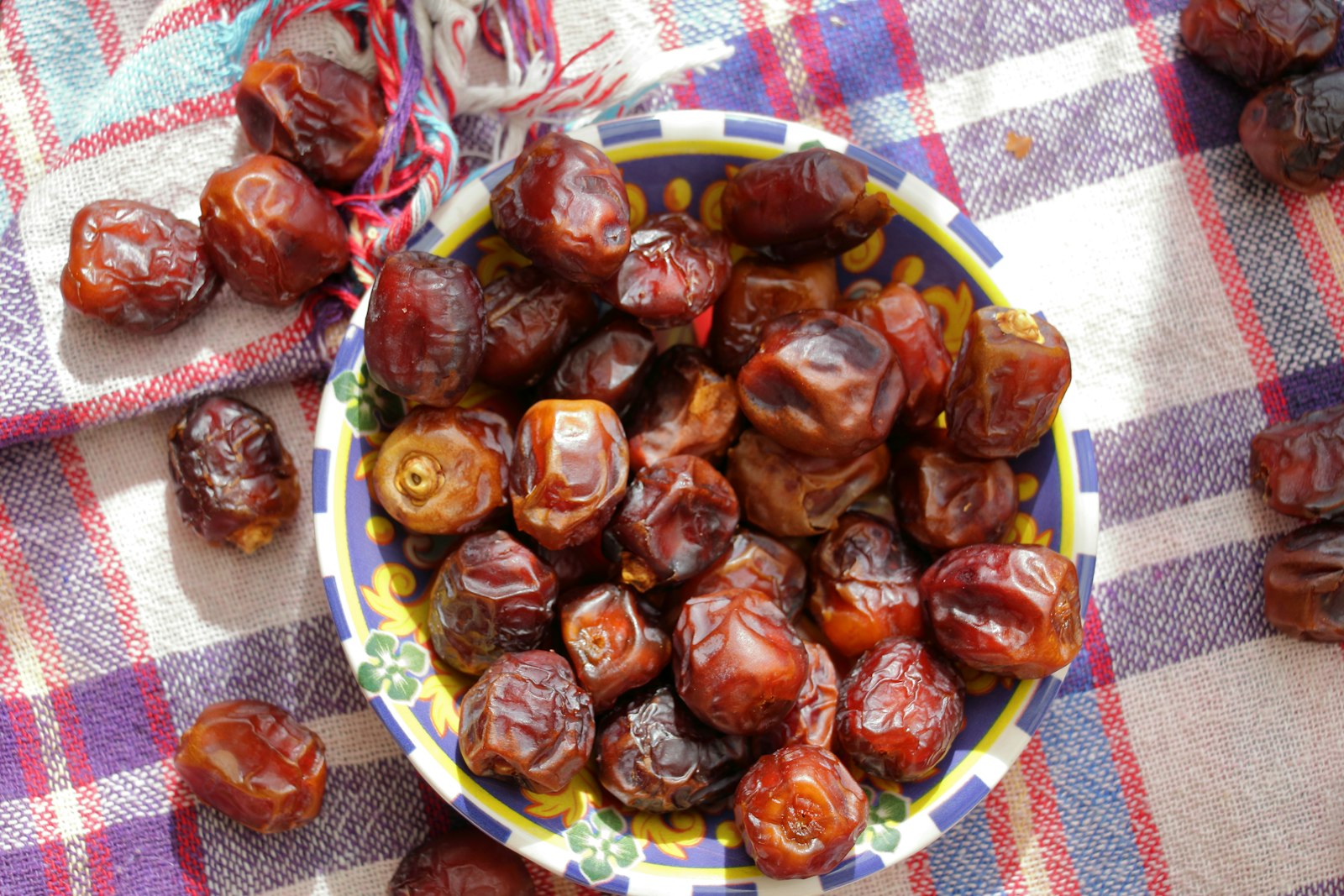
Look for whole, dried red dates at Chinese or Asian grocery stores. They should be dark red, slightly wrinkled, and firm. Avoid dates that are rock-hard (too dry) or mushy (too old). Before using, pit them — the pit is considered slightly irritating to the throat in TCM, and pitting helps the sweetness infuse into tea or soup. A small knife slit along one side makes pitting easy.
Common Questions
Are red dates the same as the dates I buy at the supermarket?
No. Western “dates” are typically Medjool or Deglet Noor dates from the Middle East — large, caramel-sweet, and sticky. Chinese red dates (jujubes) are smaller, firmer, less sweet, and used medicinally. They’re a completely different plant species. If a Chinese recipe calls for hóng zǎo, don’t substitute Western dates.
Can men eat red dates too?
Absolutely. While red dates are especially popular for women’s blood health, they’re equally beneficial for men with fatigue, weak digestion, or anxiety. Blood-nourishing isn’t gender-specific — men also lose energy through stress, overwork, and poor diet.
Do red dates really help with sleep?
For sleep trouble rooted in blood deficiency and “spirit agitation” — racing mind, restlessness, waking easily — yes, red dates can genuinely help, especially in tea with dried longan. For insomnia caused by excess heat or stress alone, they’re less directly effective (but still supportive as part of a broader routine).
The bottom line: Red dates (jujubes) are one of the most important daily foods in Chinese wellness — a gentle, food-based remedy that builds blood, supports energy, calms the mind, and warms the digestion. Simmer 5–6 in tea, add them to soups and congee, or pair with goji berries for a balanced nourishing combination. Cheap, accessible, and quietly powerful — which is exactly why every Chinese kitchen keeps them on hand.
This article shares traditional perspectives and personal experience for general interest. It is not professional advice — please use your own judgment and consult a qualified professional when needed.