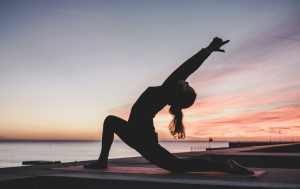
As the days grow longer and the sun beats down with a more intense warmth, many of us feel a shift in our energy. Summer, in Traditional Chinese Medicine (TCM), is the season of the Fire element, associated with the heart, joy, and maximum Yang energy. It’s a time of outward growth, social connection, and vibrant activity. Yet, this peak can also bring its own challenges: heat, restlessness, irritability, and a feeling of being “scattered” or overstimulated. The very vitality of the season can leave us feeling drained if we don’t know how to harmonize with it. This is where a dedicated summer qigong practice becomes an invaluable tool. It’s not about adding more to your busy schedule, but about learning to flow with the season’s energy, cooling the inner fire, and cultivating a deep, calm reservoir of vitality. In this article, we’ll explore a gentle, 10-minute qigong sequence designed specifically for the summer months—a practice to soothe the heart, calm the mind, and help you move through the heat with grace.
Understanding Summer Energy Through the Lens of TCM
Before we move into the practice itself, it helps to understand why a tailored approach matters. In TCM, summer corresponds to the Heart and Small Intestine organs, and the emotion of joy. When balanced, this energy feels like a warm, joyful enthusiasm. When out of balance, it can manifest as anxiety, insomnia, palpitations, or even a lack of joy—the “burnout” of summer. The heat can also create “Damp-Heat” in the body, leading to feelings of heaviness, fatigue, and digestive sluggishness.
A summer qigong practice, therefore, has two primary goals: to nourish Yin (the cooling, calming, and moistening aspects of our body) to counterbalance the excess Yang (heat), and to clear excess heat from the Heart and mind. The movements are generally fluid, flowing, and cooling, often incorporating visualizations of water, coolness, and calm. Think of it as an internal air conditioner and a meditation all in one.
“In summer, one should let the mind be free, the Qi be ample, and allow the external Yang to flourish. Do not overexert the Heart, and allow the Qi to flow freely.” — Huangdi Neijing (The Yellow Emperor’s Classic of Internal Medicine)
Preparing for Your Practice: Setting the Space
Creating the right environment enhances the benefits of any mindful movement practice. For your summer qigong flow, consider these preparations:
- Time: Early morning, when the air is cooler and the Yang energy is just beginning to rise, is ideal. Evening practice is also excellent for clearing the day’s accumulated heat.
- Location: Practice outdoors if possible—a park, garden, or balcony. Connect with the season’s energy directly. If indoors, choose a well-ventilated, quiet space.
- Clothing: Wear loose, comfortable, natural fabrics. Light colors can be psychologically cooling.
- Intention: Begin with a simple intention. It might be “I welcome calm,” “I release excess heat,” or “I flow with the season.”
- Hydration: Have a glass of room-temperature or slightly warm water nearby. In TCM, excessive cold drinks can shock the system and impair digestion, even in summer.
The 10-Minute Summer Qigong Flow: A Step-by-Step Guide
This sequence is designed to be performed standing, but can be adapted to a seated position if needed. Move slowly and deliberately, coordinating each movement with your breath. The breath should be natural and relaxed, in and out through the nose. Spend about 1-2 minutes on each movement.
Movement 1: Standing Meditation (Zhan Zhuang) — Gathering Calm
Begin by standing with your feet shoulder-width apart, knees slightly soft. Let your arms hang naturally by your sides. Close your eyes or soften your gaze. Take three deep breaths. On each exhale, consciously release any tension from your shoulders, jaw, and belly. Visualize roots growing from the soles of your feet deep into the cool, stable earth. This is your foundation of stillness amidst the summer’s activity. Feel the weight of your body evenly distributed. This simple standing posture, called Zhan Zhuang, is the bedrock of qigong—it builds internal energy and calm awareness.
Movement 2: Cooling the Heart with “Pushing Mountains”
Inhale slowly, raising both arms forward and up, palms facing down, until they are at shoulder height. Imagine you are gently lifting a soft, cool mist from a mountain lake. As your arms reach shoulder level, pause. Now, as you exhale, slowly push your palms forward and then down in a wide, gentle arc, as if you are pressing the heat and agitation down and away from your chest, into the earth. Feel a sense of spaciousness opening in your chest. Repeat 5-7 times. This movement helps to calm the Heart Qi and release emotional heat.
Movement 3: “Separating Heaven and Earth” for Digestive Harmony
This classic qigong move helps to regulate the Spleen and Stomach, which can be easily overwhelmed by summer dampness. Inhale, and as you do, raise your right hand palm-up above your head while pressing your left hand palm-down toward the floor. Stretch gently, feeling the elongation of your torso. Exhale, and return your hands to the center. Inhale again, this time raising your left hand and pressing your right down. Move slowly and fluidly, as if you are gently separating sticky, humid air. This encourages the smooth flow of Qi through the middle burner, aiding digestion and combating that heavy, fatigued feeling. Repeat 3-5 times to each side.
Movement 4: “Wave Hands in the Clouds” for Circulation and Release
This is a beautiful, flowing movement that looks like clouds drifting across the sky. Stand with feet shoulder-width apart. Shift your weight to your right foot, and as you turn your waist to the right, let your arms float up and across your body, the left hand moving past your right cheek. Then, shift your weight to your left foot, turning your waist to the left as your arms float across in the opposite direction. Move continuously, like a slow, graceful dance. Breathe naturally. The name itself is a visualization: imagine you are soft, weightless clouds, moving without resistance. This practice promotes the circulation of Qi and blood, releases tension in the shoulders and neck, and helps to “unstick” stagnant energy created by the summer heat. Continue for 1-2 minutes.
Understanding the Movements: A Quick Reference
To help you remember the focus of each movement, here is a simple breakdown:
| Movement | TCM Focus | Primary Benefit for Summer | Key Visualization |
|---|---|---|---|
| Standing Meditation | Grounding Qi, Centering | Calm, Stability | Roots into cool earth |
| Pushing Mountains | Heart Qi, Chest | Cooling, Releasing Anxiety | Pressing heat down & away |
| Separating Heaven & Earth | Spleen & Stomach (Middle Burner) | Digestion, Reducing Heaviness | Gently separating humid air |
| Wave Hands in the Clouds | General Qi & Blood Flow | Circulation, Releasing Stagnation | Soft, drifting clouds |
Integrating the Practice: Beyond the 10 Minutes
The true power of a summer qigong practice lies not just in the dedicated 10 minutes, but in the awareness it cultivates throughout your day. After your practice, take a moment to sit quietly and notice how you feel. Carry that sense of calm, fluidity with you. Here are a few ways to integrate the principles:
- Breath Awareness: When you feel the heat of frustration or overwhelm rising, pause. Take one “Pushing Mountains” breath—inhale to gather, exhale to press the agitation down and out.
- Mindful Movement: When you’re walking to your car or waiting in line, soften your knees and feel the gentle sway of “Wave Hands in the Clouds” in your hips and shoulders.
- Dietary Support: Complement your practice with cooling, hydrating foods in line with TCM principles: watermelon, cucumber, mung beans, mint tea, and slightly bitter greens like dandelion or arugula.
- Evening Wind-Down: Use the Standing Meditation posture for 2-3 minutes before bed to help transition from the day’s Yang activity to the Yin state of rest.
Common Questions
Can I do this summer qigong practice if I have a health condition?
Qigong is generally considered a very safe, low-impact practice. The movements described here are gentle and can be adapted to most fitness levels. However, as with any new exercise regimen, it is wise to consult with your healthcare provider, especially if you have significant health concerns, are pregnant, or have issues with balance. Always listen to your body and never push into pain.
I feel dizzy during the movements. What should I do?
Dizziness can occur if you are moving too quickly, holding your breath, or if your blood sugar is low. First, ensure you are breathing naturally and not straining. Slow down the movements significantly. If you are new to qigong, start with just the first two movements for a few days before adding the others. Always practice after having a light snack or meal, not on a completely empty stomach. If dizziness persists, stop the practice and consult a professional.
How is this different from yoga or general stretching?
While there is overlap in promoting flexibility and mindfulness, qigong (and its martial arts relative, Tai Chi) is rooted in a specific model of energy (Qi) circulation through meridian pathways. The movements are designed to directly influence the flow of Qi to harmonize organ function according to TCM theory. The pace is often slower, the focus is more on internal sensation and breath leading the movement, and the philosophical framework is distinct. Think of yoga as often working on the structure of the body, while qigong works on the energetic system that animates it. Both are wonderful; they are just different languages for achieving wellness.
The bottom line: Summer invites us to be active and joyful, but its intense heat can easily lead to imbalance. A dedicated 10-minute summer qigong practice offers a simple, profound way to harmonize with the season. By cooling the Heart, supporting digestion, and cultivating a calm, flowing awareness, you can transform summer’s restlessness into a source of vibrant, sustainable energy. Give yourself this gift of mindful movement, and let the season flow through you, not against you.
This article is for educational purposes and reflects traditional wellness perspectives. It is not a substitute for professional medical advice, diagnosis, or treatment.