Summer is a season of vibrant energy. The days are long, the sun is bright, and there’s a natural pull to stay active and social. Yet, when the heat of the day lingers into the night, our sleep can suffer. You might find yourself tossing on hot sheets, waking up thirsty, or feeling restless when you should be drifting off. In Traditional Chinese Medicine (TCM), this is no coincidence. Summer is governed by the Fire element, a time of maximum Yang energy. While this fuels our activity, it can easily agitate the heart and spirit—the Shen—which is the key to peaceful sleep. If you’re looking for summer sleep tips that go beyond just buying a fan, the wisdom of Chinese medicine offers a beautiful, holistic approach to creating cool, deep rest, even on the warmest nights. It’s not about fighting the heat with brute force, but about harmonizing your body’s inner landscape with the season.
1. Embrace the Cooling Power of Your Diet
In TCM, what you eat is one of the most powerful tools you have for regulating your body’s temperature and energy. Summer is a time to lighten your meals and incorporate foods that have a naturally “cool” or “neutral” thermal nature. This helps to clear heat, generate fluids, and calm the spirit. Think of it as internal air conditioning that works with your body, not against it.
A key principle is to favor fresh, hydrating foods. Mung beans are a summer superstar in Chinese wellness; a simple mung bean soup or tea is renowned for clearing summer heat and detoxification. Bitter melon, though an acquired taste, is another potent heat-clearing vegetable. Watermelon, cucumber, celery, leafy greens like bok choy, and fruits like pear and citrus are all excellent choices. Lightly steamed or raw preparations are best to preserve their cooling, hydrating qualities.
It’s equally important to know what to limit. Overly spicy, greasy, or fried foods can generate internal heat and dampness, making you feel hotter and more sluggish. While a summer barbecue is a joy, balance it with plenty of cooling sides and salads. Also, be mindful of excessive intake of very cold iced drinks and ice cream. While tempting, they can shock your digestive system (the Spleen in TCM), impairing its function and potentially creating more internal dampness, which paradoxically can lead to feelings of heaviness and overheating later.
2. Sync Your Daily Rhythm with the Longest Days
One of the most profound summer sleep tips from Chinese medicine is to live in harmony with the season’s light. The classic text, the Huangdi Neijing (Yellow Emperor’s Classic of Internal Medicine), advises: “In summer, go to bed late and rise early.” This doesn’t mean staying up until midnight. It means you can naturally stay up a little later than in winter, perhaps until 10:30 or 11 PM, to enjoy the lingering twilight and allow the day’s Yang energy to begin its natural descent. Then, wake up early with the sun, around 5:30 or 6 AM, to enjoy the cool, gentle morning energy.
This schedule honors the peak Yang period of the year while protecting the crucial Yin period of night. The most important window, regardless of season, is the time between 11 PM and 1 AM. This is when the Gallbladder and Liver meridians are most active, a time for deep restoration and blood storage. Getting to sleep before 11 PM ensures you are resting during this critical Yin phase, which is essential for cooling the body and calming the mind.
If the heat makes it hard to fall asleep at your target time, don’t stress. Create a calming wind-down ritual. Dim the lights in your home an hour before bed to signal to your body that night is coming. Avoid bright screens, or use a strong blue light filter. This simple act of respecting light cycles is a powerful, free, and effective way to support your natural sleep-wake rhythm, or circadian rhythm, which is foundational to good sleep in any season.
3. Create a Sanctuary with “Feng Shui for Sleep”
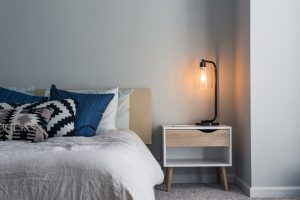
Your bedroom environment is a direct extension of your body’s needs. In summer, the goal is to create a space that feels like a cool, tranquil oasis. This goes beyond just lowering the thermostat. Think about the energy—or Qi—of the room.
First, manage the physical heat. Use breathable, natural fiber bedding like cotton, bamboo, or linen. These materials wick away moisture and allow air to circulate, unlike synthetic fabrics that trap heat. If possible, keep your bedroom slightly cooler than the rest of the house. A fan placed to create a cross-breeze can be more comfortable and healthier than blasting air conditioning, which can create pathogenic “Cold” in TCM if it’s too strong or blows directly on you while you sleep.
“The Heart houses the Shen (Spirit). When the Heart is cool and calm, the Shen rests peacefully in its home, and sleep comes easily. When the Heart is agitated by heat, the Shen becomes restless, and we experience insomnia.”
Next, address the energetic feel. Keep your bedroom uncluttered and serene. Clutter is considered stagnant Qi in Feng Shui, and stagnant energy can feel heavy and hot. Choose cooling, calming colors for your sheets and decor—think soft blues, greens, lavenders, or gentle greys instead of stimulating reds or bright oranges. A small, battery-operated fan on your nightstand that provides a gentle, indirect breeze can mimic the feeling of a peaceful, natural wind. The goal is to make your bedroom a place your body and mind associate only with rest and tranquility.
4. Calm the “Shen” with an Evening Wind-Down Ritual
In Chinese medicine, insomnia in summer is often diagnosed as “Heart Fire” or “Disturbed Shen.” The Shen is our spirit or consciousness, and it resides in the Heart. Excess summer heat, stress, and overstimulation can “fan the flames” of Heart Fire, causing mental restlessness, anxiety, and vivid dreams. The antidote is a consistent, soothing evening ritual that tells your Shen it’s safe to come home and rest.
This ritual should be a gentle, non-negotiable part of your night. About 90 minutes before bed, begin to wind down. Put away your work and your phone. The blue light from screens suppresses melatonin and stimulates the brain, the opposite of what you need. Instead, engage in activities that are cooling and grounding.
- Sip a Cooling Herb Tea: Instead of a nightcap, try a tea made from chamomile, mint, or chrysanthemum flowers. Chrysanthemum tea is a classic in China for clearing heat from the head and eyes, perfect for calming a racing mind.
- Soak Your Feet: This might sound counterintuitive for a hot night, but a cool foot soak (not ice cold) can be incredibly relaxing. In TCM, the feet are a map of the body. A soak in water infused with a few drops of lavender essential oil or some cooling peppermint can draw heat downward and away from the head, promoting a sense of calm.
- Practice Gentle Movement or Meditation: A few minutes of gentle stretching, Tai Chi, or Qi Gong can help move stagnant Qi and release the day’s tension. Alternatively, a guided meditation focused on breath or body scanning can be profoundly calming for the nervous system.
- Journaling: Write down any worries or thoughts from the day. This act of “downloading” your mind onto paper can prevent you from carrying them into bed.
The consistency of this ritual is what makes it powerful. It creates a conditioned response in your body and mind, signaling that sleep is approaching. Over time, simply starting the ritual will begin to make you feel sleepy.
5. Use Acupressure for Instant Cooling and Calm
You don’t need to be an acupuncturist to benefit from the body’s energy meridians. Acupressure—applying gentle pressure to specific points with your fingertip—is a simple, effective self-care tool you can use in bed to promote sleep. For summer, we’ll focus on points that clear heat, calm the mind, and relax the body.
Before you begin, take a few deep, slow breaths. Apply firm but gentle pressure to each point for 1-3 minutes. You can do this while lying in bed, waiting for sleep to come.
Key Points for Summer Sleep:
1. Heart 7 (Shenmen – “Spirit Gate”): This is the master point for calming the Shen and is located on the wrist crease, on the pinky side, in the small depression just inside the tendon. Gently press and hold this point on both wrists. It’s incredibly effective for anxiety, palpitations, and insomnia.
2. Pericardium 6 (Neiguan – “Inner Pass”): Famous for nausea, this point is also excellent for calming the chest and mind. It’s located three finger-widths up from the wrist crease, between the two tendons on the inner forearm. Pressing here can relieve chest tightness and emotional agitation.
3. Kidney 1 (Yongquan – “Gushing Spring”): This is a powerful grounding point. It’s located on the sole of the foot, in the depression just above the ball of the foot, between the second and third toes. Massaging this point helps draw energy downward, cooling the head and calming the mind. It’s perfect if you feel “wired but tired.”
Think of these points as your personal toolkit. Using them regularly, especially as part of your wind-down ritual, can significantly improve your ability to fall and stay asleep.
Common Questions
Why do I feel hotter at night in summer, even with air conditioning?
From a TCM perspective, this often relates to a concept called “Yin Deficiency with Empty Fire.” Yin is the cooling, moistening, and calming aspect of our physiology. The intense heat and activity of summer can consume our Yin fluids. When Yin becomes deficient, it can no longer anchor the Yang (warm, active) energy, allowing “empty heat” to flare up, especially at night. This feels like a heat that comes from within—hot flashes, night sweats, and a restless mind. Air conditioning cools the room but doesn’t address this internal imbalance. The habits above, especially dietary adjustments and calming rituals, are specifically designed to nourish Yin and clear this internal heat.
Is it bad to sleep with a fan blowing directly on me?
In Chinese medicine, we are cautious about direct, prolonged drafts of air on the body during sleep, especially on the neck and back. This is because the pores are open during sleep, making us more vulnerable to external pathogens. A strong, direct wind can be considered a form of “Wind” invasion in TCM, which might lead to a stiff neck, headache, or even a cold. The preference is for air circulation. Use a fan to create a gentle, room-wide breeze, or position it so it oscillates and doesn’t blow directly on you. This keeps the air fresh and cool without creating a potentially harmful draft.
Can certain teas actually help me sleep better in summer?
Absolutely. The right tea can be a cornerstone of your summer sleep strategy. Choose caffeine-free, cooling, and spirit-calming herbs. Chrysanthemum tea (Ju Hua) is a top choice; it’s slightly sweet, clears heat from the head, and can soothe irritated eyes from screen time. Peppermint tea (Bo He) is another excellent cooling option that can help with digestion and mental clarity without being stimulating. Chamomile tea is a classic Western herb that is also recognized in TCM for its gentle, calming properties on the nervous system. For a more potent effect, you can look for blends that include Ziziphus seed (Suan Zao Ren), a key herb in TCM for nourishing the Heart and calming the Shen to treat insomnia.
The bottom line: Deep summer sleep isn’t about battling the heat with technology, but about aligning with its energy. By eating cooling foods, syncing with the sun, creating a tranquil bedroom, and calming your spirit with a mindful ritual, you honor the season’s rhythm. These five Chinese medicine-inspired habits offer a holistic path to turning the long, warm nights into a time of truly restorative rest.
This article is for educational purposes and reflects traditional wellness perspectives. It is not a substitute for professional medical advice, diagnosis, or treatment.