There’s a particular kind of quiet that settles over the world around two o’clock on a hot summer afternoon. The cicadas are buzzing, the air is thick and warm, and a wave of heaviness seems to wash over everything, including your eyelids. If you’ve ever fought that feeling, forcing another cup of coffee and pushing through with glazed eyes, I have a radical suggestion: stop fighting it. That drowsiness isn’t a sign of weakness; it’s your body whispering an ancient secret. It’s time to listen. It’s time to reclaim your summer afternoon as a mini-vacation for your mind and body.
The Science of the Summer Slump
That post-lunch energy dip isn’t just in your head. It’s a biological reality, amplified by summer. Our bodies run on a 24-hour internal clock called the circadian rhythm, which governs sleep, hormone release, and even body temperature. After lunch, our core body temperature naturally dips slightly, signaling our brain that it might be time for a rest. This dip triggers the release of melatonin, the sleep hormone, making us feel drowsy. In summer, this effect is heightened. The heat forces our body to expend energy on cooling down—dilating blood vessels, sweating—leaving less energy for focused mental work. Fighting this is like trying to swim against a gentle but persistent current. You can do it, but you’ll exhaust yourself. Working with it, however, is like riding a wave to shore.
The Eastern Philosophy of Wu Wei and the Afternoon Pause
In Traditional Chinese Medicine and philosophy, this aligns beautifully with the concept of Wu Wei (无为), often translated as “non-action” or “effortless action.” It doesn’t mean laziness or passivity. It means acting in harmony with the natural flow of things, like a boatman steering with the current instead of rowing furiously against it. The summer heat is a powerful, expansive Yang energy. By mid-afternoon, it’s at its peak. Forcing intense focus (another form of intense Yang) creates imbalance. The Wu Wei approach is to introduce a gentle, receptive Yin quality—a pause, a rest, a cooling down. This isn’t surrender; it’s strategic alignment. It’s how you preserve your energy for the evening when the heat breaks, and you can enjoy your leisure or family time with true vitality, not just zombie-like endurance.
“The afternoon knows what the morning never suspected.” — Robert Frost. In summer, the afternoon knows you need to rest, and it’s trying to tell you how.
Designing Your Personal Afternoon Oasis
This isn’t about forcing a two-hour nap if that’s not your style. The “mini-vacation” is a state of mind more than a block of time. It’s about creating a deliberate, restorative buffer zone. Here’s how to build yours, step by step.
The 3-Step Wind-Down Ritual (1:45 PM – 2:00 PM)
Preparation is key. Just as you wouldn’t start a vacation by abruptly leaving your desk, you shouldn’t dive into rest from a state of frantic email-checking. Create a 15-minute bridge.
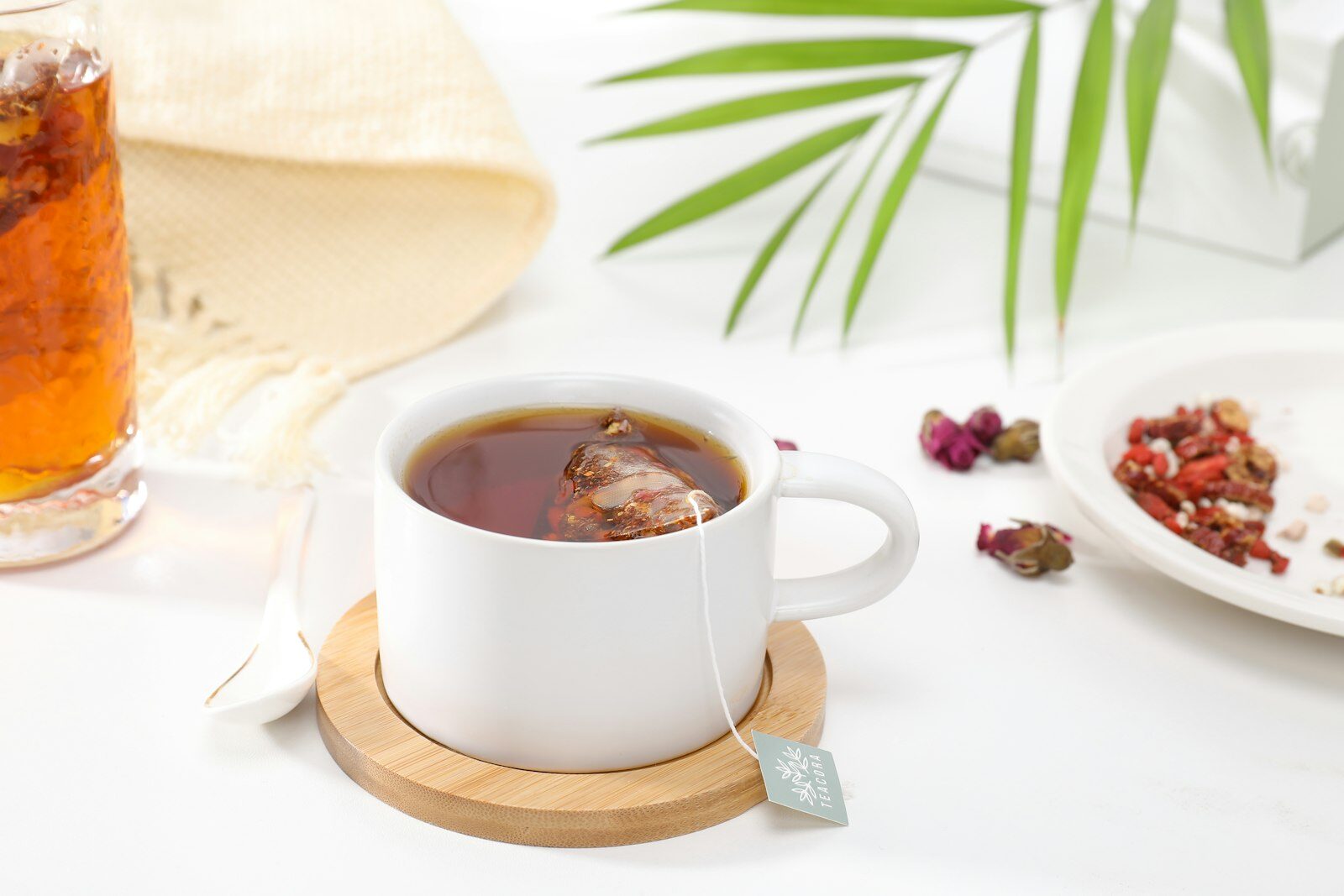
- Hydrate with a Cooling Tea: Brew a pot of chrysanthemum tea (菊花茶, jú huā chá). This is a staple in every Chinese household during summer. It’s slightly bitter, wonderfully floral, and in TCM, it’s said to clear “heat” from the liver and eyes. Use 5-6 dried flowers per cup, steep in hot (not boiling, about 175°F/80°C) water for 3-5 minutes. You can add a single goji berry or a thin slice of pear for a touch of sweetness. Sip this slowly as you begin to wrap up your morning tasks.
- Tidy Your Space: Spend 5 minutes physically clearing your workspace. A cluttered visual field keeps the mind cluttered. Put away papers, close unnecessary browser tabs. This is a physical signal to your brain: “The morning work is complete.”
- Set a Gentle Boundary: If you’re in an office or home with others, a simple, “I’m taking my quiet hour now, I’ll be back at 2:45,” is powerful. For yourself, put your phone on Do Not Disturb mode.
The Core Rest: Choose Your Own Adventure (2:00 PM – 2:30 PM)
This 20-30 minute window is sacred. The goal is to disengage from structured thought. Pick one of these options based on your energy and environment:
Option A: The Authentic Power Nap (The Gold Standard)
Find a couch, a recliner, or even a comfortable floor mat. The key is to not get into your bed, which can trigger a deeper sleep cycle that leaves you groggy. Lie on your back. Set a timer for 20 minutes exactly. This is the sweet spot—long enough to enter the first stage of light sleep and get the cognitive benefits of memory consolidation and mood improvement, but short enough to avoid sleep inertia. If you fall asleep, great. If you just lie there in quiet wakefulness, that’s also a success. The act of closing your eyes and physically resting is 90% of the benefit.
Option B: The Moving Meditation
If napping feels impossible, try gentle, non-strenuous movement. My grandmother would often do a slow, five-minute walk around her garden after lunch, not to exercise, but to “settle the food” and enjoy the breeze. You can do the same. Walk slowly around your block, or even your apartment, focusing on the sensation of your feet on the ground. Alternatively, find a quiet spot and do 5-10 minutes of very gentle qigong. A simple practice like “Lifting The Sky”—standing with feet shoulder-width apart, inhaling as you raise your arms slowly overhead, then exhaling as you lower them—can feel like a reset for your entire nervous system.

Option C: The Sensory Disconnect
This is for the overstimulated mind. Lie down or sit comfortably in a cool, dark room. Put on an eye mask and noise-canceling headphones or earplugs. The goal is to give your senses a complete break from processing input. No music, no podcasts. Just 20 minutes of sensory quiet. The first few times, your mind may race. That’s normal. Just observe the thoughts like clouds passing in the sky, without grabbing onto them.
The Nourishing Bridge: What to Eat (and Not Eat) Beforehand
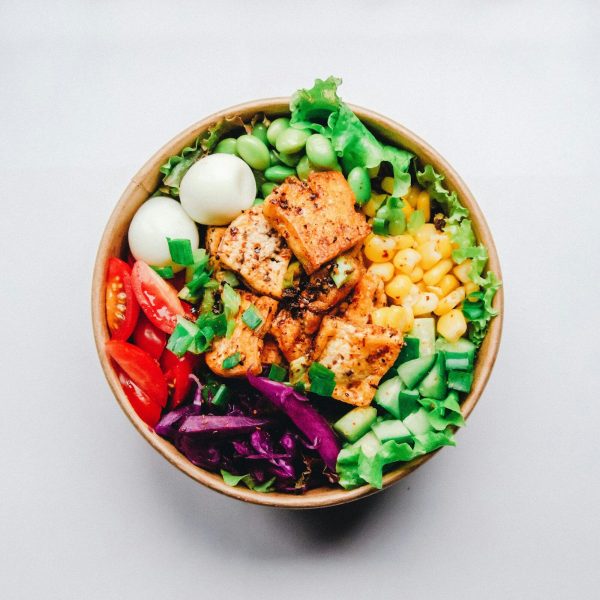
Your afternoon rest is only as good as the lunch that precedes it. A heavy, greasy meal will leave you feeling sluggish and make true rest impossible. The ideal summer lunch is light, hydrating, and easy to digest. Think of it as fuel for your afternoon, not a coma-inducing brick.
A perfect example from my childhood was a simple bowl of congee (rice porridge) with some steamed greens like bok choy, a few slices of ginger, and perhaps some shredded chicken. It’s warming, nourishing, and incredibly gentle on the stomach. For a Western-friendly version, think of a large salad with grilled chicken or chickpeas, a light vinaigrette, and a side of whole-grain bread. Avoid creamy, heavy pasta dishes, large portions of red meat, or anything overly spicy, which can raise your body temperature further.
| Summer Lunch Blueprint | Why It Works |
|---|---|
| Base: 1 cup cooked quinoa, brown rice, or 1 cup congee | Complex carbs for steady energy, easy to digest. |
| Protein: 4-6 oz grilled chicken, tofu, or a cup of lentils | Lean protein for satiety without heaviness. |
| Vegetables: 2 cups mixed greens, cucumber, radish, tomato | Hydrating, cooling, rich in vitamins and minerals. |
| Healthy Fat: 1/4 avocado, or 1 tbsp olive oil in dressing | Keeps you full, supports nutrient absorption. |
| Hydration: 16 oz water with lemon or mint, 1 cup chrysanthemum tea | Replenishes fluids lost to heat and perspiration. |
The Gentle Re-Awakening: Returning to the World (2:30 PM – 2:45 PM)
How you come out of your rest is just as important as how you go in. Don’t jolt yourself back to reality with a blaring alarm or by immediately checking your phone. Give yourself a 15-minute buffer to re-enter.
- Hydrate Again: Have another glass of cool (not ice-cold) water. Add a slice of cucumber or a sprig of mint for extra refreshment.
- Gentle Stretch: Stand up slowly. Reach your arms overhead for a long, gentle stretch. Roll your shoulders back and down. Turn your head slowly from side to side.
- Set a Single Intention: Before diving into your inbox, ask yourself: “What is the one most important thing I can accomplish in the next two hours?” This focuses your refreshed mind.
Common Questions
“I can’t nap. I just lie there thinking. Is it still worth it?”
Absolutely, yes. The primary goal of the summer afternoon rest is not sleep—it’s rest. The act of lying down, closing your eyes, and removing all external demands from your nervous system for 20 minutes is profoundly restorative, even if you’re awake the entire time. Think of it as a “system reboot” for your brain. Studies show that quiet wakefulness can improve creativity and problem-solving almost as much as sleep. You are still giving your body the Yin pause it craves in the heat.
“What if I only have 10 minutes? Is that enough?”
It is more than enough. In fact, a “micro-rest” can be incredibly powerful. The key is to make those 10 minutes intentional. Don’t try to nap. Instead, practice the “Sensory Disconnect” or do a focused breathing exercise. Sit comfortably, close your eyes, and take 10 slow, deep breaths, counting to 4 on the inhale, holding for 4, and exhaling for 6. This simple act can lower cortisol (the stress hormone) and reset your parasympathetic nervous system. Consistency matters more than duration. A daily 10-minute pause will yield more benefits than an occasional 30-minute struggle.
“My schedule is chaotic with kids/work. How can I possibly do this?”
Reframe it as a non-negotiable appointment with yourself. You wouldn’t skip a critical meeting with your boss; don’t skip this meeting with your well-being. Start small. Communicate your need. You might say to your family, “I’m going to take 15 minutes of quiet time after lunch. I’ll be in the bedroom with the door closed. Unless it’s an emergency, please give me this space.” For work, block your calendar as “Focused Work Time” or “Strategy Session.” The world will not end if you are unreachable for 20 minutes. You will return more patient, focused, and effective—benefiting everyone around you.
The bottom line: The summer afternoon slump is not your enemy; it’s a wise, biological messenger urging you to practice Wu Wei—to align with the season’s rhythm. By consciously designing a 20-30 minute mini-vacation through a wind-down ritual, a nourishing rest, and a gentle re-awakening, you’re not wasting time. You are investing in your resilience, creativity, and evening vitality. This small act of defiance against the cult of constant productivity is, in reality, a profound act of self-care and efficiency. Start with just three afternoons this week. Your body and mind will thank you.
This article is for educational purposes and reflects traditional wellness perspectives. It is not a substitute for professional medical advice, diagnosis, or treatment.