There’s a particular kind of quiet that falls over the world in the heart of a summer day. The sun is high, the air shimmers, and even the birds seem to pause their singing. In many cultures, this is the hour for rest. But in Traditional Chinese Medicine (TCM), this midday pause isn’t about collapsing into a deep sleep. It’s a strategic, quiet reset—a practice as precise and purposeful as tuning a fine instrument. If you’ve ever felt guilty for wanting to slow down at noon, or if you’ve tried and failed to nap, this ancient wisdom is for you. Let’s explore why TCM advocates for a specific kind of summer midday rest, and how to do it in a way that truly nourishes your body and spirit.
- The Heart of the Day: When Your Fire Element is at Its Peak
- Rest vs. Nap: A Crucial TCM Distinction
- How to Practice the Summer Midday Rest: A Step-by-Step Guide
- The Nourishing Pause: What to Do Before and After
- When Rest Feels Impossible: TCM Hacks for the Time-Starved
- The Cultural Story: My Grandfather’s Hammock
The Heart of the Day: When Your Fire Element is at Its Peak
In TCM’s 24-hour organ clock, every major organ system has a two-hour window when its energy is most active. For the Heart, that window is from 11 a.m. to 1 p.m. The Heart is the emperor of your body in TCM—it houses your *Shen*, or spirit, and is responsible for consciousness, joy, and clear thinking. It governs your blood and vessels. Summer is the season of the Fire element, which directly nourishes the Heart.
So, at midday in summer, you have a double dose of Fire energy: the season’s peak and the Heart’s peak. This is a time of maximum yang energy. Think of it like a campfire that’s burning its hottest. Now, what happens if you just keep throwing logs on? You exhaust your wood supply. The fire flares up, burns bright and fast, and then dies down to embers. This is exactly what we want to avoid. The goal isn’t to stoke the fire further with frantic activity or a heavy lunch. The goal is to protect the flame, to let it glow steadily.
This is where the concept of rest comes in. But it’s not a nap. A nap implies sleep, which in TCM, especially a long one, can actually dampen your yang qi (your warming, active energy) and leave you feeling groggy, heavy, and out of sorts. My grandmother used to call this feeling “sleep drunk”—*shui jiu* (睡酒). She’d say, “A short rest lets the spirit settle. A long sleep lets it wander.” The aim is to settle, not to send your spirit on a journey.
Rest vs. Nap: A Crucial TCM Distinction
So, what’s the difference? A nap is about unconsciousness and sleep cycles. A TCM midday rest is about conscious relaxation and energy conservation. It’s a deliberate act of pulling inward, like a flower closing its petals for a moment before opening again.
The goal is to create a brief window of stillness that allows your Heart’s energy to settle and rebalance without being drained. This supports your *Shen*, calms the mind, and prepares you for the productive afternoon ahead. It’s the difference between putting a pot on a gentle simmer versus turning off the stove completely—you want to maintain a steady, nourishing heat.
“A nap is for the body’s fatigue. A midday rest is for the spirit’s clarity.” — Traditional saying
How to Practice the Summer Midday Rest: A Step-by-Step Guide
This isn’t about finding a dark room and sleeping for an hour. It’s a simple, 20-30 minute ritual you can do almost anywhere. The key is consistency and creating a small sanctuary of quiet.
Timing is Everything: Aim for between 12:00 p.m. and 1:00 p.m. This squarely covers the Heart’s peak time. Set a gentle alarm for 20 minutes. This is the sweet spot long enough to settle the *Shen*, but not so long that you slip into deep sleep and wake up disoriented.
The Posture of Rest: Do not lie flat if you can avoid it. Lying down is a yin posture that signals deep sleep to the body. Instead:
- Option A (Office/Chair): Sit comfortably in your chair, feet flat on the floor. Rest your hands in your lap, palms up. Close your eyes. If you can, recline slightly (about 120 degrees), like in a meditation chair or a recliner. Use a small pillow or folded sweater behind your lower back for support.
- Option B (Home/Comfortable): Sit on a cushion on the floor or the edge of your bed, cross-legged if comfortable, or with feet flat. Keep your spine long but not rigid. Rest hands on knees, palms down for grounding.
- Option C (The “Power Pose” Rest): If sitting isn’t possible, lie on your right side in the “lion’s pose” (fetal position but with knees slightly bent, not tightly drawn in). This is a yin-yang compromise that is less sleep-inducing than lying on your back.
The Mindful Activity: This is the core. You are not just sitting. You are actively resting. Choose one of these focused practices:
1. The Breath Count: Simply count your breaths. Inhale for a count of 4, hold gently for a count of 2, exhale for a count of 6. The longer exhale activates your parasympathetic nervous system (the “rest and digest” system). Do this for 10 cycles. If your mind wanders (and it will), gently bring it back to the count. This is not about emptying your mind; it’s about giving it a single, simple anchor.
2. The Body Scan: Start at the crown of your head. Mentally say, “Relax your scalp.” Move to your forehead, “Soften your brow.” Your eyes, your cheeks, your jaw (let it drop slightly). Move down to your neck, shoulders, arms, hands. Feel the weight of your body being supported. Spend 2-3 minutes on each area. This tells your nervous system it’s safe to let go.
3. The Guided Visualization: Imagine a cool, gentle stream flowing over your heart center (the middle of your chest). See the water washing away any heat, agitation, or mental clutter. With each exhale, see that heat dissolving into the air. This uses the Water element to balance the peak Fire of summer, a core TCM principle.

The Nourishing Pause: What to Do Before and After
The rest itself is the main event, but the bookends matter. A heavy, greasy lunch before your rest will make you sluggish and defeat the purpose. A jolt of caffeine after will undo all the calming benefits.
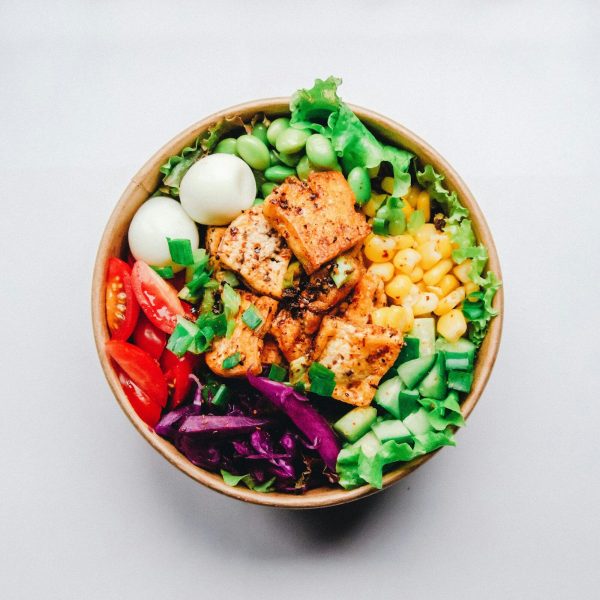
Before (11:30 a.m.): Eat a light, cooling lunch. Think of foods that have a high water content and are easy to digest. In TCM, these are foods that clear heat.
Ideal Summer Lunch Plate:
- Base: A small portion (1/2 cup cooked) of quinoa, millet, or barley. These are neutral grains that don’t tax digestion.
- Protein: 3-4 oz of grilled chicken breast, steamed white fish (like cod), or a handful of edamame.
- Veggies (the star): A large portion of cooling vegetables: cucumber salad with rice vinegar and a pinch of sugar, steamed bok choy, or a bitter green like dandelion greens sautéed with garlic.
- Beverage: 1 cup of chrysanthemum tea (*ju hua*), served at room temperature. This is a classic TCM herb for clearing summer heat from the head and eyes.
After (1:30 p.m.): Transition gently back to activity. Don’t check email immediately. Instead:
- Drink a glass of water at room temperature (cold shocks the system).
- Do 2-3 minutes of gentle stretching: neck rolls, shoulder shrugs, reaching arms overhead.
- Take 5 slow, deep breaths while looking out a window at something green.
- Then, and only then, turn to your work. You’ll find the afternoon has a different quality—calmer, more focused.
When Rest Feels Impossible: TCM Hacks for the Time-Starved
Maybe you have a meeting at 1 p.m. Maybe your toddler is napping and you have to clean. TCM is nothing if not practical. Here are micro-rests you can incorporate:
- The 3-Minute Hand Rest: At your desk, place your right hand over your Heart center (mid-chest). Place your left hand on top of your right. Close your eyes for three minutes. Focus on the warmth between your hands and your chest. This simple contact grounds the *Shen*.
- The Acupressure Quick Fix: Press the point Heart 7 (Shen Men), located on your inner wrist crease, in the little finger-side depression. Hold with gentle pressure for 60 seconds on each wrist. This directly calms the Heart and spirit.
- The “Gaze” Rest: If you can’t close your eyes, soften your gaze. Look at a single point in the distance (a tree, the sky) for 2 minutes without blinking intentionally. This is a form of *wu wei*—effortless action—that settles the mind.
The Cultural Story: My Grandfather’s Hammock
My grandfather had a simple cotton hammock strung between two plum trees in his courtyard. Every summer day, around noon, he’d take his newspaper, a pot of cooling mint tea, and lie in that hammock. But he never slept. He’d read a few paragraphs, then set the paper on his chest and just… be. He called it “letting the mind breathe.” He’d watch the clouds, listen to the cicadas, and sip his tea. After 20 minutes, he’d get up, fold his paper, and return to his work in the garden with a quiet energy I admired. He wasn’t lazy; he was wisely conserving his qi. That hammock wasn’t for sleep—it was his portal to a mindful pause.
This practice is about reclaiming a sacred pause in a culture that glorifies busyness. It’s a quiet rebellion. It’s saying, “My spirit needs tending as much as my to-do list.”
Common Questions
What if I fall asleep during my midday rest?
It’s not a failure! If it happens, it means your body was deeply exhausted. The key is to set a firm alarm for 20 minutes. If you doze, you’ll likely enter only the lightest stage of sleep and wake up feeling refreshed, not groggy. If you consistently fall asleep, it’s a sign you need to examine your nighttime sleep quality and duration. The midday rest is a supplement to, not a replacement for, good nocturnal sleep.
I drink coffee right after lunch. Can I still do this?
You can, but you’re working against yourself. Caffeine is a stimulant that directly counteracts the calming, Heart-settling goal of the rest. It’s like trying to meditate while someone jiggles your chair. If possible, try moving your coffee to before lunch (10:30 a.m.) or saving it for a much later afternoon slump (around 3 p.m.). If you must have it after lunch, wait at least 30 minutes after your rest to drink it, to let the calming effects solidify.
Is this the same as the Spanish “siesta”?
It’s a cultural cousin, but not identical. The traditional siesta is often a longer, actual nap taken after the main meal of the day, which is also large. The TCM-inspired midday rest is shorter, more active in its mindfulness, and paired with a lighter lunch. Both recognize the body’s natural dip in energy and alertness in the early afternoon (the post-lunch circadian dip), but the TCM approach is more focused on energy preservation and spirit nourishment than on sleep for sleep’s sake.
The bottom line: The summer midday rest is not about laziness or napping; it’s a precise, time-honored practice of conscious stillness. By honoring the peak of Heart energy between 11 a.m. and 1 p.m. with a 20-minute pause—sitting quietly, breathing deeply, and gently withdrawing your senses—you protect your inner fire from burning out. You nourish your *Shen*, sharpen your afternoon focus, and align with the natural rhythm of the season. Start with just one day this week. Set your alarm, find your posture, and give your spirit the quiet gift of a pause.
This article is for educational purposes and reflects traditional wellness perspectives. It is not a substitute for professional medical advice, diagnosis, or treatment.