Have you ever noticed that around 3 p.m. on a hot summer day, your brain feels like it’s running on dial-up internet in a high-speed world? That sudden wave of fatigue, the inexplicable brain fog, the desperate need for a third cup of coffee—it’s not a personal failing. It’s a predictable, ancient rhythm your body is trying to follow. In Traditional Chinese Medicine (TCM), summer isn’t just a season; it’s a specific phase in the endless dance of energy, and understanding its unique qi cycle is like getting a secret map to navigating the heat with vitality instead of just surviving it.
- What Exactly is the "Summer Qi Cycle"?
- The 24-Hour Summer Energy Map: Your Daily Rhythm
- Why You Crash at 3 PM (and How to Prevent It)
- Harnessing the Peak: The 11 AM – 1 PM Heart Window
- The Summer Qi Cycle Diet: Cooling Without Freezing
- Movement for the Fire Element: Gentle, Not Grueling
- Common Questions About the Summer Qi Cycle
What Exactly is the “Summer Qi Cycle”?
Let’s start with the basics. Qi (pronounced “chee”) is the vital life force or energy that flows through all living things. Think of it as your body’s internal battery and Wi-Fi signal combined. In TCM, this energy doesn’t stay at a constant, flat level. It ebbs and flows throughout the day in a predictable, two-hour rhythm, traveling through different organ systems in a specific sequence known as the Chinese Organ Clock. This is the qi cycle.
Summer is ruled by the Fire element. This is a time of maximum yang energy—think expansion, growth, activity, and outward expression. It corresponds to the Heart and Small Intestine organ systems (and their paired organs, the Pericardium and Triple Burner). During this season, our overall energy is naturally higher, our circulation is stronger, and we’re biologically wired to be more social and active. But this peak yang energy also makes us more susceptible to a specific kind of imbalance: Heat. When we overdo it, ignore the midday rest, or fight the natural dip in energy, that Fire can flare into symptoms like anxiety, insomnia, palpitations, and—you guessed it—that infamous summer crash.
The “summer qi cycle” is about aligning with this Fire element rhythm. It’s not about adding more fuel to the fire, but about understanding when to stoke the flames for activity and when to gently bank them for recovery. My grandmother, who grew up in the countryside outside Guangzhou, never used an air conditioner. She’d say, “In summer, you must work with the sun, not against it. Rise early, rest at noon, and stay cool in your spirit.” Her wisdom was a perfect, practical summary of this entire concept.
The 24-Hour Summer Energy Map: Your Daily Rhythm
The Chinese Organ Clock isn’t just a list of times; it’s a dynamic flowchart of your body’s priorities. While the entire cycle applies year-round, its expression is amplified and colored by the season. In summer, the Fire-organ times (Heart, Small Intestine, Pericardium, and Triple Burner) are like peak performance windows—and vulnerability zones. Here’s a simplified look at the key summer-relevant phases:
| Time (24-hr) | Primary Organ | Summer Qi Focus | Best Activity / Pitfall |
|---|---|---|---|
| 05:00 – 07:00 | Large Intestine | Release & Purify | Ideal: Hydrate, gentle movement, bowel movement. Pitfall: Skipping breakfast, constipation. |
| 07:00 – 09:00 | Stomach | Nourish & Fuel | Ideal: Eat a substantial, warm breakfast. Pitfall: Coffee on an empty stomach, cold smoothies. |
| 09:00 – 11:00 | Spleen | Transform & Distribute | Ideal: Mental work, planning, digestion support. Pitfall: Overthinking, sugar cravings, heavy lunches. |
| 11:00 – 13:00 | Heart (Fire) | Circulate & Connect | Ideal: Social interaction, creative tasks, light lunch. Pitfall: Intense cardio, arguments, over-stimulation. |
| 13:00 – 15:00 | Small Intestine (Fire) | Sort & Assimilate | Ideal: Mandatory Rest (20-30 min). Pitfall: Pushing through fatigue, big meetings, hard labor. |
| 15:00 – 17:00 | Bladder | Store & Cleanse | Ideal: Second wind for focused work, hydrate. Pitfall: Excessive caffeine, dehydration. |
| 17:00 – 19:00 | Kidney | Store Essence & Willpower | Ideal: Light dinner, gentle movement (walking), connect with family. Pitfall: Over-exertion, salty snacks. |
| 19:00 – 21:00 | Pericardium (Fire) | Protect the Heart & Calm Spirit | Ideal: Socializing, laughter, light entertainment. Pitfall: Vigorous exercise, stressful news, heavy meals. |
| 21:00 – 23:00 | Triple Burner (Fire) | Regulate & Harmonize | Ideal: Prepare for sleep, gentle stretching, deep breathing. Pitfall: Screen time, intense discussions, snacking. |
Notice how the Fire organs dominate the midday and early evening? This is the core of the summer qi cycle. The Heart’s peak from 11 a.m. to 1 p.m. is why a heavy, stressful lunch feels so terrible—it overwhelms the system when it’s most active. The Small Intestine’s time from 1 p.m. to 3 p.m. is the biological “siesta window.” It’s not laziness; it’s physiology. This organ is responsible for “separating the pure from the impure” on a physical level. Pushing through work during this time is like trying to run a marathon while your body is trying to do critical internal maintenance. The 3 p.m. crash is the direct result.
Why You Crash at 3 PM (and How to Prevent It)
That 1-3 p.m. window is the linchpin of summer energy management. In TCM, the Small Intestine isn’t just a digestive tube; it’s the alchemist that takes the raw materials from your food and experience and “sorts” them into usable energy (pure) and waste (impure). This is a complex, energy-intensive process. In summer, with yang energy at its peak and circulation strong, this process is even more active. When you force your brain to keep working, you create a traffic jam. The body has to choose: send blood and energy to your muscles and brain for work, or send it to the Small Intestine for its vital sorting duty.
It usually chooses work. The result? The sorting gets delayed. The “pure” energy isn’t extracted efficiently, leading to that sluggish, foggy feeling. The “impure” waste isn’t processed well, which can contribute to feelings of heaviness and inflammation. Over time, chronic neglect of this rest period can lead to deeper imbalances like chronic fatigue, anxiety, and digestive issues—classic signs of Heart and Small Intestine Fire being scattered or depleted.
“The noon rest is not a luxury; it is the body’s way of returning to center. To ignore it is to borrow energy from tomorrow’s vitality.”
Actionable Fix: You don’t need a 2-hour nap. A 20-minute “power rest” is transformative. Here’s how: At 12:45 p.m., finish your light lunch. Find a quiet space. You can lie down or sit in a comfortable chair with your feet flat on the floor. Close your eyes. Place one hand on your lower abdomen (Dan Tien, the energy center) and one on your heart. Breathe slowly and deeply, focusing on the rise and fall. The goal isn’t to sleep, but to consciously shift your nervous system from “fight or flight” to “rest and digest.” Even if you just breathe deeply for 15 minutes, you give the Small Intestine the quiet time it needs. Set an alarm for 1:15 p.m. You’ll return to work with clearer focus and sustainable energy.
Harnessing the Peak: The 11 AM – 1 PM Heart Window
While the 1-3 p.m. slot is for recovery, the 11 a.m. to 1 p.m. window is your summer superpower. This is when the Heart—the Emperor of all organs in TCM—is most vibrant. The Heart governs blood circulation, consciousness (Shen, or spirit), and joy. This is the optimal time for:
- Social Connection: Schedule important meetings, collaborative work, or a lunch with a friend. Your capacity for empathy and communication is naturally higher.
- Creative & Joyful Work: This is the best time for brainstorming, artistic pursuits, or any task that requires passion and inspiration. Your Heart’s energy fuels your Shen (spirit).
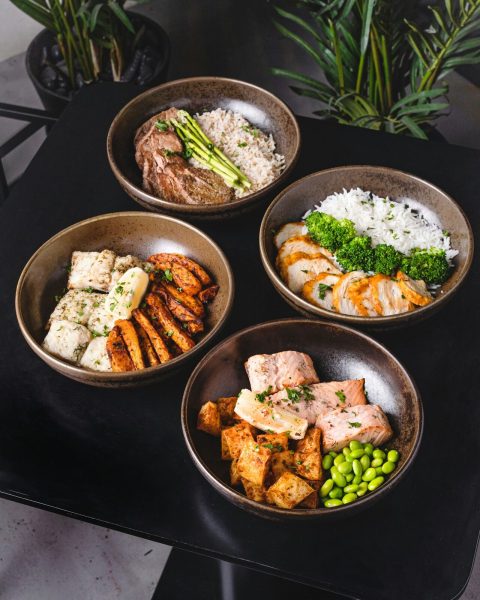
- A Light, Nourishing Lunch: Eat a warm, easily digestible meal between 11:30 a.m. and 12:30 p.m. Think a bowl of congee with shredded chicken and ginger, a light vegetable soup with tofu, or a quinoa salad with grilled zucchini and a lemon-herb dressing. Avoid heavy, greasy, or very cold foods that would burden the coming Small Intestine phase.
I learned this the hard way. In my twenties, I’d often skip lunch or grab a cold sandwich at my desk at 2 p.m. My afternoons were a wasteland of anxiety and scattered thoughts. When I started eating a proper, warm lunch before 1 p.m., the shift was dramatic. It felt like I was finally giving my engine the right fuel at the right time. The anxiety melted away, replaced by a calm, steady focus.
The Summer Qi Cycle Diet: Cooling Without Freezing
One of the biggest summer mistakes is fighting heat with extreme cold. In TCM, consuming icy drinks, excessive raw food, or blasting air conditioning shocks the system. It forces the body to expend precious qi (energy) just to warm itself back up to operating temperature, which paradoxically can lead to internal “damp-heat”—a sticky, sluggish condition that causes bloating, fatigue, and inflammation.
The goal is cooling, not cold. We want to clear excess heat while gently supporting digestion. Here are specific, actionable foods and drinks to integrate into your day, aligned with the qi cycle:
- Upon Waking (7 a.m.): A cup of room-temperature water with a few slices of cucumber or a sprig of mint. This gently wakes the Stomach qi without shocking it.
- Breakfast (7:30-8:30 a.m.): Mung bean congee. Mung beans are a legendary TCM food for clearing summer heat. Cook 1/4 cup of dried mung beans with 1/2 cup of rice in 4 cups of water until soft. Season with a pinch of salt and a drizzle of honey if desired.
- Lunch (11:30 a.m.): A light salad is fine, but balance it. Add grilled chicken or tofu for substance, and use a dressing made with cooling herbs like mint or cilantro. Or, opt for a simple vegetable stir-fry with cooling vegetables like cucumber, celery, and bok choy.
- Afternoon Hydration (3-5 p.m.): Instead of iced coffee, try Chrysanthemum & Goji Berry Tea. Steep 5-6 dried chrysanthemum flowers and a tablespoon of goji berries in hot water for 5 minutes. Sip it warm or at room temperature. This is a classic combination to clear heat, brighten the eyes, and support the Liver and Kidney yin (the cooling, moistening aspect of your physiology).
- Evening (7-9 p.m.): A simple, cooling dessert: chilled (not iced) red bean soup. Simmer 1/2 cup of adzuki beans with 4 cups of water and a small piece of kombu seaweed for 1 hour until soft. Add a tablespoon of rock sugar, cool, and refrigerate. It’s mildly sweet, clears damp-heat, and is easy on the digestion before bed.
Movement for the Fire Element: Gentle, Not Grueling
Summer is not the season for “no pain, no gain.” Excessive, high-intensity exercise in the heat scatters qi and depletes Heart yin, leading to palpitations, night sweats, and insomnia. The movement that supports the summer qi cycle is smooth, flowing, and mindful.
Best Time to Move: Early morning (5-7 a.m.) or late evening (7-9 p.m., during Pericardium time). Avoid intense exercise from 11 a.m. to 3 p.m. when the Fire organs need to be in a state of regulated activity, not stress.
Ideal Practices:
- Qigong: “The Five Animals Play” or simple standing meditation (Zhan Zhuang). These practices cultivate qi without over-exerting it. Focus on slow, deep breathing and gentle, flowing movements that mimic the grace of nature.
- Yoga: Gentle Hatha or Yin yoga. Focus on heart-opening poses like Cobra, Fish Pose, and gentle twists. Avoid hot yoga; you’re already in a hot environment.
- Walking in Nature: A 30-minute walk in a park or near water in the early morning is perfect. The Water element (nature’s cooling force) helps balance the Fire element within you.
The key is to finish your practice feeling refreshed and gently energized, not drained. If you’re drenched in sweat and exhausted, you’ve gone too far.
Common Questions About the Summer Qi Cycle
I work a 9-to-5 job and can’t take a nap. How can I honor the 1-3 p.m. Small Intestine window?
You can still create a micro-rest. From 1 p.m. to 1:20 p.m., put on noise-canceling headphones (or even just earplugs), close your eyes at your desk, and focus on 20 slow, deep breaths. Breathe in for a count of 4, hold for 4, exhale for 6. This activates the parasympathetic nervous system and gives your body a signal to shift into “digest and sort” mode, even in a busy office. Avoid scheduling major presentations or creative brainstorming during this time; use it for routine emails or administrative tasks.
Does the summer qi cycle affect sleep? I’ve been having trouble falling asleep.
Absolutely. The Heart governs the Shen (spirit). When Heart Fire is excess from summer heat, overstimulation, or neglecting the midday rest, the Shen becomes “agitated” and can’t settle into the Heart at night. This causes racing thoughts, anxiety, and difficulty falling asleep. To counter this: 1) Strictly avoid screens and stressful news after 9 p.m. (Triple Burner time). 2) Create a cooling, calming bedtime ritual. Try soaking your feet in warm water with a few drops of lavender oil for 15 minutes before bed. 3) Drink a small cup of cooling, calming tea like jujube seed (Suan Zao Ren) and lily bulb (Bai He) tea an hour before bed. Steep 1 tsp of each in hot water.
I love cold brew coffee. Is it really that bad in summer?
It’s not “bad,” but it’s a strategic choice with consequences. Cold brew is very cold and highly stimulating. Drinking it on an empty stomach or during the 1-3 p.m. window can directly shock the Small Intestine’s sorting process, leading to worse crashes later. If you must have it, follow these rules: 1) Never on an empty stomach. Have it after a proper breakfast or lunch. 2) Drink it between 9-11 a.m. during the Spleen/Stomach time when digestion is strong. 3) Limit to one small cup (8 oz) and follow it with a glass of room-temperature water. This mitigates the shock to your system.
The bottom line: The summer qi cycle is your body’s ancient, built-in guide for thriving in the heat. It’s not about adding more to your to-do list, but about strategically aligning your daily actions—eating, working, resting, moving—with the natural peak and flow of your energy. By respecting the critical 1-3 p.m. rest window, harnessing the creative power of the 11 a.m. to 1 p.m. Heart time, and choosing cooling, nourishing foods and gentle movement, you can transform the summer slump into a season of vibrant, sustainable vitality. It’s the difference between fighting the current and flowing with it.
This article is for educational purposes and reflects traditional wellness perspectives. It is not a substitute for professional medical advice, diagnosis, or treatment.