Summer arrives with a rush of energy. The days stretch out long and golden, inviting us to fill every hour with activity—barbecues, beach trips, late-night bonfires, and endless social commitments. Yet, there’s a quiet paradox at the heart of this vibrant season: the more we chase the sun, the more we risk burning out. In traditional Chinese wellness philosophy, summer is the peak of yang energy—bright, expansive, and fiery. It’s a time for growth and outward expression, but also a crucial moment to cultivate inner balance. The long days aren’t just an invitation to do more; they’re an opportunity to practice the art of doing less, with more intention. This is the essence of summer slow living rituals: simple, grounding practices that help us harness the season’s energy without getting swept away by it.
Why Summer Asks Us to Slow Down
In Traditional Chinese Medicine (TCM), summer is governed by the Fire element, which corresponds to the Heart and Small Intestine organs. The Heart, considered the “Emperor” of the body, houses our shen (spirit or consciousness). When we’re constantly on the go—mentally or physically—it’s like stoking a fire without tending to the embers. We end up with restless sleep, irritability, and that feeling of being “wired but tired.” My grandmother used to say, “Summer heat climbs into the heart,” meaning the season’s warmth can easily agitate our inner calm if we don’t counterbalance it with cool, quiet moments.
The key Eastern concept to grasp here is yang within yin. Even in the most yang season, there are pockets of yin—stillness, coolness, receptivity. Think of the shade under a dense oak tree at noon, or the cool water of a stream at dusk. Our goal isn’t to fight summer’s energy but to find its quiet spaces. These rituals are designed to do exactly that: they create small sanctuaries of calm within the season’s brightness.
“In summer, eat light and cool, move gently and rest deeply. The ancients rose with the dawn and rested at midday to harmonize with the sun’s peak.” — Huangdi Neijing (The Yellow Emperor’s Classic of Internal Medicine)
Ritual 1: The Midday Pause (Wu Xi Rest)
Between 11 a.m. and 1 p.m., the sun is at its zenith and yang energy peaks. In Chinese tradition, this is the hour of the Heart meridian. Pushing through with errands or work during this time is like forcing a flower to bloom faster—you risk wilting its petals. The solution is the Midday Pause, a 20-minute ritual of conscious stillness.
How to practice it:
- Find a cool, shaded spot—indoors with curtains drawn or under a tree.
- Sit or lie down with a light cotton blanket (even in summer, your body temperature drops slightly during rest).
- Place a cool, damp cloth infused with 2-3 drops of peppermint or lavender essential oil on your forehead or wrists.
- Set a timer for 20 minutes. Close your eyes and focus on your breath, counting each exhale from 1 to 10, then starting over.
- When the timer ends, don’t jump up. Wiggle your fingers and toes, take three deep breaths, and sit quietly for another minute before resuming your day.
This isn’t a nap (though you might drift off); it’s a deliberate reset. I started doing this after my father told me how, in his childhood village, everyone would retreat indoors after lunch, not to sleep, but to simply sit quietly, sipping barley tea. The whole village would fall silent for an hour. The practice aligns your rhythm with the natural world, preventing the afternoon slump that comes from fighting biology.
Ritual 2: The Evening Garden Tea (Huang Hun Cha)
Summer evenings are perfect for a cooling herbal tea ritual that signals to your body that the day is winding down. In TCM, many cooling herbs are used in summer to “clear heat” and calm the spirit. This isn’t just about hydration; it’s a mindful ceremony to transition from the day’s activity to evening calm.
Your cooling summer tea blend:
Mix the following in a jar (makes about 10 servings):
- 4 parts dried chrysanthemum flowers (juhua) – clears heat, brightens eyes
- 3 parts dried mint leaves (bohe) – releases exterior heat, soothes digestion
- 2 parts goji berries (gouqi) – nourishes yin, calms the spirit
- 1 part dried rosebuds (meigui) – gently moves qi, lifts mood
How to prepare: Steep 1 tablespoon of the blend in 2 cups of just-boiled water for 5-7 minutes. Strain into your favorite cup. Add a teaspoon of raw honey if you like, but only after the tea has cooled slightly—heat destroys honey’s beneficial enzymes.
Take your cup outside as the sun sets. Sit somewhere comfortable—on a porch step, a garden chair, or even a cushion on the grass. Don’t read or scroll. Simply watch the light change. Sip slowly. This 10-minute ritual is a powerful anchor. My mother called this “drinking the sunset,” and it was one of the few times I saw her truly still, her gaze soft and unguarded. It taught me that peace isn’t something you find; it’s something you create with small, consistent acts.
Ritual 3: The Barefoot Grounding Walk (Jie Di Qi)
Summer is the season of connection—to the earth, to the sun, to the energy around us. In TCM, we call this jie di qi, or “receiving earth energy.” Modern science calls it “earthing.” The practice is simple: walk barefoot on natural ground for 15-20 minutes, ideally in the early morning or late evening when the ground is cool but not cold.
Why this works: The earth’s surface carries a subtle negative charge. Direct contact with it can help reduce inflammation, improve sleep, and calm the nervous system. In TCM terms, it helps draw excess summer heat down from the head and heart, grounding our energy. You don’t need a forest; a small patch of grass, a sandy beach, or even a quiet park will do.
How to do it mindfully:
- Choose a safe, clean surface—grass, soil, sand, or smooth stone.
- Stand still for the first minute. Feel the texture under your feet. Notice the temperature.
- Walk slowly, placing your heel down first, then rolling to the ball of your foot. Pay attention to each step.
- Breathe deeply—inhale for 4 steps, exhale for 6 steps.
- After 15 minutes, sit down and massage your feet with a few drops of sesame oil (warming) or coconut oil (cooling).
I do this in my small backyard every morning at 6:30 a.m., before the sprinklers come on. The dew-soaked grass is cool and slightly electric. It’s my daily reset—a reminder that I’m part of a larger system, not separate from it. If you’re worried about looking odd, remember: in many cultures, this is simply how people live. It’s only modern life that has put a layer of rubber between us and the earth.

Ritual 4: The One-Pot Summer Supper
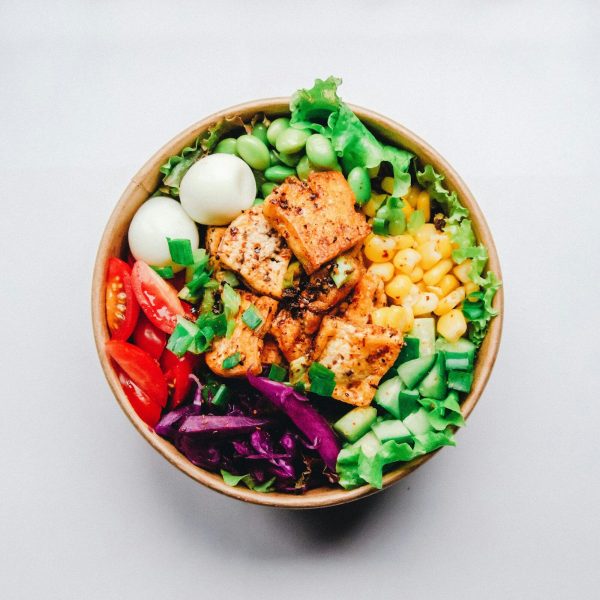
When it’s hot, cooking can feel like a chore. But in Chinese tradition, summer eating follows a specific logic: light, cooling, and easy to digest. Heavy, greasy foods tax the spleen and stomach (our digestive system in TCM), which are already weakened by summer’s external heat. The One-Pot Summer Supper is a ritual that simplifies cooking, nourishes deeply, and honors the season’s energy.
The formula is simple:
| Component | Examples | TCM Benefit |
|---|---|---|
| Base (grain or noodle) | Brown rice, mung bean noodles, quinoa | Provides stable energy, cools heat |
| Protein | Tofu, shrimp, chicken breast, lentils | Light, easy-to-digest nourishment |
| Summer vegetables | Bitter melon, cucumber, zucchini, leafy greens (bok choy, spinach) | Clear heat, generate fluids |
| Cooling herbs/aromatics | Fresh mint, cilantro, ginger (small amount), scallions | Release exterior heat, aid digestion |
| Bone broth or light stock | Chicken bone broth, vegetable broth with kombu | Hydrates, nourishes yin |
Simple recipe: In a pot, bring 4 cups of bone broth to a simmer. Add 1 cup of sliced zucchini, 1/2 cup of mung bean noodles, and 1/2 cup of cubed firm tofu. Cook for 5 minutes. Add a handful of spinach and 1 tablespoon of fresh mint leaves. Season with 1 teaspoon of soy sauce and a squeeze of lime. Serve in a deep bowl, topped with cilantro and a drizzle of sesame oil.
The ritual part is in the preparation: chop slowly, breathe in the steam, taste as you go. My grandmother would say, “The cook’s mood goes into the pot.” A rushed, distracted cook makes a meal that sits heavy. A calm, present cook creates food that nourishes the spirit. This meal takes 20 minutes to prepare and leaves you feeling light yet satisfied—the perfect summer feeling.
Ritual 5: The Gratitude Sunset Scan (Gan Xie Xi Yang)
Summer sunsets are long and spectacular, but how often do we truly stop to watch them? This ritual combines the beauty of the season with a simple mindfulness practice that calms the heart and ends the day on a note of contentment. It’s called the Gratitude Sunset Scan, and it takes just 10 minutes.
How to do it:
- Find a spot with a clear view of the western sky. Sit comfortably with your spine straight.
- As the sun dips, take 3 deep breaths. With each exhale, mentally release one worry or tension from the day.
- Now, as you watch the colors change, think of three specific things you’re grateful for from the day. Not big, abstract things—small, concrete ones. Example: “The cool breeze that came through the window at 3 p.m.” or “The way my daughter laughed at the dog.”
- After naming them, place a hand on your heart and say (silently or aloud), “Thank you for this day.”
- Stay until the sun has fully set or you feel complete.
This practice is backed by research: gratitude journaling lowers cortisol and improves sleep. But doing it in sync with the sunset adds a layer of natural rhythm. In TCM, the Heart is most vulnerable at sunset—the transition from yang to yin. By filling it with gratitude instead of anxiety, you protect its peace. I do this on my apartment balcony with a cup of the evening tea from Ritual 2. It’s become my favorite part of the day—a quiet conversation with the sky.
Common Questions
1. I work in an office and can’t take a midday pause. How can I adapt this?
You don’t need 20 minutes or a quiet room. Take a “micro-pause” instead: between 11:30 a.m. and 1 p.m., find 5 minutes. Close your office door or put on noise-canceling headphones. Sit in your chair, place your hands palm-up on your knees, and focus on your breath. Inhale for a count of 4, hold for 4, exhale for 6. Do this for 10 cycles. Even this brief reset helps lower heart rate and blood pressure, counteracting the midday surge of yang energy. If possible, step outside for 2 minutes to feel the sun on your skin—just don’t overdo it.
2. What if I don’t have access to grass or a garden for barefoot walking?
Urban grounding is possible. Look for a quiet park with a grassy area, a sandy beach, or even a smooth, clean stone pathway. If you live in a city, many botanical gardens have designated “barefoot paths.” You can also use a grounding mat (available online) placed on your floor at home—it’s not the same as walking on earth, but it still provides some of the benefits. The key is consistency, not perfection. Even 5 minutes of barefoot standing on a small patch of grass at lunchtime is better than nothing.
3. Are these rituals safe for everyone, including pregnant women or people with health conditions?
These rituals are generally gentle and safe for most people, but with important caveats. The Midday Pause and Gratitude Sunset Scan are universally safe. For the Barefoot Grounding Walk, avoid if you have neuropathy (loss of sensation in feet) or open wounds. The Evening Garden Tea blend is cooling; if you have a “cold” constitution in TCM (often feeling chilly, pale tongue, weak digestion), reduce the mint and chrysanthemum by half and add a slice of fresh ginger. The One-Pot Supper is adaptable—choose ingredients that agree with your body. Always consult your healthcare provider if you are pregnant, nursing, or managing a chronic condition before starting any new wellness practice.
The bottom line: Summer slow living isn’t about doing nothing—it’s about doing less with more intention. By weaving these five simple rituals into your days, you create pockets of stillness that let you enjoy the season’s brightness without burning out. They’re small acts of rebellion against the cult of busyness, and they’re rooted in thousands of years of wisdom. Start with one ritual this week. Notice how it changes your relationship with the long, golden days.
This article is for educational purposes and reflects traditional wellness perspectives. It is not a substitute for professional medical advice, diagnosis, or treatment.