There is a peculiar paradox of modern summer. We spend all of spring waiting for it, dreaming of long evenings and golden light. Yet when it finally arrives, we rush right through it. We pack our weekends with barbecues, our weekdays with deadlines to clear space for vacations, and our minds with the anxiety of not doing enough. We treat the longest days of the year like a race to be won, not a rhythm to be savored. But what if we approached summer not as a season to conquer, but as a season to surrender to? This is the heart of summer slow living—a practice rooted not in laziness, but in a profound alignment with the world’s most expansive, vibrant, and outward energy. It’s about matching our pace to the sun’s own arc, allowing our inner state to mirror the season’s peak expression of life.
The Summer Energy: More Than Just Warmth
In Traditional Chinese Medicine (TCM), summer is the season of the Fire element. This isn’t just a poetic metaphor; it’s a diagnostic framework. Fire is associated with the heart, joy, connection, and the most outward, expansive yang energy of the year. Think of a plant in midsummer: it’s no longer focusing on root growth (winter) or leafing out (spring). Its entire being is directed toward flowering, toward showing its full color and reaching toward the sun. Our energy works the same way. We are biologically primed to be more social, active, and expressive.
The problem arises when we try to force this expansive energy into the same rigid, productivity-focused box we use in autumn or winter. It’s like trying to make a bonfire behave like a furnace—inefficient and ultimately exhausting. The practice of summer slow living is about creating a container for this fire energy that lets it glow brightly without burning out. My grandmother had a saying for this time: “Xià tiān yǎng xīn, qiū tiān yǎng fèi.” In summer, nourish the heart; in autumn, nourish the lungs. Her wisdom was simple: summer’s heat can easily agitate the heart and spirit (what TCM calls “Heart Fire flaring up”), leading to anxiety, insomnia, and irritability. The antidote isn’t to suppress the energy, but to channel it with grace.
Decoding ‘Xia Man’ (夏满): The Art of Fullness Without Force
To truly understand summer slow living, let’s explore one core Eastern concept deeply: Xia Man (夏满). This is a term from the ancient Chinese solar calendar, specifically referring to the period around late May when the summer crops are “full” but not yet ripe. The grains in the wheat fields are plump with potential, heavy with life, but they are still green. They are not yet ready for harvest. Xia Man teaches a powerful lesson: there is a sacred time between growth and culmination, a period of ripening that requires patience, not forced acceleration.
Applying Xia Man to our lives means recognizing that midsummer is our personal “full but not yet ripe” phase. Our projects, our energy, our social lives—they are at their peak potential. The modern urge is to immediately “harvest” this—to check the boxes, post the perfect vacation photo, achieve the summer goal. Xia Man invites us to simply be in that state of fullness. To let the green grain ripen in the sun. This is the essence of summer slowness: it’s not about stopping, but about allowing a natural, organic maturation of our experiences.
“In the depth of summer, I finally learned that within me there lay an invincible summer.” — Albert Camus
Camus touches on the internal aspect of this season. The “invincible summer” isn’t about external conquest; it’s about discovering an inner, resilient warmth that can hold space for joy and stillness simultaneously. Xia Man is the practice of cultivating that space.
Practical Rituals for a Slow Summer
Theory is beautiful, but summer slow living is built in the small, concrete moments. Here are actionable rituals, broken down by the rhythm of the day.
The Morning: Waking with the Light
Summer mornings are your greatest gift. The air is cool, the light is soft, and the world is quiet. Capitalize on this.
- The 5-Minute “Sun Salutation” (Not the Yoga Pose). Within 10 minutes of waking, step outside barefoot if possible. Face east, close your eyes, and take 10 deep, slow breaths. Feel the morning sun on your eyelids. This isn’t about meditation; it’s about signaling to your body’s circadian clock: “The day has begun. Let’s rise gently.” My father did this every summer morning on our apartment balcony in Shanghai, a cup of warm water in his hand. He said it “set the tone for the heart.”
- Breakfast: Cool Nourishment. Shift from heavy, warming breakfasts. Blend a cooling green smoothie: 1 cup spinach, ½ cucumber, ½ green apple, 1 tbsp mint leaves, 1 cup coconut water. Or, prepare overnight chia pudding with almond milk and a sprinkle of goji berries. The goal is hydration and gentle energy, not a heavy load.
- Hydration Ritual. Make a pitcher of sun tea or cucumber-mint water to sip throughout the day. Use a 1-quart mason jar: fill with water, add 1 herbal tea bag (hibiscus or chrysanthemum) or 5 slices of cucumber and 10 fresh mint leaves. Let it steep in the fridge overnight. Sip 8 ounces upon waking.
The Midday: Embracing the Zenith
The hottest part of the day (11 am – 3 pm) is traditionally a time for rest, not exertion. This is counterintuitive in our go-go culture, but it’s biologically sound.
- The 20-Minute “Pavilion Pause.” Ancient Chinese gardens had pavilions not just for beauty, but for functional rest. Create your own. After lunch, find a cool, shaded spot. Do nothing for 20 minutes. No phone. No book. Just sit. Look at the sky, the trees, the play of light. This is not a power nap; it’s a conscious pause to let your nervous system shift from sympathetic (fight-or-flight) to parasympathetic (rest-and-digest). It’s the summer equivalent of a winter fireplace sit.
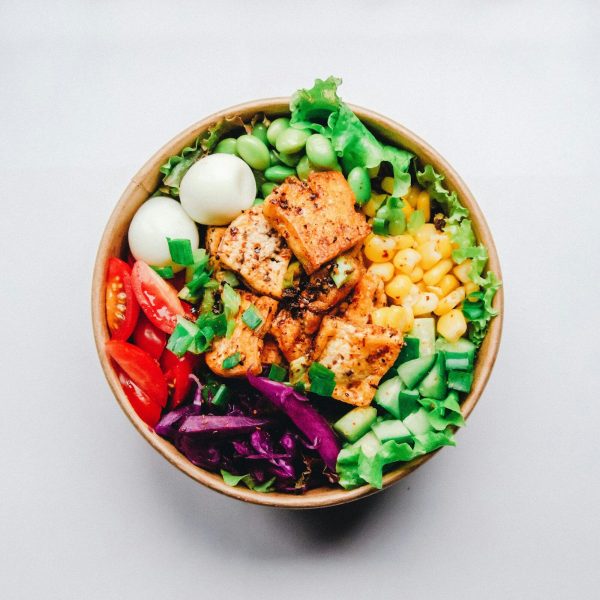
- Lunch: Light & Clear. Avoid heavy, greasy foods that generate internal heat. Opt for a clear vegetable broth with leafy greens and tofu, a cold soba noodle salad with a sesame-ginger dressing, or a large salad with cooling ingredients like cucumber, bean sprouts, and mint.
The Evening: Savoring the Long Light
This is where summer slow living truly shines. The golden hour is your playground.
- The “Unstructured Walk.” After dinner, walk for 20-30 minutes with no destination and no podcast. The goal is to notice: the smell of jasmine, the sound of children playing, the changing colors of the sky. This is moving meditation in its simplest form.
- Front Porch Living. Bring your evening activity outside. Read a physical book on your porch, balcony, or in a park. Write in a journal by hand. Have a face-to-face conversation. The key is to be in the lingering light, not under artificial blue light.
- Wind-Down Elixir. An hour before bed, prepare a calming, slightly sweet tea. My go-to is a “Heart-Soothing” tea: 1 tsp dried chrysanthemum flowers, 2-3 dried longan fruits, and 3 goji berries steeped in hot water for 5 minutes. Chrysanthemum cools “Heart Fire,” longan nourishes heart blood, and goji berries support yin. It’s a gentle signal to your body that the day’s expansive energy is coming to a close.

The Summer Slow Living Kitchen: Foods That Cool & Nourish
Your plate is your most powerful tool for regulating summer’s heat. In TCM, foods have thermal natures. Summer calls for an increase in “cooling” and “neutral” foods that clear heat, generate fluids, and calm the spirit.
| Food Category | Specific Examples | Summer Benefit & Simple Use |
|---|---|---|
| Cooling Fruits | Watermelon, Pear, Apple, Grapefruit, Cantaloupe | Clear heat, hydrate. Eat a 1-inch cube of watermelon as a mid-afternoon snack, or add pear slices to water. |
| Greens & Sprouts | Cucumber, Bitter Melon, Mung Bean Sprouts, Lettuce, Celery | Highly cooling. Add a side of sliced cucumber with rice vinegar and sesame oil to any lunch. |
| Hydrating Veggies | Zucchini, Summer Squash, Daikon Radish, Tomato | Generate fluids. Make a simple cold summer soup: blend 2 peeled tomatoes, ½ cucumber, ¼ cup basil, and a splash of olive oil. |
| Light Proteins | Tofu, Tempeh, Cod, Scallops, Mung Beans | Nourish without taxing digestion. Steam a fillet of cod with ginger and scallions for a light dinner. |
| Herbs & Teas | Mint, Chrysanthemum, Lemongrass, Hawthorn Berry, Green Tea | Clear heat, calm the mind. Brew 1 tsp chrysanthemum and 2 slices of hawthorn in 2 cups of water for a daily iced tea. |
A word on bitter melon (kǔ guā): it’s a summer staple in Chinese households for a reason. Its bitter taste directly “drains” Heart Fire and summer heat. If you’re new to it, try slicing it thinly, salting it for 10 minutes to draw out bitterness, then stir-frying it with egg and fermented black beans. It’s an acquired taste, but a powerful one.
Movement in the Heat: From Doing to Being
Summer movement is not about high-intensity interval training at noon. It’s about moving with the element—fluidly, joyfully, and without strain.
- Shift Your Workout Time. Move vigorous activity to the cooler margins of the day: before 8 am or after 7 pm. A 30-minute brisk walk, a gentle bike ride, or a swim are perfect.
- Embrace “Water” Practices. Water is the element that balances Fire. Swimming is the ultimate summer exercise. If you can’t swim, practice gentle, flowing tai chi or qigong near a body of water (a lake, fountain, or even a bowl of water on your patio). Focus on movements that mimic waves—smooth, continuous, without sharp edges.
- The 5-Minute Cool-Down. After any activity, sit or stand quietly for 5 minutes. Place your left hand over your heart and your right hand over your lower abdomen (the dantian). Breathe deeply, imagining you are drawing cool, blue energy from the earth up through your feet, and releasing any excess heat from your heart down into the ground. This simple visualization helps rebalance Fire energy.
Common Questions
Isn’t this just being lazy? I have responsibilities.
Summer slow living is not about abandoning responsibility; it’s about re-prioritizing your energy. It’s strategic. By aligning your peak activity with the cooler hours and honoring a midday pause, you actually become more focused and efficient during your working hours. It’s working with your body’s natural summer rhythm, not against it. Think of it as “efficiency through rhythm,” not “productivity through force.”
I live in a city with no access to nature. How do I practice this?
Urban summer slow living is about creating micro-sanctuaries. It could be a single potted plant on your fire escape that you tend to each morning. It could be the 20-minute “Pavilion Pause” by an open window with a view of the sky. It’s about the quality of attention, not the grandeur of the setting. A park bench, a courtyard, or even a quiet corner of your apartment with good natural light can become your personal pavilion.
What if I hate the heat and get irritable?
Your irritability is a clear sign of “Heart Fire,” which is exactly what this practice aims to soothe. Double down on the cooling foods (especially bitter melon, cucumber, and mung beans), the Heart-Soothing evening tea, and the midday pause. Avoid iced drinks, which TCM believes can shock the system and trap heat inside; opt for room temperature or slightly cool beverages instead. The slowness itself is a balm—irritability often comes from feeling rushed and overheated. Giving yourself permission to move slowly is the first step to cooling down.
The bottom line: Summer slow living is the conscious choice to live in harmony with the season of fire and fullness. It means embracing the Xia Man principle—allowing your life to ripen without force—through specific rituals: waking with the light, pausing at midday, savoring the long evenings, eating cooling foods, and moving fluidly. It’s not a retreat from life, but a deeper engagement with its most vibrant, expansive rhythm. By doing less, you experience more. By slowing down, you finally have time to feel the summer within you.
This article is for educational purposes and reflects traditional wellness perspectives. It is not a substitute for professional medical advice, diagnosis, or treatment.