There is a particular kind of pressure that arrives with the summer solstice. The days stretch long, the light is golden, and suddenly every weekend feels like it must be filled with a barbecue, a hike, a festival, or a road trip. We rush to “enjoy” the season, cramming our calendars with activity, only to find ourselves feeling strangely depleted by August. But what if I told you that the traditional wisdom of the East suggests we have it completely backward? What if summer isn’t the time for frantic doing, but for intentional being? Welcome to the practice of summer slow living—a counterintuitive approach that honors the season’s true energy and, in doing so, restores your own.
The Fire Element and the Art of Restful Activity
In Traditional Chinese Medicine (TCM), summer is the season of the Fire element. Fire is associated with the heart, joy, expansion, and maximum yang energy. Think of it like the sun at its zenith—bright, hot, and outwardly radiating. The natural response for our bodies, according to this model, isn’t to meet this outward energy with even more outward exertion. That’s a recipe for burnout. Instead, the wisdom is to cultivate a state of “restful activity.”
I remember my grandmother, even in the hottest Shanghai summers, never seemed hurried. She’d spend mornings watering her small balcony garden of chrysanthemums and jasmine, then sit for an hour drinking tea in the shade. “The heart needs space to be happy,” she’d say. “Too much noise drowns out the joy.” This is the essence of summer slow living: engaging with the world’s vibrancy from a place of inner calm, not frantic energy. You’re not hibernating; you’re aligning. You’re savoring a peach slowly instead of eating it on the run. You’re taking a leisurely evening walk as the heat breaks, not sprinting to a gym class.
The key concept here is Yang within Yin. Even in the peak of yang (summer), we must cultivate a pocket of yin (coolness, rest, receptivity). This isn’t about laziness; it’s about strategic conservation. It’s the difference between a forest fire (destructive, out-of-control yang) and a well-tended hearth fire (warm, nurturing, and sustainable). Your summer slow living practice is about tending your inner hearth.
The 3-3-3 Rule: A Simple Framework for Slowing Down
Okay, but what does this actually look like when your boss is emailing and your kids are home from school? This is where a simple, memorable framework helps. I call it the 3-3-3 Rule for summer days. It’s not a rigid schedule, but a gentle scaffolding to support a slower pace.
- 3 Nourishing Anchors: Start your day with a glass of room-temperature water with a squeeze of lemon. Eat one meal that features a cooling food like cucumber, watermelon, or mung beans. End your day with 10 minutes of quiet—no screens, just sitting or gentle stretching.
- 3 “Savoring” Moments: Choose three small daily activities to do with full attention. It could be brewing your morning tea (feel the heat of the mug, smell the leaves), washing dishes (feel the water, hear the sounds), or watering plants. The activity doesn’t matter; the mindful presence does.
- 3 “No” Decisions: To create space for being, you must guard your time. Practice saying “no” or “not now” to three things each week that feel like obligations rather than genuine joys. It could be a social event you’re dreading, an extra project, or even the pressure to attend every summer party.
This framework works because it’s specific and finite. You’re not overhauling your life; you’re inserting intentional pauses. The 3 nourishing anchors support your body’s physical needs in the heat, the 3 savoring moments train your attention, and the 3 “no” decisions protect your energy. After a week, you’ll notice the cumulative effect: a quieter mind and more energy for what truly matters.
The Summer Pantry: Cooling Foods for Internal Harmony
One of the most direct ways to practice summer slow living is through your kitchen. TCM classifies foods by their thermal nature. In summer, we need to balance external heat with foods that have a cooling, hydrating, and calming effect on the body’s internal environment. This isn’t about ice cream and iced coffee (which can actually create internal dampness and stagnation). It’s about foods that gently clear heat and generate fluids.
My grandfather was a firm believer in “food as medicine.” Every summer, without fail, a large pot of mung bean soup (绿豆汤) would appear in our fridge. Mung beans are a premier cooling food in TCM, known to clear heat and detoxify. He’d simmer them with a bit of rock sugar (冰糖) for 40 minutes until just soft, sometimes adding a handful of barley for extra dampness-draining power. We’d drink it cool (not ice-cold) on sweltering afternoons. It was our air conditioning from the inside out.
Here’s a quick guide to building your summer slow living pantry:
| Cooling & Hydrating Foods | How to Use Them (Specifically) |
|---|---|
| Watermelon | Eat a cup after being outside. The white rind part can be stir-fried with a bit of ginger for a cooling, waste-reducing dish. |
| Cucumber | Slice and soak in a pitcher of water with mint for 1 hour. Drink throughout the day. |
| Mung Beans | Simmer ½ cup dried beans with 6 cups water and 1 tbsp rock sugar for 40 mins. Cool and drink 1 cup daily. |
| Lotus Root | Buy pre-sliced frozen or fresh. Simmer in a light vegetable or chicken broth with a few goji berries for 20 mins for a nourishing soup. |
| Barley | Toast ¼ cup in a dry pan until fragrant, then simmer with water for 1 hour. Strain and drink the water for gentle dampness-clearing. |
| Green Tea | Brew at 175°F (80°C) for 2-3 minutes. Let it cool to room temperature. Sip 1-2 cups in the morning. Avoid after 2 PM. |
The goal isn’t to eat only cooling foods, but to incorporate them thoughtfully to counterbalance the season’s heat and your activity level. It’s a conversation with your body.

Designing Your Slow Summer Day: From Sunrise to Sunset
A slow summer day isn’t about having nothing to do; it’s about doing things with rhythm and intention. Here’s a sample flow you can adapt, inspired by the natural energy cycles.
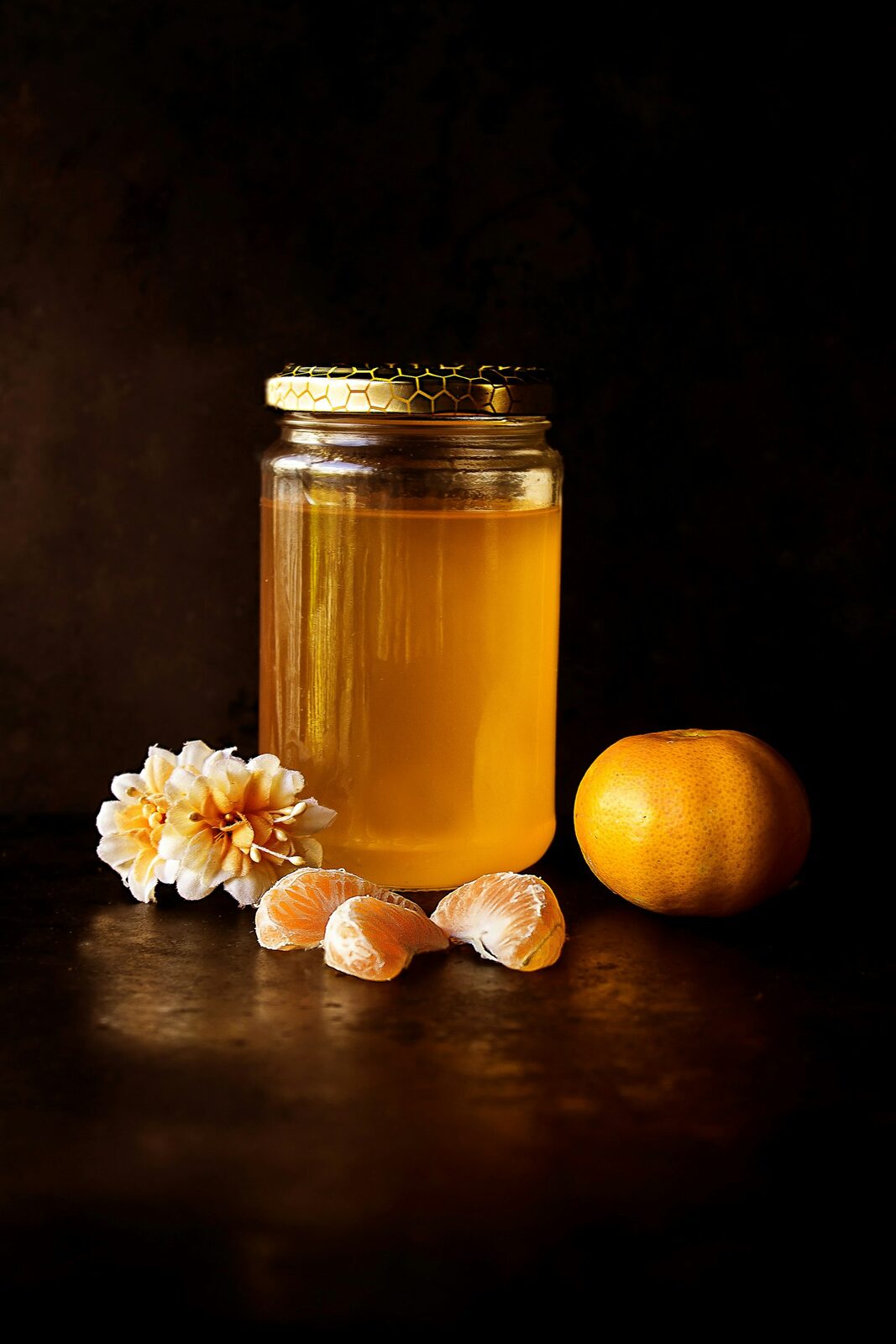
Morning (6:00 AM – 10:00 AM): The Gentle Rise. This is a beautiful, relatively cool time. Rise with or before the sun if you can. Your morning practice should be gentle: 5 minutes of stretching (think cat-cow stretches or gentle tai chi-inspired arm movements), followed by your room-temperature lemon water. Avoid immediately checking your phone. Let your first input be sensory—the birds outside, the feeling of your feet on the floor. Have a simple breakfast: perhaps congee (rice porridge) with a few slices of ginger and a drizzle of honey, or oatmeal with cooling pear.
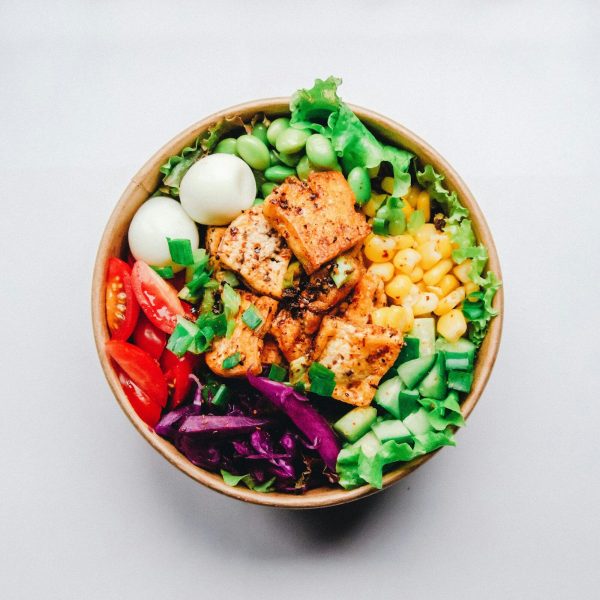
Midday (11:00 AM – 3:00 PM): The Yin Pause. This is the peak yang time. In traditional agrarian cultures, this was the time for rest, not labor. If your schedule allows, take a true break. Eat a lighter lunch—maybe a salad with tofu, cucumber, and a sesame dressing. If you can, take a 20-minute nap or lie down with your feet up. If napping isn’t possible, practice “horizontal rest” for 10 minutes: lie on your back on the floor, knees bent, feet flat, and simply breathe. This is profoundly restorative for the nervous system.
Late Afternoon/Evening (5:00 PM – 9:00 PM): The Social Season. As the heat wanes, energy rises again. This is the time for connection—leisurely walks, light gardening, or preparing a meal with family or friends. Cook something simple and communal, like a stir-fry with summer vegetables (zucchini, bell peppers, snap peas) served over brown rice. Eat slowly, without screens. The evening is for gentle wind-down: a short walk after dinner, reading a physical book, or listening to calming music.
This structure honors the Fire element’s social, joyful nature while building in the necessary yin pauses. It turns “doing less” into a fulfilling way of “being more.”
“Nature does not hurry, yet everything is accomplished.” — Lao Tzu
Beyond the Beach: Finding Joy in the Ordinary
We often associate summer joy with grand, photogenic moments. But summer slow living asks us to find the extraordinary in the ordinary. The joy isn’t just in the sunset over the ocean; it’s in the way evening light filters through your kitchen window as you wash dishes. It’s not just in the exotic vacation; it’s in the cool relief of stepping into a shaded park on your lunch break.
This shift in perspective is key. It’s a practice of micro-savoring. Instead of a two-week vacation, you create 5-minute vacations throughout your day. Here are a few ideas:
- The 5-Minute “Porch Sit”: Brew a cup of barley tea (麦茶) or chrysanthemum tea. Take it outside—your porch, balcony, or even a bench. Don’t bring your phone. Just sip and observe. Watch the clouds, listen to the neighborhood sounds. This is a direct lesson in contentment.
- The “Barefoot Moment”: When you get home, kick off your shoes and stand barefoot on grass, soil, or even cool tile for 2 minutes. Feel the connection to the earth. In TCM, this helps draw excess heat downward, a practice called “earthing.”
- The “Sunset Alarm”: Set a phone alarm for 15 minutes before sunset. When it goes off, stop what you’re doing and go watch the colors change. No photos needed. Just be present for the daily spectacle.
These micro-practices cost nothing, take no time, and are available to everyone. They rewire your brain to associate summer with calm presence, not just activity.
Common Questions
Isn’t this just being lazy? I have responsibilities.
Not at all. Think of it as strategic efficiency. A rested, calm mind makes better decisions, works more effectively, and has more patience. The 3-3-3 rule isn’t about shirking duty; it’s about protecting your energy so you can fulfill your duties without resentment or exhaustion. It’s the difference between running a marathon at a sprint pace (and collapsing) versus a sustainable pace (and finishing strong). You’re investing in your long-term capacity for joy and productivity.
What if I hate the heat? How do I enjoy summer?
Summer slow living is actually perfect for heat-averse people! It gives you permission to embrace the shade, the early morning, and the late evening. You’re not required to love midday sun. Your practice can be a cool, dark room with a fan, a bowl of chilled mung bean soup, and a good book. The “being” can be internal and cool. The joy can come from the quietness of a neighborhood when everyone else is hiding from the heat. Your summer doesn’t have to look like an Instagram post; it has to feel true to you.
Can I still exercise and be active in summer?
Absolutely! The key is to adapt your movement to the season. Shift intense exercise to the cooler mornings or evenings. Instead of hot, vigorous workouts, incorporate more yin-style movement. Think: swimming (the ultimate cooling exercise), a gentle yoga class, a long walk in nature at dusk, or practicing qigong in a park. The goal is to move in a way that generates energy and calm, not depletion and overheating. If you feel drained or agitated after your workout in summer, it’s a sign to adjust.
The bottom line: Summer slow living is not about deprivation or doing nothing. It’s a conscious, joyful realignment with the season’s true nature. By incorporating cooling foods, designing your day with rhythm, and practicing micro-savoring, you trade frantic activity for deep presence. You honor the Fire element by letting its joy arise from a place of inner stillness, not external noise. You learn that the richest summer memories often come not from the loudest adventures, but from the quietest moments of simply being.
This article is for educational purposes and reflects traditional wellness perspectives. It is not a substitute for professional medical advice, diagnosis, or treatment.