When the summer sun beats down and the air thickens with humidity, our first instinct is often to reach for something cold. We crave iced drinks, frozen treats, and chilled salads. It feels logical, right? Fight fire with ice. But if you’ve ever noticed that a giant iced coffee on a scorching day sometimes leaves you feeling more sluggish than refreshed, or that a cold smoothie can create a strange, bloated heaviness in your stomach, you’ve brushed up against a piece of ancient wisdom. Traditional Chinese Medicine (TCM) has a different, and arguably more effective, strategy for beating the heat. It’s not about adding cold; it’s about adding sour.
The Summer Paradox: Why Your Body Craves What It Doesn’t Need
In TCM, summer is the season of the Fire element. It’s a time of maximum Yang energy—expansive, hot, and outward-moving. Think of a plant at the peak of its growth, stretching its leaves and flowers wide open to the sun. Our bodies mirror this. Our energy (Qi) rises to the surface, our pores open to sweat and cool us down, and our internal “furnace” is working at full blast.
Here’s the paradox: while this external heat is intense, our internal digestion can actually become weaker. TCM calls the digestive system the “Spleen and Stomach,” and it functions best with warmth. Imagine a campfire. If you throw a bucket of ice water on it (like an icy drink or a heavy, cold meal), the flames sputter and struggle to burn the fuel. You get smoke (bloating, indigestion) instead of clean heat. This is why a huge iced salad for lunch on a 95°F day can leave you feeling foggy and tired by 3 PM. Your body has to expend extra energy just to warm up and digest that cold food.
This is where the sour taste enters the stage, not as a fire extinguisher, but as a clever regulator.
The Sour Taste: TCM’s Built-In Air Conditioner
In the Five Flavors theory of TCM (Sour, Bitter, Sweet, Pungent, Salty), each taste has a directional energy and a specific organ affinity. The sour taste is associated with the Wood element and the Liver system. Its primary action is contracting and astringent.
Think of it like this: In the summer, your Qi and body fluids are naturally trying to expand outward (sweat, perspiration). If this goes unchecked, we can literally “leak” too much energy and fluids, leading to summer fatigue, excessive sweating, and feeling drained. The sour taste gently pulls this energy and fluid inward and downward. It helps consolidate, conserve, and prevent unnecessary loss.
“In summer, supplement the Heart with bitter flavors and drain it with salty. But to contract and consolidate the Qi, use the sour flavor.” — The Yellow Emperor’s Classic of Internal Medicine (Huangdi Neijing)
This is the core concept: Summer eating in TCM isn’t about cooling down; it’s about containing and preserving. Sour foods help your body hold onto its precious Yin fluids and prevent Qi from scattering in the heat. They act like a gentle internal astringent, tightening up what’s become too loose and open.
Beyond Lemonade: The Sour Foods TCM Swears By
When we think “sour” in the West, we often jump straight to lemons, limes, and vinegar. Those are great, but TCM’s pantry is broader and more nuanced. The key is that these foods are sour in nature, not just in taste, and they are often prepared in specific ways to enhance their cooling and fluid-generating properties.
My grandmother had a large ceramic crock on our kitchen counter that she’d refill every summer. It wasn’t kombucha; it was her famous Smoked Plum Drink (Suan Mei Tang). She’d simmer dark, wrinkled Chinese smoked plums (wu mei) with dried sour hawthorn berries (shan zha), licorice root (gan cao), and a touch of osmanthus flower for fragrance. After straining, she’d chill it just slightly. That drink was magic. It simultaneously quenched thirst, stimulated digestion (the hawthorn and plum combo is legendary for helping with summer food stagnation), and left you feeling cooled from the inside out without shocking your system.
Here’s a practical guide to incorporating sour foods this summer, moving beyond the obvious:
- Fresh Sour Fruits: Green plums (not fully ripe), unripe apricots, crab apples, sour cherries, kiwifruit, and pineapple. Eat them fresh, in moderation, and ideally at room temperature or slightly cool—not ice-cold from the fridge.
- Vinegars: Chinese black vinegar (Chinkiang) is phenomenal in summer. A tablespoon in a dipping sauce for dumplings, or drizzled over steamed fish or cucumber salad, adds a complex, malic sour that aids digestion. Apple cider vinegar is also excellent; try 1 teaspoon in a glass of room-temperature water first thing in the morning.
- Fermented Foods: Sauerkraut, kimchi, and pickled vegetables (like Japanese umeboshi plums) are sour from fermentation. They support gut health, which is crucial in summer when food safety is a concern and digestion is vulnerable. Add a forkful of sauerkraut to your lunch plate.
- Herbal Teas & Decoctions: This is where TCM shines. Beyond the smoked plum drink, consider:
- Hibiscus Tea (Luo Shen Hua): Deep red, tart, and rich in vitamin C. Steep 5-6 dried flowers in hot water for 10 minutes. It’s profoundly cooling.
- Schisandra Berry Tea (Wu Wei Zi): The “five-flavor berry” (sour, sweet, bitter, salty, pungent) is a premier adaptogen. Simmer 10-12 dried berries for 15 minutes. It astringes Qi and fluids while calming the spirit.
- Green Tea with a Twist: Steep your favorite green tea (cooling and bitter), then add a slice of lemon or a few dried hawthorn berries to the pot.
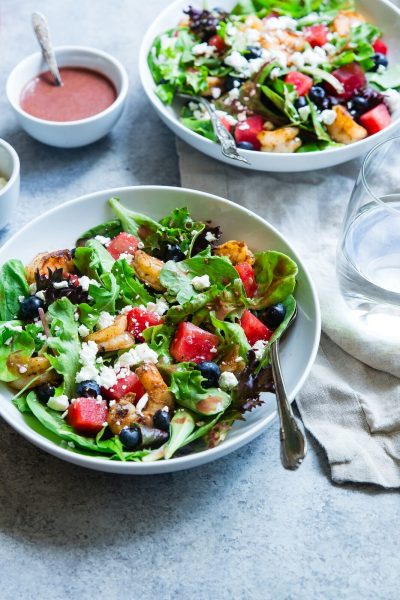
- Sour in Savory Dishes: Use sour ingredients to balance heavy or greasy summer foods. A squeeze of lime over grilled fish, a vinegar-based dressing for a potato salad, or a tamarind-based sauce for summer rolls are perfect examples.
A Practical Summer Day with Sour: Menus and Timing
Theory is great, but how do you actually do it? Here’s a sample day integrating sour foods for balance and vitality.
Upon Waking (7:00 AM): A glass of room-temperature water with 1 tsp of raw, unfiltered apple cider vinegar and a tiny drizzle of honey. This gently stimulates the Liver Qi and prepares the digestive system.
Breakfast (8:00 AM): A bowl of congee (rice porridge) or oatmeal topped with a few fresh sour cherries or a tablespoon of unsweetened cranberries. The sour fruit cuts through the sweetness of the grain beautifully.
Lunch (12:30 PM): This is a key meal. Avoid huge, ice-cold salads. Instead, try a grain bowl with grilled chicken or tofu, plenty of steamed or lightly sautéed vegetables (like bok choy, zucchini, snap peas), and a dressing made with 2 parts sesame oil, 1 part Chinese black vinegar, a splash of tamari, and a grated garlic clove. The vinegar dressing will make the meal digestible and refreshing.
Afternoon Refresher (3:30 PM): This is when the heat peaks and fatigue can hit. Skip the sugary iced latte. Instead, brew a pot of hibiscus tea or your grandmother’s (or now your) Smoked Plum Drink. Keep it in a thermos and sip it at room temperature. The sourness will cut through the thirst more effectively than plain water.
Dinner (6:30 PM): Lighter than lunch. Think steamed fish with ginger and a drizzle of black vinegar, a side of pickled cucumbers (sliced cucumbers, rice vinegar, pinch of sugar and salt, let sit 30 minutes), and a simple miso soup. The fermented miso (salty/sour) is excellent for replenishing fluids and minerals lost through sweat.

The Yin-Yang Balance: Sour’s Supporting Cast
No food is an island in TCM. The sour taste works best when balanced with its counterparts. Summer also has an affinity for the bitter taste (Fire element), which clears heat and drains dampness. Think bitter melon, dandelion greens, arugula, and green tea. A perfect summer meal might pair the sour of a vinegar dressing with the bitter of arugula.
The sweet taste (Earth element) is also important for nourishing the digestive Qi that gets weakened by summer heat. But this is natural sweetness from foods like sweet potato, pumpkin, dates, and rice—not processed sugar. A classic TCM summer congee might include a few red dates (hong zao) for sweet nourishment alongside a sour plum topping.
The goal is a gentle predominance of sour and bitter flavors, with supportive sweet, balanced by minimal salty, and careful use of pungent (like ginger or a pinch of chili) to disperse any stagnation that cold foods might create.
When Sour Becomes Too Sour: A Word of Caution
Like anything in TCM, balance is key. Overdoing sour foods can over-contract, leading to stiffness in the muscles (the Liver controls tendons) or digestive issues for those with very weak digestion. If you have severe acid reflux, ulcers, or are prone to stomach acid issues, introduce sour foods slowly and in diluted forms (like a weak vinegar water).
A good rule of thumb: Listen to your body. If a sour drink makes your mouth pucker uncomfortably, it’s too strong. If a meal heavy in pickles leaves you feeling tight or bloated, pull back. The goal is a pleasant, thirst-quenching tartness that makes you say “ahhh,” not a face-scrunching pucker that makes you gag.
Also, be mindful of your teeth. Rinse your mouth with plain water after consuming acidic foods and drinks, and wait 30 minutes before brushing to avoid enamel erosion.
Common Questions
Isn’t citrus fruit cooling? I thought TCM says to avoid “cold” natured foods in summer.
This is a great and common point of confusion! In TCM, every food has a thermal nature (hot, warm, neutral, cool, cold) and a flavor. Lemons and limes are cool in nature and sour in flavor. They are actually perfect for summer precisely because their cooling nature helps clear heat, while their sour flavor astringes fluids. The key is preparation. Drinking ice-cold lemon water shocks the system. Sipping room-temperature lemon water or using lemon juice in a dressing is ideal. The caution in TCM is against foods that are both cold in nature and consumed at icy temperatures—that’s the double whammy that weakens digestion.
Can I just take a vitamin C supplement instead of eating sour foods?
You could, but you’d be missing the point. TCM is about the holistic action of whole foods. The sour taste isn’t just about vitamin C (though that’s a great bonus). It’s about the food’s energy, its effect on Qi movement, and its synergy with other components. A hawthorn berry contains compounds that specifically aid digestion in a way a vitamin C tablet does not. A fermented pickle offers probiotics for gut health. The experiential act of tasting something sour also sends direct signals to your body to produce fluids and regulate. Supplements have their place, but they don’t replace the intelligent design of real food.
My kid hates anything sour. How can I incorporate this for them?
Start gently! Instead of straight sour, aim for sweet-sour blends. Make a “summer lemonade” with far less sugar than usual, using honey or a touch of agave. Blend fresh pineapple or strawberries (sweet) with a few kiwi slices (sour) into a smoothie—use yogurt instead of milk to add a fermented tang. Make homemade popsicles with diluted cranberry or pomegranate juice (which are tart) mixed with mashed banana or applesauce for sweetness. You can also use sour dips: a yogurt dip with a squeeze of lemon for fruit skewers, or a mild tamarind sauce for chicken strips. It’s about introducing the flavor profile in a friendly, accessible way.
The bottom line: This summer, instead of waging war on the heat with endless ice, try partnering with it. Embrace the ancient, counterintuitive wisdom of the sour taste. By incorporating sour foods like hibiscus tea, smoked plum drink, black vinegar, and fermented pickles into your diet, you help your body conserve energy, retain fluids, and digest more efficiently. It’s not about adding cold; it’s about adding containment, balance, and a refreshing depth of flavor that plain water can never match.
This article is for educational purposes and reflects traditional wellness perspectives. It is not a substitute for professional medical advice, diagnosis, or treatment.