When the July sun beats down and the air feels thick enough to swim through, the last thing most of us want to do is reach for the pepper grinder. Our instinct screams for ice cream, chilled watermelon, and anything straight from the refrigerator. It’s a logical reaction: if your body is hot, you should cool it down, right? But if you’ve ever stepped into a bustling kitchen in Chongqing during a heatwave, or watched a street vendor in Hanoi prepare a steaming bowl of pho on a sweltering afternoon, you’ll notice something strange. The air is thick with the scent of black pepper. It seems counterintuitive, almost reckless. Yet, for centuries, traditional wellness systems have understood a profound secret that modern science is only now beginning to validate: the most effective way to cool a system from the inside out is often to gently warm it.
The Paradox of Warming Spices in Hot Weather
From a purely physical standpoint, adding a warming element like black pepper to your summer diet seems like pouring gasoline on a fire. Your body is already trying to dissipate heat. But Traditional Chinese Medicine (TCM) doesn’t look at the body as a simple thermostat. It sees it as a dynamic, living ecosystem where balance is everything. The key concept here is external temperature versus internal environment.
Think of your body like a house on a hot day. If you just blast the air conditioning (the “cooling” approach), you create a sharp, artificial contrast between the inside and the outside. You might feel immediate relief, but you’re also forcing your body to work hard to maintain that cold interior against the oppressive heat. This can strain your system, making you feel lethargic and disconnected.
The other approach is to open the windows, create a gentle breeze, and allow for air circulation. This is what warming spices do. They don’t turn your body into a furnace. Instead, they gently stimulate your internal circulation—what we call Qi—and help your body’s natural cooling mechanisms work more efficiently.
“In summer, we eat like kings at breakfast, like princes at lunch, and like poor men at dinner. We also favor pungent, warming flavors in the morning to open the pores and support the yang qi as it rises with the sun.”
Black pepper (Piper nigrum), known as hú jiāo in Chinese, is a prime example. Its warming, pungent nature isn’t about raising your core temperature. It’s about promoting movement. When circulation improves, your body can more effectively transport heat from your core to your skin’s surface, where it can be released through sweat and evaporation—the body’s true air conditioning system. A stagnant system feels hotter and more oppressive. A moving system feels lighter and more adaptable.
Black Pepper’s Secret Superpower: Piperine
Beyond the wisdom of ancient traditions, modern science has uncovered a remarkable compound in black pepper called piperine. This is the molecule responsible for pepper’s characteristic sharp, biting taste, and it does far more than just stimulate your taste buds.
Piperine is a potent bioavailability enhancer. In simple terms, it helps your body absorb and utilize other nutrients more effectively. One famous study showed that piperine could increase the bioavailability of curcumin (the active compound in turmeric) by a staggering 2,000%. This is why you’ll always see black pepper and turmeric paired together in golden milk lattes and curry powders. The pepper acts as a key, unlocking the door for the turmeric to enter your system.
But its benefits don’t stop there. Piperine also has thermogenic properties, meaning it can gently increase your metabolic rate and energy expenditure. This subtle internal “spark” helps rev up your metabolism, which can actually make you feel more energized and less sluggish in the heat. It’s not about generating excess heat; it’s about activating your internal engine to run more cleanly and efficiently.
Furthermore, piperine has been studied for its potential to support digestive health by stimulating the secretion of hydrochloric acid in the stomach. Proper digestion is crucial in summer, when our digestive fire (digestive Qi) can become weakened by excessive cold drinks and raw foods. A sprinkle of black pepper can help stoke that fire gently, ensuring you actually break down and assimilate the nutrients from your food, rather than letting it sit and create stagnation.

The Cooling Effect: How Warming Creates Chill
Let’s get back to the core mystery. How does adding a “hot” spice lead to a cooling effect? The answer lies in the body’s elegant, self-regulating design.
When you consume a small amount of a pungent, warming food like black pepper, it creates a mild, localized stimulation. Your body’s intelligence interprets this as a signal to increase peripheral circulation. Blood vessels near the skin’s surface dilate slightly, allowing more warm blood to flow to the skin. This does two things:
- It promotes sweating: As warm blood reaches the skin, it heats the surface, triggering your sweat glands. Evaporation is an incredibly effective cooling process. A good, healthy sweat is one of the fastest ways to lower your body temperature.
- It releases trapped heat: In TCM, we talk about “Summer-Heat” (shu shi) as a pathogenic factor that can invade the body and get stuck, causing symptoms like heaviness, irritability, and nausea. By improving circulation to the surface, black pepper helps your body “vent” this trapped heat outwards.
My grandmother had a saying for this: “To cool the pot, first let the steam escape.” She never used ice in her tea during the hottest days. Instead, she’d brew a strong pot of oolong tea with three or four crushed black peppercorns and a thin slice of fresh ginger. We’d drink it slowly, and within minutes, a gentle, cleansing sweat would break out. It felt paradoxical, but the relief was undeniable. The oppressive, sticky feeling of the heat would lift, replaced by a sense of lightness and clarity.
This is the difference between fighting nature and working with it. Instead of using cold to suppress the heat, we use a gentle warmth to help the body move the heat out, restoring balance and comfort.
How to Use Black Pepper for Summer Wellness
Integrating black pepper into your summer routine is simple, and it doesn’t require you to eat fiery curries for every meal. The goal is gentle, consistent use to support circulation and digestion. Here are specific, actionable ways to do it:
The Morning Elixir: Start your day with a cup of warm (not boiling) water. Squeeze in the juice of half a lemon and add a pinch of freshly ground black pepper (about 1/8 teaspoon). This combination gently stimulates your digestive system, supports liver detoxification, and prepares your body to handle the day’s heat.
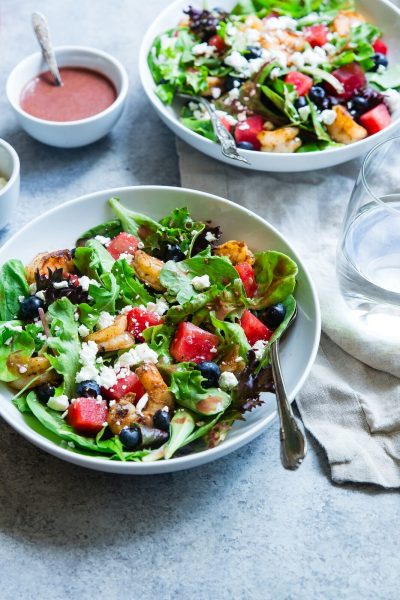
Salad Dressing Alchemy: Cold salads are a summer staple, but too much raw, cold food can weaken digestion. Balance your salads with a warming dressing. Whisk together 2 tablespoons of extra virgin olive oil, 1 tablespoon of lemon juice, 1/4 teaspoon of freshly ground black pepper, and a pinch of sea salt. The pepper not only adds flavor but helps your body process the raw vegetables more efficiently.
The Perfect Pairing: Always use black pepper with turmeric. Sprinkle 1/4 teaspoon of black pepper onto your scrambled eggs, roasted vegetables, or soups along with turmeric. This maximizes the anti-inflammatory and antioxidant benefits of both spices.
Grilled Summer Veggies: Before grilling zucchini, bell peppers, or eggplant, toss them in olive oil and season generously with sea salt and 1/2 teaspoon of coarsely ground black pepper. The heat of the grill will mellow the pepper’s bite while infusing the vegetables with its beneficial compounds.
| Summer Pepper Pairing | Why It Works | Simple Recipe Idea |
|---|---|---|
| Black Pepper + Watermelon | The sweet, cooling melon is balanced by the pepper’s warmth, enhancing the fruit’s flavor. | Fresh watermelon cubes with a sprinkle of flaky sea salt and finely ground black pepper. |
| Black Pepper + Cucumber | Cucumber is cool and damp; pepper adds warmth to prevent digestive sluggishness. | Sliced cucumber with rice vinegar, sesame oil, and a generous pinch of pepper. |
| Black Pepper + Mint | Mint is cooling and clearing; pepper adds a grounding, circulatory boost. | Brew fresh mint tea, let it cool slightly, and add a crack of black pepper. |
A Note on Quality and Quantity
Not all pepper is created equal. The pre-ground pepper dust in most shakers has been sitting on a shelf for months, if not years, and has lost much of its volatile essential oils and piperine potency.
For maximum benefit:
- Buy whole peppercorns and invest in a good pepper grinder. Grind it fresh just before use. The aroma alone will tell you the difference.
- Look for Tellicherry peppercorns from India’s Malabar Coast. They are larger, more complex in flavor, and generally higher in piperine content.
- Store them properly in an airtight container away from direct sunlight and heat.
As for quantity, we’re not talking about tablespoons. The therapeutic, circulatory benefits are achieved with small, consistent amounts—think 1/4 to 1/2 teaspoon spread across your daily meals. Overdoing it can lead to excessive internal heat or digestive irritation, which is the opposite of our goal. Listen to your body. If you feel any burning discomfort, scale back.
Beyond the Kitchen: Other Cooling Strategies
While black pepper is a fantastic tool, summer cooling is a holistic practice. Think of it as one instrument in a larger orchestra. For a truly balanced summer, pair your pepper use with these other time-tested strategies:
- Embrace Room Temperature Drinks: Ice-cold beverages constrict blood vessels in your stomach, halting digestion and trapping heat. Sip on room temperature water, or better yet, warm barley tea (mugicha) or roasted corn silk tea, both traditional cooling drinks in East Asia.
- Eat the “Cooling” Foods: Complement your warming spices with foods that have an inherently cool energy in TCM. These include watermelon, cucumber, mung beans, bitter melon, and leafy greens like bok choy.
- Timing is Everything: Eat your largest meal when your digestive fire is strongest—between 7 a.m. and 11 a.m. Keep dinner light and early. This prevents food stagnation, which generates internal heat.
- Move Gently: Avoid intense, sweat-drenching workouts during the hottest part of the day (11 a.m. – 3 p.m.). Opt for early morning or evening walks, gentle swimming, or a slow-paced yoga or tai chi session.
The principle is always the same: support your body’s natural rhythms and capacities, don’t overwhelm them.
Common Questions
Won’t black pepper give me heartburn in the summer?
For most people, in the small amounts recommended here (1/4 to 1/2 tsp daily), black pepper should not cause heartburn and can actually aid digestion. However, if you have a known sensitivity to spicy foods, active gastritis, or a stomach ulcer, it’s best to avoid it or consult with a healthcare provider. The key is moderation and listening to your body’s signals.
Can I just take a piperine supplement instead?
While piperine extracts are available, using the whole spice is superior for a few reasons. First, you get the synergistic effect of all the compounds in black pepper, not just one isolated molecule. Second, the ritual of preparing and tasting your food is a mindful practice in itself. Third, the amounts in food are gentle and food-safe. Supplements are highly concentrated and should be used with specific intent and guidance, not as a daily summer tonic.
I have a very “hot” constitution. Is this still for me?
In TCM, some individuals have a constitution that runs naturally warm or has excess internal heat (often indicated by a red tongue, feeling hot at night, or a quick temper). For you, black pepper should be used even more sparingly—perhaps just a tiny pinch a few times a week, heavily paired with cooling foods like cucumber or mint. Your primary cooling strategy should focus on bitter melon, chrysanthemum tea, and avoiding hot, greasy, and fried foods. The principle of balance is individual, so observe your body’s response closely.
The bottom line: The wisdom of using black pepper in summer is a powerful lesson in balance. It teaches us that cooling isn’t about shocking the system with ice, but about supporting the body’s innate ability to regulate itself. By adding a pinch of freshly ground black pepper to your morning water, salad dressings, and grilled vegetables, you’re not fighting the heat—you’re helping your body move through it with grace, promoting healthy circulation, improving digestion, and turning your own sweat into your most effective personal air conditioner. It’s a small, potent ritual that connects you to a centuries-old tradition of living in rhythm with the seasons.
This article is for educational purposes and reflects traditional wellness perspectives. It is not a substitute for professional medical advice, diagnosis, or treatment.