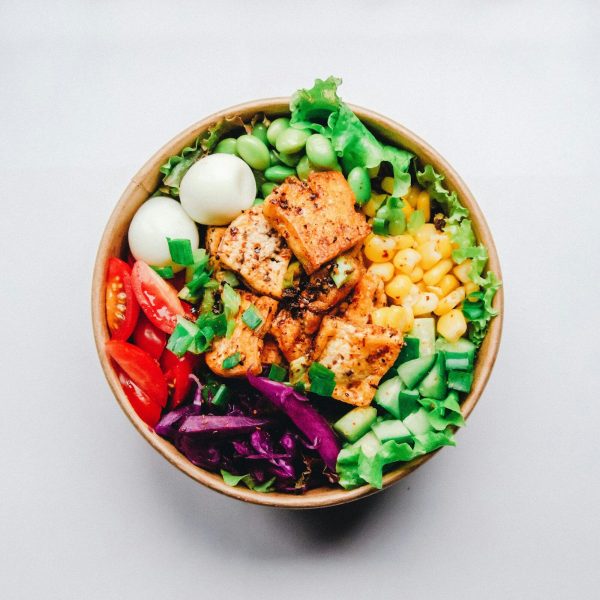
Summer has a funny way of making us feel like we’re failing. Everywhere we look, there are endless invitations: backyard barbecues, weekend road trips, berry picking excursions, late-night bonfires, and the unspoken pressure to make every single sun-drenched moment “count.” We pack our schedules with what should be fun, and by August, we’re more exhausted than we were in May. The irony is painful. In Traditional Chinese Medicine (TCM), summer is the season of the Fire element—a time for joy, connection, and expansion. But when Fire burns out of control, it leads to anxiety, restlessness, and burnout. The solution isn’t to hide indoors; it’s to learn the art of the “unbusy.” It’s about reclaiming your time through simple, intentional rituals that honor the season’s true energy, rather than scrambling to keep up with its manufactured pace.
- 1. The Dawn Walk: A 20-Minute Gift Before the World Wakes
- 2. The One-Pot, One-Hour Sunday Simmer
- 3. The 3 p.m. Shade Sit: Claiming the In-Between Hour
- 4. The Dusk Water Ritual: An Offering to the Evening
- 5. The 9 p.m. Digital Sunset: Letting Your Nervous System Cool
- 6. The Weekly “Yes” and “No” List: A Practical Tool for Reclaiming Time
- 7. The Mid-Summer Reset: A Half-Day of Structured Nothing
1. The Dawn Walk: A 20-Minute Gift Before the World Wakes
The most potent summer slow living ritual happens before most people have hit snooze. My grandmother, a woman who embodied stillness in motion, would rise before the sun even in the hottest months of our coastal Chinese city. She’d walk to the park, not for exercise, but for “receiving the morning dew” (接露水, jiē lùshuǐ). She believed the gentle, cool moisture of dawn held a pure, cleansing energy. The science aligns with her intuition: the air is cooler, humidity is often higher, and the world is quiet. This 20-minute walk isn’t about steps or heart rate. It’s a sensory ritual.
Actionable Ritual: Set your alarm for 20 minutes before your official wake-up time. Step outside within 5 minutes of waking—no phone, no coffee first. Walk slowly for just 10 minutes out and 10 minutes back. Focus on three things: the temperature of the air on your skin, the sound of birdsong or distant traffic (the world’s first sounds), and the quality of the light. Don’t try to “clear your mind.” Just observe. You are not starting your day; you are receiving it.
2. The One-Pot, One-Hour Sunday Simmer
Summer eating should feel abundant, not laborious. The ritual of the Sunday simmer is about creating nourishment for the week ahead with minimal daily effort. In my family, a giant clay pot of luo han guo (monk fruit) and barley tea would bubble away on the stove every Sunday morning. It’s cooling, slightly sweet, and helps clear summer “damp-heat.” The ritual is the process: the smell filling the kitchen, the gentle sound of the simmer, the act of pouring it into jars for the fridge. It’s a weekly anchor of care.
Actionable Ritual: Choose one Sunday this month. At 10 a.m., put one of these in a large pot: 12 cups of water, 1/4 cup dried barley, 1/4 cup dried Job’s tears (yi yi ren), 4-5 dried jujubes (hong zao, red dates), and 1/4 of a dried monk fruit (luo han guo), cracked open. Bring to a boil, then simmer, covered, for 1 hour. Strain and cool. Store in glass jars in the fridge. You now have a cooling, nourishing base for iced tea, smoothies, or soup stock all week. The hour spent is a gift to your future self.
3. The 3 p.m. Shade Sit: Claiming the In-Between Hour
The Chinese concept of wu xing (五行), or the Five Phases/Elements, teaches that mid-afternoon (3-5 p.m.) is governed by the Metal element, a time of contraction and clarity. In the blazing heat of summer, this is nature’s built-in pause button. Instead of fighting the slump with caffeine, honor it. This is the “shade sit.” It’s not a nap; it’s a conscious, seated rest in the coolest, shadiest spot you can find—a porch, a spot under a tree, even a cool basement corner.
Actionable Ritual: For 15 minutes between 3 and 4 p.m., sit in shade with a single purpose. Sip a room-temperature or cool (not ice-cold) beverage: chrysanthemum tea (ju hua cha), barley water, or simply water with a slice of cucumber and a sprig of mint. The goal is to lower your internal “fire” activity. Sit without a screen. You can watch the shadows move, listen to the cicadas, or simply feel the temperature difference on your skin. This small act of yielding to the afternoon heat is a profound form of summer slow living.
 herbal tea on a small table beside it – a perfect summer slow living ritual.”/>
4. The Dusk Water Ritual: An Offering to the Evening
As the sun’s power wanes, the Fire element begins to settle. This transition hour is sacred. In many Asian cultures, water is used symbolically to cool and purify. My aunt would place a bowl of fresh water with a single floating gardenia blossom on her doorstep at dusk. It wasn’t for decoration; it was an acknowledgement of the day’s heat and an invitation for cooler, calmer energies to enter the evening. This simple act creates a psychological and energetic boundary between the “doing” of day and the “being” of night.
Actionable Ritual: At sunset, perform a small water offering. It can be as simple as: 1) Filling a beautiful bowl with cool water and placing it on your kitchen table or porch. 2) Taking a cool (not cold) shower or bath, visualizing the day’s stress and heat washing away. 3) Sprinkling a few drops of cooling peppermint or eucalyptus essential oil on a cloth and wiping your neck and wrists. As you do it, consciously say (aloud or in your mind), “The day is complete. I welcome the cool of the evening.” The ritual is the intention.
5. The 9 p.m. Digital Sunset: Letting Your Nervous System Cool
Summer evenings are for lingering, not for scrolling. The blue light from screens is particularly disruptive in summer, as it tricks our brain into thinking the long, bright day is still raging, hindering the natural production of melatonin. A digital sunset is the practice of putting all screens away at a set time, just as you would draw the curtains. This creates space for true restorative rest, which is when the body does its deepest repair (what TCM calls nourishing our yin).
Actionable Ritual: Set a phone alarm for 9 p.m. labeled “Digital Sunset.” When it goes off, all devices go to charge in a designated room outside the bedroom. For the next 60-90 minutes, engage in analog summer pleasures: reading a physical book by lamplight, listening to music or a podcast (speaker, not headphones), gentle stretching, or talking with family. The goal is to let your nervous system register the natural dimming of light and begin its wind-down process. This is the single most effective summer slow living ritual for improving sleep and reducing next-day anxiety.
6. The Weekly “Yes” and “No” List: A Practical Tool for Reclaiming Time
This ritual moves from daily practice to weekly planning. The unbusy summer isn’t about saying no to everything; it’s about saying a resounding yes to the few things that truly matter, and a kind, firm no to the rest. The visual act of writing this down is powerful.
| This Week’s “Yes” (Max 2-3 Items) | This Week’s “No” (For Your Protection) |
|---|---|
| Friday sunset picnic with my partner at the lake. | Work happy hour on Thursday (I’ll be drained). |
| Saturday morning farmer’s market for peaches & basil. | The online shopping “flash sale” (creates decision fatigue). |
| Reading for 1 hour on Sunday afternoon. | Checking email after 7 p.m. any day. |
Actionable Ritual: Every Sunday evening, take 10 minutes to fill out this table. Use a real notebook. Be brutally honest about what drains you and what fills you. The “No” column is not negative; it is the protective boundary that makes your “Yes” items possible and joyful. Post it on your fridge. This practice turns slow living from a vague idea into a weekly blueprint.
“Nature does not hurry, yet everything is accomplished.” — Lao Tzu
7. The Mid-Summer Reset: A Half-Day of Structured Nothing
This is the master ritual, the one that ties all the others together. In the middle of summer (around the end of July), schedule a half-day of “structured nothing.” This is not a lazy day of Netflix; it’s a conscious, planned period of minimal input and maximum restoration. Think of it as a weekly simer (Ritual #2) for your entire being.
Actionable Ritual: Block off 4 hours on a weekend day. Inform your household. For that period: 1) No screens. 2) No chores. 3) No social obligations. Instead, create a menu of simple, nourishing activities: nap if you’re tired, read fiction, sit outside, do a simple 10-minute qigong flow (like Baduanjin), prepare and eat a simple meal like sliced tomatoes with mozzarella and basil, or water your plants. The goal is to listen to your body’s rhythms without the noise of the clock or your to-do list. This half-day recalibrates your internal sense of time.
Common Questions
Isn’t this just being lazy? I have responsibilities.
This is the most common concern, and it’s rooted in a misunderstanding of rest. Laziness is passive, often accompanied by guilt. The summer unbusy rituals are active and intentional. They are strategic pauses designed to increase your effectiveness and enjoyment during the times you are busy. A 20-minute dawn walk makes you more focused for the workday. A digital sunset improves your sleep, making you more productive tomorrow. It’s not about abandoning responsibility; it’s about managing your energy so you can meet your responsibilities without burning out. Think of it as sharpening the saw, not stopping the work.
What if my schedule is chaotic and I can’t do these every day?
Then you need these rituals even more. Start with one. The 9 p.m. Digital Sunset is the most impactful and requires the least time. Commit to it for just three days a week. Or, try the 3 p.m. Shade Sit for just 10 minutes. The power is in consistency, not perfection. Even adopting one of these rituals creates a pocket of predictability and calm in a chaotic schedule, which can then radiate outward. Don’t try to overhaul your summer; just plant one seed of slowness and watch what happens.
How is this different from regular self-care?
Modern “self-care” is often marketed as an activity you add to your schedule (a massage, a bath bomb, a yoga class), which can sometimes feel like another task. Summer slow living rituals are more about subtraction and context. They are about weaving a slower, more attentive way of being into the fabric of your existing day. The dawn walk replaces scrolling. The shade sit replaces a caffeine hit. The digital sunset replaces streaming. It’s less about adding a special treat and more about transforming the ordinary moments of your summer day into opportunities for restoration. It’s a shift in mindset from “doing self-care” to “living slowly.”
The bottom line: A truly nourishing summer isn’t measured by the number of activities you check off a list, but by the quality of presence you bring to the season’s simple gifts. The summer unbusy list—your dawn walks, shade sits, and digital sunsets—are not luxuries. They are the essential rituals that allow you to experience summer’s joy without the burnout, reclaiming your time one intentional moment at a time.
This article is for educational purposes and reflects traditional wellness perspectives. It is not a substitute for professional medical advice, diagnosis, or treatment.