When my cousin had her first baby in Shanghai, I expected the usual new-mom chaos — sleepless nights, baby bottles, a parade of visitors. Instead, I found her in a darkened room, wrapped in layers, drinking something that smelled like a forest floor. “Don’t open the window,” her mother whispered. “Don’t touch cold water. Don’t cry.” Welcome to zuoyuezi (坐月子) — the ancient Chinese practice of postpartum confinement that has survived for over two thousand years, baffled Western doctors, and sparked some of the fiercest cultural debates in modern Chinese families.
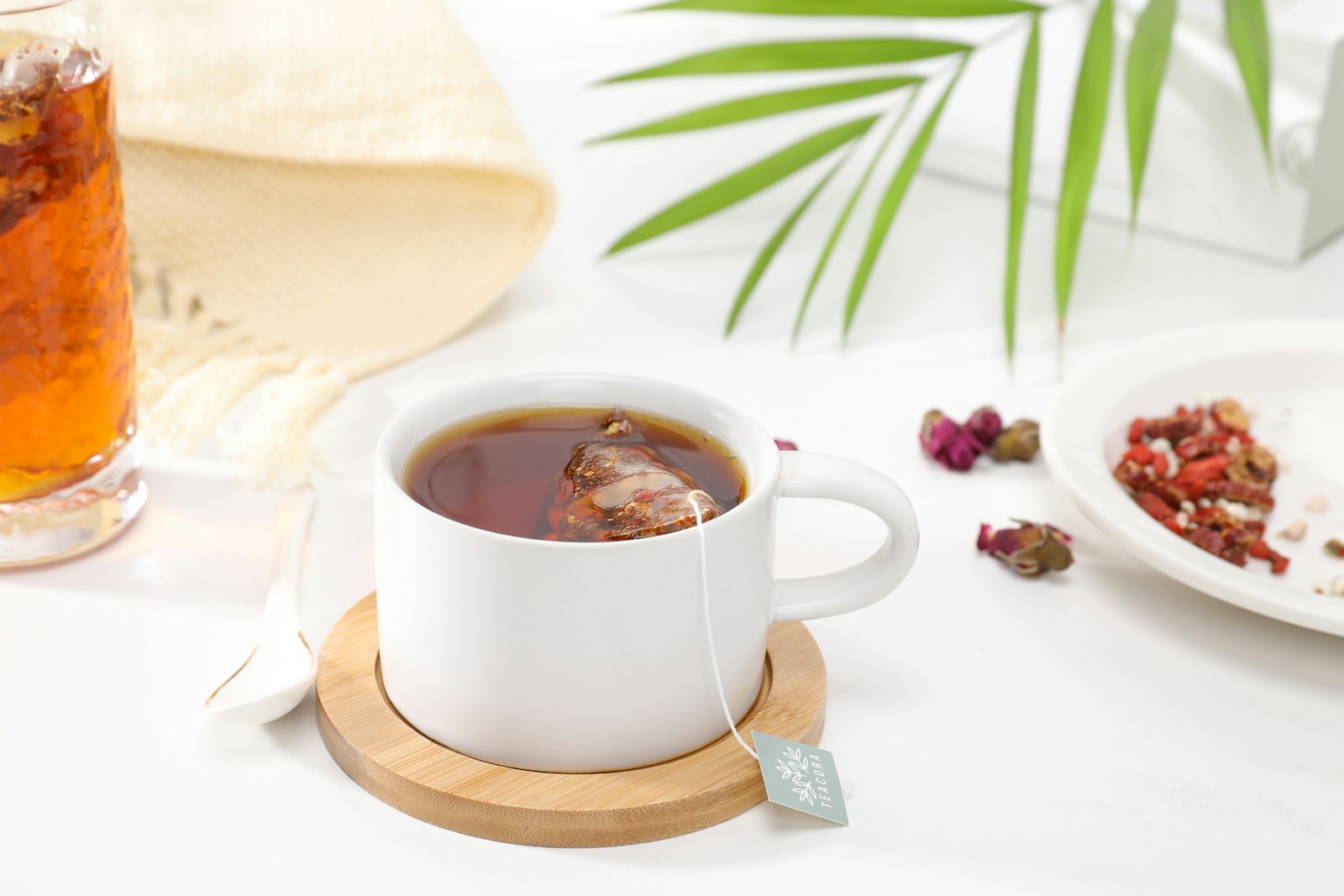 herbal tea preparation with dried herbs and warm ceramic cup, representing postpartum recovery rituals” loading=”lazy”/>
Whether you think it’s brilliant or bonkers, one thing is undeniable: Chinese women who observe zuoyuezi swear by it. And increasingly, Western researchers are starting to ask whether the tradition got something right that modern postpartum care missed entirely.
What Exactly Is Zuoyuezi?
Zuoyuezi (坐月子) literally translates to “sitting the month.” It’s a set of postpartum recovery practices that a new mother follows for approximately 30 to 40 days after giving birth. The goal is deceptively simple: restore what pregnancy and childbirth depleted.
In Chinese medicine, childbirth is understood as an enormous drain on a woman’s Qi (vital energy) and blood — the two substances that keep everything running. The body is left in a state of profound deficiency: cold where it should be warm, open where it should be sealed, empty where it should be full. Zuoyuezi is essentially a structured recovery protocol designed to close those gaps before they become chronic problems.
“In the West, you have a baby and go back to normal life in two weeks. In China, you have a baby and spend a month becoming a different person — someone whose body has been carefully rebuilt.”
The practice dates back to the Huangdi Neijing (Yellow Emperor’s Classic of Internal Medicine), compiled over 2,000 years ago. It’s not a folk superstition that appeared out of nowhere — it’s rooted in a sophisticated medical framework that views the postpartum body as fundamentally vulnerable and deserving of extraordinary care.
The Core Principles: Why “Doing Nothing” Is Actually Doing Everything
Western visitors often hear about zuoyuezi and fixate on the restrictions — the “don’ts.” But behind every rule is a coherent medical logic. Understanding the principles makes the practices make sense.
Principle 1: Warm the Womb
After birth, the uterus is essentially an open wound. In TCM, this means the body’s “inner warmth” — what practitioners call Yang Qi — has been severely weakened. Cold is the enemy. It contracts, stagnates, and blocks the flow of blood and Qi. Every zuoyuezi rule about avoiding cold traces back to this idea: keep the body warm so blood can flow freely and the uterus can heal.
Principle 2: Rebuild Blood
Pregnancy and delivery消耗 (consume) enormous amounts of blood. In TCM, blood isn’t just the red liquid in your veins — it’s a nourishing substance that moisturizes the skin, anchors the mind, and sustains organ function. Postpartum blood deficiency shows up as hair loss, dry skin, anxiety, poor memory, and fatigue. Zuoyuezi food is specifically designed to rebuild blood through diet.
Principle 3: Expel “Lochia” and Stagnation
The postpartum body needs to discharge residual blood and tissue (what Western medicine calls lochia). TCM views this as “expelling old blood” to make room for new. Certain warming foods and herbs are prescribed specifically to keep this process flowing — because stagnation leads to pain, infection, and long-term problems.
Principle 4: Protect the “Wind Gate”
This is the principle that confuses Westerners the most. After birth, the body’s pores are considered “open” — like a door that hasn’t closed properly. Wind (fēng, 风) in TCM isn’t just air movement; it’s a pathogenic force that enters through open pores and lodges in the joints, muscles, and meridians. This is why new mothers are told not to go outside, not to be in drafts, and not to expose their skin. It’s not superstition — it’s infection prevention described in pre-modern language.
| Zuoyuezi Rule | TCM Logic | Modern Parallel |
|---|---|---|
| No cold food or drinks | Cold contracts the uterus, blocks blood flow | Warmth promotes circulation and healing |
| No washing hair for 30 days | Wind enters through wet pores | Avoiding cold exposure when immune system is down |
| No going outside | External pathogens invade the open body | Reducing infection risk during recovery |
| No fans or air conditioning | Wind and cold damage joints | Cold air can cause muscle tension and discomfort |
| No reading or crying | Overuse damages Liver blood and Qi | Rest reduces stress hormones that impair healing |
| No sex for 100 days | Uterus needs time to fully close and rebuild | Medical clearance typically 6-8 weeks postpartum |
The Food: What a New Mother Actually Eats
If zuoyuezi has a beating heart, it’s the food. The postpartum diet is not just “eat healthy” — it’s a carefully staged nutritional protocol that changes week by week.
Week 1: Drain and Heal
The first week focuses on helping the uterus contract and expel lochia. Food is warm, light, and easy to digest. Think:
- Pig trotter soup with vinegar (猪脚醋) — the classic Cantonese zuoyuezi dish, believed to help the uterus contract
- Red date and ginger tea — warming, blood-building, Qi-supporting
- Mi酒 (rice wine) chicken — gently warming, promotes blood circulation
- Light congee with goji berries — easy on digestion, gently nourishing
Week 2: Rebuild the Stomach
The focus shifts to strengthening digestion so the body can actually absorb nutrients. More substantial soups appear:
- Fish soup (especially papaya fish soup) — rich in protein, believed to boost milk production
- Chicken soup with Chinese yam (shanyao) and goji berries
- Sesame oil chicken — a warming, deeply nourishing dish
- Black chicken soup with red dates and astragalus (黄芪)
Weeks 3-4: Rebuild Everything
Now the heavy artillery comes out. This is the “big tonic” phase where the focus is on rebuilding blood, Qi, and bone strength:
- Pig knuckle soup with peanuts — collagen-rich, milk-boosting
- Abalone and chicken soup — premium nourishment
- Cordyceps flower chicken soup — lung and kidney support
- Walnut and black sesame paste — kidney nourishment, hair health
- Stewed lamb with ginger — deep warming for yang-deficient mothers
The zuoyuezi kitchen runs like a hospital pharmacy — every dish has a therapeutic purpose. “Eating for two” doesn’t mean eating more. It means eating right.
The Golden Ingredient: Ginger (姜)
If zuoyuezi has a mascot, it’s ginger. Fresh ginger (生姜) appears in almost every dish — in tea, in soups, in stir-fries. It’s the universal warming agent: it drives cold out of the body, warms the stomach, promotes digestion, and helps blood circulate. Old ginger (老姜) is preferred over young ginger because its warming properties are stronger. Some families keep a jar of “ginger vinegar” going for the entire month.
The Restrictions: What You Can’t Do (And Why)
The restrictions of zuoyuezi are where East and West clash hardest. Let me walk through the major ones honestly — what the tradition says, why it says it, and where modern practice has adapted.
No Cold Water, No Cold Food
This is the absolute non-negotiable rule. All drinking water must be warm or hot. All food must be served warm. No fruit straight from the fridge. No ice cream. No salads. The reasoning: cold contracts. A contracting uterus slows healing. Cold in the stomach weakens digestion. And a weakened digestion can’t extract nutrients from even the best food.
Modern adaptation: Most practitioners now say room-temperature water is acceptable. Some allow gentle cooling foods like pear or mung bean soup in summer — but never ice-cold anything.
No Washing Hair
This is the rule that drives modern Chinese women the craziest. The traditional version: don’t wash your hair for the entire month. The logic: wet hair + open pores + wind = pathogenic cold entering the body through the head. In ancient times, without hair dryers and heated bathrooms, this was genuinely dangerous.
Modern adaptation: Most urban mothers now wash their hair after the first week, using hot water, drying immediately with a towel and hairdryer, and staying in a warm room afterward. Some use dry shampoo for the first few days.
No Going Outside
The new mother stays indoors for the entire month. No walks, no errands, no fresh air. The reasoning: the body’s defensive Qi (what we’d call the immune system) is severely weakened. Exposure to wind, temperature changes, and public spaces increases infection risk.
Modern adaptation: Light indoor movement is now encouraged — gentle walking around the apartment, light stretching. Some progressive practitioners allow short outdoor walks in warm, windless weather after week two.
No Fans or Air Conditioning
Even in sweltering Chinese summers, traditional zuoyuezi says no fans, no AC. This one has caused real medical emergencies — cases of heatstroke in new mothers. The logic: wind is a pathogen. Direct airflow on the body causes joint problems later.
Modern adaptation: This rule is now widely recognized as dangerous in hot climates. Modern practitioners say: AC is fine, but set it to a comfortable temperature (25-26°C), don’t point it directly at the mother, and wear long sleeves.

The Family Dynamic: It Takes a Village
Here’s something the Western articles about zuoyuezi rarely mention: the practice is a family operation, not a solo one. The new mother doesn’t cook her own zuoyuezi meals. She doesn’t clean. She doesn’t shop. Her own mother or mother-in-law moves in for the month and takes over everything.
The grandmother cooks the soups. The grandmother wakes up with the baby for diaper changes. The grandmother enforces the rules (“Don’t open that window!” “Drink your ginger tea!”). The new mother’s only job is to rest, eat, feed the baby, and sleep.
This is, in many ways, the most radical part of zuoyuezi — and the part modern societies have most completely lost. The tradition acknowledges something Western postpartum care often ignores: a new mother needs to be taken care of, not just the baby.
In recent years, China has seen a boom in professional postpartum care centers (月子中心, yuèzi zhōngxīn) — essentially luxury recovery retreats where trained staff handle everything from nutrition to newborn care. Prices range from $3,000 to $30,000+ for the month. The industry has exploded because modern Chinese women still want zuoyuezi — they just don’t always have a grandmother available to provide it.
The Controversies: Where Tradition Meets Modern Medicine
Zuoyuezi is not without its problems. Some practices have genuinely harmed women:
- Heatstroke deaths from refusing to use cooling in summer — these are real, documented tragedies
- Deep vein thrombosis from prolonged immobility — not moving for weeks increases blood clot risk
- Postpartum depression worsened by isolation — being confined indoors without social support can be devastating
- Infections from not bathing — in some strict interpretations, the mother doesn’t bathe for the entire month, which creates hygiene problems
- Family conflict — the generational clash between traditional grandmothers and modern mothers can be intense
The key insight is this: the principles are sound; some of the extreme applications are not. Warming the body is good. Refusing all ventilation in 40°C heat is dangerous. Resting is essential. Complete immobility for a month is harmful. Eating nourishing food is wise. Refusing all fruits and vegetables for 30 days creates deficiencies.
The best modern zuoyuezi is a balanced version — one that honors the wisdom without the extremes.
What the West Can Learn
Western postpartum care, for all its medical advances, has a glaring blind spot: it focuses almost entirely on the baby and barely at all on the mother’s recovery. In the US, a typical postpartum checkup happens at six weeks. Until then, the mother is essentially on her own — expected to recover while simultaneously caring for a newborn, managing a household, and often entertaining visitors.
Zuoyuezi, even in its watered-down modern form, offers a radically different model:
- Dedicated recovery time. Not “back to normal in two weeks.” A full month of prioritized healing.
- Nutritional therapy. Not “eat whatever.” A structured, therapeutic diet that changes with the body’s recovery stages.
- Warmth protocol. Not “tough it out.” Deliberate warming to support circulation and healing.
- Community support. Not “figure it out alone.” The entire family mobilizes around the new mother.
- Emotional protection. Not “you should be happy.” Permission to rest, to not be productive, to simply be.
You don’t have to follow every zuoyuezi rule to benefit from this framework. Even adopting two or three elements — drinking warm ginger tea daily, eating warming soups, asking family to help for the first month, prioritizing sleep over visitors — can make a meaningful difference in postpartum recovery.
Common Questions
Is zuoyuezi scientifically proven?
The specific ritual — not washing hair, not going outside — hasn’t been clinically tested as a package. But the underlying principles are increasingly supported: warm nutrition aids recovery, rest reduces complications, stress reduction prevents postpartum depression, and social support improves outcomes. A 2020 study in the Journal of Ethnopharmacology found that traditional postpartum herbal soups showed measurable anti-inflammatory and blood-building properties. The tradition is more right than it gets credit for.
Can non-Chinese women do zuoyuezi?
Absolutely. The principles — rest, warmth, nourishing food, help from family — are universal. You don’t need to follow every rule. Take the elements that resonate: drink warm ginger tea, eat healing soups, accept help, protect your rest. Skip the extremes that don’t make sense for your climate and lifestyle.
What if I can’t afford a postpartum care center?
You don’t need one. The most important zuoyuezi elements are free: warm food, rest, family help, and giving yourself permission to not be productive for a month. Cook a big pot of ginger chicken soup. Ask your mother, friend, or partner to take over household duties. Sleep when the baby sleeps. That’s zuoyuezi in its purest form.
Does zuoyuezi cause postpartum depression?
Strict zuoyuezi — isolation, no social contact, no outdoor time — can worsen depression in vulnerable women. But the supportive version of zuoyuezi — having help, being cared for, not rushing back to work — is actually protective. The problem isn’t the practice; it’s when the practice becomes a prison rather than a sanctuary.
What about the “no vegetables” rule?
Some strict interpretations ban all raw vegetables and fruits during zuoyuezi. This is outdated and potentially harmful. Modern TCM practitioners recommend cooked vegetables — steamed greens, stir-fried bok choy, vegetable soups — throughout the month. Fruits can be eaten at room temperature or lightly stewed. The key is: nothing cold, nothing raw, nothing hard to digest.
The bottom line: Zuoyuezi isn’t about suffering through a month of restrictions. It’s about something radical that modern life has forgotten: mothers need to be mothered too. Whether you follow every rule or just borrow the best parts — the ginger tea, the healing soups, the permission to rest — the tradition carries a message worth hearing. Your body just did something extraordinary. Give it the extraordinary care it deserves.
This article explores traditional Chinese postpartum practices from a cultural perspective. It is not medical advice. Always consult your healthcare provider for postpartum care decisions, especially regarding nutrition, activity levels, and mental health.
About the Author
Yu Xi Zhang is a Chinese wellness writer with over 15 years of study in Traditional Chinese Medicine. Raised in a family that practiced daily TCM wellness, she bridges Eastern traditions and Western understanding. Read more about her approach to balanced living at The Still Flow.