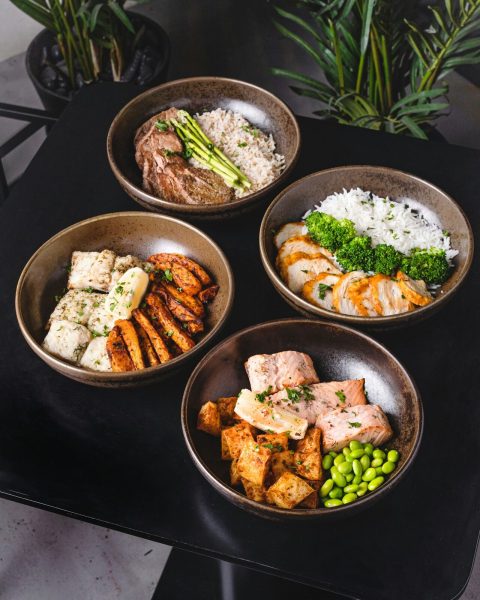
Have you ever noticed how, come January, your body seems to whisper for slower mornings, heavier blankets, and richer, warmer foods? That’s not laziness—it’s intelligence. In Traditional Chinese Medicine (TCM), winter is not a season to fight; it’s a season to follow. The world outside becomes still, and so does the energy within us. This is winter energy TCM in action: a profound, natural slowing that, when honored, replenishes our deepest reserves for the year ahead. As someone who grew up in a Chinese household where winter meant thick congee, long simmers, and early bedtimes, I’ve come to see this seasonal rhythm not as a restriction, but as a gift. Today, let’s explore why your body slows down in winter and how to work with this ancient wisdom, not against it.
- The TCM View of Winter: A Season of Storage and Conservation
- Why Your Body Craves Slowness: The Physiology of Winter Energy
- The Deep Root: Understanding Kidney Qi and Jing
- Honoring the Slow: Actionable Winter Wellness Practices
- Winter Foods for Kidney Nourishment: A Practical Guide
- Beyond Food: Winter Self-Care Rituals
The TCM View of Winter: A Season of Storage and Conservation
In TCM, the universe operates on a cycle of five elements—Wood, Fire, Earth, Metal, and Water—each corresponding to a season, an organ system, and a type of energy. Winter belongs to the Water element, and its paired organs are the Kidneys (Shen) and the Bladder. But don’t think of these as just the anatomical kidneys you learned about in biology class. In TCM, the Kidneys are considered the “root of life,” the storage house for our most fundamental energy, known as Jing (Essence).
The Huangdi Neijing (Yellow Emperor’s Classic of Internal Medicine), a foundational text compiled over 2,000 years ago, states: “In the three months of winter, the heaven and earth are shut and stored. Water freezes and the earth cracks. Do not disturb the yang. Go to rest early and rise late. Wait for the sun to shine.” This isn’t poetic metaphor; it’s a clinical guideline. Winter’s energy is inward, downward, and consolidating. Our bodies are designed to conserve heat, store nutrients, and rest deeply to replenish the Kidney Qi and Jing we’ve expended throughout the active year.
My grandmother used to say, “Winter is for the roots, not the branches.” She’d spend hours slow-cooking bone broths with astragalus root (Huang Qi) and goji berries, explaining that we were “feeding the deep well” so we’d have energy to “sprout” in spring. This is the essence of winter energy TCM: nurturing the foundation so the structure can flourish later.
Why Your Body Craves Slowness: The Physiology of Winter Energy
From a modern perspective, this TCM wisdom aligns intriguingly with human physiology. As daylight hours shorten and temperatures drop, our bodies undergo measurable changes:
- Melatonin production increases, making us feel sleepier earlier and promoting longer, more restorative sleep cycles.
- Basal metabolic rate may slightly dip as the body conserves energy, a phenomenon studied in seasonal metabolic research.
- Immune function shifts; research published in the Journal of Clinical Investigation (2015) suggests that certain immune responses, like inflammation, may be heightened in winter, while others are modulated, requiring more energy for regulation.
- Circadian rhythms reset with less light, influencing everything from hormone production to digestion.
When we ignore these signals—forcing 5 AM workouts, eating cold salads, and pushing through fatigue—we deplete our Kidney Qi and Jing. This can lead to what TCM practitioners call “winter burnout”: deep fatigue, frequent illnesses, lower back pain, and a feeling of being “wired but tired” that lingers into spring. A 2019 study in the Journal of Ethnopharmacology highlighted that adaptogenic herbs traditionally used in winter formulas, like Astragalus membranaceus, may help modulate stress responses and support immune function, offering a bridge between ancient practice and modern science.
The Deep Root: Understanding Kidney Qi and Jing
Let’s delve deeper into the core concept of winter energy TCM: the Kidneys and their treasures. The Kidneys store two vital substances:
- Kidney Qi (Shen Qi): The functional energy that warms the body, supports growth and reproduction, and governs our bones, marrow, and lower back. It’s the pilot light that keeps our internal furnace burning.
- Jing (Essence): Our deepest, most constitutional energy. We inherit a fixed amount from our parents (Prenatal Jing) and build more through lifestyle, diet, and rest (Postnatal Jing). Jing governs aging, development, and long-term vitality. Think of it as your body’s savings account; winter is the time to make deposits, not withdrawals.
When Kidney Qi and Jing are strong, we feel resilient, calm, and grounded. When depleted, we may experience fear, anxiety, cold extremities, weak knees, premature graying, or reproductive issues. The goal of winter wellness is to conserve and nourish this deep energy.
“To nourish the root is to preserve life; to neglect the root is to invite decay.”
This principle, echoed in classical texts like the Shennong Bencao Jing, underscores that winter’s quiet pulse is an invitation to tend to our roots.

Honoring the Slow: Actionable Winter Wellness Practices
So, how do we practically honor this seasonal slowdown? It’s not about hibernating for three months, but about making conscious, nourishing choices. Here is a step-by-step guide to aligning with winter energy TCM.
1. Adjust Your Daily Rhythm
The Huangdi Neijing advises sleeping early (by 10 PM) and rising later (after the sun, around 7 AM if possible). This doesn’t mean you need 10 hours of sleep, but that you should prioritize rest over productivity in the darker hours. Try shifting your bedtime 30 minutes earlier this week.
2. Eat for Warmth and Depth
Winter is the season for warming, nourishing, and deeply cooked foods. Raw, cold foods (like smoothies and salads) can dampen digestive fire, known as Spleen Qi, which is already more vulnerable in cold weather. Focus on:
- Slow-cooked soups and stews: Use bone broth as a base. Add warming spices: 3-4 slices of fresh ginger (Zingiber officinale), 1 cinnamon stick (Cinnamomum verum), 5-6 black peppercorns.
- Hearty grains: Millet, black rice, and oats are considered warming and nourishing to the Kidneys.
- Black and dark-colored foods: In TCM, the color black corresponds to the Water element and Kidneys. Incorporate black sesame seeds, black beans, black mushrooms (wood ear), and seaweed (like kelp or wakame).
- Root vegetables: Sweet potatoes, carrots, parsnips, and beets grow underground, storing energy, and are believed to help us store energy too.
- Warming teas: A simple daily tea: 5-6 slices of dried ginger, 2-3 red dates (Ziziphus jujuba), and a small handful of goji berries (Lycium barbarum) steeped in hot water for 10 minutes.
3. Move Gently, Not Intensely
High-intensity workouts that leave you drenched in sweat are considered depleting in winter, as they “open the pores” and allow yang energy to escape. Instead, opt for gentle, flowing movements that build internal heat without exhaustion:
- Tai Chi or Qigong: 20-30 minutes in the morning. Focus on slow, deliberate movements that cultivate Qi.
- Gentle yoga or stretching: Yin yoga, which targets deep connective tissues, is particularly aligned with winter’s introspective energy.
- Walking in nature: A brisk 30-minute walk during daylight hours helps circulate Qi and absorb vital sunlight for mood and vitamin D synthesis.
4. Protect Your Vulnerable Areas
Cold is considered a pathogenic factor in TCM that can invade and obstruct Qi flow, especially through the neck, lower back, and feet—the “gates” of the Kidney and Bladder meridians. Always wear:
- A scarf to protect the back of your neck (the Da Zhui point, GV-14).
- Warm socks and shoes, especially indoors if you have cold floors. Consider soaking your feet in warm water with a tablespoon of ginger powder for 15 minutes before bed.
- A light layer over your lower back.
Winter Foods for Kidney Nourishment: A Practical Guide
To make this even more actionable, here is a table of specific foods and how to use them, drawn from classical TCM dietary therapy principles found in texts like the Bencao Gangmu (Comperta Materia Medica).
| Food | TCM Property | How to Use (Actionable Tip) |
|---|---|---|
| Black Sesame Seeds (Sesamum indicum) | Sweet, neutral. Nourishes Kidney Yin and Jing, lubricates intestines. | Toast 2 tablespoons daily and sprinkle over oatmeal or blend into a smoothie with warm milk. |
| Walnuts (Juglans regia) | Warm, sweet. Tonifies Kidney Yang, warms the lungs. | Eat 4-5 raw walnuts daily, or simmer in a congee with black beans and red dates. |
| Goji Berries (Lycium barbarum) | Sweet, neutral. Nourishes Kidney and Liver Yin, brightens eyes. | Add 1 tablespoon to soups, teas, or eat a small handful daily as a snack. |
| Black Beans (Phaseolus vulgaris) | Sweet, neutral. Tonifies Kidneys, nourishes blood. | Soak overnight, then slow-cook with ginger and kombu seaweed for a hearty soup. |
| Seaweed (Kelp, Wakame) | Salty, cold. Softens hardness, nourishes Kidney Yin. | Use in miso soup or simmer with mushrooms and tofu for a mineral-rich broth. |
| Lamb | Warm, sweet. Tonifies Qi and blood, warms the middle. | Slow-cook a lamb stew with root vegetables, rosemary, and 2-3 slices of astragalus root for 3 hours. |
Remember, the key is gentle, consistent nourishment, not overeating. A small bowl of black sesame congee each morning is more potent than a large, heavy meal.
Beyond Food: Winter Self-Care Rituals
Nourishing winter energy TCM extends beyond the kitchen. It’s about creating a holistic container for rest and restoration.
- Warm baths with Epsom salts and ginger: Add 2 cups of Epsom salts and 10 drops of ginger essential oil (Zingiber officinale) to a warm bath. Soak for 20 minutes to relax muscles and draw warmth inward.
- Abdominal self-massage: After a warm bath, gently massage your lower abdomen in clockwise circles for 5 minutes. This area houses the Dantian, the energy center linked to Kidney Qi. Use a warming oil like sesame.
- Journaling and reflection: Winter’s introspective energy is perfect for inner work. Spend 10 minutes each evening writing about what you’re grateful for and what you wish to “seed” for the coming year.
- Limit screen time after 8 PM: The blue light disrupts melatonin and the natural inward pull. Read a physical book instead.
During my studies in Chengdu, my teacher, Dr. Li, would close his clinic for two weeks every January. He’d spend that time meditating, eating simple soups, and practicing slow Tai Chi in the park. “I am not closing for business,” he’d say. “I am investing in next year’s business.” That always struck me as profound—winter as an investment, not a loss.
Common Questions
1. I feel depressed and unmotivated in winter. Is this related to Kidney Qi?
In TCM, the emotion associated with the Kidneys is Fear, but deep depletion can manifest as a lack of willpower, motivation, and even depression—a sense of being “frozen.” This is often a sign of Kidney Yang deficiency. While it’s crucial to consult a healthcare provider for clinical depression, TCM approaches may include warming Kidney Yang with foods like lamb and walnuts, gentle movement, and acupuncture at points like Kidney 3 (Tai Xi). A 2020 review in Frontiers in Psychology noted that mind-body practices like Tai Chi may have positive effects on mood, potentially through neuroendocrine pathways.
2. Can I still exercise intensely in winter if I’m careful?
TCM would advise moderation. Intense exercise creates heat and opens the pores, which can allow cold to invade and deplete Yang energy. If you love high-intensity workouts, consider reducing frequency (e.g., once a week instead of three times) and timing them for midday (11 AM–1 PM), when yang energy peaks. Always follow with a warm shower, warm fluids, and extra rest. Listen to your body—if you feel drained rather than energized afterward, it’s a sign to scale back.
3. Are there any herbs I should avoid in winter?
Cooling or overly dispersing herbs may not be ideal in deep winter for those with cold constitutions. For example, while mint (Bo He) is wonderful for spring allergies, its cooling nature might not be best for daily winter use if you’re already feeling cold. Always consult a licensed TCM practitioner or herbalist before starting any herbal regimen, as individual constitution matters greatly.
The bottom line: Winter energy TCM is not about deprivation, but about intelligent conservation. By aligning your sleep, diet, movement, and mindset with the season’s quiet pulse, you nourish your deepest reserves—the Kidney Qi and Jing—ensuring you have the vitality to blossom fully when spring returns. It’s a practice of profound self-respect.
About the Author
Yu Xi Zhang grew up in a Chinese household where traditional wellness practices were part of daily life. With over 15 years of study under licensed TCM practitioners in Beijing and Chengdu, and a certification in TCM nutrition from the Beijing University of Chinese Medicine, she bridges Eastern wisdom with Western wellness in practical, actionable ways. Her writing draws from classical texts like the Huangdi Neijing and modern research to help readers live healthier, more balanced lives.
This article is for educational purposes and reflects traditional wellness perspectives. It is not a substitute for professional medical advice, diagnosis, or treatment.