The yin-yang symbol is everywhere — on T-shirts, logos, coffee mugs — and almost always misunderstood. People treat it as a vague “balance is good” slogan. But in Chinese medicine, yin and yang are two concrete, observable forces that explain almost everything about how your body works, why it breaks down, and how to bring it back into order. Grasp these two ideas and the rest of Chinese wellness falls into place.
Yin and Yang in Plain Language
Forget mysticism. Here’s the practical version:
- Yang is the warm, active, outward, bright, dry, fast, masculine principle. Daytime. Summer. Movement. Digestion firing. Energy rising.
- Yin is the cool, resting, inward, dark, moist, slow, feminine principle. Nighttime. Winter. Stillness. Repair. Energy storing.
Neither is “good” or “bad.” You need both. A day needs its night. A year needs its winter. A body needs both the energy to act and the rest to recover. Health, in Chinese medicine, is simply the right balance at the right time.
The Four Rules That Run Everything
Once you know these four principles, you can read your own health the way a Chinese doctor does:
1. Yin and yang are relative, not absolute
Nothing is purely yin or purely yang. Day is yang, but the morning (rising) is yang within yang, while late afternoon (cooling) is yin within yang. This matters because it means balance is never a static midpoint — it’s a dynamic relationship that shifts with time, season, and circumstance.
2. They create each other
Good sleep (yin) creates good daytime energy (yang). Good daytime activity (yang) creates deep sleep that night (yin). Break one side and the other suffers. This is why chronically poor sleep eventually tanks your energy, and why sedentary days lead to restless nights.
3. They control each other
Yin cools and anchors yang so it doesn’t flare out of control. Yang warms and moves yin so it doesn’t become cold and stagnant. When this control breaks down, you get classic disease patterns: yin deficiency lets yang flare (heat signs with underlying exhaustion), while yang deficiency lets yin accumulate (cold, fluid retention, sluggishness).
4. They transform into each other
Pushed to an extreme, one flips into the other. A fever (extreme yang heat) can produce chills (a yin response). Exhaustion from overwork (extreme yang activity) can collapse into cold, pale, depleted collapse (yin). This is why Chinese medicine warns against extremes — they don’t just imbalance you, they can flip your whole system.
Western medicine often asks “what is the problem?” Chinese medicine asks “is it too much heat or too little warmth? Too much activity or too little rest?” The yin-yang lens turns every symptom into a question of balance.
The Two Most Common Imbalances
Yin Deficiency (Running Hot but Empty)
This is the classic modern imbalance, especially in people who push hard and sleep little. Signs include feeling hot or flushed in the afternoon and evening, night sweats, a dry mouth and throat, restlessness, insomnia, and a red tongue with little coating. You’re not actually overheated — you’ve run low on the cooling, moistening principle, so your natural warmth flares unchecked. Causes: chronic stress, insufficient sleep, overwork, too much heating food and drink.
Yang Deficiency (Running Cold and Slow)
The opposite pattern. Signs include cold hands and feet, a pale complexion, preference for warm food and drinks, low energy, fluid retention, frequent clear urination, and a general sense of being “chilled from within.” You’ve run low on the warming, activating principle, so everything slows and cools. Causes: too much cold raw food, overexposure to cold, aging, chronic illness, exhaustion.
| Sign | Yin Deficiency | Yang Deficiency |
|---|---|---|
| Temperature felt | Hot, especially PM | Cold, especially hands/feet |
| Energy | Restless, can’t settle | Low, sluggish |
| Thirst | Dry, wants cool drinks | Little, wants warm drinks |
| Sleep | Hard to stay asleep | Wants to sleep all the time |
| Face/tongue | Flushed, red tongue | Pale, pale tongue |
Practical Ways to Restore Balance
If you’re yin deficient (hot, dry, restless)
- Sleep more, and earlier. Night is yin; sleep replenishes yin directly.
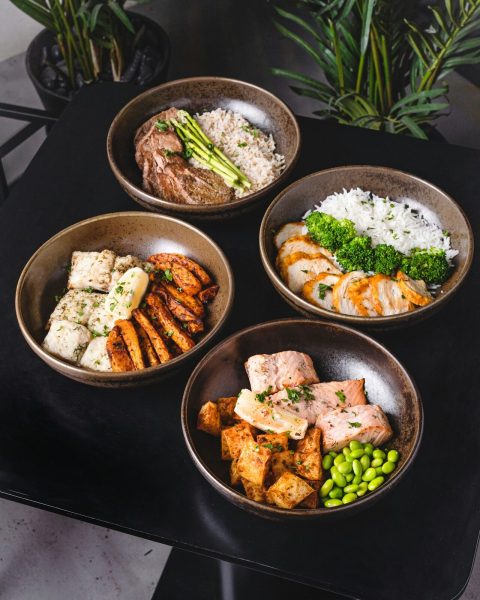
- Eat cooling, moistening foods. Pear, watermelon, cucumber, mung beans, lotus root, lightly cooked greens.
- Reduce heating inputs. Less coffee, alcohol, spicy food, and intense late-night activity.
- Practice quiet restoration. Gentle yoga, slow walks, meditation, or simply sitting quietly.
If you’re yang deficient (cold, slow, low energy)
- Eat warm, cooked, gently spiced food. Ginger, cinnamon, lamb, chicken, root vegetables, stews. Avoid cold raw food and iced drinks.
- Keep warm. Especially the lower back, abdomen, and feet. The Chinese insistence on slippers and warm layers is practical yang protection.
- Move to generate warmth. Gentle, consistent movement builds yang. Brutal training in a cold state depletes it.
- Get morning sunlight. The sun is the most powerful yang input available. Even 10–15 minutes of morning light helps.
The Bigger Picture: Living with the Rhythm
The deepest lesson of yin and yang isn’t about fixing imbalances — it’s about not creating them in the first place. The body is designed to follow natural rhythms: activity by day, rest by night; more output in spring and summer, more storage in autumn and winter; warming food in cold weather, cooling food in heat. The more closely your life tracks these rhythms, the less you have to correct. This is the unglamorous secret at the heart of Chinese wellness.
Common Questions
Can I be both yin and yang deficient?
Yes, and many chronically exhausted people are. You can be cold and tired (yang deficient) and have night sweats, dry mouth, and insomnia (yin deficient) at the same time. In that case, the priority is usually to rebuild the foundation — better sleep, gentler life, nourishing food — rather than chasing one side or the other.
Is this the same as “acid/alkaline” or “hormone balance”?
Not literally, but there are parallels. Yin-yang describes functional relationships that overlap with modern concepts like sympathetic/parasympathetic nervous system balance, anabolic/catabolic states, and circadian rhythms. Don’t force exact equivalence — use yin-yang as a practical lens for noticing patterns, and use Western medicine for diagnosis when needed.
How do I know which I am?
The table above gives a good first read, but a Chinese medicine practitioner can give a precise assessment by reading your pulse and tongue. As a general rule: if you run hot, dry, restless, and wired, lean yin deficient. If you run cold, pale, slow, and tired, lean yang deficient. Most people have a clear leaning.
The bottom line: Yin and yang are two complementary forces — cool/rest/inward and warm/activity/outward — that must stay in dynamic balance for health. Notice whether you tend to run hot or cold, restless or sluggish, dry or damp, and adjust your food, sleep, and activity accordingly. The symbol on the coffee mug isn’t just decoration. It’s the most practical health framework ever invented.
This article shares traditional perspectives and personal experience for general interest. It is not professional advice — please use your own judgment and consult a qualified professional when needed.