
Spring in China brings more than cherry blossoms. People instinctively spend more time outdoors, eat lighter meals, and — interestingly — argue more. Old Chinese proverbs warn that spring is “the season of rising temper.” That’s not folklore. In Chinese medicine, spring belongs to the Liver, and the Liver’s signature emotion is anger. The connection between the two is one of the clearest, most observable links in the entire system.
Why the Liver “Owns” Spring
In the Five Elements framework, the Liver is the organ of Wood. Wood is the energy of upward, outward growth — exactly what happens in nature when seeds push through soil and buds force open. Your body mirrors this surge. After a winter of slow, storage-mode living, energy rises outward in spring, and the Liver is the organ responsible for keeping that flow smooth and even.
The Liver’s main job in Chinese medicine is called coursing and spreading (疏泄, shū xiè) — it keeps energy (qi), emotions, and even digestion flowing in the right direction. When that flow is smooth, you feel flexible, decisive, and calm. When it stagnates — from stress, poor sleep, or pent-up frustration — you get the classic signs of “Liver qi stagnation”: irritability, tight shoulders and neck, sighing, rib-side tightness, and irregular digestion.
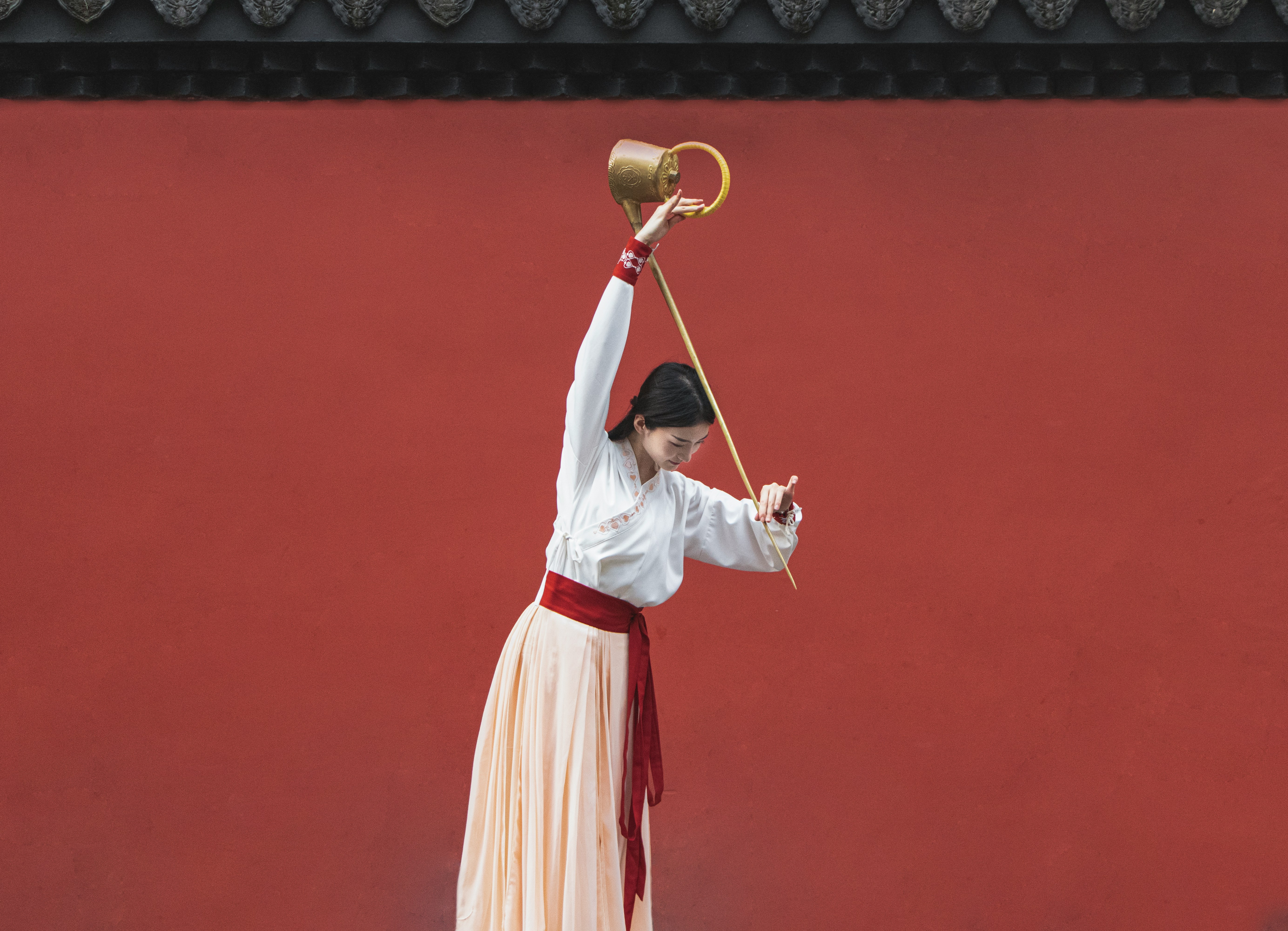
The Anger–Liver Loop
Every organ in Chinese medicine has a primary emotion. The Heart holds joy, the Spleen holds worry, the Lungs hold grief, the Kidneys hold fear. The Liver holds anger. The relationship runs in both directions:
- Liver out of balance → anger. When Liver energy is stuck or flaring, you become short-tempered, impatient, and prone to outbursts.
- Anger → strains the Liver. Conversely, holding onto frustration, resentment, or suppressed rage jams the Liver’s flow and worsens the stagnation.
This is why a stressful week at work so often shows up as tension at the base of your skull, a tight jaw, and a short fuse. It’s also why a good walk, a hard workout, or even a long sigh can bring genuine relief — you’ve literally moved stuck energy.
In Chinese medicine, emotions are not separate from the body. They are the body, viewed from the inside.
Signs Your Liver Energy Needs Spring Cleaning
You don’t need a Chinese doctor to spot Liver stagnation. Common signals include:
- Waking between 1 AM and 3 AM — the Liver’s peak time in the Chinese medicine body clock — and unable to fall back asleep
- Tightness or pain along the ribs and sides of your body, especially after stress
- Frequent sighing or a feeling of fullness in the chest
- Irregular periods or worsened PMS for women (the Liver stores blood and regulates menstruation)
- Tension headaches, often at the temples or behind the eyes
- Digestion that acts up when you’re upset (the “liver attacking the spleen” pattern)
How Chinese Families Care for the Liver in Spring
Traditional spring wellness isn’t complicated. Most of it is common sense dressed in seasonal language:
1. Eat More Green and Sour
The Liver’s color is green and its taste is sour. Spring is the time to lean into young leafy greens — spinach, chard, dandelion, spring onion — and add a little sourness: a squeeze of lemon, a splash of vinegar, lightly pickled vegetables. These gently stimulate the Liver’s flowing function.
2. Move Every Day
Stagnation hates movement. Anything that gets your blood circulating — walking, stretching, tai chi, qigong — directly supports the Liver. The traditional preference is for smooth, flowing movement rather than brute intensity. Spring is not the season to grind yourself into the ground.
3. Sleep Before 11 PM
According to the Chinese body clock, the Liver starts its deepest detox and blood-regeneration work around 1 AM. To get the full benefit you should be deeply asleep well before then — ideally before 11 PM. People who chronically stay up late often show the classic signs: dry eyes, brittle nails, foggy thinking, and a short temper.
4. Lighten the Alcohol
In Chinese medicine, alcohol is seen as damp-heating, and the Liver is the organ most stressed by it. Spring — already a season of rising energy — is the worst time to overdrink. A glass of wine with dinner is fine; nightly heavy drinking is exactly what pushes an already-working Liver over the edge.
A Spring Day, the Chinese Medicine Way
| Time | Practice | Why |
|---|---|---|
| Morning | Rise with the sun; 15 min stretching or walking | Matches the Liver’s upward, expanding energy |
| Meals | Add greens and a little sourness | Sour and green nourish the Liver |
| Afternoon | Take movement breaks if sitting | Prevents qi stagnation from stillness |
| Evening | Wind down, no heavy meals after 8 PM | Prepares the body for deep Liver-cleaning sleep |
| By 11 PM | Asleep | Liver regeneration begins around 1 AM |
Common Questions
Is “Liver” in TCM the same as my actual liver?
Not exactly. The Liver in Chinese medicine is a functional system that includes the physical organ but also covers emotional regulation, blood storage, tendon health, and eye function. So when a practitioner says “Liver qi stagnation,” they’re describing a pattern of symptoms, not diagnosing liver disease. If you have actual liver concerns, see your doctor.
Why do I wake up angry in spring?
Rising spring energy amplifies any stagnation already in your Liver. If you’ve been stressed, sleeping poorly, or holding onto frustration, spring’s upward push brings it to the surface. The fix is movement, earlier sleep, and lighter food — not suppressing the emotion.
Can I do a “Liver detox” in spring?
The traditional Chinese version of a spring “detox” is gentle: more greens, less alcohol, earlier sleep, daily movement. Avoid extreme juice cleanses or fasting — Chinese medicine sees these as weakening the Spleen (digestion), which then makes everything else worse.
The bottom line: Spring is the Liver’s season, and the Liver is the organ most linked to stress, frustration, and the smooth flow of energy. Move daily, eat your greens, add a little sour, and get to bed before 11 PM. That’s spring wellness, Chinese style — and it works because it follows a rhythm your body is already trying to keep.
This article shares traditional perspectives and personal experience for general interest. It is not professional advice — please use your own judgment and consult a qualified professional when needed.