There is a specific kind of heat that only arrives in high summer. It is heavy, humid, and hangs in the air like a damp blanket. In Traditional Chinese Medicine (TCM), we call this Shu or Summer-Heat. It is the only pathogen that comes exclusively from an external environmental factor—temperature—and it has a unique ability to drain your vitality faster than you can say “air conditioning.” While modern life encourages us to retreat into artificially chilled boxes, my grandmother had a different prescription. She would take me not to the beach, but to the woods. She believed the forest floor held a secret energy, a deep, rooted coolness that could counteract the frenetic heat rising from the pavement. Today, we call this practice “forest bathing,” or Shinrin-yoku, but the wisdom is ancient: nature is the ultimate regulator.
The Energetic Logic: Why Summer Heat Drains Us
Before we walk into the woods, we need to understand the battlefield. In summer, the world is bursting with Yang energy—expansive, hot, and active. It is glorious, but it is also exhausting. Think of your body like a smartphone battery. If you leave it out in the sun, it overheats and the battery life plummets. The same thing happens to our Qi (vital energy). The heat forces our pores open (we sweat excessively), and in TCM, this open state allows our protective Wei Qi (defensive energy) to leak out.
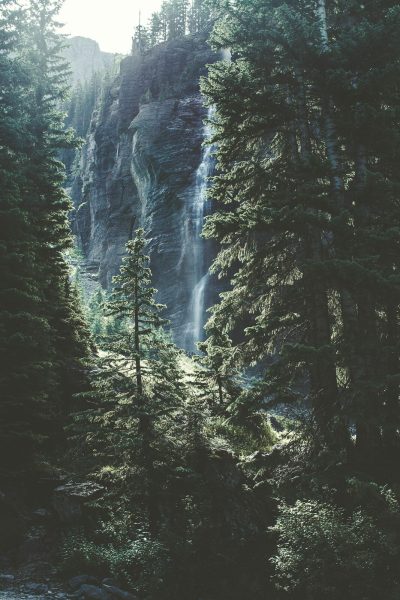
This is why you might feel lethargic, irritable, or mentally foggy despite the bright days. You aren’t just tired; you are Qi deficient from the heat. The Western medical community is catching up to this, too. High temperatures put immense stress on our cardiovascular system and spike cortisol (the stress hormone). The forest, however, is nature’s heat sink. The canopy blocks direct solar radiation, and the trees release water vapor through evapotranspiration—a process that naturally cools the air. Walking into a forest in July can drop the ambient temperature by 5 to 10 degrees Fahrenheit instantly.
“In summer, we nourish the heart and calm the spirit. The heat belongs to the Fire element; to balance it, we need the Water element—the deep, cool stillness of the shade.”
The Science of Phytoncides: Breathing in the Forest’s Defense
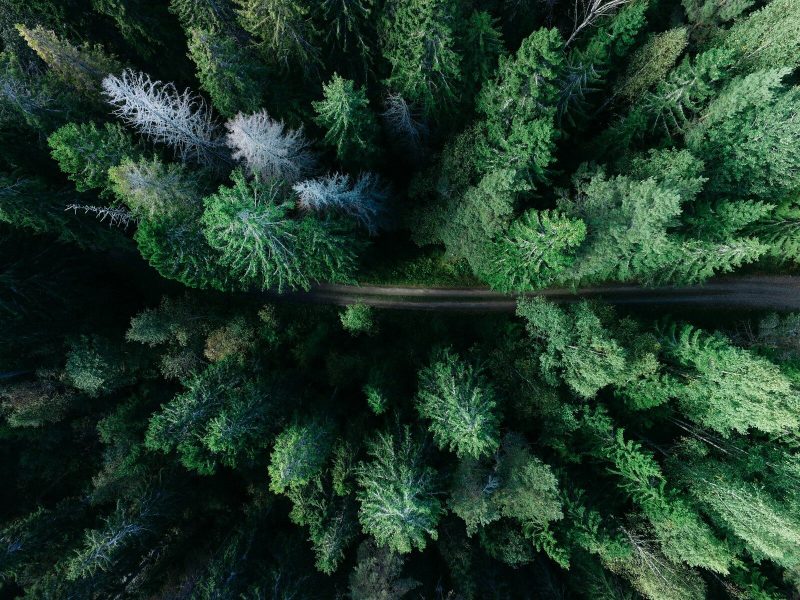
When you walk into a coniferous forest—that distinct scent of pine and spruce—you are smelling the trees’ immune systems. Trees release aromatic compounds called phytoncides to protect themselves from insects and rot. When we breathe these in, something remarkable happens to our biology.
Research from Japan, where Shinrin-yoku is a cornerstone of preventative medicine, has shown that breathing phytoncides significantly increases the activity of our Natural Killer (NK) cells. These are the white blood cells that hunt down viruses and tumor cells. In one study, participants who spent three days and two nights in a forest showed a 50% increase in NK cell activity, and the boost lasted for more than 30 days after the trip. You don’t need a week-long retreat to get this benefit. Even a 20-minute walk can alter your blood chemistry.
But here is the counterintuitive part: to get this benefit, you must breathe through your nose, not your mouth. Mouth breathing bypasses the olfactory receptors that signal the brain to relax. My grandmother used to say, “Eat the air with your nose.” She wasn’t being poetic; she was prescribing a specific delivery mechanism for phytoncides.

The Practice: A 4-Step Protocol for Summer Cooling
Forest bathing is not a hike. It is not about distance, elevation, or cardio. In fact, if you are sweating profusely, you are doing it wrong. Summer forest bathing is about absorption. Here is how to structure your session to maximize the cooling effect.
1. Timing and Location
Avoid the peak heat of 12:00 PM to 3:00 PM. Instead, aim for the “golden hours” of early morning (7:00 AM to 10:00 AM) or early evening (5:00 PM to 7:00 PM). Look for a place with “old growth” or mature trees—deciduous trees like oak, maple, or beech are excellent, but conifers offer the highest phytoncide concentration. The ground should be earth or leaf litter, not asphalt.
2. The “No Destination” Rule
Set a timer for 45 minutes. For the first 15 minutes, do absolutely nothing. Find a spot where the light filters through the leaves and sit. Do not look at your phone. Do not plan dinner. Just let your visual cortex reset. In TCM, the eyes are connected to the Liver meridian, which governs planning and decision-making. By letting your eyes rest on undifferentiated green, you are literally “cooling” the Liver.
3. The Grounding Touch
Take off your shoes. The earth has a negative electrical charge, and our bodies, stressed by summer heat and electromagnetic radiation, carry a positive charge. Earthing (grounding) neutralizes this. Find a patch of moss or cool earth. If you are worried about ticks (a valid summer concern), wear thin socks or stand on a rock. Touch the bark of a tree with your hands. Bark temperature is often 10-15 degrees cooler than the surrounding air.
4. The Breath of the Forest
Once you feel settled, begin a rhythmic breathing pattern. Inhale for 4 counts, hold for 2, exhale for 6. The longer exhale activates the parasympathetic nervous system (the “rest and digest” mode). As you exhale, visualize the heat leaving your body as a red mist, dissolving into the green canopy above you.
Deep Dive: Understanding “Yeet Hay” and Internal Heat
In Cantonese culture, we have a concept called “Yeet Hay” (literally “hot air”). It is the internal imbalance caused by eating fried foods, staying up late, or being in the summer heat. Symptoms include acne, sore throat, irritability, and constipation. My mother would make me drink Chrysanthemum tea (Juhua Cha) with rock sugar to clear this heat. This is the internal side of the equation. Forest bathing is the external side.
When you combine internal cooling herbs with external cooling practices, you create a powerful synergy. The forest doesn’t just cool you physically; it cools your Shen (spirit). A hot spirit is anxious, restless, and scattered. A cool spirit is calm, focused, and joyful. The Japanese have a word for this: Yutori—a feeling of spaciousness in the mind.
| Summer Heat Symptom | Forest Bathing Benefit | Supporting Action |
|---|---|---|
| Irritability / Short Temper | Cortisol reduction (up to 16% in 15 mins) | Drink Chrysanthemum tea 30 mins before |
| Fatigue / Lethargy | NK cell boost / Immune support | Eat 5-6 Goji berries before your walk |
| Insomnia / Restless Sleep | Melatonin regulation from phytoncides | Walk barefoot for 10 mins (grounding) |
| Digestive Issues (Summer bloat) | Parasympathetic activation | Sip warm peppermint tea during the walk |
Kitchen Medicine: What to Eat Before and After
Your forest bathing session will be more effective if you prepare your body with the right foods. You want foods that are cooling in nature (not temperature, but energetically).
- Before (30 minutes prior): A small handful (about 10g) of watermelon or a cup of barley water. Watermelon is the king of summer fruits in TCM; it clears heat and generates fluids. Barley water (Yi Yi Ren) is a diuretic that helps drain dampness.
- During: Plain water at room temperature. Avoid ice-cold drinks, which shock the stomach and impair digestion. Add a slice of cucumber or a sprig of mint for extra cooling.
- After (within 1 hour): A simple congee or light meal with mung beans. Mung bean soup (Lu Dou Tang) is the Chinese equivalent of chicken soup for summer—it detoxifies and cools the blood. A recipe: boil 1/2 cup of mung beans in 4 cups of water for 30 minutes. Add a tablespoon of honey or rock sugar.
Common Questions
Can I do forest bathing in a city park?
Yes, but with modifications. City parks are often surrounded by asphalt, which radiates heat. Look for the densest part of the park, preferably near a pond or stream (water energy is cooling). Avoid exercising equipment areas. The key is to find a spot where you cannot hear traffic. If you can still hear cars, your nervous system remains in a state of low-grade alert. If you must use a city park, go early in the morning before the heat and noise accumulate.
What if I have allergies? Won’t the pollen make it worse?
This is a valid concern. High summer (July/August) is actually grass pollen season, while tree pollen peaks in spring. If you are sensitive, choose a coniferous forest (pine, spruce, fir) as they are less allergenic than deciduous trees. Also, the humidity in a forest can actually trap pollen particles, making the air cleaner than a dry, windy field. However, if you have severe asthma or allergies, consult your doctor and consider wearing a light mask during high-pollen days.
How often should I go forest bathing in summer?
Consistency trumps duration. One 20-minute session per week is better than a single 3-hour marathon. In TCM, we aim to harmonize with the season’s energy, not fight it. Summer is a time of expansion, so your practice should feel expansive, not exhausting. If you can manage twice a week (e.g., Saturday morning and Wednesday evening), you will notice a significant difference in your sleep quality and mood stability within two weeks.
The bottom line: Forest bathing in summer is not a luxury; it is a necessary counterbalance to the season’s aggressive heat. By immersing yourself in the forest’s cool, phytoncide-rich air, you are not just escaping the heat—you are actively repairing your body’s energy systems. Combine this practice with cooling foods like mung beans and chrysanthemum tea, and you will move through summer with the calm, rooted energy of an ancient oak rather than the frantic buzz of a cicada.
This article is for educational purposes and reflects traditional wellness perspectives. It is not a substitute for professional medical advice, diagnosis, or treatment.