There is a particular kind of magic in the hours between 5 p.m. and 9 p.m. on a summer evening. The sun, having spent its energy on the day’s heat, begins its slow, golden descent. The air softens. The frantic buzz of cicadas gives way to the chirp of crickets. In our modern lives, we often rush through this transition, blurring day into night with screens and schedules. But in Traditional Chinese Medicine (and in the quiet wisdom of my grandmother’s kitchen), this liminal time is sacred. It’s a portal for shifting from the expansive, fiery energy of summer (yang) to the contractive, cooling energy of night (yin). It’s a chance to gather the day’s scattered pieces of ourselves and bring them home. Today, we’re not just talking about winding down. We’re talking about crafting a slow summer evening ritual—a gentle, sensory practice to honor this natural rhythm and find profound joy in the ordinary moments that unfold as the stars come out.
- Why Your Summer Evening Needs a Ritual (It's Not About Productivity)
- The Foundational Principle: Understanding "Summer Heat" and the Cooling Transition
- The First Act: A Cooling & Quenching Internal Reset (6:00-7:00 PM)
- The Second Act: A Sensory Transition for Body and Space (7:00-8:00 PM)
- The Third Act: Gentle Movement & Heart-Centering Practice (8:00-8:30 PM)
- The Fourth Act: The Final Wind-Down & Sleep Preparation (8:30-9:00 PM)
- Putting It All Together: Your Sample Slow Summer Evening Ritual Timeline
- Common Questions About the Slow Summer Evening Ritual
Why Your Summer Evening Needs a Ritual (It’s Not About Productivity)
First, let’s clear something up. This isn’t another “optimized evening routine” designed to make you a more efficient human the next morning. This is the opposite. A slow summer evening ritual is an act of rebellion against the cult of doing. Its purpose is presence, not performance. In TCM, the evening is governed by the Pericardium and Triple Burner meridians—energy channels responsible for protecting the heart (your emotional and spiritual center) and regulating your body’s temperature and fluid metabolism as you transition to rest.
When we ignore this natural downshift, we often end up feeling wired but tired, our minds racing while our bodies crave rest. We might experience “summer heat” symptoms that linger into the night: feeling restless, having trouble falling asleep, or waking up drenched in sweat. A simple ritual tells your entire system, “The day is complete. You are safe. It is time to soften.” My grandmother had a phrase for this: “Shou xin.” It means “to collect the heart” or “to gather the spirit.” She’d say it while gently fanning herself on our apartment balcony in the evenings, a cup of cooled barley water in hand. “You can’t pour from an empty cup,” she’d tell me, “and you can’t rest if your spirit is still scattered all over the city.”
“The evening is a time for gathering inward, like a flower closing its petals at dusk. We are not shutting down, but collecting our energy for the quiet work of restoration.”
The Foundational Principle: Understanding “Summer Heat” and the Cooling Transition
To understand why a summer-specific ritual works, we need to talk about Summer Heat (Shu Re in TCM). Summer isn’t just warm; it’s a season of intense yang energy. This external heat can easily penetrate our bodies, especially if we’re stressed, dehydrated, or eating too many heavy, greasy foods. This “Summer Heat” can agitate the heart, disturb our Shen (spirit/mind), and make it difficult to settle down. You might feel it as a flushed face, irritability, a bitter taste in your mouth, or vivid, restless dreams.
The goal of our evening ritual is to gently clear this residual heat and invite in the cooling, grounding qualities of yin. Think of it like this: your body is a house that’s been baking in the sun all day. The evening ritual is the process of opening the windows to the cool evening breeze, turning off the internal furnace, and drawing the curtains closed for peaceful rest. We do this through specific sensory inputs: cooling foods, calming scents, gentle movement, and mindful attention.
The First Act: A Cooling & Quenching Internal Reset (6:00-7:00 PM)
As you transition from work or daytime activities, the first step is an internal reset. This is about signaling to your digestion and nervous system that the active part of the day is over.
- The Hydration Ritual: Ditch the ice water. In TCM, extreme cold shocks the digestive system (your Spleen Qi). Instead, brew a large pot of barley tea (Mugicha). It’s caffeine-free, nutty, and profoundly cooling. Steep 2 tablespoons of roasted barley in a quart of boiling water for 5-7 minutes, strain, and let it cool to room temperature. Sip it slowly. Another excellent option is chrysanthemum tea (Ju Hua)—brew 5-6 dried flowers in a cup of hot water for 3 minutes. It’s a classic TCM remedy for clearing heat from the head and eyes, perfect after a day spent staring at screens.
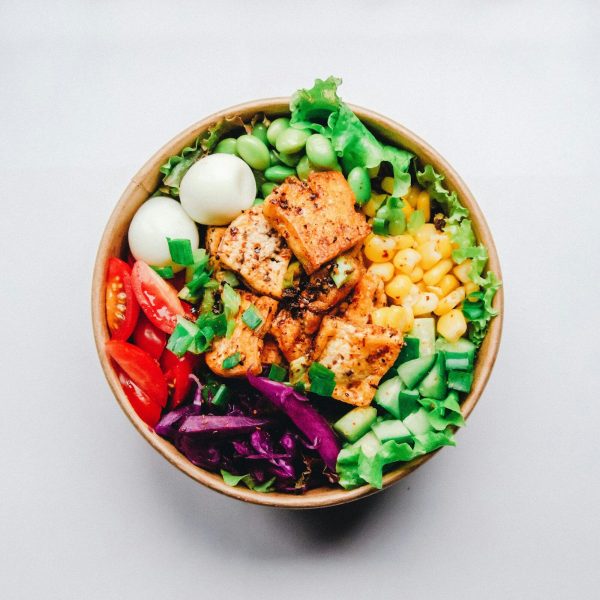
- The Food Transition: If you eat dinner during this time, make it light and cooling. Think “salads” but with a TCM twist. Instead of raw, icy greens (which can be hard on digestion), opt for lightly blanched or steamed vegetables at room temperature. A perfect summer evening meal: a bowl of steamed rice with sautéed bitter melon (a supreme heat-clearing vegetable) and a few slices of cooling cucumber dressed with rice vinegar and a drop of sesame oil. Avoid heavy, spicy, or greasy foods—these are like adding more wood to an internal fire.
The Second Act: A Sensory Transition for Body and Space (7:00-8:00 PM)
Now we move from internal to external. This is about changing your environment and your physical state to match the cooling energy of dusk.
The Cooling Foot Soak: This is a non-negotiable in my summer routine. Fill a basin with warm (not hot) water. Add 1/4 cup of Epsom salts and 5-10 drops of peppermint essential oil (or a strong brewed peppermint tea). Soak your feet for 15 minutes while you sip your barley tea. The feet are the farthest point from the heart, and in TCM, they are a major gateway for expelling heat. The peppermint provides an instant cooling sensation, and the magnesium from the Epsom salts helps relax muscles and calm the nervous system.
Changing Your Clothes: This is symbolic and practical. Shed your “day clothes”—the armor of work and society. Put on your loosest, softest, most breathable pajamas or loungewear. Natural fibers like cotton or linen are best. This simple act is a powerful psychological cue: I am home. I am safe. I am transitioning.
Cooling Your Space: If it’s cooler outside than in, open windows on opposite sides of your home to create a cross-breeze. Hang a damp, cool towel in the window—the evaporating water will cool the incoming air. If using AC, set it to 75-76°F (24°C), not arctic cold. Sudden, extreme temperature shifts confuse the body’s thermostat. Light a candle with a cooling scent like sandalwood, jasmine, or lavender. Avoid energizing citrus scents now.

The Third Act: Gentle Movement & Heart-Centering Practice (8:00-8:30 PM)
By now, you’ve cooled and settled your body. This final act is about gathering your spirit (Shou Xin). Avoid vigorous exercise—that would stoke yang energy again. Instead, choose one of these gentle, yin-building practices:
Option 1: Yin Yoga on the Cool Floor. Lay a mat on a cool wooden or tile floor. Focus on poses that open the heart and hips, areas where we hold emotional tension from the day. Hold each pose for 3-5 minutes, breathing deeply: • Reclined Butterfly Pose (Supta Baddha Konasana): Lying on your back, soles of feet together, knees falling open. Place pillows under your knees for support. • Supported Fish Pose: Place a yoga bolster or rolled-up blanket lengthwise along your spine, lying back over it. Let your arms fall open. • Legs Up the Wall (Viparita Karani): The ultimate cooling and restorative pose. Lie with your hips close to a wall and legs resting up it.
Option 2: A Slow, Mindful Walk. If the sun has set or is just setting, take a 15-20 minute walk. This is not for exercise. It’s a kinhin or walking meditation. Walk slower than you normally would. Feel the evening air on your skin. Listen to the specific sounds of your neighborhood settling down. The goal is to be present with the sensory experience of summer evening, not to reach a destination.
The Fourth Act: The Final Wind-Down & Sleep Preparation (8:30-9:00 PM)
This last thirty minutes is sacred, screen-free territory. The blue light from devices directly suppresses melatonin and tells your brain it’s still daytime. Here’s your alternative protocol:
- The “No-Screen” Rule: Put your phone in a drawer in another room. Turn off the TV. This is your boundary.
- Prepare a Sleep-Inducing Tea: Brew a cup of jujube date (Da Zao) and longan (Long Yan Rou) tea. Use 3-4 dried jujube dates (pitted) and a tablespoon of dried longan fruit. Simmer in 2 cups of water for 15 minutes. Strain and drink. This is a classic TCM formula to nourish the blood and calm the spirit, perfect for anxious or dream-disturbed sleep.
- The “Three Good Things” Journal: Keep a notebook by your bed. Before turning out the light, write down three specific, good things from your day. Not big achievements, but ordinary joys: “The taste of the cold barley tea,” “The way the evening light hit the oak tree,” “The sound of my neighbor’s laughter.” This practice retrains your brain to seek out joy, completing the day on a note of gratitude rather than anxiety.
Putting It All Together: Your Sample Slow Summer Evening Ritual Timeline
This table provides a flexible framework. Adapt it to your life. The key is the sequence of cooling, transitioning, and gathering, not the rigid timing.
| Time (Approx.) | Ritual Action | TCM Purpose & Sensory Cue |
|---|---|---|
| 6:00 PM | Brew & sip cooling tea (Barley/Chrysanthemum). | Clears internal heat, begins hydration reset. |
| 6:30 PM | Prepare & eat a light, cooling dinner. | Eases digestive load, provides gentle nourishment. |
| 7:00 PM | Cooling foot soak with peppermint & Epsom salts. | Draws heat down and out, relaxes the nervous system. |
| 7:20 PM | Change into soft loungewear. Light a candle. | Psychological transition, sets a calming ambiance. |
| 7:30 PM | Gentle yin yoga or mindful evening walk. | Stretches connective tissue, calms the mind, gathers the spirit. |
| 8:00 PM | Screen-free time. Read a physical book. | Protects melatonin, allows mental decompression. |
| 8:30 PM | Brew & sip jujube/longan tea. | Nourishes blood and heart, prepares for deep sleep. |
| 8:45 PM | “Three Good Things” journaling. | Completes the day with gratitude, settles the Shen. |
Common Questions About the Slow Summer Evening Ritual
I don’t have time for all of this. What’s the single most important part?
If you can only do one thing, make it the cooling foot soak. It’s the most direct physical intervention to clear summer heat and trigger the relaxation response. Even 10 minutes with your feet in peppermint water while you sip a cool tea will make a noticeable difference in your ability to fall asleep and the quality of your rest. It’s a concentrated dose of the ritual’s core principle.
Can I do this ritual if I live in a climate without a hot summer?
Absolutely. The underlying principle is about the transition from the active, outward-focused yang energy of the day to the receptive, inward-focused yin energy of night. Even in a mild or cool summer, your nervous system still needs this signal. You can adjust the “cooling” elements: use lukewarm water for the foot soak instead of cool, and choose calming teas like chamomile or lemon balm instead of intensely cooling barley or chrysanthemum. The structure of the ritual—the sequence of slowing down, changing environment, and gathering your spirit—is universally beneficial.
What if I work evenings or have a schedule that doesn’t fit this timeline?
The timeline is a template, not a prison. The magic is in the sequence of actions, not the clock. If you get home at 9 PM, your ritual might be: 1) Immediately change into loungewear. 2) Brew a cooling tea and drink it while prepping a light, room-temperature snack (like sliced cucumber and hummus). 3) Take a 10-minute foot soak. 4) Do 5 minutes of gentle stretching. 5) Journal for 3 minutes. You can compress the entire ritual into 30-45 minutes. The key is performing the actions in order, creating a consistent “downshift” signal for your body and mind, no matter what time the sun sets.
The bottom line: A slow summer evening ritual is a deliberate practice of aligning your personal rhythm with the season’s natural cadence. By consciously cooling your body, transitioning your space, and gathering your spirit through simple, sensory acts, you transform ordinary moments into profound opportunities for rest and joy. It’s not about adding more to your to-do list; it’s about changing the quality of what you’re already doing—turning the nightly wind-down into a sacred pause that honors the wisdom of summer and the quiet depth of your own being.
This article is for educational purposes and reflects traditional wellness perspectives. It is not a substitute for professional medical advice, diagnosis, or treatment.