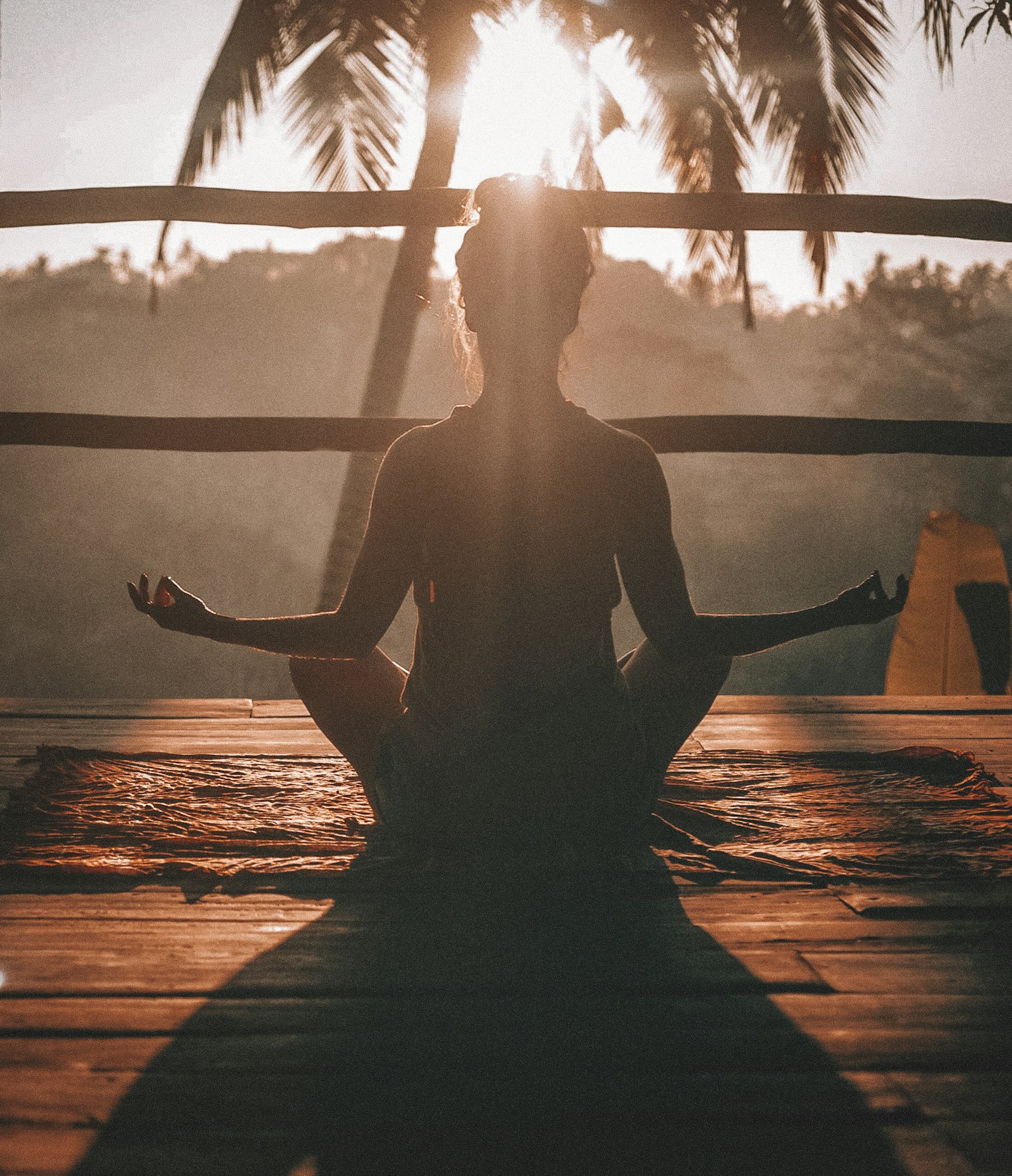
Every evening around eight o’clock, a quiet ritual unfolds in millions of Chinese homes. The television is on, the day’s dishes are done, and someone — usually a parent or grandparent — fills a large wooden bucket with hot water. Steam rises. Feet go in. And for the next twenty minutes, the whole body softens. Conversations slow down. Shoulders drop. eyelids get heavy. This is foot soaking (泡脚, pào jiǎo), and in China, it’s not a spa luxury — it’s a nightly habit as ordinary as brushing your teeth. My grandmother did it every single night of her life. She lived to ninety-three with the circulation of someone half her age. When I asked her secret, she’d shrug and say, “Warm feet, warm life.” Turns out, she was practicing one of the most well-documented therapies in Traditional Chinese Medicine, and modern science is finally catching up to what she always knew.
- What Is Foot Soaking in Traditional Chinese Medicine?
- The Science Behind the Soak: Why Your Feet Hold the Key
- Key Benefits of Chinese Foot Soaking
- How to Do It Properly: The Complete Guide
- Herbal Additions: Elevating Your Foot Soak
- Common Mistakes to Avoid
- Seasonal Foot Soaking Guide
- The Bottom Line: Warm Feet, Warm Life
- Disclaimer
- About the Author
What Is Foot Soaking in Traditional Chinese Medicine?
In TCM, foot soaking is far more than washing your feet. It’s a therapeutic practice rooted in the principle of warming the body from the ground up. The Chinese medical tradition holds that the feet are the meeting point of the body’s three major Yin meridians — the Spleen (足太阴脾经), Liver (足厥阴肝经), and Kidney (足少阴肾经) channels. These Yin organs are associated with warmth, nourishment, and deep vitality. When you soak your feet in warm water, you’re directly stimulating the energy pathways that feed your most essential organ systems.
The concept is elegantly simple. In TCM, cold and dampness are pathogenic factors (邪气, xié qì) that can invade the body through the extremities. The feet, farthest from the heart and closest to the ground, are the most vulnerable entry point. Regular soaking expels accumulated cold, drives out dampness, and restores the smooth flow of Qi and blood. It’s defensive medicine — preventing problems before they start.
The practice dates back at least to the Han Dynasty (206 BCE – 220 CE). The Huangdi Neijing (黄帝内经), the foundational text of Chinese medicine, discusses the therapeutic use of warm water on the extremities. By the Tang Dynasty, foot soaking was standard clinical practice. The great physician Sun Simiao (孙思邈) — often called China’s “King of Medicine” — prescribed herbal foot baths and lived to 101, which in the 7th century was practically immortal.
The Science Behind the Soak: Why Your Feet Hold the Key
Here’s what makes foot soaking more than folk wisdom: your feet are anatomically extraordinary. Each foot contains over 60 acupuncture points, more than 200,000 nerve endings, and a dense network of blood vessels. In TCM, these points are mapped along meridians (经络, jīng luò) — invisible channels that connect the feet to every major organ in the body. The Kidney 1 point (涌泉穴, yǒng quán xué), located in the center of the sole, is literally called “Gushing Spring” and is considered the starting point of the Kidney meridian, which governs vitality, reproduction, and aging.
Modern research supports the basic mechanism. Warm water immersion causes vasodilation — blood vessels in the feet and lower legs expand, improving circulation throughout the entire vascular system. A 2015 study published in the Journal of Physical Therapy Science found that regular warm foot baths significantly improved peripheral blood flow and reduced arterial stiffness. Another study from Kyushu University in Japan showed that warming the feet before bed reduced core body temperature more efficiently, which is a key physiological trigger for sleep onset.
The nerve ending density is equally important. When warm water stimulates the thousands of sensory receptors in your feet, it sends signals through the peripheral nervous system to the brain, activating the parasympathetic nervous system — the “rest and digest” branch. This lowers cortisol, slows the heart rate, and promotes deep relaxation. In TCM terms, this is the body shifting from a Yang (active, outward) state to a Yin (restful, inward) state.
Key Benefits of Chinese Foot Soaking
The benefits of regular foot soaking span both traditional understanding and modern clinical findings. Here are the most significant ones:
- Better sleep — faster sleep onset and deeper rest
- Improved circulation — warmer extremities and reduced numbness
- Pain relief — reduced muscle fatigue and joint inflammation
- Stress reduction — lower cortisol and emotional calm
- Digestive support — stimulation of the Spleen meridian
1. Better Sleep — The Most Immediate Effect
This is the benefit that converts skeptics. A warm foot bath 30 to 60 minutes before bed is one of the most effective non-pharmaceutical sleep aids available. Warming the feet causes blood to rush to the body’s surface, which accelerates the drop in core body temperature that signals the brain to produce melatonin. A study in the journal Sleep found that participants who used a warm foot bath before bed fell asleep faster and reported higher sleep quality. In my own experience, my average time to fall asleep dropped from 25 minutes to under 10 once I made foot soaking a nightly habit.
If you struggle with sleep, this is the single most accessible change you can make tonight. No supplements, no apps, no blue-light glasses. Just warm water and fifteen minutes. I wrote more about this in my article on acupressure points for sleep.
2. Improved Circulation — Especially for Cold Feet
If your feet are perpetually cold — especially in winter — that’s a sign of what TCM calls “Yang deficiency” (阳虚, yáng xū) or poor peripheral circulation. Regular foot soaking acts as a training exercise for your blood vessels, teaching them to dilate properly and improving vascular responsiveness. After two to three weeks of nightly soaking, most people notice a dramatic improvement in foot temperature throughout the day, not just during the soak.
3. Pain Relief and Muscle Recovery
For anyone who spends long hours on their feet — nurses, teachers, retail workers, runners — a warm foot bath is genuine recovery medicine. The heat increases blood flow to fatigued muscles, accelerates the removal of lactic acid, and reduces inflammation in the joints. In TCM, pain is understood as “stagnation” (不通则痛, bù tōng zé tòng — “where there is blockage, there is pain”). Foot soaking moves Qi and blood, breaking up that stagnation. Nightly soaks combined with gentle self-massage of the sole can provide meaningful relief within two weeks.
4. Stress Reduction and Emotional Calm
This one is harder to measure but impossible to miss. There’s a reason every Chinese family does this in the evening — it’s a decompression ritual. The parasympathetic activation we discussed earlier actively lowers anxiety and emotional reactivity. Chinese medicine connects the feet to the Kidney system, which governs fear and willpower (志, zhì). When Kidney Qi is nourished, you feel more grounded and secure. Many TCM practitioners use foot soaking as a first-line recommendation for anxiety, restlessness, or chronic stress.
5. Supporting the Spleen and Digestion
The Spleen meridian begins at the big toe and runs up the inner leg. In TCM, the Spleen is responsible for transforming food into usable energy (气血, qì xuè) and transporting fluids. When Spleen Qi is weak — increasingly common in people who eat cold, raw, or processed foods — digestion suffers and fatigue increases. Warming the feet directly stimulates the Spleen meridian. For more on this topic, see my guide on TCM spleen health and energy.
How to Do It Properly: The Complete Guide
Foot soaking is simple, but doing it correctly makes a real difference. Here’s the method I’ve refined over years of practice and research:
Water Temperature
The ideal range is 38–43°C (100–110°F). This is warmer than a comfortable bath but well below scalding. The traditional Chinese test is simple: put your hand in the water. It should feel hot but not painful. If you can’t keep your hand in for more than a second, it’s too hot. If it feels merely “warm,” it’s too cool to be therapeutic. For beginners, start at 38°C and work your way up over several sessions. Your tolerance will increase quickly.
A practical note: the water will cool as you soak. Traditional wooden buckets (木桶, mù tǒng) retain heat much better than plastic basins. If you’re using plastic or metal, have a kettle of hot water nearby to add every five to seven minutes. Many modern foot soaking basins have built-in heating elements — worth the investment for daily practice.
Duration
15 to 30 minutes per session, with 20 minutes being the sweet spot. You’ll know you’ve soaked long enough when your feet are visibly red and you feel warmth spreading up your calves — a sign of vasodilation and achieved therapeutic effect. Going longer than 30 minutes offers diminishing returns and can cause dizziness as blood pools in the lower extremities.
Timing
The best time is one to two hours before bed, ideally between 8:00 and 9:30 PM. This gives your body enough time to complete the core temperature drop that promotes sleep. Avoid soaking immediately after a heavy meal — your body needs blood for digestion, and diverting it to the extremities can cause bloating. Similarly, avoid soaking right after intense exercise when your cardiovascular system is already highly activated.
Water Level
The water should cover not just the feet but reach at least mid-calf (about four inches above the ankle bones). This covers important acupuncture points on the lower leg and maximizes circulatory benefit. The classic Chinese foot soaking bucket is tall and narrow for exactly this reason.
What to Do While Soaking
Read a book. Listen to music. Close your eyes. The one thing I don’t recommend is scrolling your phone — the blue light directly contradicts the relaxation you’re building. Gently massaging the soles of your feet with a tennis ball is an excellent addition. Focus on the center of the sole (Kidney 1, 涌泉穴) for overall vitality.
After Soaking
Dry your feet thoroughly — especially between the toes. Residual dampness can create an environment for fungal issues. Put on warm socks immediately to maintain the warmth and extend the circulatory benefits through the night. Some practitioners recommend applying a small amount of sesame oil to the soles before putting on socks, which nourishes the skin and seals in warmth.
Herbal Additions: Elevating Your Foot Soak
Plain warm water is effective, but adding herbs transforms a simple soak into a targeted therapy. Chinese herbal foot baths (中药泡脚, zhōng yào pào jiǎo) have been used for centuries, and different herbs address different conditions. Here are the most commonly used additions:
Ginger (生姜, shēng jiāng)
The most accessible foot soak additive. Ginger is warming (温, wēn) in nature and targets cold conditions. Slice three to five thick pieces of fresh ginger, boil for ten minutes, then add the decoction to your bath. It’s especially effective for cold feet, joint stiffness, and early-stage colds or flu. The warming effect is immediate — you’ll feel heat penetrating deep into your calves within minutes.
Mugwort (艾草, ài cǎo)
Mugwort is the single most important herb in Chinese foot soaking. It’s warming, moves blood, and is used to dispel cold from the meridians. Mugwort foot baths are a staple in Chinese postpartum recovery (月子, yuè zi) and are recommended for women with menstrual cramps or irregular periods. Boil a handful of dried mugwort in water for 15 minutes, strain, and add to your bath. The aroma alone is therapeutic — herbaceous, slightly smoky, deeply calming.
Sichuan Pepper / Salt (花椒, huā jiāo / 盐, yán)
Sichuan peppercorns (not to be confused with chili peppers) have warming and pain-relieving properties. A handful boiled in water creates a soak effective for toe numbness, athlete’s foot, and nighttime cramps. Epsom salt or sea salt helps draw out toxins and reduces swelling. A classic combination is salt plus mugwort — what traditional Chinese pharmacies sell as pre-mixed foot soaking powder.
Vinegar (醋, cù)
A cup of white vinegar or apple cider vinegar helps soften calluses, kill bacteria and fungus, and reduce foot odor. In TCM, vinegar is sour and astringent — it helps “contain” excessive sweating and dampness. This is the simplest and cheapest addition, surprisingly effective for persistently sweaty or smelly feet.
Chinese Herbal Blends (中药包)
Pre-packaged herbal foot soak sachets are available at Chinese pharmacies and online. These typically contain mugwort, safflower (红花, hóng huā), Angelica sinensis (当归, dāng guī), and other blood-moving herbs. Just drop the sachet in hot water, wait for the color to change, and soak. Different blends target different conditions — some emphasize sleep, others focus on circulation, and some are designed for women’s health. A Chinese herbalist (中医师, zhōng yī shī) can custom-blend a formula for your specific constitution.
Common Mistakes to Avoid
Foot soaking is forgiving — it’s hard to do serious harm. But there are mistakes that reduce the benefit or create minor problems. Here’s what to watch for:
| Mistake | Why It’s a Problem | What to Do Instead |
|---|---|---|
| Water too hot (above 45°C) | Scalds skin, damages blood vessels, causes excessive redness | Test with your elbow or wrist — should feel hot but not painful |
| Soaking for over 45 minutes | Causes blood pooling, dizziness, may lower blood pressure excessively | Limit to 15–30 minutes; 20 minutes is ideal |
| Soaking right after eating | Diverts blood from digestion, causes bloating and discomfort | Wait at least 30 minutes after a meal |
| Not drying feet properly | Trapped moisture between toes promotes fungal infections | Dry thoroughly, especially between toes; put on socks |
| Soaking with open wounds | Hot water opens pores and increases infection risk | Wait until cuts or sores are fully healed |
| Using the same water for days | Bacteria multiply rapidly in warm standing water | Fresh water every single session, no exceptions |
| Skipping foot soaking when sick | Missed opportunity — foot soaking is excellent for colds and flu | Add ginger and soak even when ill (unless fever is above 39°C) |
| Soaking in a cold room | Body loses heat from exposed legs, negating warming benefits | Close windows, turn on a heater; keep the room warm |
Seasonal Foot Soaking Guide
In TCM, health practices should follow the rhythms of nature. What your body needs in the heat of summer is very different from what it needs in the depth of winter, and your foot soaking routine should adapt accordingly:
| Season | TCM Focus | Recommended Additions | Temperature | Special Notes |
|---|---|---|---|---|
| Spring (春) | Move Liver Qi, prevent stagnation | Rose petals, safflower, mint | 38–40°C | Spring is when Liver energy rises; foot soaking helps prevent irritability and headaches |
| Summer (夏) | Clear heat, resolve dampness | Mung bean water, chrysanthemum, light salt | 36–38°C (cooler) | Use lower temperatures; avoid excessive sweating. Midday soaks can replace afternoon naps |
| Autumn (秋) | Nourish Yin, moisten dryness | Honey, white fungus water, lavender | 38–40°C | Autumn dryness affects the Lungs and skin; foot soaking helps hydrate from within |
| Winter (冬) | Warm Yang, expel cold | Ginger, mugwort, cinnamon bark (桂皮), Sichuan pepper | 40–43°C (hottest) | This is peak foot soaking season. Daily practice is strongly recommended |

Frequently Asked Questions
Can I foot soak during pregnancy?
Generally, yes — with precautions. Warm foot soaking at 37–38°C is considered safe during most pregnancies and can relieve swollen feet and fatigue. However, avoid water above 40°C, as it can raise core body temperature. Also avoid strong herbal additions like mugwort and safflower, which are traditionally considered to “move blood” and may not be appropriate during pregnancy. Stick to plain warm water or gentle salt soaks, and consult your healthcare provider if you have any high-risk conditions.
Is foot soaking safe for people with diabetes?
This requires extra caution. Diabetic neuropathy can reduce sensation in the feet, meaning you might not feel if the water is dangerously hot. Always use a thermometer — do not rely on feeling. Keep the temperature at 37–38°C and limit sessions to 15 minutes. Inspect your feet carefully before and after soaking for any redness, blisters, or skin breaks. If you have open ulcers or severe neuropathy, consult your doctor first.
How soon will I notice benefits?
Sleep improvement is often noticeable from the very first session. Circulation benefits — warmer feet, less numbness — typically appear after one to two weeks of daily practice. More systemic effects like improved digestion and reduced anxiety build over three to four weeks. Like most TCM therapies, foot soaking works cumulatively. One session is pleasant; thirty sessions are transformative.
Can children do foot soaking?
Absolutely, and they usually love it. For children, reduce the temperature to 36–38°C and limit sessions to 10–15 minutes. Plain warm water is best — avoid strong herbal additions unless recommended by a pediatric TCM practitioner. Foot soaking is especially helpful for children who have trouble settling down at bedtime. Many Chinese families start this practice with children as young as two or three years old.
Can I add essential oils instead of raw herbs?
You can, but essential oils and raw herbs are not the same thing in TCM. Essential oils capture volatile aromatic compounds, while a decoction of raw herbs extracts a much broader spectrum of active constituents. Lavender or eucalyptus oil can add a pleasant aroma and may help with relaxation, but they don’t replace the therapeutic depth of a proper herbal decoction. If you use essential oils, add just 3–5 drops and mix well, as concentrated oils can irritate skin.
The Bottom Line: Warm Feet, Warm Life
There’s a saying in Chinese: “富人吃补药,穷人泡脚” — “The rich take expensive tonics; the poor soak their feet.” Foot soaking delivers extraordinary health benefits at essentially zero cost. You need a bucket, warm water, and twenty minutes. No equipment, no subscription, no commute. And yet the cumulative effect on sleep, circulation, pain, stress, and overall vitality is profound — both by the standards of a 2,000-year-old medical tradition and by modern research.
My grandmother’s nightly foot soaking wasn’t superstition. It was one of the most elegant self-care practices ever developed — a daily act of warming, nourishing, and grounding the body that takes less effort than making a cup of tea. Try it for one week — every night, warm water, twenty minutes before bed — and you’ll understand why an entire civilization has been doing this for two millennia. Your feet will be warmer. Your sleep will be deeper. And your body will thank you from the ground up.
“The feet are the root of the body. When the root is warm, the tree thrives.”
— Chinese proverb (脚暖身暖,身暖百病消)
Disclaimer
This article is for educational and informational purposes only and is not a substitute for professional medical advice, diagnosis, or treatment. The content reflects Traditional Chinese Medicine perspectives alongside modern research, but individual results may vary. If you have a pre-existing medical condition — including diabetes, cardiovascular disease, or are pregnant — consult your healthcare provider before beginning a regular foot soaking practice. Never rely on foot soaking as a replacement for prescribed medical treatment.
About the Author
Yu Xi Zhang (余西章) is a Chinese wellness writer and Traditional Chinese Medicine enthusiast based in Hangzhou, China. Growing up in a family where foot soaking was as natural as eating rice, she developed an early fascination with the intersection of traditional Chinese health practices and modern wellness science. She holds a degree in Chinese Literature from Zhejiang University and has spent over a decade studying TCM theory, herbal medicine, and holistic health. Her writing bridges ancient Chinese wisdom and contemporary wellness — making traditional practices accessible to a global audience. When she’s not writing, she’s probably soaking her feet.