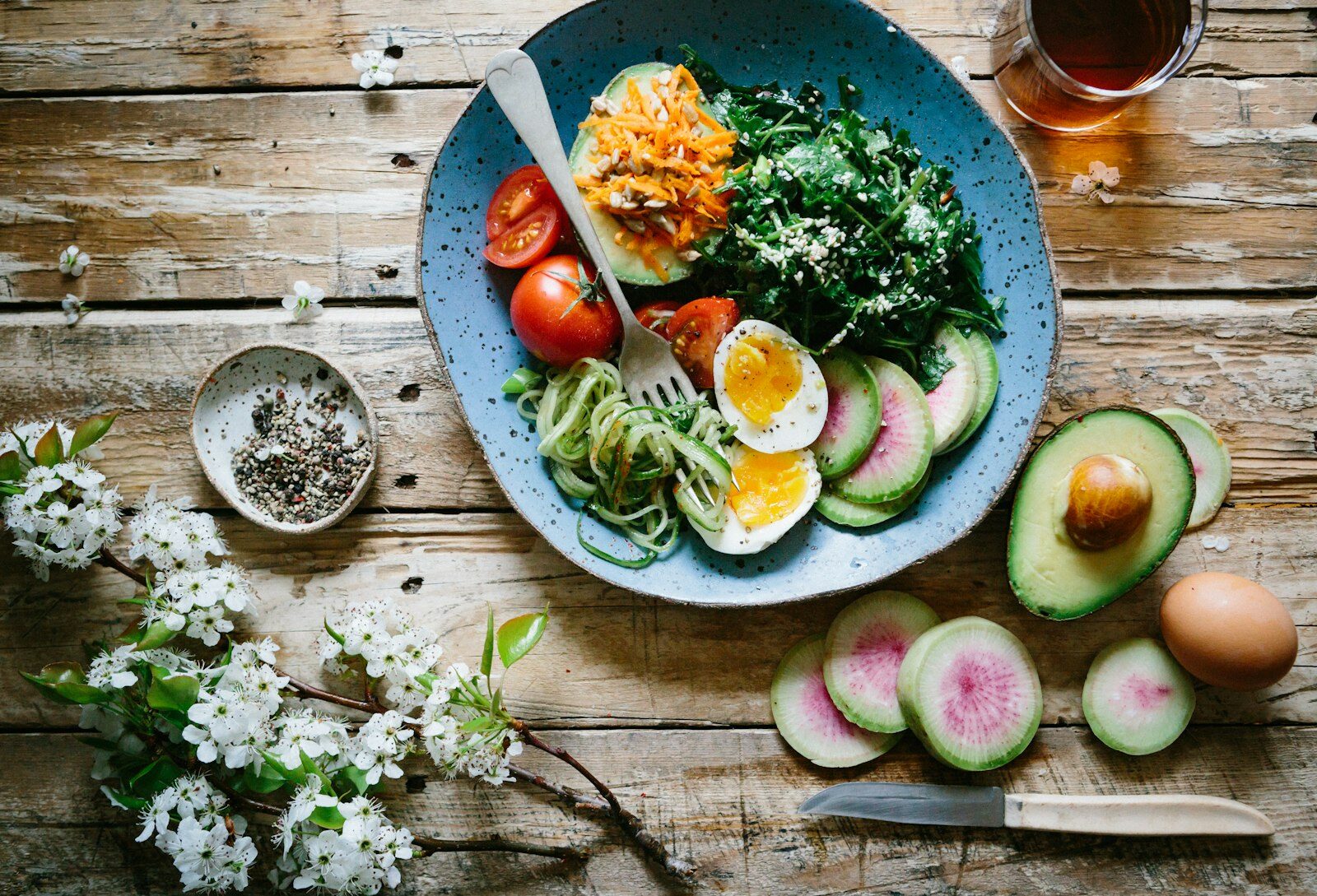
There’s a specific kind of frustration that only arrives in July. It’s not the sharp, cold anger of a winter argument. It’s a slow, simmering irritation—the kind that makes you snap at the barista for taking 30 seconds too long, or feel a surge of road rage over a perfectly normal lane change. You’re not imagining it. Summer, with its relentless sun and buzzing energy, doesn’t just heat our bodies; it stokes our inner fire. In Traditional Chinese Medicine (TCM), this isn’t a character flaw. It’s a predictable pattern, a direct conversation between the season and your spirit. Today, let’s talk about why the heat makes us hot-headed, and more importantly, how to find your cool again using wisdom that’s been tested for centuries.
The Fire Within: Understanding the Heart and Shen Connection
In TCM, summer is the season of the Heart. This isn’t just the physical pump in your chest. The Heart is the “Emperor” of all organs, the seat of our consciousness, our joy, and our Shen—often translated as spirit or mind. The Heart’s element is Fire. During summer, the external heat resonates with and amplifies this internal Fire. It’s like adding gasoline to a campfire. Your Heart’s energy, normally in a balanced flow, can become excessive.
When the Heart Fire blazes too brightly, it doesn’t just create joy (its positive emotion). It creates agitation, anxiety, insomnia, and—yes—anger. You see, in the five-element system, the Heart (Fire) “controls” or regulates the Liver (Wood). The Liver is the organ of smooth energy flow and planning. When its energy gets stuck, it manifests as frustration, irritability, and that feeling of being “wound up.” An overheated Heart Fire can fail to properly regulate the Liver, allowing its stagnant energy to flare up as anger. Think of it like a frantic, overheated boss (Heart) losing control of a well-meaning but overwhelmed employee (Liver). Chaos, and a lot of yelling, ensue.
I remember one blistering August afternoon in my childhood home. My grandmother was meticulously preparing mung bean soup. I was a restless teenager, complaining about the heat, my sticky skin, my boredom. She looked at me with a knowing smile and said, “Your little heart is too hot today. Drink this. Cool the emperor, and the kingdom will be peaceful.” At the time, I just wanted air conditioning. Now, I understand she was prescribing a direct remedy for summer anger, cooling the Heart Fire to soothe the entire system.
Signs Your Inner Fire is Overheated
How do you know if your summer frustration is more than just a bad day? TCM looks at patterns. You’re not just angry; you’re angry in a specific way, with accompanying signs that point to an internal imbalance. Here’s what an excess of Heart Fire might look like in your body, mind, and sleep.
- Physical Signs: A red, flushed face (especially the cheeks), a tip-of-the-tongue redness, mouth sores or a constantly dry mouth, a feeling of heat in the chest, heart palpitations, and a rapid pulse.
- Emotional & Mental Signs: Restlessness, an inability to sit still, excessive talking, laughing at inappropriate times, a sharp and cutting tongue (snapping at loved ones), and a feeling of being easily “touched off” or overwhelmed by stimulation.
- Sleep Disturbances: This is a classic. You feel exhausted but your mind races the moment your head hits the pillow. You might have vivid, disturbing dreams, or wake up around 1-3 AM (the Liver time) drenched in sweat with your heart pounding.
Sound familiar? This pattern is why a simple argument in January might be resolved calmly, but the same argument in July can erupt into a full-blown, door-slamming fight. The fuel for the fire is already there; the season just provides the spark.
The Cooling Pantry: Your Food is Your First Medicine
The most direct way to cool internal heat is through what you eat and drink. In summer, we instinctively reach for cold drinks and ice cream, but in TCM, this can actually backfire. Extremely cold foods shock the digestive system (the Spleen and Stomach), impairing its ability to transform and transport fluids, which can lead to more dampness and stagnation. Instead, we want cooling foods that gently clear heat without damaging digestion.
My grandmother’s mung bean soup (Lǜ Dòu Tāng) is the gold standard. Mung beans are sweet and cooling, and they specifically target Heart and Stomach heat. For a simple version: Rinse 1 cup of dried mung beans. Place them in a pot with 6 cups of water. Bring to a boil, then simmer for 20-30 minutes until soft. You can add a handful of dried lily bulbs (Bǎi Hé), which are wonderful for calming the spirit and moistening the lungs (another cooling action), and sweeten lightly with rock sugar at the end. Drink a small bowl daily, or 2-3 times a week.
| Food | Thermal Nature | Best For | Simple Daily Use |
|---|---|---|---|
| Mung Bean | Cool | Clearing summer heat, quenching thirst, calming the mind. | Soup, or sprout them for salads. |
| Watermelon | Cold | Intense thirst, irritability, flushed face. Eat in moderation. | A small wedge after lunch, not on an empty stomach. |
| Chrysanthemum Tea | Cool | Red, itchy eyes, headaches, dizziness from heat. | Steep 5-6 flowers in hot water for 5 minutes. |
| Lotus Root | Cool | Cooling blood, stopping bleeding, calming restlessness. | Sliced and stir-fried with celery. |
| Cucumber | Cool | Quenching thirst, reducing swelling, mild irritability. | Eat raw, or make a chilled cucumber-avocado soup. |
| Bitter Melon | Cold | Clearing intense heat, especially for those with a red face and bitter taste in mouth.Slice, salt for 10 mins, then stir-fry with egg. |
A crucial note: If your digestion is weak (you often feel bloated, have loose stools, or feel tired after eating), go easy on the colder items like watermelon and bitter melon. Focus on the gently cooling options like mung beans and cucumber.
Movement & Stillness: Finding Your Summer Rhythm
Summer energy is Yang—it’s expansive, active, and outward. But if your internal fire is already raging, intense exercise is like throwing a log on the blaze. The goal isn’t to suppress your energy, but to regulate it. This means shifting your exercise timing and type.
Movement Rule #1: Avoid the Peak. Do not do vigorous exercise between 11 AM and 3 PM. This is when the sun’s Yang energy is most potent, and you risk easily overheating. Shift your run, hike, or high-intensity workout to the early morning (before 10 AM) or evening (after 6 PM).
Movement Rule #2: Embrace Water. Water is the element that directly controls Fire. Swimming is the perfect summer exercise—it’s cooling, rhythmic, and requires focused breath, which calms the mind. If you can’t swim, even walking in a shallow stream or sitting by a lake can have a regulating effect.
Movement Rule #3: Choose Cooling Practices. Swap a hot, intense yoga class for a Yin Yoga session. The long, passive holds (3-5 minutes per pose) cool the system, stretch the connective tissues (which store Liver energy), and calm the nervous system. Poses like Sphinx, Seated Forward Fold, and Reclining Butterfly are especially good. Similarly, Qigong forms like “Pushing Mountains” or simple, slow Tai Chi movements help circulate Qi without generating excessive internal heat.
 qigong-pose-summer.jpg” alt=”A person performing a gentle, cooling Qigong pose outdoors in a shady garden to manage summer anger TCM”/>
The Acupressure Cool-Down: Your Emergency First Aid Kit
When you feel that wave of irritation rising—your jaw tightening, your thoughts sharpening—you don’t have to be a slave to it. You have a built-in cooling system you can access in 60 seconds. These are two of the most powerful points for clearing Heart and Liver heat.
1. Heart 7 (Shen Men – “Spirit Gate”): This is the master point for calming the Shen and cooling Heart Fire. Location: On the wrist crease, in the little finger side depression, just inside the tendon. Action: Use the thumb of your opposite hand to apply firm, steady pressure for 1-2 minutes on each wrist. Breathe deeply. You should feel a subtle release, a sense of calm descending.
2. Liver 3 (Tai Chong – “Great Surge”): This is the master point for smoothing Liver Qi and “moving” that stuck, frustrated energy. It’s the first aid point for any kind of anger or irritability. Location: On the top of the foot, in the depression where the bones of the big toe and second toe meet. Action: Press firmly with your thumb, massaging in small circles for 1-2 minutes per foot. This point can be quite tender, which is a sign you’ve hit the right spot.
Use these points together. Start with Liver 3 to move the stagnant energy, then apply Heart 7 to calm the resulting fire. It’s a powerful one-two punch.
Cooling the Mind: The Practice of “Xia Huo”
In Chinese, we have a phrase: “Xia Huo” (下火), which literally means “to lower the fire.” It’s a concept used in both medicine and daily life. When someone is obviously agitated, you might tell them to xia huo—to cool down. But it’s not just about suppressing emotion. It’s about creating an internal environment where that fire can naturally dissipate. This is the true mindful practice of summer.
Create a “Cool” Environment: This is both literal and metaphorical. Literally, keep your bedroom dark and cool for sleep (aim for 65-68°F). Use a blue or green color scheme in your decor if possible—these are cooling colors in TCM. Metaphorically, this means curating your information diet. Limit exposure to inflammatory news, heated social media arguments, and high-drama TV, especially in the evening. Your mind needs space to cool down before sleep.
Adopt the “Summer Mind” of Water: Water doesn’t resist; it flows around obstacles. When faced with a frustrating situation, practice the pause. Before you react, take one slow breath and ask: “Is this a fire that needs to be fought, or a current I can flow around?” Often, the most powerful response is a quiet refusal to be heated. This is the essence of wu wei (effortless action) in summer—acting with efficiency, not force.
“In the height of summer, the sage cultivates a mind like a deep, still lake—reflecting the heat of the world without being warmed by it.”
Common Questions
Is it okay to drink iced drinks in summer if I’m feeling angry?
In TCM, while the initial shock of cold can feel good, it’s generally advised against, especially for long-term balance. Iced drinks contract the digestive system, impairing the Spleen’s function. This can lead to the creation of Dampness, which further obstructs Qi flow and can actually trap heat in the interior. It’s a short-term fix that can worsen the long-term problem. Opt for room temperature or slightly cool beverages instead. A glass of water with a few slices of cucumber or a sprig of mint is far more effective and kinder to your system.
I get angry in summer but also feel exhausted. Is this still excess heat?
This is a very common and important pattern. You’re describing what TCM calls “Deficiency Heat.” This occurs when the body’s cooling, nourishing fluids (Yin) are depleted, often from overwork, chronic stress, or not resting enough. The Yin can no longer anchor the Yang (heat), so the heat flares up as irritability and restlessness, even as the body is fundamentally tired. The approach here is different. Instead of just clearing heat, you need to nourish Yin. Foods like pear, apple, goji berries, and black sesame seeds are excellent. Rest is non-negotiable. The cooling acupressure points will still help, but the core solution is replenishment, not just extinguishing fire.
Can children experience summer anger from a TCM perspective?
Absolutely. In fact, children are often more susceptible. In TCM, a child’s physiology is described as being “all Yang,” with a fast metabolism and organs that are not yet fully mature. Their systems can heat up very quickly. You’ll see this as increased irritability, tantrums, night terrors, and a red face. The same principles apply: offer cooling foods (mung bean soup is great for kids), ensure they drink enough fluids, and maintain a calm, cool sleep environment. A gentle massage on their feet at Liver 3 and Heart 7 before bed can work wonders to settle their energy.
The bottom line: Summer anger is a real, physiological response to the season’s heat amplifying your internal Fire, particularly affecting the Heart and Liver. You can manage it effectively by cooling your diet with specific foods like mung beans and cucumber, adjusting your exercise to cooler times and gentler forms, using acupressure points like Heart 7 and Liver 3 for quick relief, and cultivating a mental practice of flowing around obstacles rather than fighting them. Listen to your body’s signals—they’re a conversation, not a condemnation.
This article is for educational purposes and reflects traditional wellness perspectives. It is not a substitute for professional medical advice, diagnosis, or treatment.