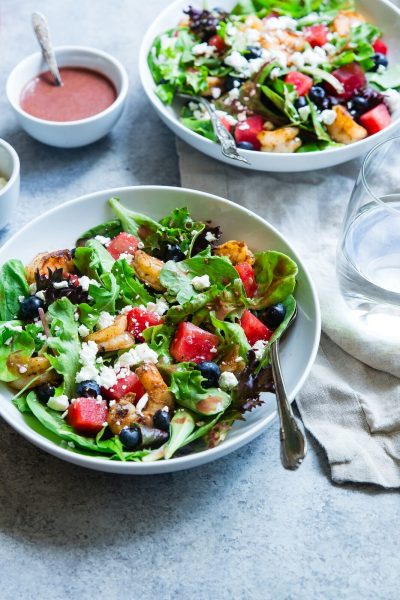
It hits around 2 p.m. on a hot July afternoon. You’ve had a light lunch—maybe a salad with grilled chicken—but instead of feeling energized, you’re dragging. Your stomach feels tight, bloated, like a water balloon. You might even feel a little nauseous or just… heavy. If you’ve ever wondered why your digestion seems to go on vacation when the temperature rises, you’re not alone. In Traditional Chinese Medicine (TCM), this isn’t just a random inconvenience; it’s a predictable pattern with a specific cause and a beautifully simple solution, one that likely already lives in your kitchen.
- Why Summer Bloating Happens: The TCM Diagnosis
- The Hero Herb: Why Mung Beans Are Your Summer Best Friend
- The Classic Recipe: Mung Bean & Lily Bulb Soup (Lǜ Dòu Bǎi Hé Tāng)
- Beyond the Bowl: 5 More Ways to Use Mung Beans for Summer Comfort
- The Summer Bloat Prevention Plan: Daily Habits That Support Your Spleen
Why Summer Bloating Happens: The TCM Diagnosis
Before we get to the remedy, we need to understand the engine under the hood. In TCM, your digestive system is called the “Spleen and Stomach” network. Think of the Spleen as your body’s internal chef and logistics manager. Its job is to transform the food you eat into usable energy (qi) and transport that energy to every cell. It prefers warmth and dryness to do its job efficiently. Now, picture summer. The external environment is hot and damp (think humid days, air conditioning, swimming, ice drinks). This external Dampness has a nasty habit of invading your body and weighing down your already-hardworking Spleen.
When the Spleen is bogged down by Dampness, its transformation and transportation functions slow to a crawl. Food sits in your stomach, fermenting instead of digesting, leading to that classic bloating, heaviness, and fatigue. It’s like trying to cook a stir-fry in a pot that’s half-full of water—you just get a steamy, soggy mess, not a quick, energizing meal.
“When the Spleen is weak, Dampness accumulates. When Dampness accumulates, the Spleen becomes weaker. Breaking this cycle is the key to summer wellness.”
This cycle explains why simply eating “light” foods like raw salads or drinking icy smoothies can sometimes backfire in summer. They’re cold and damp by nature, adding to the burden on your Spleen. The goal isn’t just to eat less; it’s to support your digestive fire with the right kind of fuel.
The Hero Herb: Why Mung Beans Are Your Summer Best Friend
If I had to choose one food to represent summer in my family’s kitchen, it would be the humble mung bean (lu dou). My grandmother used to say, “In the seventh month, eat mung beans and stay cool.” She’d make a big pot of simple mung bean soup every few days, and it was our go-to drink for everything from feeling overheated to having a puffy face in the morning. This isn’t just folk wisdom; it’s a core principle of Chinese food therapy.
Mung beans are classified as sweet and cold in TCM. This is a perfect combination for summer. The “cold” nature directly clears Heat from the body and the Stomach channel, while the “sweet” nature nourishes the Spleen without taxing it. Most importantly, they are a premier Dampness-draining food. They have a natural diuretic effect, helping your body gently flush out excess fluid that’s causing that bloated, puffy feeling. They’re like a gentle, internal dehumidifier for your system.
Modern nutrition backs this up: mung beans are rich in potassium, which helps balance sodium and reduce water retention, and they contain resistant starch that feeds your good gut bacteria, aiding digestion from another angle.
The Classic Recipe: Mung Bean & Lily Bulb Soup (Lǜ Dòu Bǎi Hé Tāng)
This is the simplest, most effective version of the remedy. My family often adds lily bulb (bai he) because it’s wonderfully moisturizing for the lungs, which can get dry from air conditioning, and it has a calming effect on the mind—perfect for the restless energy summer heat can sometimes bring.
| Ingredient | Amount | TCM Function |
|---|---|---|
| Dried Mung Beans | 1 cup (about 200g) | Clears heat, drains dampness, detoxifies |
| Dried Lily Bulbs (Bai He) | 1/4 cup (about 30g) | Moistens lungs, calms the spirit |
| Water | 8 cups (about 2 liters) | Base liquid |
| Rock Sugar (optional) | 2-3 tablespoons, to taste | Mildly nourishes the spleen, harmonizes flavors |
- Step 1: Soak. Rinse the mung beans and lily bulbs. Soak them together in the 8 cups of water for at least 2 hours, or overnight. Soaking reduces cooking time and makes the beans easier to digest.
- Step 2: Simmer. Bring the pot with the beans, bulbs, and soaking water to a boil. Once boiling, reduce the heat to a low, gentle simmer. Cover the pot with a lid slightly ajar to prevent boiling over.
- Step 3: Cook. Simmer for 45-60 minutes, until the beans have burst open and the soup is slightly thick and cloudy. The lily bulbs will become soft and translucent.
- Step 4: Sweeten. Turn off the heat. Stir in the rock sugar until dissolved. The soup should be subtly sweet, not sugary.
- Step 5: Serve. You can drink the soup warm, at room temperature, or chilled. For bloating, I find room temperature is most effective—too cold can shock the Spleen. Eat the beans and bulbs too; they’re the most potent part!
Key Timing: Drink 1 cup, 2-3 times a week, throughout the hottest months. For acute bloating after a heavy meal, a warm cup can provide relief within an hour.

Beyond the Bowl: 5 More Ways to Use Mung Beans for Summer Comfort
The soup is the foundation, but you can integrate this power food into your routine in other ways.
- Mung Bean Tea (Lǜ Dòu Shuǐ): For a quicker, lighter remedy, use 1/2 cup of mung beans in 6 cups of water. Boil for just 15-20 minutes until the water turns a light green. Strain and drink the water. This is purely for clearing heat and dampness without the heaviness of the beans themselves. Perfect if you’re not very hungry.
- Mung Bean & Barley Congee: Replace 1/4 of the rice in your usual congee (rice porridge) recipe with mung beans and add a handful of Job’s tears barley (yi yi ren), another superb dampness-draining grain. Cook as usual. This is a fantastic, easy-to-digest breakfast for hot, humid mornings.
- Cooling Face Mask: This is an old-school beauty secret. Grind soaked mung beans into a paste, mix with a little plain yogurt or honey, and apply to your face for 15 minutes. It’s said to draw out heat and reduce puffiness. My aunt swore by this for her summer skin.
- Mung Bean Sprouts (Dòu Yá): Eat them raw in salads or lightly stir-fried. Sprouts are even cooler in nature than the whole bean and are fantastic for clearing summer heat from the head and eyes—think of that irritable, fuzzy-headed feeling on a scorching day.
- The “Three-Bean” Summer Salad: Combine cooked and cooled mung beans with black beans (good for the Kidneys) and edamame (soybeans, good for overall qi). Dress with a simple rice vinegar, sesame oil, and a pinch of salt. It’s a complete, cooling, protein-packed meal.
The Summer Bloat Prevention Plan: Daily Habits That Support Your Spleen
The mung bean remedy works best when paired with habits that don’t create more Dampness in the first place. Think of it as bailing water out of a boat while also patching the leak.
1. Temperature is Everything: Avoid the “triple threat” of icy drinks, excessive raw food, and blasting air conditioning directly on you. Let your food be at least room temperature. If you love salads, add warming elements: a grilled protein, a sprinkle of toasted sesame seeds, or a dressing with a little fresh ginger juice.
2. The Power of Bitter: While mung beans are sweet and cooling, incorporating bitter flavors is another key TCM strategy for summer. Bitter foods drain heat and dampness from the top down. Think of bitter melon (stir-fried with a little black bean sauce), arugula in your salad, or a cup of green tea or dandelion root tea after lunch.
3. Gentle Movement After Meals: Don’t collapse on the couch after eating. A 10-minute slow walk, especially after dinner, does wonders. It helps the Spleen “transport” the qi from food, preventing stagnation. In Chinese, we say this helps the “middle burner” (your digestive area) keep things moving.
4. Mind Your Environment: Humidity is Dampness. Use a dehumidifier in your home if you live in a tropical or very humid climate. Change out of sweaty clothes promptly. Damp environments breed Dampness in the body.
Common Questions
Can I use canned mung beans or pre-made soup from a can?
For the best therapeutic effect, no. Canned beans are often packed in syrup or preservatives, and the long, slow simmering process is what extracts the healing properties and makes the beans truly digestible. Pre-made soups often contain added sugars and lack the potency of a freshly made batch. Taking the 10 minutes to soak and an hour to simmer is part of the mindful practice—and it tastes infinitely better.
I’ve heard mung beans can be cooling. Is it safe for everyone?
This is a crucial point. Yes, mung beans are cooling. If you are someone who is always cold, has very loose stools, or feels weak and fatigued even in summer, you should use them cautiously. Start with the lighter “tea” version (just the water) and see how you feel. You can also balance them by adding a few slices of fresh ginger or a couple of red dates (hong zao) to the soup while cooking. This “warming” addition helps protect the Spleen’s core function while still allowing the beans to drain dampness.
How soon will I feel a difference in my bloating?
For acute bloating after a specific meal, drinking a cup of the warm soup can bring noticeable relief within 30-60 minutes. You’ll likely feel your stomach gurgle as things start to move—that’s a good sign! For the chronic, heavy feeling of summer sluggishness, consistency is key. Incorporating the soup 2-3 times a week for two to three weeks should lead to a significant reduction in that overall heavy, puffy feeling. You’ll notice your energy is lighter and more stable throughout the day.
The bottom line: Summer bloating isn’t a mystery—it’s your body’s Spleen system struggling with environmental heat and dampness. The time-tested TCM answer is to cool, drain, and gently support that system with the humble, powerful mung bean. A simple pot of mung bean soup, made with intention and eaten regularly, is one of the most direct and effective ways to find comfort, lightness, and real energy all summer long. It’s not a fad; it’s food as medicine, passed down through generations for good reason.
This article is for educational purposes and reflects traditional wellness perspectives. It is not a substitute for professional medical advice, diagnosis, or treatment.