There is a specific kind of heaviness that settles in the gut during summer. It’s not the sharp pain of something you ate last night, nor the tightness of winter stress. It’s a slow, heavy, damp feeling—like a wet towel sitting in your stomach. Your pants feel tight after a salad, you feel sluggish despite the long days, and the usual advice to “drink more water” or “eat a big raw salad” seems to make it worse. If this sounds familiar, you’re not alone. In Traditional Chinese Medicine (TCM), this summer bloating isn’t a mystery; it’s a predictable consequence of the season itself. And the cure isn’t hiding in a supplement aisle. It’s likely already in your kitchen, but you’re overlooking it because it doesn’t look flashy. Let’s talk about why summer makes us bloated, and how to use the simple, wise foods your grandmother—and her grandmother—would have reached for.
Why Summer Bloating Isn’t Just “Too Much Barbecue”
In Western thinking, summer bloating is often blamed on overindulgence: one too many beers at the cookout, a heavy meal. While that can contribute, TCM offers a more profound explanation. The core issue is Summer Dampness (Shu Shi). Summer isn’t just hot; it’s the season of both Heat and Dampness—a potent combination. Heat rises and expands, while Dampness is heavy, sticky, and sinks downward. When they combine inside your body, they create a kind of internal humidity that overwhelms your Spleen.
In TCM, your Spleen (Pi) isn’t just the organ; it’s an entire functional system responsible for transformation and transportation. Think of it as your body’s internal logistics manager. It takes the food and drink you consume and turns it into usable energy (Qi) and fluids, then sends everything where it needs to go. The Spleen loathes dampness. Its job is to keep things moving and dry. When external summer dampness invades (think humidity, swimming, over-consumption of cold drinks), or when internal dampness is generated (from rich, greasy, or cold foods), the Spleen becomes overwhelmed. It can’t process the fluids effectively. Things start to stagnate, ferment, and create that unmistakable feeling of bloating, heaviness, and fatigue. Your digestion slows to a crawl.
“The Spleen is the source of life, and it must be kept dry and warm to function. Dampness is its greatest enemy.”
My grandmother had a saying for those humid, heavy days in July: “The sky is crying, and so is your stomach.” She knew that when the air was thick, our bodies would feel it internally. Her response wasn’t to chug ice water or eat a mountain of raw cucumber. It was to brew specific herbs and cook certain grains that would help our bodies “dry out” from the inside.
The Counterintuitive Kitchen Cure: Less Salad, More Soup
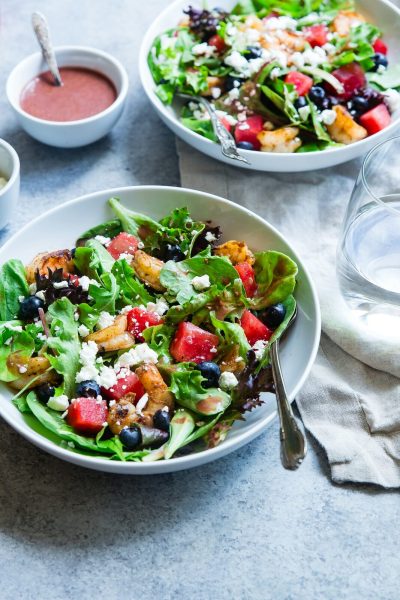
Here’s the insight that trips up so many well-intentioned health seekers: the very foods we crave in summer—cold, raw, damp-producing—are often what make the bloating worse. That big, beautiful raw vegetable salad drenched in vinaigrette? It’s like asking your already overloaded Spleen to process a big, cold, hard-to-digest lump. The cold temperature and raw fiber require immense digestive energy, which a damp-affected Spleen simply doesn’t have.
The TCM kitchen cure is counterintuitive: to banish summer dampness, you need to gently warm and drain the system, not flood it with more cold. This doesn’t mean eating heavy, spicy foods in a heatwave. It means shifting to easily digestible, lightly cooked foods and, most importantly, incorporating specific herbs and grains that have an innate ability to “resolve dampness.” The goal is to support your Spleen’s logistics function, helping it clear the backlog.
The star players in this kitchen remedy cabinet are often overlooked because they’re humble. They’re not trendy superfoods from the Andes; they’re staples in every traditional Asian pantry.
Your Summer Dampness-Busting Pantry: 3 Heroes
Let’s get specific. If you want to act today, stock these three items. They are the foundation of countless summer remedies in Chinese households.
- Job’s Tears (Yi Yi Ren / Coix Seed): This is the undisputed king of damp-draining grains. It looks like a plumper, whiter barley. In TCM, it is classified as sweet, bland, and slightly cool. Its blandness is key—it means it has a leaching, draining quality. It gently encourages urination to flush out excess fluid without being harsh. It’s incredibly versatile. My family would always have a jar of these in the pantry during summer.
- White Atractylodes Rhizome (Bai Zhu): This is a true Spleen Qi tonic. It’s a sliced, dried root (looks like a small, flat piece of wood). It is warm, bitter, and sweet. Its job is twofold: it strengthens the Spleen’s transforming function and it dries dampness. It’s the herb that helps your internal logistics manager get back to work. You can find it at any Chinese herbal pharmacy or well-stocked Asian market.
- Poria (Fu Ling): This is a fungus that grows on pine tree roots. It might sound odd, but it’s a cornerstone herb. It’s sweet, bland, and neutral. Like Job’s Tears, it promotes urination to drain dampness, but it also calms the mind and strengthens the Spleen. It’s incredibly gentle and safe. It often comes as a white, block-like piece or sliced. It’s tasteless, so it blends into soups and teas seamlessly.
The power isn’t in any one of these, but in their synergy. They work together to strengthen, drain, and transform.
 herbal tea with Job’s Tears and Poria for summer bloating TCM remedy”/>
The Everyday Summer Tea That Changes Everything
The simplest way to use these heroes is in a daily decoction—a fancy word for a slow-simmered tea. This isn’t a delicate green tea. It’s a functional, nourishing broth you sip throughout the day. It works best when consumed warm or at room temperature, not iced.
Simple Summer Dampness-Draining Tea
Ingredients:
- 1/4 cup Job’s Tears (Yi Yi Ren), rinsed
- 3-4 slices of dried White Atractylodes (Bai Zhu), about 5 grams
- 1 small handful of Poria (Fu Ling), about 10 grams, broken into pieces
- 6 cups of water
Method:
- Place all ingredients in a pot. Bring to a boil.
- Reduce heat to a very low simmer, cover, and let it cook for 45-60 minutes.
- Strain. You can eat the softened Job’s Tears if you like, or discard them.
- Sip 1-2 cups warm throughout the day. Make a fresh batch every other day.
You will notice the effects not in a dramatic purge, but in a gentle shift: your stomach feels less tight after meals, your energy picks up in the afternoon, and you start to feel “lighter.” The tea helps your body process and eliminate the dampness through gentle urination.
Beyond the Tea: Summer Foods That Heal
The tea is your foundation, but your daily meals are where the magic happens. Think of your summer diet as a “dampness-aware” eating plan. It’s not about restriction; it’s about making smarter choices for the season.
| Category | Foods to Embrace | Foods to Minimize | Why (In TCM Terms) |
|---|---|---|---|
| Grains & Starches | Job’s Tears, barley, rice, corn, oats | Excessive wheat (bread, pasta), dairy-heavy grains | Wheat can be damp-forming; the listed grains are neutral or damp-draining. |
| Vegetables | Cooked bitter melon, celery, lettuce, mushrooms, winter melon, green beans | Raw salads in excess, tomatoes (in large amounts), too much spinach | Bitter melon clears heat; winter melon drains dampness. Raw veggies are hard to digest. |
| Proteins | Fish (especially carp), duck, small amounts of lean chicken or pork | Red meat, greasy meats, fried foods | Duck is cooling; fish is light. Red meat and grease create “damp-heat.” |
| Drinks | Warm or room-temp water, barley tea, chrysanthemum tea, the herbal tea above | Iced drinks, excessive fruit juice, alcohol, milk | Cold injures the Spleen’s function; dairy and sugar are major dampness creators. |
| Fruits | Watermelon (in moderation), pear, apple | Tropical fruits (mango, pineapple), bananas, too much citrus | Tropical fruits are often damp and hot; watermelon cools but is cold, so don’t overdo it. |
Notice the theme: warm, cooked, simple. A perfect summer meal might be a simple congee (rice porridge) made with Job’s Tears and a few slices of ginger, topped with some steamed fish and cooked green beans. It’s light, easy to digest, and actively helps your body.
A Recipe for the Worst Days: The “Rescue Congee”
On those days when you feel utterly bloated, fatigued, and like you’re moving through a swamp—this is your rescue remedy. Congee is the ultimate TCM comfort food. It’s not just breakfast; it’s medicine. The long cooking breaks down the rice, making it incredibly easy for your Spleen to absorb. We’re loading it with our dampness-busting heroes.
Summer Dampness Rescue Congee
Ingredients:
- 1/2 cup white rice, rinsed
- 2 tablespoons Job’s Tears, rinsed
- 1 tablespoon Poria, broken up (you can put it in a small muslin bag for easy removal)
- 3-4 slices of fresh ginger
- 6-8 cups of water or light vegetable/chicken broth
- Pinch of salt
- Toppings (after cooking): Sliced green onion, a few drops of sesame oil, a side of steamed greens (like bok choy).
Method:
- Combine rice, Job’s Tears, Poria (in its bag), ginger, and water in a large pot. Bring to a boil.
- Reduce heat to the lowest setting, cover, and simmer for 1.5-2 hours, stirring occasionally, until it becomes a thick, creamy porridge. Add more water if needed.
- Remove the Poria bag and ginger slices. Stir in salt.
- Ladle into bowls. Top with green onion, a drizzle of sesame oil, and serve with your cooked greens.
Eat this for lunch or dinner on a tough day. It’s not just food; it’s a therapeutic intervention for your digestion. You’ll feel the warmth spread through you and the heaviness begin to lift.
Common Questions
1. Can I just take these herbs in pill form?
You can find formulas like Shen Ling Bai Zhu San (which contains all these herbs and more) in pill or powder form. This is a very effective and classic formula for Spleen Qi deficiency with dampness. However, I always recommend starting with the food-based approach—the tea and the congee. Why? Because the act of cooking and sipping is part of the healing ritual. It connects you to the process and allows you to adjust the strength and dosage to your body’s daily needs. If you travel or are very busy, the pill form is a great backup. Look for it in a reputable Chinese herbal brand.
2. How quickly will this work?
This is not an overnight laxative. You are not purging; you are supporting a function. Many people report feeling a difference within 3-5 days of consistently drinking the tea and adjusting their diet. The feeling of heaviness starts to lift, energy improves, and bowel movements may become more regular and well-formed (a key sign of resolving dampness in TCM). For deeper, chronic issues, it may take a few weeks of consistent practice. Listen to your body—if you start feeling too dry (dry mouth, constipation), you can reduce the frequency of the tea.
3. Is this safe for everyone? Are there contraindications?
The herbs listed are considered food-grade and very safe for general use. However, a few notes: if you are pregnant, consult a practitioner before using any herbs. If you have a very dry constitution (always thirsty, dry skin, no bloating), this draining approach may not be for you. If you have a Yin deficiency with heat signs (night sweats, hot flashes), use caution, as the warming and draining nature could be too drying. When in doubt, start with just the Job’s Tears in your cooking—they are the mildest. And, of course, if you have a diagnosed medical condition, this is not a substitute for your doctor’s care.
The bottom line: Summer bloating is often a sign that your body is struggling with seasonal dampness, overwhelming your Spleen’s ability to digest. The overlooked TCM kitchen cure isn’t a trendy supplement, but a return to simple, cooked foods and specific, gentle herbs like Job’s Tears, White Atractylodes, and Poria. By sipping a warm dampness-draining tea, choosing cooked grains and vegetables over cold salads, and enjoying a restorative bowl of congee, you can help your body find its balance and enjoy the light, energetic summer you deserve.
This article is for educational purposes and reflects traditional wellness perspectives. It is not a substitute for professional medical advice, diagnosis, or treatment.