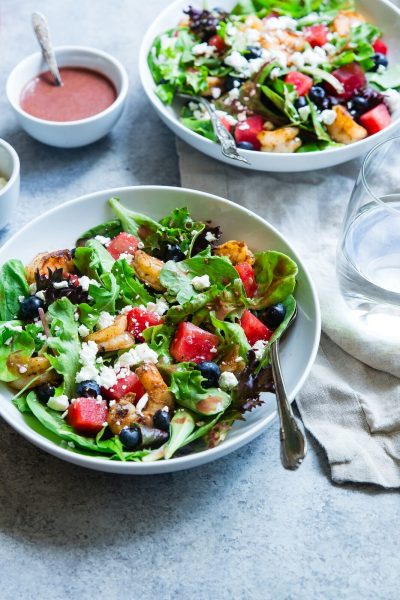
There’s a particular kind of heaviness that settles in during summer. Not just from the air, thick with humidity, but from within. Your stomach might feel like a damp sponge—slow, bloated, and reluctant to move. This isn’t just in your head; it’s a classic pattern recognized for millennia in traditional Chinese wellness. The intense heat outside can create a kind of internal dampness and sluggishness, what we’d call a “damp-heat” state. Your digestion, which thrives on warmth and movement, can become overwhelmed and congested. But the beautiful thing is, the solution is often growing in your garden or sitting quietly in your spice rack. The answer isn’t more ice or heavy salads, but gentle, aromatic kitchen herbs that work like a soft breeze for your insides.
Why Summer Heat Congests Your Digestion
In Traditional Chinese Medicine (TCM), the Spleen and Stomach are the engines of digestion. They love warmth, dryness, and regularity. Summer’s external heat can seem like it would fuel this engine, but it often does the opposite. Excessive external heat can force your body to open its pores and sweat, depleting fluids and energy. This can paradoxically weaken the digestive fire. Furthermore, our summer habits—iced drinks, raw salads, and sugary fruits—add more “dampness” and “cold” to an already taxed system. Think of your digestion like a campfire. A roaring fire (healthy digestion) can handle a few logs. But if you pour a bucket of water (iced drinks) on it, and then pile on wet leaves (raw, damp foods), it will sputter, smoke, and produce very little heat. The result? Bloating, fatigue after eating, and a general sense of sluggishness.
The goal in summer isn’t to extinguish the fire with more cold, but to gently fan it and clear away the damp residue. This is where cooling kitchen herbs come in. They don’t “cool” by being icy; they “cool” by being aromatic, light, and excellent at moving stuck energy and transforming dampness. They’re the gentle breeze that clears the smoke and lets the fire breathe.
“In summer, treat the stomach with mildness. A fragrant herb can do the work of a heavy medicine.”
— Adapted from a traditional Chinese wellness proverb
The 5 Cooling Kitchen Herbs for Summer Digestion
Forget exotic, hard-to-find ingredients. The most powerful tools for summer digestion are likely already in your kitchen. These five herbs are prized in both Eastern and Western herbalism for their gentle, effective action on the stomach.
1. Fresh Mint (Bo He): The Instant Cooler
If there’s one herb that embodies summer relief, it’s fresh mint. In TCM, it’s classified as cool and aromatic. Its primary job is to “release the exterior”—meaning it helps vent trapped heat from the upper body, head, and skin. For digestion, this translates to immediate relief from the bloating and discomfort that comes with heat rising and getting stuck. I remember my grandmother waving a hand at a heavy meal in the summer heat and saying, “Drink mint tea. It lets the heat out the top, so your stomach isn’t a steam room.” She wasn’t far off. Mint’s volatile oils relax the smooth muscles of the digestive tract, easing cramping and gas.
Actionable Tip: Don’t just brew it. For maximum effect, make a “cold infusion.” Take 10-12 large, fresh mint leaves, bruise them gently with the back of a spoon, and place them in a 1-liter glass bottle of room-temperature water. Let it sit in your fridge for 2-4 hours. The slow extraction pulls out the cooling, aromatic oils without any bitterness. Sip this throughout the afternoon. It’s profoundly more effective than a quick hot brew for combating that summer midday slump.
2. Fresh Cilantro (Xiang Cai): The Dampness Transformer
Cilantro is polarizing, but its digestive benefits are undeniable for those who enjoy it. Both the leaves and the stems are used. It’s slightly cool and has a unique ability to promote urination, which is a key way to drain dampness from the body. If your bloating feels watery and heavy, cilantro helps provide an exit route. It’s also traditionally used to detoxify the body and is rich in antioxidants. My family would always add a generous handful of chopped cilantro to summer congee or mung bean soup. It wasn’t just for flavor; it was a strategic move to keep our stomachs light during the hottest months.
Actionable Tip: Use the stems! They hold a ton of flavor and beneficial properties. Make a “Cilantro Stem & Ginger Digestive Broth.” Simmer 1 cup of packed cilantro stems (washed) with 3-4 thin slices of fresh ginger in 4 cups of water for 15 minutes. Strain, add a pinch of sea salt, and sip a small cup after a meal that feels overly heavy or rich. The ginger provides a hint of warmth to balance the cilantro’s cool nature, creating a perfect, harmonious digestive aid.
3. Fennel Seeds (Xiao Hu Xiang): The Gas Reliever
While slightly warming overall, fennel seeds are a cornerstone herb for moving “qi” (energy) in the abdomen. In summer, qi can easily become stagnant due to dampness. Fennel is aromatic and carminative, meaning it excels at relieving gas, bloating, and that “knotting” sensation in the stomach. It gently stimulates peristalsis without being harsh. The anethole in fennel is what gives it its distinctive licorice-like flavor and its antispasmodic properties. After a big summer barbecue with beans and grilled meats, a fennel seed tea is a time-honored digestive rescue in many cultures.
Actionable Tip: Make a simple fennel seed “after-meal candy.” Lightly dry-toast ¼ cup of fennel seeds in a pan over medium heat for 60-90 seconds, just until fragrant and a shade darker. Let them cool completely, then store in a small jar. After meals, chew on ½ teaspoon of these toasted seeds. The gentle heat from toasting activates the volatile oils, making them more potent for digestion. It’s a ritual that signals to your body: “We’re done eating, time to digest.”
4. Dried Tangerine/Orange Peel (Chen Pi): The Qi Mover
This is a secret weapon in the Chinese kitchen. Chen Pi is simply the peel of a mandarin or tangerine, dried and aged for at least a year (often much longer). It’s warm, fragrant, and incredibly effective at regulating qi and drying dampness. It’s like a gentle, citrusy decongestant for your entire digestive system. It helps break down heavy, greasy foods and relieves that full, distended feeling. In my pantry, I have a jar of chen pi from three years ago. The older it gets, the more potent and valuable it becomes in TCM. It’s not for a quick fix, but for building long-term digestive resilience.
Actionable Tip: You can find chen pi at any Chinese herbal shop or well-stocked Asian supermarket. Create a “Summer Stomach Soother” tea by simmering one small piece (about the size of a quarter) of chen pi with 3-4 slices of fresh ginger and a few dried jujube dates in 2 cups of water for 20 minutes. Strain and drink this warm, not hot, in the late afternoon. It’s particularly good if your digestion is sluggish and you feel tired after eating.

5. Fresh Basil (Luo Le): The Aromatic Harmonizer
Sweet basil, especially the variety used in Southeast Asian cooking, is a fantastic summer digestive herb. It’s slightly warming and intensely aromatic. Its role is to “harmonize” the stomach—it doesn’t fight against the heat but helps the stomach function properly within it. It’s wonderful for nausea, loss of appetite, and that general discomfort from heat exposure. In Thai and Vietnamese cuisine, fresh basil is often added at the very end of cooking or served raw as a garnish. This preserves its volatile oils for maximum aromatic and digestive benefit.
Actionable Tip: Make a “Basil & Melon Digestive Salad.” Combine 1 cup of diced ripe cantaloupe or honeydew melon (naturally cooling) with ½ cup of cucumber, a large handful of torn fresh basil leaves, a squeeze of lime, and a tiny pinch of salt and black pepper. The combination of the cooling melon, hydrating cucumber, and aromatic basil creates a dish that’s easy to digest, replenishes fluids, and gently stimulates your appetite without burdening your stomach. It’s the perfect light lunch on a scorching day.
Your Summer Digestion Cheat Sheet
Here’s a quick-reference guide to match your herb to your summer stomach symptom.
| Herb | TCM Nature | Best For (Symptom) | Simplest Use |
|---|---|---|---|
| Fresh Mint | Cool, Aromatic | Bloating with a feeling of heat rising to the head/chest. | Cold-infused water (10 leaves/L). |
| Fresh Cilantro | Slightly Cool | Watery, heavy bloating; feeling of fullness. | Add stems to soups or make a broth. |
| Fennel Seeds | Warm, Aromatic | Gas, cramping, and knotting pains after meals. | Chew ½ tsp toasted seeds after eating. |
| Dried Tangerine Peel | Warm, Fragrant | Sluggish digestion, fatigue after eating, greasy food residue. | Simmer a small piece in tea with ginger. |
| Fresh Basil | Slightly Warm | Nausea, loss of appetite from heat, general discomfort. | Add generously to salads, curries, or summer rolls. |
Putting It All Together: A Day of Gentle Summer Digestion
Start your day not with iced coffee, but with a cup of warm water, perhaps with a slice of ginger and a piece of chen pi if you tend to feel sluggish. Have a breakfast that includes some cooked element—maybe oatmeal with a few sliced almonds and a sprinkle of fennel seeds. For lunch, opt for a grain bowl with grilled chicken or tofu, plenty of steamed or sautéed vegetables (lightly cooked is easier on the stomach than raw), and dress it with a basil-mint pesto. In the afternoon, sip your cold mint infusion. At dinner, have a lighter meal. If you’re having something rich like barbecue, chew your fennel seeds afterward and follow it with a cup of cilantro stem and ginger broth.
The key is consistency and listening to your body’s signals. If you feel a heaviness coming on, you now have a toolkit of gentle, flavorful allies to turn to before reaching for an antacid. These herbs work with your body’s natural rhythms, supporting the digestive process rather than overriding it.
Common Questions
Can I use dried herbs instead of fresh for these remedies?
Absolutely, though fresh is preferable for mint, cilantro, and basil as their volatile oils are most potent when fresh. For fennel seeds and chen pi, dried is the standard and often more effective form. If using dried mint or basil, use about one-third the amount of fresh, and steep for a shorter time to avoid bitterness. The principles remain the same; the strength is just slightly adjusted.
I’ve heard that “cooling” herbs aren’t good for everyone. Is this true?
Yes, this is a nuanced point. In TCM, if someone already has a “cold” stomach (symptoms like preferring hot drinks, loose stools, and feeling cold), they should use these cooling herbs more sparingly and always combine them with a warming element like ginger or cooked in a soup. The herbs on this list, especially mint and cilantro, are generally very safe and gentle for occasional summer use. They are food-grade herbs, not potent medicines. The principle is moderation and balance—if a cooling herb makes you feel colder or your digestion slower, pair it with a slice of ginger or choose a warmer option like fennel or chen pi.
How quickly will I feel the effects of these herbs?
For acute symptoms like bloating or gas from a specific meal, you can feel relief within 15-30 minutes, especially with aromatic methods like chewing fennel seeds or sipping mint tea. For more chronic sluggishness or dampness, think of these herbs as gentle, daily tonics. Their true benefit comes from consistent, moderate use over a week or two, helping to gradually clear congestion and support your digestive energy. They are not instant fixes like pharmaceuticals, but their gentle action leads to more sustainable comfort.
The bottom line: Summer digestive comfort isn’t about fighting heat with more cold. It’s about using nature’s fragrant, aromatic herbs—mint, cilantro, fennel, tangerine peel, and basil—to gently move stuck energy, transform dampness, and support your stomach’s natural function. Keep these five herbs accessible, use them in simple, daily ways, and you’ll navigate the season with a lighter, calmer, and more resilient digestion.
This article is for educational purposes and reflects traditional wellness perspectives. It is not a substitute for professional medical advice, diagnosis, or treatment.