
There is a particular kind of heat that settles into your body on a summer evening. It is not just the temperature outside; it is the lingering warmth of a long day, the hum of the air conditioner, and the restless energy that seems to gather in your feet and ankles. You lie in bed, sheets kicked aside, and sleep feels like a distant shore. This is where an ancient, simple practice comes in: the summer foot soak. Far from being a mere indulgence, this is a targeted, time-tested ritual from Traditional Chinese Medicine (TCM) designed to draw heat downward, calm the nervous system, and prepare your body for the deep, cool rest it craves. It is a conversation with your body, using the language of water and temperature.
The Science and Tradition: Why Your Feet Hold the Key to Cool Sleep
In Western physiology, we understand that our feet are rich in blood vessels and nerve endings. When you soak your feet in warm water, it causes vasodilation—your blood vessels expand. This draws blood flow away from your core and toward your extremities. As the blood moves outward, it carries heat with it, and your core body temperature begins to drop. A lower core temperature is a critical signal for your brain that it is time to sleep.
Traditional Chinese Medicine offers a complementary and beautifully poetic perspective. TCM teaches that summer is dominated by the element of Fire and the energy of Yang—outward, expansive, and hot. While this is natural, an excess of Yang heat can become trapped in the body, especially in the head and heart, leading to irritability, restlessness, and insomnia. The feet, however, are considered the roots of the body, the place where Yin (cool, inward, receptive) energy resides. A foot soak, particularly with specific herbs, acts as a gentle anchor. It uses the principle of “引火下行” (yǐn huǒ xià xíng)—literally, “guiding the fire downward”—to draw that restless summer heat out of your upper body and ground it through the soles of your feet. It is a physical practice for achieving an energetic balance.
“The foot is the mirror of the body. To calm the roots is to calm the entire tree.”
Choosing Your Summer Soak: Simple Ingredients with Purpose
The beauty of a foot soak is its simplicity. You do not need a complex recipe to begin. However, adding certain ingredients can tailor the experience to your specific needs. Here is a guide to choosing your base and enhancements.
The Foundation: Temperature is Everything
For a summer evening, the water should be comfortably warm, not hot. Think of it as a gentle, welcoming warmth, around 37-40°C (98-104°F). You should be able to immerse your feet without gasping. The goal is to encourage vasodilation without adding more heat stress to your system. A 15-20 minute soak is the ideal duration.
Enhancing the Water: A Guide to Common Additions
| Ingredient | Traditional Purpose (TCM) | Western Perspective / Benefit | Best For |
|---|---|---|---|
| Epsom Salt (Magnesium Sulfate) | Draws out dampness and toxins. | May help with muscle relaxation and magnesium absorption through the skin. | General relaxation, sore feet. |
| Fresh Ginger (5-6 slices) | Warms the channels, expels cold, promotes circulation. | Contains gingerol, a warming compound; stimulates blood flow. | Feeling chilled despite the summer heat, sluggish circulation. |
| Mint Leaves (A handful, fresh) | Clears heat, soothes the Liver Qi. | Menthol provides a cooling sensation on the skin, refreshing aroma. | Mental restlessness, feeling overheated. |
| Chrysanthemum Flowers (1/4 cup, dried) | Clears heat, especially from the head and eyes; calms the spirit. | Anti-inflammatory properties; light, pleasant floral scent. | Eye strain, headaches, a racing mind. |
| Lavender Essential Oil (3-5 drops) | Calms the Shen (spirit), harmonizes Qi. | Well-studied for its calming, anxiolytic (anxiety-reducing) effects. | Anxiety, stress, difficulty unwinding. |
Always do a patch test with new ingredients to ensure you have no skin sensitivities. Essential oils should be diluted in a carrier oil or mixed with salts before adding to the water to prevent skin irritation.
The Ritual: A Step-by-Step Guide to Your Evening Soak
Transforming this from a task into a ritual is what unlocks its full power. A ritual is about intention and presence.
- Prepare Your Space: About 30 minutes before you plan to sleep, gather your basin, ingredients, and a towel. Dim the lights in the room. This signals to your brain that the day is ending.
- Set the Temperature: Fill your basin with comfortably warm water. Test it with your elbow—it should feel pleasant, not shocking.
- Add Your Chosen Elements: Stir in your Epsom salts or ginger slices. If using essential oils, mix them with a tablespoon of a neutral oil (like coconut or olive) first, then add to the water.
- Immerse and Breathe: Sit comfortably and place your feet in the water. Close your eyes. Take three slow, deep breaths: inhale through your nose for a count of four, hold for a count of four, and exhale slowly through your mouth for a count of six. This activates your parasympathetic nervous system.
- The Soak: Remain here for 15-20 minutes. You can listen to soft music, an audiobook, or simply enjoy the silence. Gently massage the soles of your feet with your thumbs, focusing on the center point (Kidney 1 in acupuncture, “Bubbling Spring”), which is a key point for grounding.
- Transition to Sleep: After soaking, pat your feet dry thoroughly, especially between the toes. Put on a pair of breathable cotton socks if you like—the gentle warmth they provide can prolong the vasodilation effect. Go directly to bed. Avoid screens and bright lights.
Beyond Sleep: Other Summer Benefits of This Simple Practice
While promoting restful sleep is the primary summer goal, the benefits of a regular foot soak extend further.
Aid for Swollen Feet: Summer heat and humidity can lead to mild edema, or swelling, in the feet and ankles. A cool (not cold) foot soak with Epsom salt can help. The magnesium may assist in reducing inflammation, while the cool temperature can help constrict blood vessels and reduce fluid accumulation. Follow the soak by elevating your feet above heart level for 10 minutes.
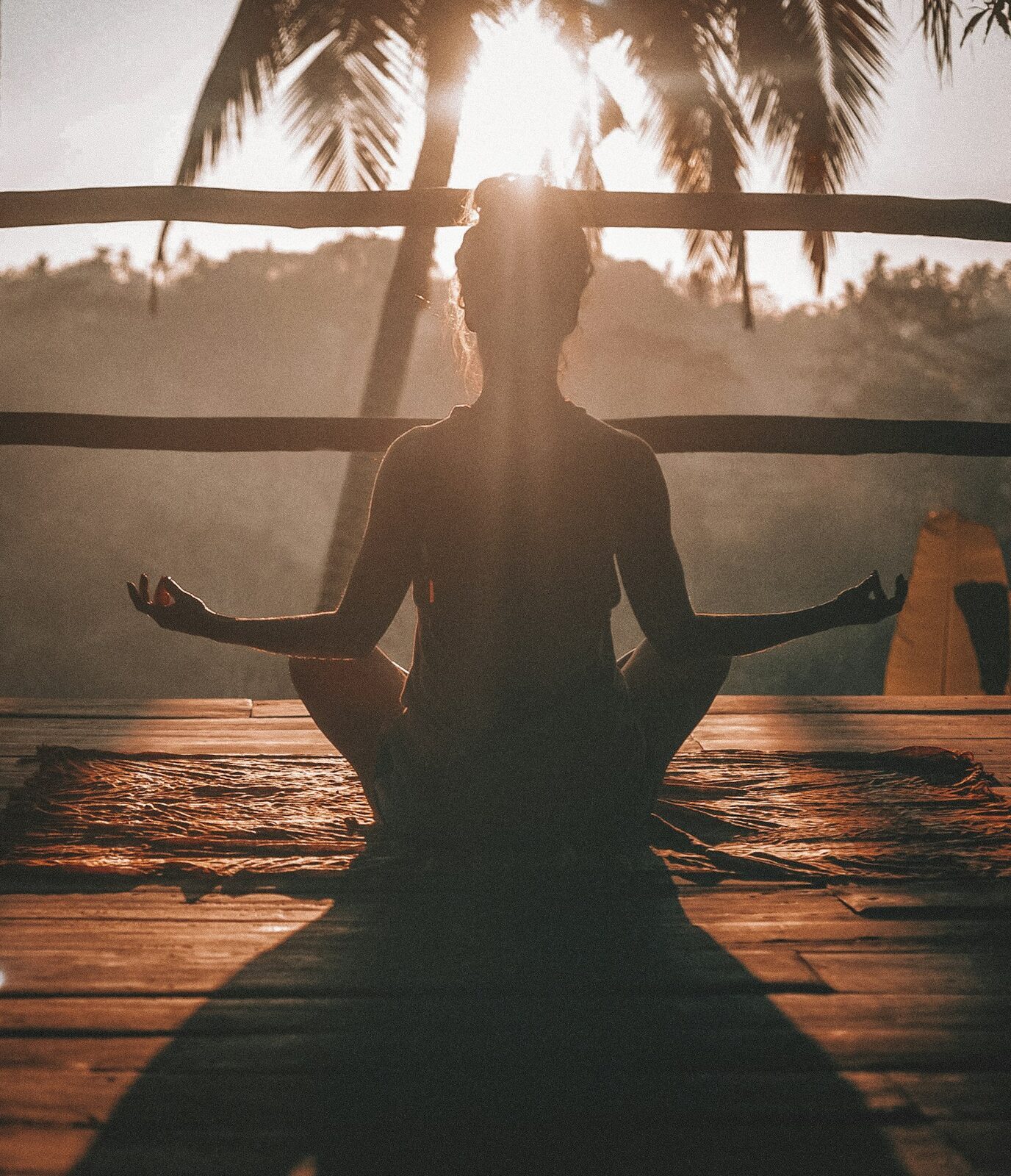
A Mental Reset Button: The ritual itself is a form of mindfulness. The act of preparing the soak, feeling the water, and focusing on your breath creates a clear boundary between the busy day and your personal time. It is a tangible way to practice self-care and say, “My rest matters.”
Support for Digestion: In TCM, the Stomach and Spleen channels begin on the feet. Gentle warming of the feet, especially with ginger, is traditionally used to support digestive fire, which can sometimes become sluggish in the damp heat of summer. A soak after a lighter evening meal can be particularly soothing.
Listening to Your Body: When to Modify or Avoid
This practice is wonderfully safe for most people, but listening to your body is the ultimate wisdom. Here are a few considerations:
- If you have diabetes or peripheral neuropathy: Check the water temperature with a thermometer or have someone else test it for you, as sensation in the feet may be diminished.
- If you are pregnant: Consult with your healthcare provider before using strong herbal additions. Simple warm water soaks are generally considered safe.
- If you have open wounds, severe fungal infections, or skin conditions like eczema: Soaking may irritate the area. Wait until the skin has healed.
- If you feel dizzy or overheated: Stop immediately. This is your body’s signal that the practice is not right for you in that moment.
Common Questions
How often should I do a summer foot soak?
For promoting sleep, consistency is more important than frequency. A nightly ritual for 15-20 minutes is ideal if you are struggling with sleep. For general maintenance and stress relief, 2-3 times per week can be a wonderful and sustainable practice. Listen to your body; if you find it incredibly relaxing, you can do it more often.
Can I use a regular bathtub instead of a basin?
Absolutely! A full bath can also be very relaxing. However, the focused effect on the feet is part of the therapy. If using a full bath, consider adding a cup of Epsom salts and a few drops of lavender oil. The key is to keep the water temperature comfortable, not hot, especially on a summer night. The basin is often preferred because it is quicker, uses less water, and focuses the therapeutic effect.
The water gets cold quickly. What can I do?
This is a common issue. You can start with water at the higher end of the comfortable range (around 40°C). Alternatively, keep a kettle of warm water nearby and add a splash halfway through to refresh the temperature. Using a basin made of wood or a thicker plastic will retain heat longer than a thin metal one. Embrace the cooling as part of the process—the gradual change can itself be a relaxing sensation.
The bottom line: A summer foot soak is a profoundly simple, low-cost, and accessible wellness ritual that bridges ancient wisdom and modern understanding. By drawing heat downward, calming the nervous system, and creating a mindful boundary at the end of the day, it directly addresses one of summer’s most common challenges—restless, overheated sleep. It is an act of kindness you perform for yourself, using nothing more than warm water and a few minutes of quiet intention.
This article is for educational purposes and reflects traditional wellness perspectives. It is not a substitute for professional medical advice, diagnosis, or treatment.