Have you ever noticed that as the thermometer climbs, your patience seems to shrink? Perhaps you feel a surge of irritability on a sweltering afternoon, or a restless anxiety that seems to buzz alongside the cicadas. In Western culture, we might simply blame the discomfort on the heat, but Traditional Chinese Medicine (TCM) offers a deeper, more holistic perspective. It teaches that our external environment and our internal state are inextricably linked, and the summer season, with its fiery energy, has a profound and direct influence on our emotional landscape. Understanding this connection is the first step toward navigating the season with more grace and cool-headedness.
The Fire Element: Summer’s Governing Energy
In the Five Element theory, which is a cornerstone of TCM, each season is associated with a primary element. Summer is the season of Fire. Fire is characterized by warmth, expansion, activity, and joy. It represents the peak of Yang energy—the bright, active, and outward-moving force in nature and within us. Just as the sun blazes at its highest point, our own energy tends to rise and expand.
This Fire energy is not inherently bad. In fact, it is essential for connection, laughter, and the expression of joy. It fuels our social interactions and our ability to feel and share love. However, like any powerful force, it must be in balance. When the external heat of summer combines with our internal Fire element, it can easily become excessive. Think of it like a campfire: perfect for warmth and community on a cool night, but if it roars out of control, it can become destructive. This excess Fire is what TCM practitioners often see as the root of summer emotions that flare up unexpectedly.
The Heart-Mind Connection in TCM
This is where the concept of the “Heart-Mind” becomes crucial. In TCM, the Heart is considered the “Emperor” of the body. It houses what is called the Shen, which can be translated as our spirit, consciousness, or mind. The Shen is responsible for our thoughts, feelings, awareness, and the clarity of our consciousness. Therefore, the Heart is not just a pump; it is the seat of our emotional and mental life.
“The Heart is the sovereign of all organs and represents the consciousness of one’s being. It is responsible for insight, inspiration, joy, and tranquility.”
The Fire element of summer directly governs the Heart and its paired organ, the Small Intestine. When summer’s heat adds fuel to our internal Fire, it can disturb the Heart and unsettle the Shen. This is why summer emotions often manifest as anxiety, restlessness, insomnia, and irritability—these are all signs of a “disturbed Shen.” You might find it harder to focus, feel emotionally scattered, or experience mood swings that seem out of character. The connection is direct: the season’s heat stokes our Heart-Fire, which in turn agitates our mind and emotions.
How Summer Heat Manifests as Emotions
So, what does an “excess Fire” state actually feel like? It’s more than just feeling a bit warm. TCM categorizes the influence of summer into a few key patterns, each with its own emotional signature. Recognizing these patterns in yourself can be incredibly empowering.
The most common manifestation is Heart-Fire Blazing. This is the classic state of summer agitation. Emotionally, you might feel:
- Intense Irritability: Small frustrations feel like major provocations. Road rage, impatience in lines, and snapping at loved ones become more frequent.
- Anxiety and Restlessness: A constant feeling of being “on edge,” with a racing mind and difficulty sitting still. You might feel a vague sense of dread or panic.
- Insomnia: Difficulty falling asleep because your mind won’t “turn off,” or waking up frequently during the night, often feeling hot and agitated.
- Excessive Joy or Mania: This is the flip side. In some cases, the excess Fire can manifest as over-the-top, inappropriate laughter or a manic, scattered energy that lacks grounding.
Another pattern is Summer-Heat Dampness. This occurs in hot, humid climates (think muggy August days). The heat combines with dampness to create a heavy, oppressive internal environment. This often leads to a different emotional set:
- Mental Fog and Heaviness: Feeling sluggish, unable to concentrate, or like your thoughts are moving through molasses.
- Irritability Mixed with Apathy: A frustrating blend of wanting to act but feeling too drained and foggy to do so.
- Emotional Numbness: The dampness can “smother” the Shen, leading to a flat, disconnected feeling.
Understanding whether you lean more toward a “blazing” or “damp” pattern helps tailor your cooling and calming strategies.

Practical Ways to Cool Your Summer Heart-Mind
The goal isn’t to extinguish your inner Fire—that would lead to a cold, joyless state. Instead, we aim to nurture the Yin (the cooling, moistening, receptive energy) to balance the excess Yang (heat, activity). Here are specific, actionable ways to do that, inspired by TCM wisdom.
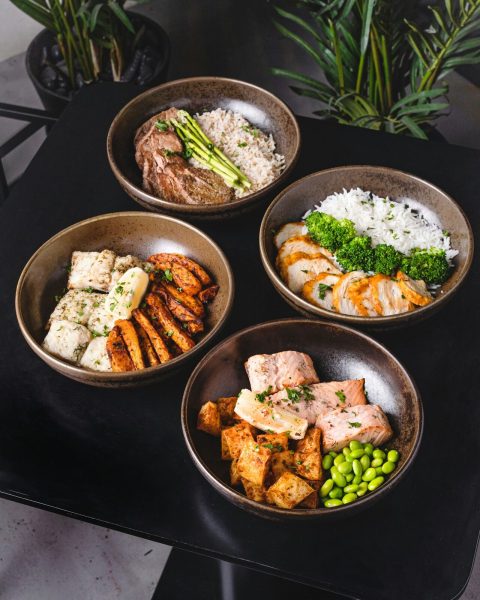
1. Embrace Cooling Foods (But Wisely): Your diet is your first medicine. Focus on foods that are cool in nature and bitter in flavor, as the bitter taste directly clears Heart-Fire.
| Food Category | Examples | TCM Benefit |
|---|---|---|
| Cooling Fruits | Watermelon, cucumber, pears, strawberries, citrus | Hydrate and clear heat. Watermelon is especially prized for quenching “summer-heat.” |
| Green & Bitter Veggies | Bitter melon, celery, lettuce, mung beans, asparagus, kale | Directly drain Heart-Fire and support the Liver (which can get “hot” under Fire’s influence, leading to anger). |
| Light Proteins | Tofu, tempeh, fish, chicken | Easier to digest than heavy red meats, which can generate more internal heat. |
| Hydrating Drinks | Chrysanthemum tea, mint tea, mung bean soup, coconut water | Chrysanthemum tea is a classic TCM remedy for clearing heat from the head and eyes (calming a “hot” head). Avoid excessive iced drinks, which can shock the system and damage digestion. |
2. Adjust Your Daily Rhythm: The ancient text, the Huangdi Neijing, advises to “retire late and rise early” in summer, and to “not tire of the long days.” This means embracing the active energy but also being mindful of rest.
- Midday Rest (11am-1pm): This is the time of peak Heart energy in the TCM clock. A 20-30 minute nap or quiet meditation during this window is incredibly nourishing for the Shen. It prevents the afternoon crash and irritability.
- Evening Wind-Down: As the sun sets, start to transition into Yin mode. Dim the lights, turn off screens, and engage in calming activities. This helps your mind cool down for sleep.
- Mindful Movement: Avoid intense, sweat-drenched exercise in the peak heat (10am-4pm). Opt for early morning or evening walks, swimming, or gentle yoga. The goal is to move Qi without generating excessive internal heat.
3. Acupressure for Instant Calm: You can use your own fingers to tap into your body’s cooling system.
- Heart 7 (Shenmen): On the inner wrist crease, in the small depression on the little finger side. This is the “Spirit Gate” point. Press and hold gently for 1-2 minutes on each wrist when you feel anxious or can’t sleep.
- Pericardium 6 (Neiguan): Three finger-widths up from the inner wrist crease, between the two tendons. This point calms the mind, regulates the heart, and relieves nausea. Great for anxiety with palpitations.
- Governing Vessel 20 (Baihui): At the very top of your head, in line with the tips of your ears. A gentle, circular massage here lifts the spirit and clears heat from the head, helping with mental fog and frustration.
When Summer Emotions Signal Something Deeper
While mild summer irritability is common, sometimes these seasonal flares point to an underlying imbalance that needs attention year-round. If you experience any of the following, it may be beneficial to consult with a licensed acupuncturist or TCM practitioner:
- Debilitating Anxiety or Panic Attacks: If the summer heat triggers severe anxiety that interferes with daily life.
- Chronic Insomnia: Especially if it’s characterized by a racing mind and feeling hot at night.
- Extreme Mood Swings: Moving rapidly between high, manic energy and deep, depressive lows.
- Physical Symptoms with Emotional Roots: Such as heart palpitations, mouth ulcers, a red face, or a bitter taste in the mouth that coincide with emotional distress.
A practitioner can use acupuncture, herbal formulas (like Dao Chi San to clear Heart-Fire or Tian Wang Bu Xin Dan to nourish Heart Yin), and dietary therapy to help restore your unique balance. The summer flare-up is often a messenger, telling you what your body and mind need to address.
Cultivating a Cool, Joyful Summer
Ultimately, the wisdom of TCM teaches us to live in harmony with the seasons. Summer is a time for growth, connection, and joy—the positive expressions of the Fire element. The key is to practice awareness. Notice when the heat, either external or internal, is tipping you out of balance. Use the tools of food, rest, mindful movement, and acupressure to gently nudge yourself back to center.
Think of it as tending your inner garden. You wouldn’t let the summer sun scorch your plants; you’d provide shade and water. Do the same for yourself. By consciously cooling and calming your Heart-Mind, you can fully embrace the warmth and light of the season without getting burned by its emotional intensity. You can experience the true, balanced joy that summer is meant to bring.
Common Questions
Is it normal to feel more anxious in the summer?
Yes, from a TCM perspective, it is very common. Summer’s heat adds to your body’s internal “Fire” energy, which directly governs the Heart and mind (the Shen). This excess heat can stir up feelings of anxiety, restlessness, and a racing mind. It’s often seen as a natural, though uncomfortable, response to the season’s energy.
What is the best tea to drink for summer irritability?
Chrysanthemum tea (Ju Hua Cha) is a top recommendation. It has a cooling nature and a slightly sweet, bitter taste, which makes it excellent for clearing heat from the head and calming the Heart. It’s traditionally used for irritability, headaches, and red eyes caused by heat. Mint tea is another great option for a lighter, refreshing cool-down.
I get very lethargic and foggy in humid heat. Is that related?
Absolutely. This points to the “Summer-Heat Dampness” pattern. The combination of heat and humidity creates a heavy, oppressive environment inside the body. This can smother your energy and cloud your mind, leading to the fatigue and mental fog you describe. Focusing on foods that drain dampness, like mung beans, barley, and celery, and avoiding greasy, heavy foods can be particularly helpful for you.
The bottom line: Summer emotions aren’t random; they are a direct dialogue between the season’s fiery energy and your inner Heart-Mind. By understanding this TCM connection and applying simple cooling, calming practices to nurture your Yin, you can transform summer’s emotional flare-ups into opportunities for deeper balance and genuine, peaceful joy.
This article is for educational purposes and reflects traditional wellness perspectives. It is not a substitute for professional medical advice, diagnosis, or treatment.