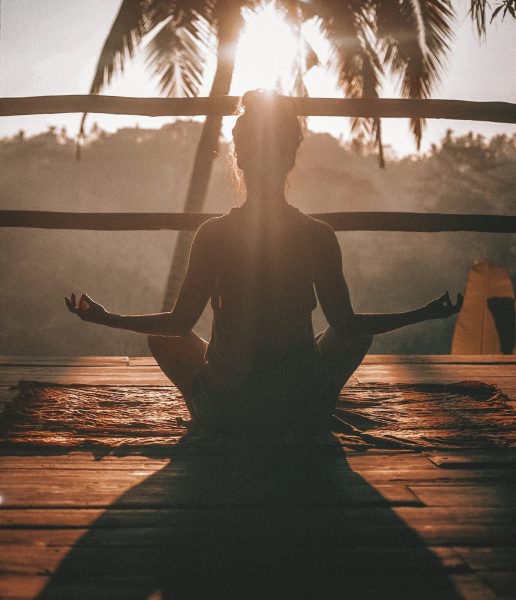
There’s a specific kind of heat that settles over a city in July. It’s not just the temperature; it’s a weight. The air feels thick, the pavement radiates stored sunlight long after sunset, and even the night feels restless. In Traditional Chinese Medicine (TCM), we call this an excess of yang energy—fiery, expansive, and sometimes overwhelming. When your body feels like a pot left on the stove too long, the solution isn’t to add more water; it’s to mindfully turn down the flame and invite in the cooling, receptive energy of yin. This is where a simple, ancient practice meets a modern summer evening: the summer walking meditation. It’s not about distance or speed. It’s about shifting your internal climate, one deliberate, cool-minded step at a time.
Why Walking in the Summer Heat is a Healing Act
We often think of summer as a time for vigorous activity—swimming, hiking, sports. And while joyful movement is wonderful, the relentless yang energy of the season can lead to what TCM calls “Summer Heat” (shu re). This isn’t just feeling warm; it’s a specific pattern that can manifest as irritability, a feeling of heaviness, poor sleep, and even digestive sluggishness. Your body is working hard to regulate its internal temperature. A mindful walking meditation in the cooler evening hours acts as a natural coolant. The slow, rhythmic pace calms the sympathetic nervous system (your “fight-or-flight” response), while the intentional awareness draws your energy inward, away from the frantic, outward-pulling heat of the day.
My grandmother, who grew up in Guangzhou where summer humidity is legendary, never took her midday nap without a bowl of luo han guo (monk fruit) tea by her side. But her real secret was her evening ritual. After dinner, she’d slip on simple cloth shoes and walk slowly around the neighborhood park. She called it “walking the heat out.” She wasn’t exercising; she was conducting a moving meditation. She’d focus on the sensation of the cooler evening air on her skin, the weight of her feet on the earth, and the gradual release of the day’s internal fire. She’d return home with a calm, settled feeling that no amount of air conditioning could replicate.
The Art of Walking with Yin Intention
The goal of this practice is to cultivate yin qualities. In TCM, yin is the cool, quiet, moistening, and inward-focused counterpart to the hot, active, dry, and outward-reaching yang. It’s the moon to the sun, the deep water to the flickering flame. You’re not just walking; you are actively generating a state of inner coolness. This is the deep concept we’ll explore: the walk as a container for yin cultivation.
Imagine your body’s energy as a glass of ice water on a hot day. The yang heat is the sun trying to make the ice melt and the water evaporate. A frantic walk, full of mental chatter, is like shaking the glass—the ice melts faster. A mindful, yin-focused walk is like gently placing the glass in a shady spot. You are creating the internal conditions—through posture, breath, and awareness—that allow your natural coolness to be preserved and even replenished. The key is slowness. You must walk slower than you think is “normal.” If you feel self-conscious, find a quiet park or a safe, empty street in the last hour of daylight.
Your Step-by-Step Guide to the Summer Night Stroll
Find your time: The ideal window is from dusk until about 90 minutes after sunset. In TCM, this transition period from yang (day) to yin (night) is potent for this practice. The air temperature drops, but the ground and buildings may still be radiating gentle warmth. Aim for 20-30 minutes. Any longer and you might become restless; any shorter and you may not fully shift your nervous system.
- Prepare Your Space (Internal & External): Before you leave, sit quietly for two minutes. Sip a small cup of cooled peppermint or chrysanthemum tea (ju hua cha). These herbs are classically used to clear heat from the head and eyes. Set a simple intention: “I walk to release heat and invite calm.”
- The First 5 Minutes – Grounding: Begin walking at a truly leisurely pace. For the first five minutes, your sole focus is the sensation of your feet. Feel the heel connect, then the ball, then the toes. Think “rooting down.” With each step, imagine you are gently pressing excess heat from your body down into the cool earth. This is not visualization fluff; it’s a tactile focus that anchors your mind.
- Minutes 5-15 – The Breath & The Gaze: Shift your awareness to your breath. Inhale slowly through your nose for a count of 4, imagining you are drawing in the cool night air. Exhale slowly through your mouth for a count of 6, imagining a warm, red mist leaving your body and dissipating. Soften your gaze. Don’t stare; let your eyes gently take in the mid-distance—the silhouettes of trees, the fading light on a building. Avoid looking at screens or bright, stimulating lights.
- Minutes 15-25 – The Full Body Scan: Now, expand your awareness to your whole body. As you walk, mentally check in: Is my jaw clenched? Let it soften. Are my shoulders raised by my ears? Let them drop. Is my lower back tight? Imagine a small, warm light there gently melting the tension. You are a slow, peaceful river, not a rushing stream.
- The Final 5 Minutes – Integration: Bring your awareness back to your feet and your breath. As you near home, begin to think of one simple, cooling thing you can do for yourself when you return—a splash of cool water on your wrists, a slice of cucumber, or simply sitting in a dark, quiet room for two minutes before turning on any lights or devices.
| Phase of Walk | Primary Focus | TCM Action | Concrete Tip |
|---|---|---|---|
| First 5 Minutes | Feet & Rooting | Grounding excess yang fire | Walk on grass or bare earth if safe and possible for 1 minute. |
| Next 10 Minutes | Breath & Gaze | Clearing heat from the head & chest | Practice the 4-count inhale, 6-count exhale rhythm for 5 full cycles. |
| Core 10 Minutes | Body Scan & Release | Releasing trapped heat in muscles & organs | Focus on three “heat trap” areas: jaw, shoulders, lower back. |
| Final 5 Minutes | Integration & Return | Sealing the cool yin energy | Plan your “post-walk cool down” ritual before you get home. |

Choosing Your Path: What to Look For
The environment is your partner in this practice. You don’t need a pristine mountain trail. You need a path that offers sensory anchors for your awareness, not sensory overload. Look for routes that have these qualities:
- Trees and Greenery: In TCM, green is the color of the Liver organ system, which governs the smooth flow of qi and can be easily agitated by summer heat. Trees also provide physical shade and are believed to hold cooler, more yin energy. A street with a mature tree canopy is ideal.
- Water if Possible: The sound or sight of water—a fountain, a pond, even a sprinkler on a lawn—is profoundly cooling. It represents the ultimate yin element. If you live near a river, lake, or ocean, an evening walk there can be exceptionally powerful.
- Relative Quiet: Avoid main roads with heavy traffic noise and visual chaos. Seek out residential streets, park paths, or even a quiet cemetery (they are often beautifully landscaped and very peaceful). The goal is to reduce external stimulation so you can turn inward.
- Safe and Even Ground: You must be able to walk without worrying about your footing. Choose paved paths or well-maintained sidewalks. The practice is about mental ease, not physical challenge.
“In the summer, we eat cooling foods, but we must also walk with a cooling mind. The stroll is not for the legs, but for the spirit.”
Beyond the Walk: Amplifying Your Inner Cool
The walking meditation is the cornerstone, but you can weave its principles into your entire summer evening to create a cumulative cooling effect. Think of it as building a reservoir of yin energy to draw from during the hot days.
After Your Walk: Do not immediately jump into a cold shower. The extreme temperature shock can constrict your pores and trap heat inside, according to TCM theory. Instead, use a cool (not ice-cold) washcloth on your wrists, neck, and forehead. These are major acupuncture channels that release heat. Then, sit and enjoy a small bowl of cooling food: a few slices of chilled watermelon (xi gua), a handful of mung beans (lu dou) that you’ve soaked and kept in the fridge, or a pear poached with a few goji berries. The mung bean is a superstar in Chinese summer wellness—it’s considered a powerful heat-clearing food.
Create an Evening Environment: As dusk falls, switch your home lighting to soft, warm bulbs or use candles. Bright overhead lights are stimulating (yang). Open windows to create a cross-breeze if the air outside is cooler. Consider placing a bowl of water with a few drops of peppermint or eucalyptus essential oil near where you sit—the evaporation will cool the air and provide a gentle, calming scent. This is your external yin sanctuary.
Common Questions
Is it safe to walk at night, especially alone?
Safety is paramount. This practice is about cultivating peace, not anxiety. Choose a route you know well that is well-lit and has some other people around, even if it’s just a few. Always tell someone your planned route and expected return time. Carry your phone. Trust your intuition—if a path doesn’t feel right, turn back. The ideal is a familiar, safe, and quiet neighborhood where you can let your guard down mentally. If evening isn’t possible, an early morning walk just after sunrise, when the air is still cool, offers similar yin benefits.
What if my mind is too busy and I can’t focus?
This is the practice! The goal isn’t to have an empty mind, but to have a gently focused one. When you notice your mind has wandered to your to-do list or a worry, that is the moment of mindfulness. Simply acknowledge the thought (“Ah, planning”) and gently, without judgment, return your focus to the sensation of your left foot, then your right foot. The counting of breaths (4 in, 6 out) is a powerful anchor to return to. Each time you guide your attention back, you are strengthening your “mindfulness muscle” and actively releasing mental heat.
Can I listen to music or a podcast while I do this?
I would strongly advise against it, especially at first. This practice is about cultivating internal quiet and internal awareness. Music, even calming music, is an external input that your mind will attach to, pulling your awareness outward. The sounds of the evening—distant traffic, crickets, the rustle of leaves—are part of the natural soundscape and can be incorporated into your awareness without being a distraction. If you feel you must have something, try a very simple, unobtrusive binaural beats track for “deep relaxation” at low volume, but be prepared to let even that go as you deepen your practice.
The bottom line: The summer night stroll is a profound yet simple antidote to the season’s relentless heat. By walking with yin intention—slowly, mindfully, and with a focus on grounding and releasing—you directly counteract internal “Summer Heat.” You transform a simple walk into a moving meditation that cools your body, calms your mind, and reconnects you to the soothing rhythms of dusk. Tonight, step outside not to get somewhere, but to arrive more fully in yourself.
This article is for educational purposes and reflects traditional wellness perspectives. It is not a substitute for professional medical advice, diagnosis, or treatment.