Summer arrives with a burst of energy. The days are long, the sun is brilliant, and society tells us this is the time to go, go, go—take vacations, attend barbecues, tackle that outdoor project, and soak up every last ray of light. But if you’ve ever felt like you’re running on a hamster wheel of summer fun and ending September more exhausted than when you started, you’re not alone. In Traditional Chinese Medicine (TCM), summer is not a season of frantic doing. It’s a season of vibrant being. It’s the peak of Yang energy, a time to nourish the heart and cultivate joy—not through relentless activity, but through conscious, peaceful presence. My grandmother, who grew up in a small village in Zhejiang, would often shake her head at our Western July Fourth frenzy. “Xia,” she’d say (the Chinese word for summer), “is not for chasing. It’s for receiving.” This summer, let’s flip the script. Instead of a to-do list, let’s explore a ‘not-to-do’ list—a guide to finding peace by strategically, lovingly, doing less.
- The TCM Philosophy: Summer is for Cultivating, Not Consuming
- 1. NOT-TO-DO: Skip the Ice Bath (and Other Extreme Cooling)
- 2. NOT-TO-DO: Eat Heavy, Greasy, or Overly Spicy Foods at Night
- 3. NOT-TO-DO: Over-Schedule Your Weekends (The Art of ‘Wu Wei’)
- 4. NOT-TO-DO: Stay Glued to Screens Past Sunset
- 5. NOT-TO-DO: Ignore Your Body’s Signals for Rest
- A Quick Guide: Summer ‘Do’s’ vs. ‘Not-To-Do’s’
The TCM Philosophy: Summer is for Cultivating, Not Consuming
In the TCM framework, the universe operates in cycles of Yin and Yang. Summer is the most Yang time of the year—maximum light, heat, and outward energy. This corresponds to the Fire element and the organ pair of the Heart (Yin) and Small Intestine (Yang). The Heart, in TCM, is more than a pump; it’s the “Emperor” of the body, the seat of our consciousness (Shen) and joy. When the Heart is balanced, we feel clear, connected, and peacefully alive. When it’s overwhelmed, we experience anxiety, insomnia, and a scattered mind. The key to a healthy summer isn’t to burn through our Yang energy like a wildfire, but to let it circulate gently, like the steady warmth of the sun. This means shifting from a mindset of consumption (experiences, food, social engagements) to one of cultivation—nurturing our inner peace, joy, and clarity.
Think of your energy like a battery. Winter is for deep recharging (Yin). Spring is for cautious startup. Summer is for sustained, efficient output. If you overcharge or drain it constantly, you’ll be left with a depleted, overheated battery come autumn. Our ‘not-to-do’ list is about identifying the energy leaks and turning them off.
1. NOT-TO-DO: Skip the Ice Bath (and Other Extreme Cooling)
This might sound counterintuitive. It’s hot! Why wouldn’t you plunge into an ice bath or chug a gallon of iced water? In TCM, this is like throwing water on a coal fire—it creates steam, dampness, and shock to your system. Your body has a brilliant internal thermostat. When you’re hot, it pushes Qi (vital energy) and blood to the surface to release heat through sweat. Dumping extreme cold on this process constricts your pores, traps heat inside, and damages your Spleen and Stomach Yang—your digestive fire. The result? You might feel momentarily cooled, but you’ll pay for it with bloating, sluggish digestion, fatigue, and even a weakened immune response later. My grandmother never served us iced water, even in the sweltering heat of a Nanjing summer. She’d give us room-temperature barley water or chrysanthemum tea. “Cold in the stomach,” she’d warn, “makes a cold, weak spirit.”
What to do instead: Cool from the inside out, gently. Sip on room-temperature or slightly cool (not iced) beverages throughout the day. Excellent choices are:
- Mung Bean Soup (Lǜ Dòu Tāng): A classic summer detoxifier. Simmer 1 cup of dried mung beans in 8 cups of water for 40 minutes. Strain, sweeten lightly with rock sugar, and drink warm or at room temperature. It clears heat and supports digestion.
- Chrysanthemum Tea (Jú Huā Chá): Steep 8-10 dried chrysanthemum flowers in hot water for 5 minutes. Add a few goji berries. It’s a beautiful, cooling tea that also nourishes the eyes and Liver.
- Wearing natural, loose fabrics (linen, cotton) to allow your skin to breathe and sweat naturally.
2. NOT-TO-DO: Eat Heavy, Greasy, or Overly Spicy Foods at Night
Summer is a time of peak digestive energy, but it’s also a time when we’re most tempted by barbecue ribs, creamy potato salads, and spicy buffalo wings late into the evening. TCM teaches that the Stomach and Spleen have their own clock. Their energy is strongest in the morning and early afternoon and weakest at night. Loading them with a heavy, greasy meal after 7 PM is like asking a tired employee to work overtime while also solving a complex puzzle. The food sits, ferments, and creates internal dampness and heat. This leads to that familiar feeling of waking up bloated, sluggish, and with a coated tongue.
“The sun is highest at noon, and so is your digestive fire. Eat your biggest meal then. When the sun sets, your digestion wants to rest too.”
– A common TCM adage
What to do instead: Make lunch your main meal. For dinner, opt for something light, easy to digest, and cooling. Think:
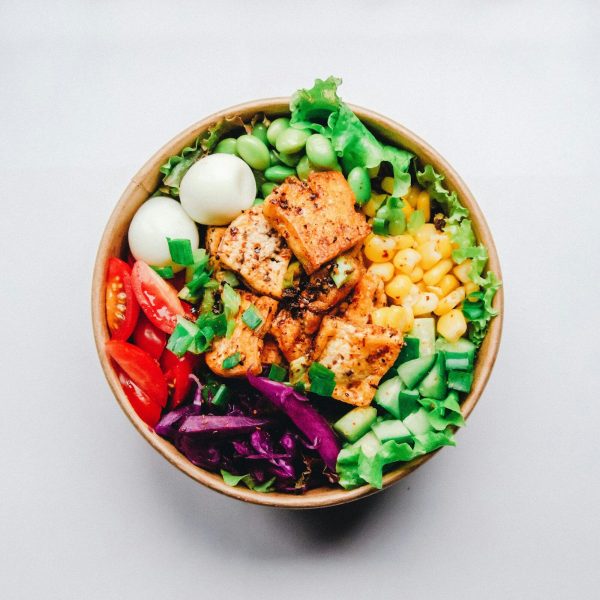
- A simple congee (rice porridge) with steamed greens and a little shredded ginger.
- A cucumber and seaweed salad with a light rice vinegar dressing.
- A piece of steamed white fish (like cod) with wilted bok choy.
Aim to finish dinner at least 3 hours before bed. This small shift can dramatically improve your sleep quality and morning energy.
3. NOT-TO-DO: Over-Schedule Your Weekends (The Art of ‘Wu Wei’)
This is the heart of our ‘not-to-do’ list. In our productivity-obsessed culture, an empty weekend day feels like a failure. We pack it with hiking, brunches, kids’ sports, farmers markets, and home improvement projects. TCM calls this “stirring the Heart fire.” The Heart, as the Emperor, needs spaciousness to rule well. When our schedule is packed, our mind becomes scattered, our sleep becomes fitful, and our joy becomes dependent on external stimulation. We’re seeking happiness, but we’re creating anxiety.
This is where we can deeply explore the Taoist concept of Wu Wei (无为). Often mistranslated as “doing nothing,” it actually means “effortless action” or “non-forced action.” It’s the art of moving with the natural flow of things, not against it. In summer, Wu Wei looks like:
- Waking without an alarm (if your schedule allows) and following your body’s natural rhythm.
- Spending an afternoon in the shade with a book, listening to the cicadas.
- Saying “no” to one social invitation per weekend to protect your peace.
- Taking a slow, aimless walk after dinner instead of a power walk.

The key is intention. This isn’t about being lazy. It’s about consciously choosing restorative stillness over stimulating activity. You are actively “doing less” to cultivate more inner Yang—clarity, warmth, and joy.
4. NOT-TO-DO: Stay Glued to Screens Past Sunset
Summer nights are magical—the fireflies, the cool breeze, the starry sky. Yet, we often spend them indoors, scrolling under artificial light. From a TCM perspective, this is a double whammy. First, the blue light from screens stimulates the brain and disrupts the natural production of melatonin, confusing your body’s circadian rhythm. Second, it feeds the “Heart fire.” The Heart is sensitive to overstimulation. Constant information, news, and social media bombardment are like adding kindling to a fire that’s already blazing in summer. This is a direct path to insomnia, restlessness, and dream-disturbed sleep.
What to do instead: Create a “digital sunset.” At least 90 minutes before your target bedtime, turn off all screens. Replace the blue light with soft, warm lighting (candles are perfect). Engage in calming, Yin activities:
- Drink a cup of warm (not hot) “Sleepy Time” tea: A blend of passionflower, chamomile, and a pinch of lavender.
- Practice 5-10 minutes of gentle stretching or self-massage. Focus on your calves and feet—the Kidney channel, which helps ground excess Heart fire.
- Write in a gratitude journal. List three simple, positive things from your day. This directly nourishes the Heart’s sense of peace.
5. NOT-TO-DO: Ignore Your Body’s Signals for Rest
Summer is yang, but we still need yin balance. The most common signal we ignore is fatigue. We push through it with caffeine or sheer willpower, thinking we’ll “rest on vacation.” This is like ignoring the “low fuel” light in your car because you’re almost at the gas station. By the time you get there, you’ve damaged the engine.
In TCM, chronic fatigue in summer often points to a combination of Summer Heat (an external pathogen) and Qi Deficiency. Your body is working hard to regulate temperature, leaving less energy for daily tasks. Pushing through it depletes your Kidney Qi—your core energy reserve.
What to do instead: Honor the “power nap.” In many cultures with hot climates, a midday rest (siesta) is built into the day for good reason. You don’t need an hour. A 20-30 minute nap between 1 PM and 3 PM (the Heart time in the TCM organ clock) can work wonders. Lie down, close your eyes, and focus on your breath. If you can’t nap, simply close your eyes and breathe deeply for 10 minutes at your desk. This isn’t laziness; it’s intelligent energy management.
A Quick Guide: Summer ‘Do’s’ vs. ‘Not-To-Do’s’
To make this actionable, here’s a simple reference table for your summer days:
| Activity | Summer ‘Not-To-Do’ (The Trap) | Summer ‘Do’ (The TCM Way) |
|---|---|---|
| Morning | Wake up late, grab a large iced coffee, eat a sugary pastry on the go. | Rise with the sun (5:30-7 AM). Drink a glass of warm water with a slice of ginger. Eat a nourishing breakfast like congee or steamed eggs. |
| Midday | Skip lunch or eat a sad desk salad. Push through fatigue with more coffee. | Eat your largest, most balanced meal between 11 AM-1 PM. Include a cooling food like cucumber or mung beans. Take a 20-minute break in the shade. |
| Afternoon | Grind through work with back-to-back meetings. Drink iced soda for a sugar spike. | Sip on barley water or chrysanthemum tea. Take a 5-minute walk outside to connect with the season. Let your eyes rest on greenery. |
| Evening | Eat a heavy, spicy barbecue meal at 9 PM. Watch exciting TV until midnight. | Have a light dinner by 7 PM. Take a gentle walk. Practice digital sunset 90 minutes before bed. |
| Weekend | Fill every hour with social plans and chores. Say yes to everything. | Block out at least half a day for unstructured, quiet time. Practice Wu Wei—flow, don’t force. |
Common Questions
Does this mean I can’t enjoy summer activities or vacations?
Absolutely not! This is about mindful enjoyment, not deprivation. The goal is to engage in activities from a place of fullness, not frantic obligation. Before accepting an invitation or planning a day, ask yourself: “Will this nourish my Heart and bring genuine joy, or will it just fill my schedule?” Choose the former. It’s perfectly fine to attend a barbecue—just maybe not three in one weekend. Enjoy a vacation, but build in days of true, unscheduled rest. The principle of Wu Wei encourages us to participate in the flow of life, not to withdraw from it.
I love my morning iced coffee. Is that really so bad?
In TCM, it’s about balance and your personal constitution. If you are generally healthy, robust, and run warm, an occasional iced coffee is unlikely to cause harm. However, if you often feel cold, have loose stools, or experience bloating, you are likely Qi and/or Yang deficient. For you, the ice and the caffeine (a strong stimulant that can overtax the adrenals) can be particularly depleting. A better summer alternative might be a small cup of room-temperature or warm coffee, or even better, roasted barley tea (Mugicha) which is naturally caffeine-free and cooling without being icy.
How do I explain this ‘not-to-do’ philosophy to my busy family or friends?
Frame it in terms of energy and presence. You could say, “I’m trying a new thing this summer to have more energy and be more present when I’m with you all. I’m making sure I’m not running on empty so I can actually enjoy our time together.” You don’t need to delve into TCM theory unless they’re interested. Focus on the positive outcomes: better sleep, more genuine enjoyment, less irritability. Often, when one person in a group starts to slow down mindfully, it gives everyone else permission to do the same. You might just start a new, more peaceful family tradition.
The bottom line: A truly nourishing summer, in the TCM tradition, is less about what you add to your schedule and more about what you thoughtfully remove. By avoiding extreme cold, heavy late meals, packed schedules, digital overstimulation, and ignoring your need for rest, you protect your Heart, the seat of your joy and peace. You align with the season’s vibrant energy without burning out. This summer, embrace the revolutionary act of doing less. Cultivate Wu Wei. Allow space for joy to arise naturally, like the lotus blooming in the quiet of a pond. Your calm, present, and truly joyful summer awaits.
This article is for educational purposes and reflects traditional wellness perspectives. It is not a substitute for professional medical advice, diagnosis, or treatment.