The long days of summer have a peculiar trick to them, don’t they? The light stretches into the evening, the air hums with life, and yet many of us feel a strange, counter-intuitive exhaustion. The world speeds up—social calendars fill, kids are home, work projects intensify before the “quiet” of fall—and we’re expected to match that pace with boundless, sunny energy. But what if summer’s true invitation isn’t to do more, but to do less? What if the season’s potent yang energy is best harnessed not by rushing, but by resting more deeply within it? In traditional Chinese philosophy, summer is the peak of yang—fire, activity, outward expression. Yet, the wisest way to tend this flame is with moments of profound yin: stillness, shade, and quiet nourishment. Today, we’re exploring five specific rituals to help you embrace this paradox and reclaim your time in the long days.
- 1. The Morning Shade Ritual: Stealing Back the First Hour
- 2. The Midday Pause: Embracing the "Hui"
- 3. The Sunset Soak: Washing Away the Day's Heat
- 4. The "One-Plate" Evening Meal: Simplicity as Nourishment
- 5. The Evening Wind-Down: Trading Screens for Skies
- Weaving It All Together: Your Sample Summer Slow-Living Day
1. The Morning Shade Ritual: Stealing Back the First Hour
My grandmother had a saying she’d repeat every June: “The early sun is for the garden, not for your face.” She believed that the sharp, rising summer sun was too intense for the body upon waking. While modern science talks about cortisol and circadian rhythms, her wisdom was about protecting your inner calm before the day’s heat—both literal and metaphorical—begins. This is the core of the Morning Shade Ritual.
For at least the first 60 minutes after waking, deliberately seek shade or coolness. This isn’t about hiding from the sun; it’s about allowing your body and mind to transition gently into the day. Instead of throwing open the curtains, drink your morning tea or water by a window that faces east but is shaded by a tree or a sheer curtain. Avoid checking your phone for that first hour—the blue light is a harsh, artificial sun. Sit on your porch if it’s shaded, or simply enjoy the cooler air of the interior of your home.
Actionable Steps:
- Prepare a thermos of cooling chrysanthemum tea the night before (use 10-12 dried flowers steeped in just-boiled water for 5 minutes, then strain). It’s waiting for you, cool and ready.
- Designate a “shade spot” in your home—a specific chair or corner that never gets direct morning light.
- Read a physical book, journal, or simply sit and listen to the sounds of your neighborhood waking up. No screens.
This ritual isn’t lazy; it’s strategic. You’re building a reservoir of calm that will sustain you when the midday energy surges. You’re aligning with the season’s rhythm by honoring its quieter, cooler side.
2. The Midday Pause: Embracing the “Hui”
In many cultures with hot climates, a midday rest is non-negotiable. In China, the “hui” (回) or afternoon nap, often taken after lunch, is a sacred practice. It’s not about sleeping for hours; it’s about a deliberate, 20-30 minute withdrawal from activity to let your digestive system and mind settle. The peak of summer yang energy is between 11 am and 1 pm (the “wu” hour in Traditional Chinese Medicine, associated with the Heart meridian). Pushing through this time with intense work or activity is like stoking a fire that’s already roaring—it can lead to irritability, anxiety, and burnout.
The modern “hui” can be adapted. It doesn’t require a bed. It can be 10 minutes with your feet up, eyes closed, in a cool room. It can be a short, mindful walk in a shaded park, focusing on the sensation of your feet on the ground. The key is to remove stimulation. No podcasts, no planning, no problem-solving. Just be.
The 20-Minute Midday Reset Protocol:
- Minutes 1-5: Find a quiet, cool space. Sit or lie down. Take 5 slow, deep breaths, inhaling for 4 counts, holding for 2, exhaling for 6. This longer exhale activates your parasympathetic nervous system.
- Minutes 6-15: Close your eyes. Place a cool, damp cloth (you can dampen it with cold water and a drop of peppermint essential oil) over your forehead and eyes. Focus only on the sensation of coolness.
- Minutes 16-20: Without jarring yourself, slowly open your eyes. Wiggle your fingers and toes. Sip a few mouthfuls of room temperature water. Re-enter your day gently.
“The noon hour is when the heart’s fire blazes brightest. To rest then is not idleness; it is wisdom, like drawing a curtain to let a precious vase cool.”
3. The Sunset Soak: Washing Away the Day’s Heat
As the sun begins its descent, the day’s accumulated heat—both physical and emotional—needs an exit. A simple, cooling evening ritual can signal to your entire system that it’s time to shift gears. This is where a “sunset soak” comes in. It doesn’t require a bathtub (though that’s wonderful). It can be a foot soak, a cool shower, or even applying a cool, herbal compress.
In TCM, the feet are considered the “second heart,” a map of the entire body. Soaking them in cool water in the evening draws heat downward and out, promoting better sleep. For a simple foot soak: fill a basin with cool (not cold) water. Add 2 tablespoons of dried mint leaves and 1 tablespoon of Epsom salts. Soak for 10-15 minutes while reading or listening to calming music. For a full-body option, a cool shower with a final 30-second burst of cold water on your feet can be incredibly invigorating and grounding.
Summer Soak Recipes:
| Soak Type | Ingredients & Instructions | Best For |
|---|---|---|
| Cooling Foot Soak | Basin of cool water + 2 tbsp dried mint + 1 tbsp Epsom salt. Soak 15 min. | Swollen feet, restless legs, cooling down before bed. |
| Calming Bath Soak | Lukewarm bath + 1 cup colloidal oatmeal + 5 drops lavender oil (mix oil with a carrier like milk first). | Soothing sun-exposed skin, calming anxiety, full-body relaxation. |
| Herbal Compress | Brew a strong tea of 2 tbsp chamomile and 1 tbsp lemon balm. Cool completely. Soak a washcloth, wring, and apply to forehead, neck, or wrists. | Quick relief from heat-induced headaches or irritability. |

4. The “One-Plate” Evening Meal: Simplicity as Nourishment
Summer’s heat naturally dampens the appetite and weakens the digestive system (what TCM calls the Spleen Qi). A heavy, complex meal in the evening can lead to poor sleep, bloating, and a feeling of heaviness the next day. The “One-Plate” rule is a beautiful, practical way to embrace slow living at the dinner table.
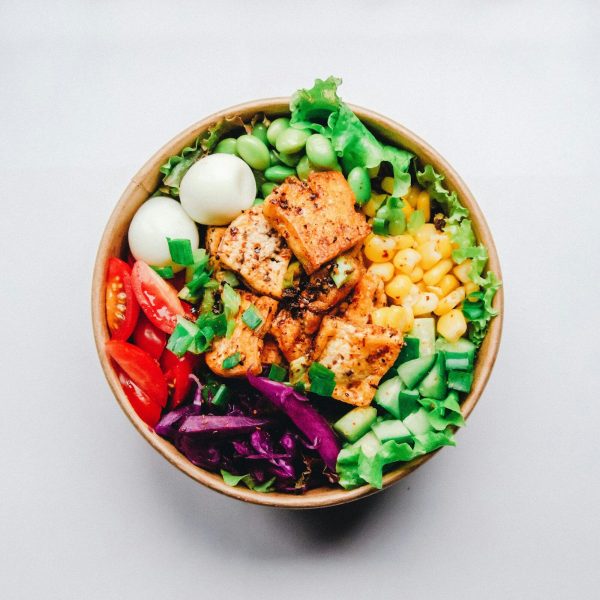
The rule is simple: your entire evening meal should fit on one standard-sized dinner plate. This isn’t about deprivation; it’s about mindful curation. It encourages you to focus on quality over quantity, to choose cooling, easy-to-digest foods, and to eat slowly, savoring each bite. A perfect one-plate meal for summer might be: a bed of mixed greens (spinach, arugula) topped with sliced cucumber and radish, a portion of chilled sesame noodles (made with soba noodles), and a few slices of grilled chicken or a piece of silken tofu. A sprinkle of sesame seeds and a light miso dressing complete it.
Building Your One-Plate:
- Base (50%): Cooling greens or lightly cooked vegetables (cucumber, zucchini, bitter melon, lettuce).
- Protein (25%): Lightly prepared protein (poached fish, grilled chicken, tofu, edamame).
- Carb/Grain (25%): Simple, cooling grains (chilled soba noodles, barley, quinoa).
- Flavor Boost: Herbs (mint, cilantro), a squeeze of lime, or a drizzle of a light sauce (rice vinegar, sesame oil).
Eat this meal at least 3 hours before bedtime. The simplicity is profound. It frees up your evening from heavy digestion, allowing you to enjoy the long twilight with a light, clear feeling.
5. The Evening Wind-Down: Trading Screens for Skies
The greatest gift of summer’s long days is the extended twilight. This is nature’s built-in slow-living ritual, a gradual dimming of the lights that our modern lives, with our bright screens, often ignore. Reclaiming this time is perhaps the most powerful step you can take.
Commit to a “Screen Sunset” at least one hour before you plan to sleep. When the sun goes down, your screens should too. Instead, step outside. You don’t have to go far—your balcony, porch, or a nearby bench will do. Watch the colors change in the sky. Listen to the evening insects begin their chorus. This practice does two things: it exposes you to the natural shift in light, helping regulate melatonin production for better sleep, and it reconnects you to the world’s own rhythm, pulling you out of the artificial urgency of the digital one.
If you must be indoors, use only warm, low lighting (salt lamps are ideal). Read a physical book. Have a conversation. Do some gentle stretching. Let the world quiet down, and let yourself quiet with it. My family used to sit on the steps after dinner, not talking much, just watching the fireflies appear. It was a silent agreement that the day’s work was done. That feeling of collective pause is what we’re after.
Weaving It All Together: Your Sample Summer Slow-Living Day
Seeing these rituals in context can help. Here’s what a day might look like when you weave them in:
6:30 AM: Wake up. Instead of opening blinds, go to your shade spot with your pre-made chrysanthemum tea. Sit quietly for 20 minutes.
7:30 AM: Gentle movement, like a short walk in the park before the heat sets in.
12:30 PM: After a light lunch, engage in your 20-Minute Midday Reset.
6:00 PM: Prepare your simple “One-Plate” dinner. Eat mindfully, without screens.
7:30 PM: Begin your Sunset Soak—a cool foot bath while reading.
8:30 PM: Screen Sunset. Devices off. Step outside to watch the twilight.
9:30 PM: Wind down for bed with a book or gentle stretching.
This isn’t a rigid schedule, but a rhythm. Some days you’ll nail it; other days, life will intervene. The point isn’t perfection; it’s intention. It’s about creating pockets of pause in a season that screams for speed.
Common Questions
Is a midday nap really practical for people with 9-5 jobs?
Absolutely, though it may require creative adaptation. The core idea is a 20-minute withdrawal from stimulation. If you can’t nap, find a quiet conference room, your car, or even a secluded park bench. Close your eyes and do the breathing exercise. Eat your lunch mindfully for the first 10 minutes, then spend the remaining 10-15 in quiet rest. It’s not about sleep; it’s about a mental and digestive reset. Even a short, mindful break can counteract the midday slump far better than caffeine.
Won’t a cool shower or foot soak at night make me too alert to sleep?
It’s the opposite. A cool (not ice-cold) soak helps lower your core body temperature, which is a natural signal for sleep. The key is the timing and temperature. Do your soak 1-2 hours before bed, not right before jumping under the covers. The initial cool sensation is invigorating, but the subsequent process of your body re-warming slightly promotes drowsiness. It’s a time-honored way to “draw the heat out” of the body and prepare for restful sleep.
I’m not a cook. How do I make a simple “one-plate” meal?
Keep it supremely simple and assembly-based. Buy pre-washed salad greens, a rotisserie chicken (use just a portion), and some cherry tomatoes and cucumbers. Assemble that on a plate with a drizzle of good olive oil and balsamic vinegar. Or, cook a batch of quinoa or barley on Sunday. On a weeknight, portion some into a bowl, top with canned tuna (in water), pre-cut veggies, and a splash of soy sauce and sesame oil. The “one-plate” rule is a guiding principle to prevent overeating and promote digestion, not a test of culinary skill.
The bottom line: Summer slow living rituals are not about adding more to your to-do list. They are about subtracting the non-essential to reveal the essential. By consciously creating moments of shade, pause, cooling, simplicity, and natural rhythm within the season’s blazing energy, you don’t lose time—you gain it back, deep and rich and fully your own. You learn to move with the season, not against it, and find that the longest days can hold the most profound peace.
This article is for educational purposes and reflects traditional wellness perspectives. It is not a substitute for professional medical advice, diagnosis, or treatment.