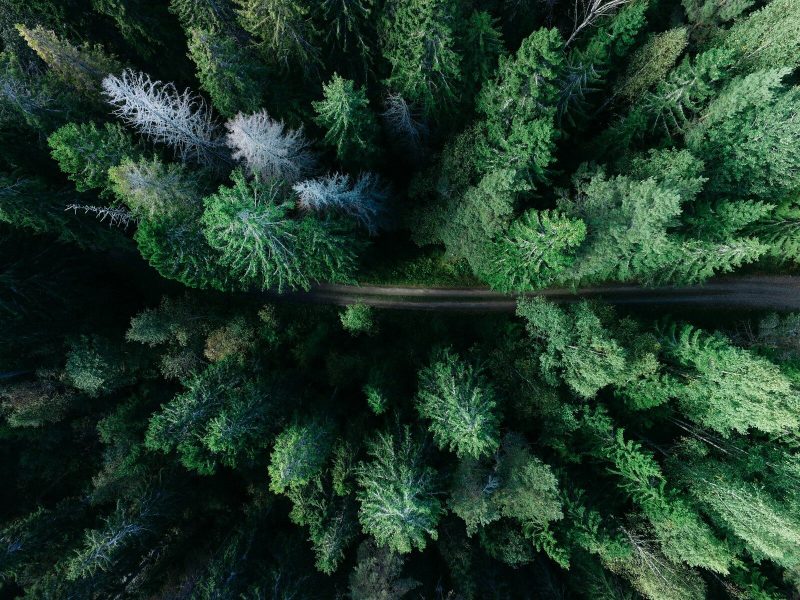
Last Tuesday evening, I watched a neighbor power-walk past my house, eyes glued to her wrist, muttering about “closing her rings.” She was sweating profusely, her shoulders were hunched near her ears, and she looked anything but relaxed. In Traditional Chinese Medicine (TCM), we have a concept called Wu Wei, often translated as “effortless action” or “non-doing.” But here is the paradox: in the peak heat of summer, the harder you push, the less you actually gain. Summer is the season of the Heart, the element of Fire, and the energy of expansion. While modern fitness culture screams “HIIT” and “10,000 steps,” ancient Chinese wisdom suggests that during the hottest months, we should be doing less, not more. We should be ditching the metrics and embracing the summer slow walking—a practice that nourishes your deepest reserves rather than burning them out.
The Fitbit Fallacy: Why Summer Requires a Different Metric
We have become obsessed with numbers. Steps taken, calories burned, floors climbed. But in TCM, health is not a spreadsheet; it is a river. And in summer, the river flows differently. The Heart is the “Emperor” of the organs, responsible not just for pumping blood, but for housing the Shen (our spirit or consciousness). When we over-exert in the heat, we tax the Heart. This doesn’t just make us tired; it disrupts our sleep, causes anxiety, and leads to a feeling of being “wired but tired.”
My grandmother used to say, “The loudest fire burns out the fastest.” She wasn’t just talking about the stove. She was referring to people who move through summer with the same intensity they bring to a winter gym session. Summer slow walking is about matching your external movement to the internal rhythm of the season. It’s not about being lazy; it’s about being strategic. When you walk slowly, you allow your Qi (your vital energy) to circulate without being scattered by the heat. You are not just moving your body; you are cooling your system.
The Science of Slowing Down: What Happens When You Ditch the Pace
Let’s look at the physiology through a dual lens. Biologically, high-intensity exercise in high heat increases cortisol and spikes your core temperature. In TCM, this is “Stoking the Fire with more Fire.” The result? Inflammation, irritability, and fatigue.
However, summer slow walking—specifically walking at a pace where you can breathe comfortably through your nose without gasping—activates the parasympathetic nervous system. This is your “Rest and Digest” mode. It signals the body that it is safe, allowing the heart rate to stabilize.
“In summer, we rise early and retire late. We do not resent the sun. We move with joy but without urgency. This is how we nourish the Heart.”
This quote from the Huangdi Neijing (The Yellow Emperor’s Classic of Internal Medicine) written over 2,000 years ago, is the blueprint for your summer fitness routine. It doesn’t say “sprint at dawn.” It says move with joy. The goal of a summer walk isn’t to exhaust the muscles; it is to gently encourage the flow of fluids and Qi to prevent the stagnation that humidity can cause.
The Art of the Slow Walk: A Step-by-Step Guide
So, how do you actually do it? It sounds simple—just walk slowly—but in our hyper-connected world, true slowness is a discipline. Here is how to structure a summer slow walking practice that actually nourishes you.
- Timing is Everything: Avoid the hours of 11:00 AM to 3:00 PM. This is when the Yang energy is at its peak, and the sun is most likely to drain your Qi. Aim for early morning (before 9:00 AM) or early evening (after 6:00 PM).
- The 20-Minute Threshold: Don’t count steps; count minutes. Aim for 20 to 30 minutes of continuous, slow movement. This is enough time to get the Qi circulating in the meridians without depleting your reserves.
- The “Mud Walking” Technique: Imagine you are walking through thick, warm mud. Your feet should roll from heel to toe with deliberate pressure. This grounds your energy (connecting with the Earth element) and prevents the “floating” anxious feeling that heat can induce.
- Breath Matching: Inhale for three steps, exhale for three steps. If you can’t maintain this rhythm, you are walking too fast. Slow down until the breath is easy and rhythmic.
I remember walking with my uncle in the parks of Chengdu during a particularly humid summer. He walked so slowly I thought he was injured. When I asked him why, he tapped his chest and said, “I am walking for my heart, not my legs. Fast walking makes the Heart jump. Slow walking lets the Heart sing.” That image has stayed with me for thirty years.
Cooling the Emperor: Foods and Herbs to Support Your Walk
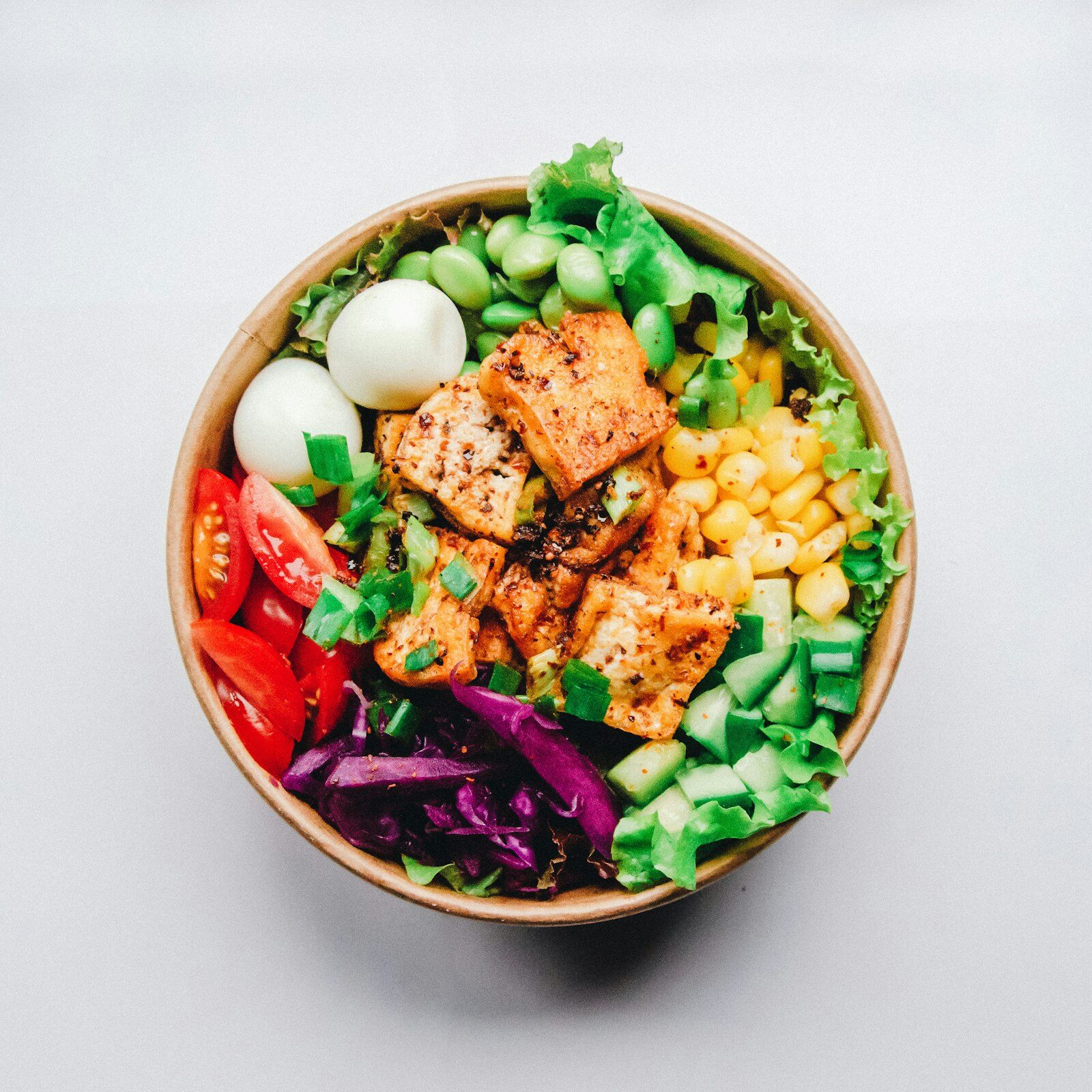
A summer slow walk is part of a larger ecosystem of care. You can’t out-walk a diet that overheats you. To truly support the Heart and the cooling process, you need to integrate specific foods and herbs. In TCM, we look for foods that are “cooling” or “neutral” in nature to counteract the summer heat.
Consider this your post-walk protocol. After you return from your slow, mindful walk, your pores are open and your Qi is flowing gently. This is the perfect time to nourish without taxing the digestive system.
| Ingredient | TCM Property | How to Use (Actionable Tip) |
|---|---|---|
| Mung Beans | Cold, Sweet | Boil ½ cup dried mung beans in 4 cups water for 20 mins. Drink the broth (don’t eat the beans) to clear “Summer Heat.” |
| Lotus Leaf (He Ye) | Neutral, Slight Cool | Steep 1-2 dried leaves in hot water for 5 minutes. Drink as a tea to resolve dampness caused by humidity. |
| Watermelon Rind | Cold, Sweet | Skin the green part, keep the white rind. Slice and stir-fry with a little ginger for a cooling side dish. |
| Chrysanthemum Flowers | Cool, Sweet | Brew 5-6 flowers with goji berries. Excellent for cooling the eyes after screen time or sun exposure. |
Avoid heavy, greasy foods or excessive cold raw salads right after your walk. While ice cream seems tempting, it shocks the Spleen (our digestive engine). Instead, room-temperature mung bean soup or chilled barley water (Yi Yi Ren) is the traditional choice to quench thirst and cool the core.
Beyond the Steps: The Mental Shift of Summer Slow Living
The hardest part of summer slow walking isn’t the physical act; it’s the mental permission. We are conditioned to believe that if we aren’t sweating and panting, we aren’t “working out.” This is a profound misunderstanding of summer wellness.
In the Five Element theory, Summer belongs to Fire. Fire is joyful, expansive, and social. When you walk fast and stressed, you are generating “false fire”—agitation, not joy. By slowing down, you create space for genuine connection. You notice the gardenias blooming. You hear the cicadas. You feel the breeze. This sensory awareness is not a distraction from your workout; it is the workout. You are training your Shen (spirit) to be present.
Try this: Leave your phone at home. Seriously. Or at least put it on airplane mode. The blue light and the constant dopamine hits of notifications are “heat” to the nervous system. Your slow walk should be a digital detox. If you must listen to something, choose nature sounds or slow, instrumental music, but silence is golden. Silence allows the Qi to settle.
Common Questions
Isn’t walking slowly just being lazy? Won’t I lose fitness?
In the context of summer, no. This is a seasonal adjustment, not a year-round lifestyle. Just as you wouldn’t ski in a bikini, you shouldn’t sprint in a heatwave. Summer slow walking preserves your “Jing” (essence) and prevents burnout. You can return to higher intensity in the autumn when the Yang energy naturally contracts. For now, think of it as “active recovery” for the season.
What if it’s humid? Should I still walk outside?
Humidity is considered “Dampness” in TCM. It can make you feel heavy, foggy, and tired. If the humidity is oppressive (over 80%), shorten your walk to 15 minutes or walk indoors in a cool, air-conditioned space. If you walk outside, wear loose, breathable cotton or linen clothing to allow the skin to breathe. Do not sit in wet clothes afterward; change immediately.
Can I do this with my kids or dog?
It is challenging but possible! Kids and dogs naturally want to sprint and explore. My advice: Find a quiet loop in a park. Let them run ahead and explore while you walk your slow, meditative pace. Meet them at the bench. It teaches them a valuable lesson about rhythm and rest. If you are walking the dog, choose a cooler time and let them sniff—their “sniff walk” is actually quite aligned with TCM principles of mindful exploration!
The bottom line: Ditch the metrics and embrace the rhythm. Summer slow walking is a radical act of self-care in a speed-obsessed world. By walking slowly, breathing deeply, and cooling your system with appropriate foods, you align yourself with the ancient wisdom of the season. You protect your Heart, nourish your spirit, and paradoxically, end up with more energy than the power-walkers racing past you. Let this be the summer you walk like you have nowhere urgent to be—because in the grand scheme of wellness, you really don’t.
This article is for educational purposes and reflects traditional wellness perspectives. It is not a substitute for professional medical advice, diagnosis, or treatment.