There’s a particular kind of energy that arrives with the first truly hot day of summer. It’s not just the warmth of the sun on your skin; it’s a palpable buzz in the air, a feeling that everything is alive, growing, and moving at a faster pace. I remember my grandmother in Nanjing, fanning herself on the balcony during the “San Fu Tian” — the three periods of hottest days — and saying, “Summer isn’t just outside you. Your body has its own summer happening inside.” At the time, I thought she was just talking about the sweat on my forehead. Now, after years of studying Traditional Chinese Medicine (TCM), I understand she was pointing to something profound: your body doesn’t just experience summer; it actively participates in it through specific, hidden systems working overtime.
The Summer Blueprint: Beyond Sunscreen and Sandals
In Western wellness, we often think of summer as a time to be outdoors, eat salads, and maybe worry a bit more about hydration. That’s surface-level thinking. From a TCM perspective, summer is the season of maximum Yang energy — think of it as the universe’s peak operating temperature. Just as a company might run all its factories at full capacity during peak demand, your body has internal “departments” that are designed to work hardest right now. Ignoring this blueprint is like running a factory 24/7 without giving the key departments extra resources or rest. You’ll get through the season, but you’ll be running on fumes by autumn.
The foundational concept we need to understand here is Yang. In simple terms, Yang is the active, warming, functional, and expansive energy in your body. It’s the metabolic fire that digests your food, the energy that lets you think clearly and move swiftly, and the force that pushes fluids and blood through your system. In winter, Yin (cool, receptive, nourishing) energy is more dominant. In summer, Yang energy is at its zenith. This isn’t just a metaphor; it’s a biological reality that TCM has mapped for centuries. Your body’s Yang systems are literally receiving a cosmic boost of power, and they are designed to use it.
“The wise nourish Yang in spring and summer, and nourish Yin in autumn and winter, in order to follow the root of the ten thousand things.”
— The Yellow Emperor’s Classic of Internal Medicine (Huangdi Neijing)
This ancient advice is often misunderstood. “Nourish Yang” doesn’t mean you should go sit in a sauna until you pass out. It means you should support and wisely guide the three key systems that are naturally ramping up their activity. Let’s meet them.
System #1: The Heart & Pericardium — Your Summer Command Center
In TCM, the Heart (Xin) is considered the “Emperor” of all organs. Its primary role is to house the Shen, which you can think of as your spirit, consciousness, and mental clarity. The Pericardium (Xin Bao) is the Heart’s personal bodyguard, protecting the Emperor from emotional and pathogenic shocks. During summer, the Heart is said to be in its season of power. This is why you might feel more socially open, expressive, and joyful. It’s also why you might feel more prone to restlessness, anxiety, insomnia, or even palpitations if this system becomes overtaxed.
The Hidden Work It’s Doing: Your heart isn’t just pumping blood. In summer, it’s tasked with managing the body’s intense heat and fluid balance. It’s also processing the higher volume of social interaction and sensory stimulation that summer brings. Think of it as the central air-conditioning and emotional regulation system running on high. A key sign of a taxed Heart system is what TCM calls “Heart Fire” — a burning sensation in the chest, a red tip on your tongue, a bitter taste in your mouth, or a mind that simply won’t switch off at night.
How to Support It Today:
- Cool the Fire, Don’t Douse It: Eat naturally bitter and cooling foods. The bitter flavor is specific to the Heart in TCM. This doesn’t mean just salads. Think: steamed bitter melon with a tiny bit of fermented black bean sauce, dandelion greens wilted with garlic and sesame oil, or a simple endive and radicchio salad with a lemon vinaigrette. Aim for one serving of bitter foods at lunch, when your digestive fire is strongest.
- The 1 PM Rest: The Heart’s peak energy time is between 11 AM and 1 PM. In many Chinese workplaces, this is a sacred time for a 20-minute nap or at least quiet rest. If you can’t nap, close your eyes, place a cool (not cold) damp cloth on your forehead, and practice 4-7-8 breathing (inhale for 4 counts, hold for 7, exhale for 8) for 3-5 cycles. This directly calms the Heart and Pericardium.
- Herbal Ally: Lotus Plumule (Lian Zi Xin) This is the tiny green sprout inside the lotus seed. It is the single most specific herb for clearing Heart Fire and calming the Shen. Steep 5-7 plumules in a cup of hot water for 10 minutes and sip it in the late afternoon or evening. It’s profoundly effective for that wired-but-tired feeling.
System #2: The Spleen & Stomach — Your Digestive Firefighters
This is the most counterintuitive system for Westerners. We associate summer with “cold” foods: ice cream, iced drinks, raw salads. In TCM, this is a fundamental mistake. Your Spleen and Stomach (your digestive system) rely on a warm “digestive fire” to transform food into usable energy (Qi) and fluids. Summer’s external heat doesn’t magically give you stronger digestion; in fact, it often weakens it. Why? Because the body draws energy inward to cool the core, leaving less energy for digestion. Furthermore, cold, raw foods and icy drinks directly douse your digestive fire.
The Hidden Work It’s Doing: Your digestive system is trying to process the influx of summer fruits (which are often high in sugar and moisture), the social barbecues, and the picnic foods, all while fighting the ambient heat. Its main job is to create “Qi and Blood” to fuel all the other systems. When it’s overtaxed, you get the classic summer complaints: bloating, loose stools, fatigue, and a heavy, foggy feeling. My grandmother would see me reach for a cold soda on a hot day and would immediately hand me a cup of warm barley tea instead. “Cool your mouth,” she’d say, “but warm your belly.”
How to Support It Today:
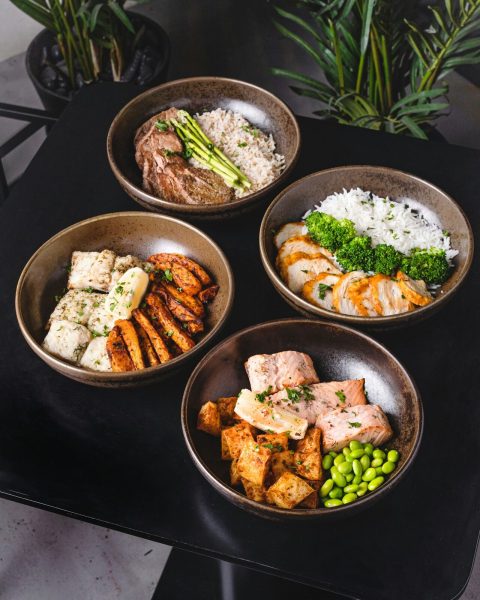
- The 30-Minute Rule: If you’re going to eat a cold food like watermelon or ice cream, wait at least 30 minutes after a warm, cooked meal. Never eat cold on an empty stomach. A perfect summer lunch is a room-temperature grain bowl with quinoa or rice, steamed greens (like bok choy or spinach), a small portion of grilled chicken or tofu, and a drizzle of ginger-sesame dressing. The ginger (a pea-sized piece, grated) is key—it gently stokes the digestive fire.
- Drink Your Veggies, Warm: Make a batch of Corn Silk & Job’s Tears Tea. Corn silk (Yu Mi Xu) is a gentle diuretic that helps clear dampness. Job’s Tears (Yi Yi Ren) strengthen the Spleen. Simmer 1/4 cup of dried corn silk and 2 tablespoons of Job’s Tears in 4 cups of water for 20 minutes. Strain and sip warm or at room temperature throughout the day.
- The Ginger Habit: Keep a small jar of pickled ginger (the kind you get with sushi) in the fridge. After any meal that feels heavy or includes cold elements, eat 2-3 thin slices. Its pungent, warming nature helps the Spleen “cut through” dampness and stagnation.
System #3: The Lungs & Skin — Your Body’s Breathable Armor
The Lungs (Fei) govern the skin and the surface of the body. They control the Wei Qi, which is your defensive, protective energy—the immune system’s first line of defense, but also the layer that regulates sweating and temperature control. In summer, the Lungs are working to keep your pores open for sweating (a vital cooling mechanism) while still protecting you from external pathogens like the summer “evil” of Damp-Heat.
The Hidden Work It’s Doing: Your skin is your largest organ, and it’s in overdrive. It’s sweating out toxins, regulating temperature, and breathing. The Lungs are orchestrating this entire process. When this system is overtaxed, you see it on the skin: heat rashes, acne flare-ups, eczema, or a feeling of being “clogged.” You might also feel a subtle shortness of breath or catch more summer colds (which are often a mix of dampness and heat).
How to Support It Today:
- The Right Kind of Sweat: Don’t avoid sweating, but manage it. A 20-minute walk in the early morning (before 10 AM) or evening (after 6 PM) is ideal. The goal is a light, even sheen, not a drenching sweat. If you’re drenched, you’re depleting fluids and Yin. Always change out of sweaty clothes immediately—damp fabric on the skin is a direct path for Damp-Heat to invade.
- Food for the Skin: Eat foods that nourish Lung Yin and clear Heat from the blood. Mung bean soup is a classic. Boil 1/2 cup of mung beans in 6 cups of water with a 2-inch piece of kombu seaweed (for minerals) for 1 hour until soft. Eat a small bowl, slightly warm, 3-4 times a week. It’s a powerful blood and skin cleanser.
- Breath as Medicine: Practice “Sighing Breath” 3 times a day. Inhale deeply through your nose, and then exhale with a long, audible, relieved “Haaaaa” sigh. This is not just psychological; it physically helps the Lungs release stale air and tension from the chest, directly supporting their function.

The Summer Body Systems Map: A Quick Reference
Here’s a quick overview of the three systems, their signs of distress, and your top support action.
| System | Primary Summer Role | Signs It’s Overwhelmed | Your #1 Support Action |
|---|---|---|---|
| Heart & Pericardium | Manage heat, regulate spirit (Shen), promote joy. | Restlessness, insomnia, palpitations, mouth ulcers, bitter taste. | Eat bitter foods (bitter melon, dandelion greens) at lunch. |
| Spleen & Stomach | Digest food, create Qi & Blood, manage fluids. | Bloating, fatigue, foggy head, loose stools, heavy limbs. | Drink warm barley tea; add ginger to meals. |
| Lungs & Skin | Regulate sweat, protect surface (Wei Qi), breathe. | Skin rashes, acne, shallow breath, summer colds. | Take a 20-minute walk to induce a light, even sweat. |
Common Questions
I love cold showers in summer. Is that bad for these systems?
It depends on timing and your constitution. A brief, cool shower after you’ve already broken a light sweat can be wonderful—it closes the pores gently and is refreshing. However, a long, freezing shower, especially first thing in the morning or when you’re not sweaty, can shock the system and constrict the Lungs’ function of governing the skin. It can also directly chill the Spleen and Stomach, weakening digestion. The best approach is a lukewarm shower, ending with a 30-second blast of cool water. This mimics the natural rhythm of warming up and cooling down.
My tongue has a red tip all summer. What does that mean?
A red tip on the tongue is one of the most classic signs in TCM diagnosis that the Heart system has some Heat. It confirms that the “Heart Fire” we discussed is active. This is your body’s direct signal to cool and calm the Heart. Prioritize the bitter foods, the Lotus Plumule tea, and the 1 PM rest. Avoid stimulants like caffeine, alcohol, and spicy foods for a few weeks. The red tip should begin to fade within 7-10 days of consistent care.
Is it true I should avoid ice cream altogether in summer?
Not altogether, but context is everything. Enjoy it as an occasional treat, not a daily habit. The key is to never eat it on an empty stomach or when you’re feeling fatigued or bloated. If you do indulge, follow it with a cup of warm ginger tea (steep 3-4 thin slices of fresh ginger in hot water for 5 minutes) 20 minutes later. This helps mitigate the cold, damp impact on your Spleen. Think of ice cream as a “sometimes food” that requires a digestive warm-up and cool-down.
The bottom line: Your body’s summer blueprint is not a passive experience. It’s an active, internal season governed by three key systems: the Heart (managing heat and emotion), the Spleen (fighting the dampness of cold foods), and the Lungs (regulating the skin’s breath). By understanding their hidden work and offering targeted support—through specific foods, timing, and simple habits—you don’t just survive summer; you align with its powerful energy, emerging in autumn with deeper reserves, not depleted ones.
This article is for educational purposes and reflects traditional wellness perspectives. It is not a substitute for professional medical advice, diagnosis, or treatment.