There’s a particular kind of heat that settles over the world in deep summer. It’s not just the temperature; it’s a heaviness in the air, a slowing of time. My grandmother called it shǔ (暑), the true heat, and she had a specific, almost ritualistic response to it. While the rest of us kids would bolt outside to play, she’d gently take my hand and say, “Come, we’ll walk the garden path. Slowly. Let’s not fight the heat; let’s walk with it.” Her “garden path” was just a few stepping stones between the vegetable beds and the jasmine trellis, but walking it with her felt like entering a different dimension—one where the buzzing cicadas were a meditation, and the sweat on my brow was just the body’s natural conversation with the season. This wasn’t laziness; it was a profound practice of seasonal alignment, a cornerstone of Traditional Chinese Medicine (TCM) that suggests our very pace of life should shift with the rhythms of nature.
- The TCM Principle: Why Summer is a Season of Expansion and Rest
- The Science of Slowing Down: What Happens When You Walk Slowly in Heat
- How to Practice: Your 20-Minute Summer Slow Walk Ritual
- Beyond the Walk: Integrating the “Slow Summer” Philosophy
- A Tale of Two Walks: Comparing Approaches to Summer Movement
- Common Questions About the Summer Slow Walk & TCM
The TCM Principle: Why Summer is a Season of Expansion and Rest
In the West, we often see summer as a time for maximum activity—longer days mean more hours to fill, more adventures to pack in. TCM flips this script. Summer is governed by the Fire element, associated with the Heart and the emotion of joy. But its nature is one of extreme yang—energy is at its peak, rising and expanding outward, just like the plants in full bloom. This sounds great, but it creates a paradox. When yang energy is so outwardly focused, our inner core—our yin reserves—can become depleted. It’s like running your car engine at top speed in the desert; eventually, it overheats.
This is where the concept of nourishing yin becomes critical. Yin is the cool, quiet, inward, and moistening energy in the body. It’s the night to yang’s day, the roots to yang’s blossoms. A summer slow walk isn’t about exercise; it’s about preserving yin. By moving slowly and deliberately, you encourage your yang energy to circulate gently rather than flare up and out, creating internal heat and agitation. You’re not fighting the season’s energy; you’re surfing it with wisdom.
“The wise nourish life by following the seasons. In summer, they rise early and go to bed late. They do not get angry. They let their mind be free and their qi be harmonious.”
– Huangdi Neijing (The Yellow Emperor’s Classic of Internal Medicine)
The Science of Slowing Down: What Happens When You Walk Slowly in Heat
Let’s move from ancient theory to modern physiology. When you walk briskly or run in high heat, your cardiovascular system goes into overdrive. Your heart pumps faster to send blood to the skin for cooling, leaving less for your muscles and brain. Core temperature rises, stress hormones like cortisol spike, and sweat loss can dehydrate you quickly. It’s a fight against the environment.
A slow walk (think a pace of about 2-2.5 mph, or one where you could comfortably hold a conversation without gasping) changes this equation entirely. At this pace:
- Your heart rate stays in a restorative zone. Instead of stressing your system, it supports gentle circulation, aiding digestion and lymphatic flow.
- You sweat more efficiently. A moderate pace allows your body’s natural cooling system to work without the panic response. You lose less sodium and potassium, preserving electrolytes.
- Your nervous system shifts to “rest and digest.” The parasympathetic nervous system, responsible for relaxation and recovery, can engage. This reduces inflammation and supports immune function—key in a season when we’re often exposed to more pathogens from travel and gatherings.
In essence, a summer slow walk is a form of active recovery for your entire being.
How to Practice: Your 20-Minute Summer Slow Walk Ritual
This isn’t about finding a perfect trail. It can be done in a city park, around your block, or even in a large mall if the air conditioning is a must. The key is the how, not the where.
1. Timing is Everything.
Avoid the peak yang hours of 11 AM to 3 PM. The ideal times are:
- Morning (7-9 AM): Walk with the gentle morning yang. The air is cooler, and the qi is fresh. My grandmother’s favorite.
- Evening (5-7 PM): Walk with the descending yin energy. The day’s heat is fading, and this helps transition your body from activity to rest.
2. The 4-Step Mindful Walking Cycle.
For the first 5 minutes, simply walk at your slow pace. Then, introduce this focus:
- Step 1 (5 min): Breathe. Count your breaths. Inhale for 4 steps, exhale for 6 steps. This lengthens the exhale, which directly calms the nervous system.
- Step 2 (5 min): Feel. Bring your attention to the soles of your feet. Notice the heel, ball, toes making contact. Feel the ground supporting you. This is grounding, pulling energy down from a busy head.
- Step 3 (5 min): See. Soften your gaze. Let your peripheral vision take in the colors, shapes, and movement around you without focusing hard on any one thing. This reduces mental strain.
- Step 4 (5 min): Listen. Open your ears to the soundscape—the wind, distant traffic, birdsong, your own footsteps. Don’t label, just listen.
3. Hydrate with Wisdom.
Drink 8-12 oz of room temperature water 30 minutes before your walk. Avoid ice-cold water, which TCM believes constricts the stomach and spleen, impairing digestion. For an extra nourishing touch, add a slice of cucumber and a few goji berries to your water bottle the night before.

Beyond the Walk: Integrating the “Slow Summer” Philosophy
The walk is a practice, but the principle can infuse your entire day. Summer invites us to simplify. Here’s how to weave that in:
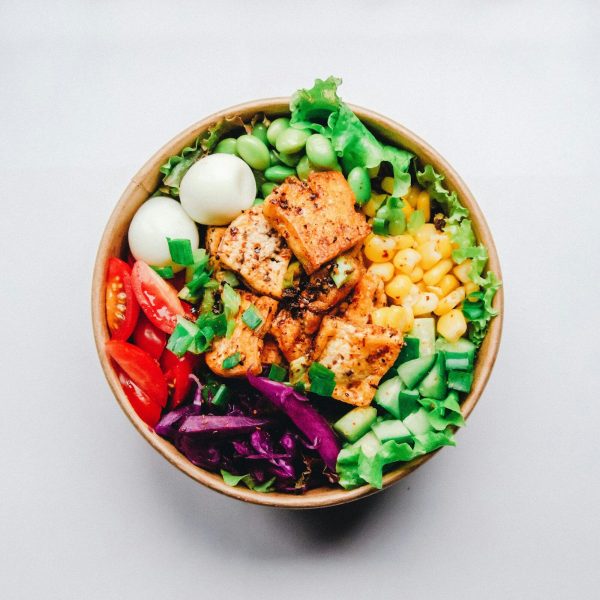
Eat Cooling, Not Cold. Favor foods that are energetically cool (not temperature cold) to clear heat and generate fluids. Think: mung bean soup (a classic TCM summer remedy), watermelon (eaten at room temp), cucumber, bitter melon, barley water, and celery. A simple lunch could be a cucumber and tofu salad with a sesame-ginger dressing.
Embrace the Afternoon Rest. In many cultures with hot climates, a midday rest is non-negotiable. In TCM, the Heart meridian is most active between 11 AM and 1 PM. Even 15-20 minutes of lying down or sitting quietly with your eyes closed during this time can prevent the afternoon energy crash and calm the “Heart fire” that causes anxiety and insomnia in summer.
Drink a Yin-Nourishing Tea. Replace one caffeinated drink with this simple, powerful blend:
- Chrysanthemum & Goji Berry Tea: 5-6 dried chrysanthemum flowers and 1 tablespoon of goji berries in a mug. Pour hot (not boiling) water over them, steep for 5 minutes. Sip slowly. Chrysanthemum clears heat and brightens the eyes; goji nourishes yin and blood. My grandmother made this daily in July and August.
A Tale of Two Walks: Comparing Approaches to Summer Movement
To make the philosophy tangible, let’s compare two common summer scenarios.
| Aspect | The “Power Through” Walk | The TCM “Slow Walk” |
|---|---|---|
| Goal | Cardiovascular fitness, calorie burn | Qi circulation, yin nourishment, mental calm |
| Pace | Brisk, 3.5+ mph | Leisurely, 2-2.5 mph |
| Breathing | Often through the mouth, labored | Nasal, rhythmic (e.g., 4-in, 6-out) |
| Mental State | Focused on distance/time, may be distracted | Mindful, sensory-aware, present |
| Physical After-Effect | Sweaty, potentially drained, muscles warm | Refreshed, slightly cooled, muscles relaxed |
| Best Time | Cooler parts of the day | Morning or evening, aligned with qi flow |
| Post-Walk Hydration | Often electrolyte drinks, cold water | Room temperature water or herbal tea |
The key difference is intention. One is exercising in summer; the other is communing with summer.
Common Questions About the Summer Slow Walk & TCM
1. Doesn’t this contradict advice to stay active and get 10,000 steps?
Not at all. It’s about context and wisdom. The 10,000-step goal is a general guideline for baseline activity. TCM advocates for seasonal modulation. In summer, your total daily movement might still be high, but the intensity of a portion of that movement—like your dedicated mindful walk—should decrease. Think of it as shifting from high-impact to low-impact, not from active to sedentary. You’re still walking; you’re just walking with a different purpose.
2. I live in a very humid climate. Is this still effective?
Absolutely—in fact, it’s even more crucial. In TCM, humidity is considered a pathogenic factor called dampness. It weighs the body down, clogs the channels, and impairs digestion. A slow walk in humidity, while focusing on breath and grounding, actually helps your body metabolize and move dampness. The gentle movement encourages the Spleen (the organ system responsible for fluid metabolism) to function better. Pair it with the mung bean soup or barley water mentioned above for a powerful one-two punch against heaviness.
3. Can I listen to music or a podcast during my slow walk?
For maximum benefit, I’d recommend against it, especially at first. The goal is to cultivate internal awareness, not external distraction. Music or podcasts engage the thinking mind and pull your attention outward. The practice is about turning inward, even while moving through the external world. If silence feels daunting, start with 5 minutes of silence and 15 minutes with audio, gradually increasing the silent time. The sounds of your environment—the wind, your footsteps—become your soundtrack.
The bottom line: The summer slow walk is a profound act of self-care rooted in ancient wisdom. By consciously matching your pace to the season’s expansive energy, you protect your inner reserves, calm your mind, and transform a simple activity into a moving meditation. It’s a reminder that sometimes, the most powerful thing we can do for our health is not to push harder, but to soften, slow down, and walk in harmony with the world around us.
This article is for educational purposes and reflects traditional wellness perspectives. It is not a substitute for professional medical advice, diagnosis, or treatment.