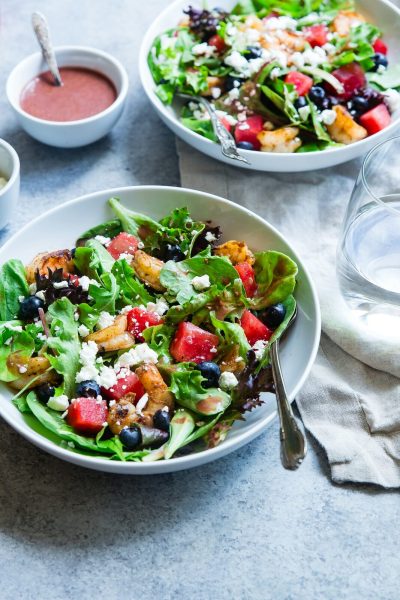
Summer arrives with a beautiful, vibrant intensity. The days stretch long, the sun blazes, and we’re drawn to anything that promises instant relief from the heat. For many of us in the West, that means reaching for the blender. We throw in frozen fruits, maybe a handful of spinach, some ice, and call it a nourishing breakfast. It’s quick, it’s cold, and it feels like the right thing to do. But from the perspective of Traditional Chinese Medicine (TCM), this common approach can sometimes work against our body’s natural summer rhythms, leaving us feeling surprisingly sluggish or bloated instead of energized. The secret isn’t to avoid smoothies—it’s to blend them with wisdom. Today, we’ll explore how to craft TCM summer smoothies that truly cool and nourish, transforming a simple drink into a powerful tool for seasonal wellness.
The TCM Paradox: Why Ice-Cold Smoothies Can Backfire in Summer
It seems counterintuitive, doesn’t it? When it’s 95 degrees outside, why wouldn’t we want to flood our system with ice? In TCM, this is where we meet the concept of Spleen Qi. Think of your Spleen (capital ‘S’ to distinguish it from the anatomical organ) as the warm, central fire of your digestive system. Its job is to transform food and drink into usable energy (Qi) and transport it throughout your body. It functions best with warmth—like a gentle simmer, not a raging boil or an icy shock.
When we pour a large glass of icy, raw, fibrous smoothie into our stomach, we’re essentially dumping a bucket of cold water on that Spleen fire. The digestive “cauldron” has to work overtime just to warm the contents back up to a temperature where it can begin to break them down. This consumes precious Qi. Over time, especially with daily icy smoothies, this can lead to what TCM calls Spleen Qi Deficiency. The signs are unmistakable: a feeling of heaviness after eating, bloating, loose stools, fatigue in the afternoon, and a general sense of “stuckness.” Your body is telling you the digestive fire is weak.
“My grandmother used to scold me for drinking cold water in the summer. ‘You’re putting out your stomach’s fire,’ she’d say. ‘How will you cook your food later?’ It took me years to understand she wasn’t being poetic—she was describing the Spleen Qi.”
So, does this mean smoothies are off-limits? Absolutely not. It means we need to be strategic. The goal is to create a smoothie that cools our body’s surface heat (what we feel as the external temperature) without extinguishing our core digestive fire. We do this through three key principles: temperature, ingredient selection, and preparation technique.
Principle 1: Temperature – The “Cool, Not Cold” Rule
This is the most important adjustment you can make. Instead of using a full cup of ice or frozen fruit straight from the freezer, we moderate. The ideal smoothie should be cool, like a spring-fed stream, not glacial. Here’s how to achieve it:
- Use Room Temperature or Slightly Chilled Base Liquids: Start with water, coconut water, or a nut milk that’s been sitting on the counter for 10 minutes, not pulled ice-cold from the fridge.
- Limit Frozen Fruit: Use frozen fruit for creaminess, but cap it at about ½ to ¾ cup per serving. Supplement with fresh, seasonal fruit at room temperature.
- The “Handful of Ice” Test: After blending your ingredients, if you want it colder, add just 3-4 ice cubes and blend again. This brings the temperature down without turning it into a slushy.
- Warm It Up First (The Secret Weapon): For ingredients like oats, chia seeds, or even certain nuts, you can lightly toast them in a dry pan for 2-3 minutes before blending. This activates their flavors and adds a subtle, balancing warmth to the final drink.
This small shift prevents the Spleen from having to expend energy on simply warming the food, allowing it to focus on extraction and transformation.
Principle 2: Ingredient Selection – Cooling Foods that Nourish Qi
TCM categorizes foods by their thermal nature and flavor. In summer, we want to emphasize foods with a cool or cold nature to clear heat, and sweet flavor to tonify and nourish Qi (the sweet flavor here refers to natural, whole-food sweetness, not refined sugar). We also want to include ingredients that gently support the Spleen.
Here is a guide to building your TCM summer smoothie pantry:
| Category | TCM-Approved Ingredients (Cool/Cold Nature) | Key Benefit & Flavor Profile | Sample Amount per Smoothie |
|---|---|---|---|
| Cooling Fruits | Watermelon (rind included!), Pear, Apple, Cantaloupe, Citrus (lime, lemon), Berries (strawberry, blueberry), Kiwi | Clear heat, generate fluids. Naturally sweet and tart. | 1 cup total |
| Hydrating & Qi-Boosting Veggies | Cucumber (with skin), Celery, Mung Bean Sprouts, Bok Choy | Drain dampness, cool blood. Mild, vegetal. | ½ cup |
| Spleen-Supporting Bases | Adzuki beans (cooked & cooled), Oats (soaked or toasted), Sweet Potato (cooked & cooled), Lotus seed (soaked) | Strengthens Spleen Qi, provides sustained energy. Sweet, earthy. | ¼ cup |
| Herbal Boosters | Chrysanthemum flowers (steeped tea as liquid), Goji berries (soaked), Mint leaves, Fresh basil | Clears heat from the head and eyes, brightens the spirit. Floral, aromatic. | 1 tsp dried herbs or a few fresh leaves |
| Healthy Fats & Proteins | Almond butter, Hemp seeds, Pumpkin seeds (pepitas), Tofu (silken) | Nourishes Yin, provides grounding. Rich, creamy. | 1 tbsp nut butter or 2 tbsp seeds |
A Surprising Star: Watermelon Rind. Most people throw away the white part of the watermelon rind, but in TCM, it’s a prized medicine. It has an even stronger cooling property than the red flesh and is excellent for clearing summer heat and promoting urination. Just chop a 1-inch piece (green skin peeled off) and blend it in. You’ll taste a mild, cucumber-like flavor.
 chrysanthemum tea.”/>
Principle 3: The “Spleen-Friendly” Preparation Technique
How you prepare the ingredients matters as much as what you choose. The goal is to pre-process ingredients to reduce the Spleen’s workload.
- Soak and Sprout: Soak nuts, seeds, and grains (like oats or chia) in water for at least 4 hours or overnight. This begins the germination process, making them easier to digest. My grandmother always soaked her almonds overnight—she said it “wakes them up.”
- Cook and Cool: For starchy Spleen-tonics like sweet potato, adzuki beans, or lotus seeds, cook them until soft, then let them cool to room temperature. This breaks down complex fibers, so the Spleen doesn’t have to.
- Steep Your Herbs: Don’t blend dry chrysanthemum flowers or goji berries directly. Instead, steep them in ½ cup of hot water for 5 minutes to make a concentrated tea. Use this cool tea as part of your liquid base.
- Blend Thoroughly: A high-powered blender is a great ally. Blend for 60-90 seconds until completely smooth. Large, unblended chunks are harder to digest.
Your First TCM Summer Smoothie: A Step-by-Step Recipe
Let’s put it all together with a simple, delicious, and deeply nourishing recipe. I call this the “Summer Harmony Blend.”
Ingredients:
- Liquid Base: ½ cup room temperature water + ½ cup cooled chrysanthemum tea (steep 1 tbsp flowers in ½ cup hot water, strain, cool)
- Cooling Fruit: ½ cup fresh watermelon chunks + ¼ cup frozen blueberries (for chill and color)
- Hydrating Veggie: ¼ medium cucumber, roughly chopped (skin on)
- Spleen Support: 2 tablespoons cooked and cooled adzuki beans (canned is fine, just rinse well)
- Herbal Boost: 3-4 fresh mint leaves
- Healthy Fat: 1 tablespoon hemp seeds
- Optional Sweetener: 1 teaspoon raw honey (honey is warming, so use sparingly to balance the cool ingredients)
Method:
1. Prepare your chrysanthemum tea ahead of time and let it cool to room temperature.
2. Add all ingredients to your blender in the order listed.
3. Blend on high for 60-90 seconds until velvety smooth.
4. Taste. If you prefer it colder, add 2-3 ice cubes and blend for another 10 seconds.
5. Pour into a glass and drink mindfully, preferably at room temperature or slightly cool. Avoid gulping it down; sip it over 5-10 minutes to give your digestive system time to prepare.
What This Does: This smoothie clears summer heat (watermelon, cucumber, chrysanthemum), gently nourishes Qi and fluids (adzuki beans, blueberries), and supports the Spleen with pre-soaked/cooked ingredients. It’s cooling on the surface, but warm at the core.
Common Questions
Can I make a big batch and store it?
I don’t recommend it. Fresh smoothies are most potent. The vital energy, or Qi, of fresh food diminishes quickly after blending, and oxidation begins. If you must, store it in an airtight glass jar in the refrigerator for no more than 6 hours. Before drinking, let it sit on the counter for 10-15 minutes to take the edge off the cold, and give it a good shake to recombine.
I have a “damp” constitution. Are smoothies okay for me?
This requires extra care. “Dampness” in TCM often stems from a very weak Spleen Qi. If you have symptoms like chronic bloating, fatigue, and a thick, greasy tongue coating, large volumes of raw, blended food can exacerbate dampness. Start with a small, 8-ounce portion as a snack, not a meal. Focus heavily on the Spleen-supporting ingredients (adzuki beans, cooked sweet potato) and use stronger aromatic herbs to “transform dampness,” like a small amount of fresh tangerine peel (zhi ke) or 2-3 basil leaves. Always listen to your body’s response.
Is it better to eat the whole fruit instead of blending it?
In many cases, yes. Chewing is the first, crucial stage of digestion. It signals the Spleen to gear up and mechanically breaks down fiber. A whole, seasonal peach eaten mindfully is a wonderful summer food. The advantage of a smoothie is that you can combine multiple therapeutic ingredients (herbs, beans, seeds) into one easily consumed package, and it can be very hydrating. The key is balance: enjoy whole fruits as snacks and use your thoughtfully crafted TCM smoothie as a strategic, nourishing meal or snack a few times a week, not as a daily, on-the-go replacement for all fruit.
The bottom line: TCM summer smoothies are about intelligent balance. By respecting your Spleen Qi through temperature control, selecting ingredients with cooling and nourishing properties, and preparing them in a digestively friendly way, you can enjoy the convenience and pleasure of a smoothie without compromising your energy. It’s a practice of aligning with summer’s vibrant energy while protecting your inner fire—a true blend of ancient wisdom and modern living.
This article is for educational purposes and reflects traditional wellness perspectives. It is not a substitute for professional medical advice, diagnosis, or treatment.