There’s a reason every Chinese grandmother has a bag of dried lotus seeds in her pantry. Not because she read about them in a health magazine — because her grandmother had them, and her grandmother before that. Lotus seed (莲子, lián zǐ) is one of the oldest cultivated foods in Asia, and in Chinese medicine, it holds a special distinction: it’s one of the few foods that simultaneously nourishes the Spleen, calms the mind, and benefits the Kidney. In a culture that prizes foods which do more than one thing at once, lotus seed is royalty.

If you struggle with sleep, anxiety, or a mind that won’t stop racing at night, this article will show you why a handful of lotus seeds might be the gentlest remedy you’ve never tried.
What Are Lotus Seeds?
Lotus seeds come from the sacred lotus (Nelumbo nucifera) — the same plant that produces those spectacular pink flowers on still ponds across Asia. Inside the seed pod, each seed is encased in a hard shell. Once shelled, the seed is white, oval, and slightly sweet. When dried, it becomes hard and needs soaking before cooking.
In TCM, lotus seeds are classified as sweet and astringent in flavor, neutral in temperature. They enter the Spleen, Kidney, and Heart meridians — a rare triple-action that makes them uniquely versatile. The “sweet” flavor nourishes, while the “astringent” quality holds things in place — it stops leakages, calms restless energy, and consolidates.
The TCM Properties
| Property | Detail |
|---|---|
| Chinese Name | 莲子 (lián zǐ) |
| Flavor | Sweet, Astringent |
| Temperature | Neutral |
| Meridians | Spleen, Kidney, Heart |
| Key Actions | Tonifies Spleen, stops diarrhea, nourishes Kidney, calms the mind, benefits the Heart |
The Benefits: Three Organs, One Seed
1. Calms the Mind and Improves Sleep (安神)
This is the benefit that makes lotus seed famous. In TCM, insomnia and anxiety are often caused by the Heart and Kidney failing to communicate. The Heart (which houses the mind, or 神 shén) needs to descend and connect with the Kidney (which anchors and roots). When this connection breaks — from stress, overthinking, or Kidney deficiency — the mind floats upward, restless and unanchored. That’s the 3 AM mind-racing experience.
Lotus seed nourishes the Heart and calms the Shen (spirit). Its astringent quality helps the mind settle rather than scatter. This is why Chinese families serve lotus seed soup before bedtime, especially during stressful periods. It’s not a sedative — it doesn’t knock you out. It gently quiets the noise so sleep can come naturally.
2. Strengthens the Spleen (健脾)
Lotus seed’s sweet flavor nourishes the Spleen, and its astringent quality stops chronic diarrhea and loose stools — a classic Spleen deficiency symptom. For people who eat well but still feel tired, whose digestion is unpredictable, and whose stools tend toward the loose side, lotus seed is a gentle corrective. It doesn’t force the Spleen to work harder; it supports the Spleen in doing its job.
3. Benefits the Kidney (固肾)
The Kidney in TCM governs reproduction, bones, and aging. Lotus seed’s astringent quality helps consolidate Kidney essence — preventing “leakage” symptoms like frequent urination, premature ejaculation, and excessive vaginal discharge. It’s a key ingredient in formulas for Kidney deficiency.
4. Anti-Aging
In Chinese culture, lotus is a symbol of longevity and purity. This isn’t just poetic — lotus seeds contain L-isoaspartyl methyltransferase, an enzyme that helps repair damaged proteins. Some researchers believe this contributes to the seeds’ remarkable longevity (viable lotus seeds over 1,000 years old have been found in Chinese archaeological sites). The antioxidants and minerals also support skin health and cellular repair.
How to Use Lotus Seeds
Lotus Seed Sweet Soup (银耳莲子汤)
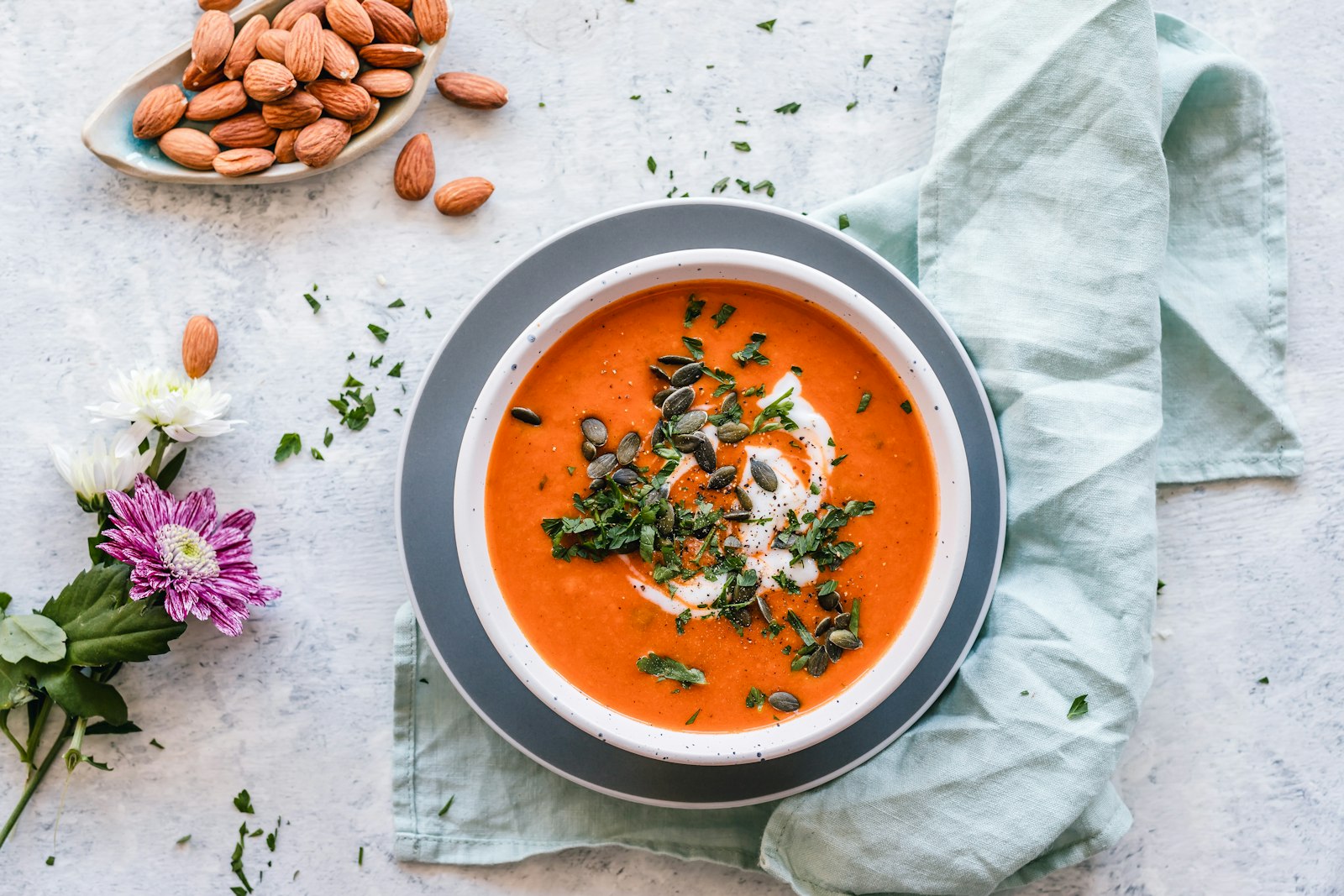
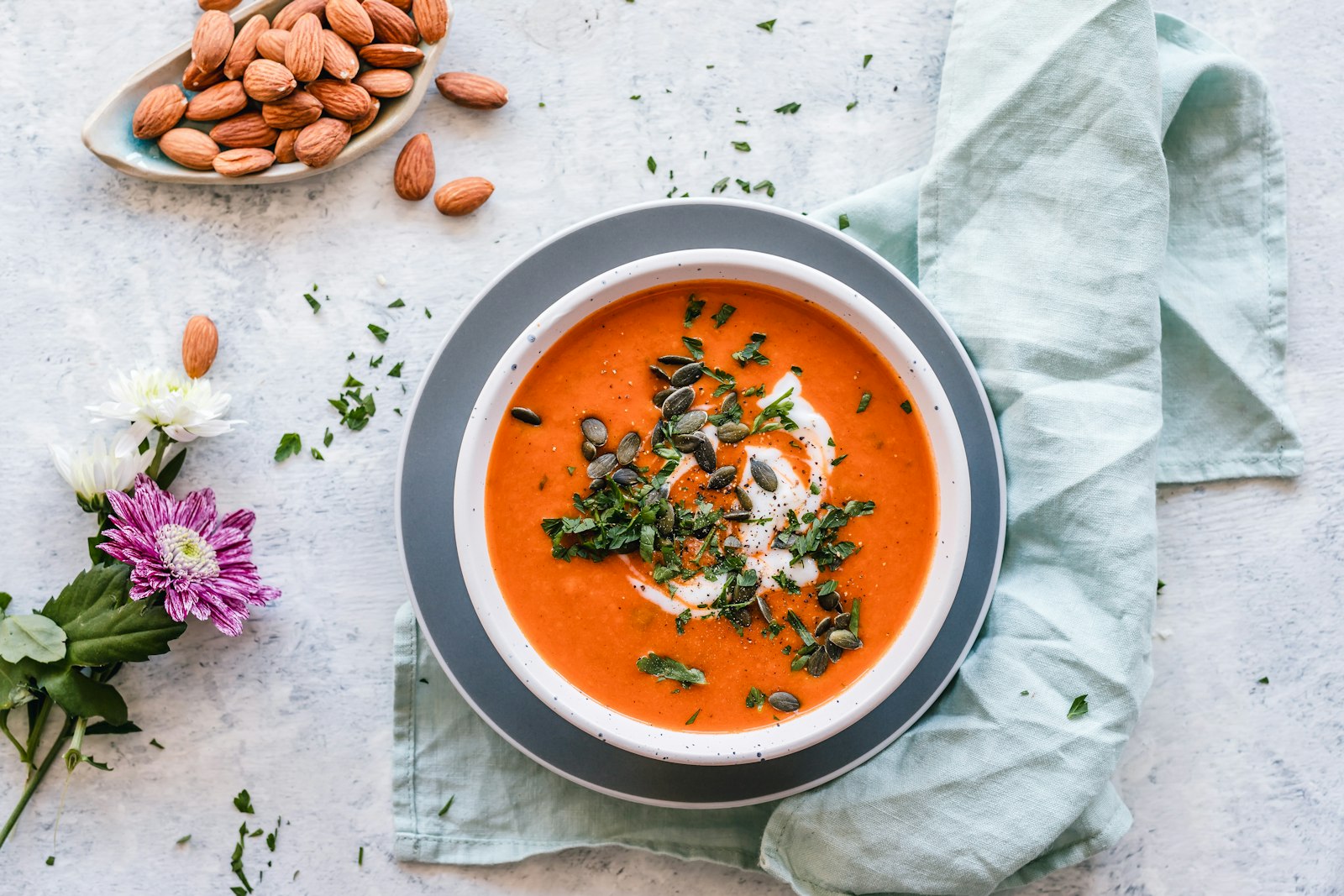
The most beloved preparation. Soak dried lotus seeds for 2-4 hours (or overnight). Simmer with rock sugar, white fungus (银耳), and red dates for 1-2 hours until the seeds are soft and the broth is slightly thick. Serve warm or cold. This is the classic Chinese dessert soup — sweet, comforting, and genuinely therapeutic. Eat it before bed for better sleep.
Lotus Seed Congee
Add soaked lotus seeds to rice congee. Cook until the seeds are soft and starting to break apart. Add goji berries in the last 5 minutes. This is a gentle Spleen-nourishing breakfast that calms the mind — perfect for anxious mornings.
Lotus Seed Tea
A simpler option: simmer 15-20g of dried lotus seeds (莲子心 removed) in water for 30 minutes. Strain and drink. The taste is mildly sweet and very gentle. For stronger sleep effects, keep the莲子心 (lotus plumule — the green bitter sprout inside) — it’s powerfully calming to the Heart, though bitter.
In Savory Soups
Lotus seeds work beautifully in chicken soup, pork rib soup, or with astragalus and red dates. They add a subtle sweetness and a creamy texture when cooked until soft.
The Lotus Family: Other Parts Worth Knowing
The lotus plant is remarkable — every part is used in Chinese medicine and cooking:
| Part | Chinese Name | Primary Use |
|---|---|---|
| Seed | 莲子 (lián zǐ) | Calms mind, tonifies Spleen, nourishes Kidney |
| Plumule (green heart) | 莲子心 (lián zǐ xīn) | Clears Heart fire, calms insomnia (bitter) |
| Root (lotus root) | 藕 (ǒu) | Cools blood, stops bleeding, nourishes Yin |
| Leaf | 荷叶 (hé yè) | Clears summer heat, aids weight loss |
| Stamen | 莲须 (lián xū) | Consolidates Kidney essence |
If you find lotus seeds at an Asian market, you might also pick up lotus root (for stir-fries and soups) and lotus leaf (for wrapping rice and making tea). The entire plant is a pharmacy.
Buying and Preparing
- Dried lotus seeds are most common. Look for white, plump seeds without brown spots. Available at Asian supermarkets and online.
- Soak before cooking — 2-4 hours minimum, overnight preferred. Unsoaked seeds take much longer to soften.
- Remove the plumule (green center) if you want sweet preparations — it’s very bitter. Keep it if you specifically want its Heart-clearing properties.
- Fresh lotus seeds are available in season (summer) in Asian markets. They don’t need soaking and cook faster.
- Storage: Dried seeds keep for months in an airtight container. Cooked lotus seed soup keeps 3-4 days refrigerated.
Common Questions
Can lotus seeds really help me sleep?
For many people, yes — especially if your insomnia is caused by a “racing mind” pattern (Heart not anchored by Kidney). Lotus seed calms the Shen (spirit) gently, without pharmaceutical sedation. It’s not a quick fix like melatonin; it works through consistent use. Eat lotus seed soup or drink lotus seed tea daily for 2-3 weeks and notice the difference. Combined with good sleep hygiene (no screens before bed, consistent bedtime), the effect is often significant.
What’s the difference between lotus seed and the green plumule inside?
Lotus seed (the white part) is sweet and nourishing — it builds the Spleen and Kidney. The plumule (莲子心, the green sprout inside) is bitter and clearing — it specifically clears Heart fire and calms agitation. They treat different patterns: the seed is for deficiency-type insomnia (tired but can’t sleep); the plumule is for excess-type insomnia (restless, irritable, tongue-tip red, mind racing from overstimulation). Many people use both together for a balanced effect.
Is lotus seed safe during pregnancy?
Generally yes, as a food. Lotus seed is commonly eaten during pregnancy in Chinese culture — it nourishes the Spleen and calms the mind, both helpful during pregnancy. However, the莲子心 (plumule) is bitter and cold, and should be used sparingly during pregnancy. As always, consult your healthcare provider.
How much should I eat daily?
For therapeutic effect, 20-30g of dried lotus seeds daily (about a small handful) is standard. In sweet soup, 30-50g per serving. There’s no upper safety concern — lotus seeds are a food, and Chinese families eat them regularly without restriction.
The bottom line: In a world of sleep supplements, anxiety apps, and pharmaceutical interventions, there’s something profoundly reassuring about a remedy that’s been working for three thousand years and costs almost nothing. Lotus seed calms the mind, strengthens digestion, and nourishes the deepest reserves of the body. It doesn’t force anything. It doesn’t sedate. It simply creates the conditions for your body to do what it already knows how to do: rest, digest, and restore. One bowl of lotus seed soup before bed. That’s the whole prescription.
This article explores traditional Chinese food therapy from a cultural perspective. It is not medical advice. If you have insomnia, anxiety, or other health concerns, consult a qualified healthcare provider.
About the Author
Yu Xi Zhang is a Chinese wellness writer with over 15 years of study in Traditional Chinese Medicine. Raised in a family that practiced daily TCM wellness, she bridges Eastern traditions and Western understanding. Read more at The Still Flow.