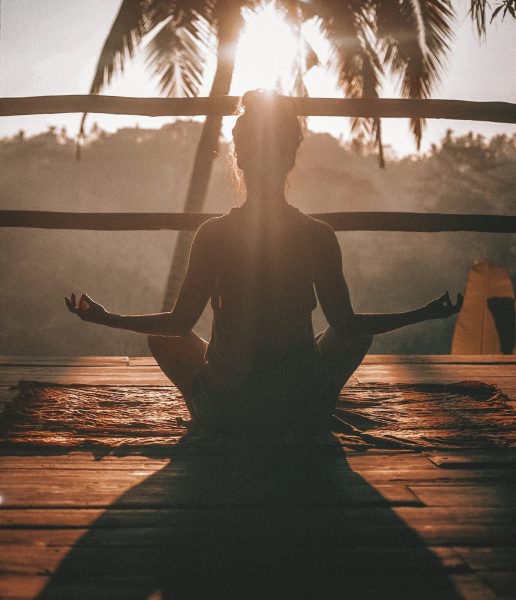
Summer has a way of turning up the heat, doesn’t it? Not just the thermometer, but our internal one as well. That frantic energy, the buzzing restlessness, the mind that feels like it’s been left in the sun—this is what Traditional Chinese Medicine (TCM) calls “excess heat” or an imbalance of yang energy. When the world outside is blazing, the remedy isn’t to fight the season, but to find the cool, still water within. This is where a simple, profound practice comes in: the summer water meditation.
Why Water? The Ancient Wisdom of Cooling from Within
In the Five Element theory of TCM, summer is governed by the Fire element. It’s a time of expansion, joy, and activity. But too much fire leads to agitation, insomnia, and a scattered mind. The element that naturally controls and balances Fire is Water. Think of a sweltering day and the instant relief of a cool drink or a dip in a lake. Water has a deeply cooling, calming, and descending quality. It doesn’t fight the heat; it soothes and contains it.
This isn’t just a poetic idea. From a physiological perspective, focusing on the sensation of cool water can actually lower your perceived stress and calm your nervous system. It’s a sensory anchor. My grandmother, who lived in the humid summers of southern China, had a habit. On the hottest afternoons, she would sit at the kitchen table with a large ceramic bowl of cool water, sometimes with a few slices of cucumber floating in it. She wouldn’t just drink it; she’d hold the bowl, dip her fingers in, and simply breathe. “The heat is outside,” she’d tell me. “Let the water remind you where your coolness lives.” That simple ritual was her form of meditation.
The Practice: A Step-by-Step Guide to Your Summer Water Meditation
This meditation is designed to be simple enough to do anywhere, anytime you feel overheated—physically or emotionally. All you need is a cup of water and five minutes.
What You’ll Need:
- A clear glass or ceramic cup (avoid plastic or metal, as they don’t hold the visual or temperature as purely).
- Cool or room temperature water. For an extra cooling effect, use water that has been infused overnight with cucumber slices, mint leaves, or a single goji berry (a classic TCM touch).
- A quiet spot where you won’t be disturbed for 5-7 minutes.
The Steps:
- Prepare Your Cup: Fill your cup about three-quarters full. If using infused water, prepare it an hour ahead or the night before.
- Settle In: Find a comfortable seated position, either on a chair with your feet flat on the floor or on a cushion on the ground. Place the cup on a stable surface in front of you or hold it gently in both hands.
- Begin with Sight: Look at the water. Notice its clarity, the way light plays through it, any subtle movement. Observe without judgment. This simple act of focused seeing begins to quiet the mind’s chatter.
- Engage Touch: Gently wrap your hands around the cup. Feel the coolness against your palms and fingertips. Let that sensation of cool be the anchor for your attention. If your mind wanders, gently bring it back to the feeling of coolness in your hands.
- Listen to Sound: Slowly, gently, swirl the water in the cup. Listen to the soft, subtle sound it makes—a gentle sloshing. This sound is the voice of stillness. In a noisy world, this quiet sound can be remarkably centering.
- Visualize Cooling Flow: As you continue to hold the cup and feel its coolness, begin to imagine that coolness flowing from your hands, up your arms, and into your chest. Picture it as a gentle, blue stream flowing through your body, dissolving any points of tension or heat—your forehead, your jaw, your shoulders. With each exhale, imagine releasing a wisp of heat or frustration as steam.
- Conclude with Intention: After 3-5 minutes, or when you feel a sense of calm, bring the cup to your lips. Before you drink, set a simple intention: “I am absorbing coolness and calm.” Take one slow, mindful sip. Feel the water travel down your throat and into your body, carrying your intention with it.
Beyond the Basics: Deepening Your Water Practice
Once you’re comfortable with the core practice, you can layer in other elements to suit your needs and the time of day. The goal is to make this a flexible tool in your wellness toolkit.
Consider the time of day. A morning practice can set a calm, clear tone for the hours ahead. An afternoon practice (especially between 1-3 PM, which TCM associates with the Heart and Small Intestine meridians, often affected by summer heat) is perfect for resetting after a busy morning. An evening practice, done an hour before bed, can help cool the body and quiet a racing mind, promoting deeper sleep.
You can also adjust the temperature of the water based on your needs. For general cooling and calming, room temperature or slightly cool water is ideal. If you’re feeling particularly agitated or overheated (a “yang excess” state), you might use cooler water. If you’re feeling drained or fatigued by the summer (a “yin deficiency” where heat has burned up your fluids), you might use room temperature or even slightly warm water, as too much cold can further shock a depleted system. Listen to your body.

The Cultural Roots: Water in Chinese Philosophy and Medicine
To truly appreciate this practice, it helps to understand the profound role water plays in Chinese thought. In the Dao De Jing, Laozi writes, “The highest good is like water. Water gives life to the ten thousand things and does not strive.” Water is the ultimate symbol of softness overcoming hardness, of yielding power, and of profound stillness. In the human body, the Kidney system (governed by the Water element) is considered the root of our yin and yang energy, our deepest reserves of vitality. It’s no accident that when we’re healthy, we describe ourselves as “in good spirits,” and when we’re depleted, we say we’re “running dry.”
“Water is fluid, soft, and yielding. But water will wear away rock, which is rigid and cannot yield. Whatever is fluid, soft, and yielding will overcome whatever is rigid and hard. This is another paradox: what is soft is strong.”
— Dao De Jing
This philosophy teaches us that true strength isn’t about fighting the heat head-on with more fanatical effort or willpower. It’s about cultivating an inner reservoir of cool, calm resilience. The summer water meditation is a direct practice of this principle. You are not battling your agitation; you are simply connecting with the element that naturally balances it.
Troubleshooting and Adapting the Practice
Like any meditation, this one can come with its own set of challenges. Here’s how to handle the most common ones.
Challenge: “My mind is too busy, I can’t focus.”
This is normal, especially in summer when energy is high. Don’t fight the thoughts. Simply notice them, and then gently, kindly, guide your attention back to the physical sensations: the coolness of the glass, the weight of the water, the visual clarity. Each return is a small victory in building your focus muscle.
Challenge: “I don’t have five minutes.”
Start with sixty seconds. Truly. One minute of holding a cool glass of water and taking three deep breaths is more powerful than five minutes of resentful, rushed sitting. Consistency matters more than duration.
Challenge: “It feels too simple.”
That’s the point! Profound change often comes from simple, consistent actions. The simplicity is what makes it accessible. If you want to deepen it, focus on the quality of your attention. Can you notice the water’s temperature to a tenth of a degree? Can you hear the absolute softest sound when you swirl it? The depth is in your awareness, not in complexity.
Common Questions
Can I use iced water for this meditation?
While it might seem logical, from a TCM perspective, extreme cold can shock the system, particularly the digestive “Spleen” energy, which can lead to stagnation. The goal is to cool and descend energy, not to freeze it. Cool or room temperature water is more effective and gentler on your body. If you love iced drinks, enjoy them separately, but for the meditative practice, opt for cool.
How often should I do this practice?
In the heat of summer, a daily practice is wonderful, especially during the peak heat weeks. Even 3-4 times a week can make a significant difference in your baseline calm. Listen to your body. If you feel agitated, overheated, or scattered, that’s your cue. It can also be a beautiful ritual to mark the transition from the busy workday to the quieter evening hours.
Are there any herbs I can add to the water for extra benefit?
Absolutely. The infusion is a key part of the practice for many. Here are a few classic, safe options for 1-2 cups of water:
Cucumber & Mint: The ultimate cooling duo. Add 3-4 thin cucumber slices and 2-3 fresh mint leaves. Let it sit for at least 30 minutes.
Goji Berry & Chrysanthemum: A classic TCM summer tea. Use 5-6 dried goji berries and a pinch of dried chrysanthemum flowers (about 5-6 flowers). Both are renowned for cooling heat and brightening the eyes, which can get strained in bright light.
Rose & Licorice Root: For cooling the Heart and calming the spirit. Use 1-2 dried rose buds and a very thin slice (1/8 inch) of dried licorice root. This combination has a gently sweet, floral flavor and is especially good for emotional agitation.
Steep any of these combinations in cool water in the refrigerator overnight for the best flavor and benefit.
| Infusion Combination | Key Ingredients (for 1-2 cups) | Primary Benefit | Flavor Profile |
|---|---|---|---|
| The Classic Cooler | 3-4 cucumber slices, 2-3 mint leaves | Immediate physical cooling, refreshing | Crisp, clean, herbaceous |
| The Eye Soother | 5-6 goji berries, 5-6 chrysanthemum flowers | Cools internal heat, supports eye health | Floral, subtly sweet |
| The Heart Calmer | 1-2 dried rose buds, 1/8 inch licorice root slice | Calms emotional agitation, cools Heart fire | Floral, gently sweet |
The bottom line: The summer water meditation is more than a relaxation technique; it’s a practice of aligning with the wisdom of the season and the ancient power of the Water element. In just five minutes with a simple cup, you can actively cool your inner landscape, calm a scattered mind, and cultivate the quiet strength that Laozi spoke of. It’s a portable sanctuary, a reminder that stillness and coolness are always available, even on the hottest days.
This article is for educational purposes and reflects traditional wellness perspectives. It is not a substitute for professional medical advice, diagnosis, or treatment.