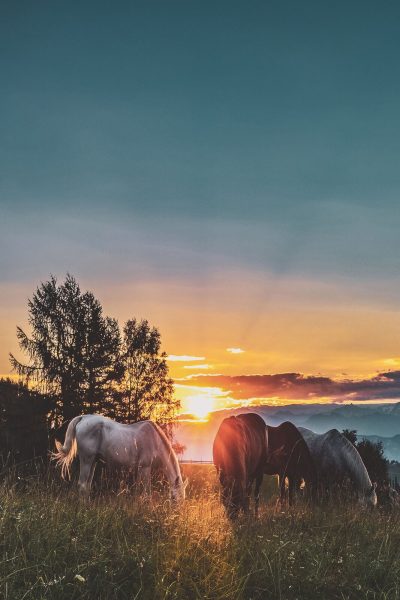
As the summer sun reaches its zenith, we are programmed to think of heat, activity, and expansion. We chase the light, staying out later, firing up grills, and embracing the outward energy of the season. But in Traditional Chinese Medicine (TCM), the peak of yang energy at the summer solstice contains a profound, often overlooked paradox: within this intense heat lies the seed of yin. This is summer’s yin secret, and learning to nurture it is the key to staying cool, calm, and healthy when the world feels like it’s boiling over. Embracing the cool night isn’t just about comfort; it’s about aligning with a fundamental rhythm of nature.
The Paradox of the Summer Solstice: When Yang Contains Yin
My grandmother had a saying she’d repeat every June: “The longest day also holds the seed of the longest night.” As a child, I thought it was just poetic. As I studied TCM, I understood it was a precise description of the yin-yang dynamic at the solstice. The summer solstice is the absolute peak of yang energy—the most daylight, the most heat, the most outward activity. But this moment of maximum yang is also the exact point where yin energy begins its slow, inevitable return. Think of a pendulum: at its highest, most outward point, it has no choice but to start swinging back. The solstice is that pivot point.
In your body, this plays out in a very real way. The intense external heat (yang) can easily deplete your internal cooling and moistening fluids (yin). This is why summer isn’t just about heatstroke; it’s about a specific kind of exhaustion: summer heat injuring yin. Symptoms include night sweats, a dry mouth and throat at night, a feeling of restlessness or insomnia, and a thin, rapid pulse. You feel wired but tired, hot but not necessarily thirsty for cold drinks. This is your body’s yin being scorched by the very season it’s meant to flourish in.
“In summer, treat the heart. In winter, treat the kidneys.” This classical TCM maxim points to the heart’s connection to the fire element of summer. When summer heat flares, it can disturb the heart’s spirit (shen), leading to anxiety and insomnia. Nourishing yin is how we cool that fire from within.
What Exactly Is “Summer Yin Energy”?
Let’s demystify this. Summer yin energy is the cooling, moistening, receptive, and nourishing force within you that must be actively cultivated during the hot months. It’s the internal air conditioner that balances the external furnace. If yang is the sun, yin is the moon, the deep well, the shade of a tree, the cool side of the pillow.
Physiologically, in TCM, yin corresponds to the fluids, blood, and deep substance of the body. It governs our ability to rest, to be calm, to sleep deeply, and to have moist skin and eyes. The organs most involved are the Heart (which houses the mind and spirit, easily agitated by heat) and the Kidneys (the root of all yin and yang in the body). When summer heat attacks, it first dries the fluids, then can disturb the heart, leading to a specific kind of summer anxiety.
Here’s a simple way to feel the difference: After a day in the sun, if you jump into a cold pool, that’s external cooling. It’s yang-against-yang. It shocks the system. But if you sip a cool mint tea in the shade, allow your breath to slow, and let the evening breeze wash over you, you are nourishing internal yin. One is a reaction; the other is a cultivation.
The Night as Your Primary Yin Practice
The most potent time to cultivate summer yin is, logically, when the world turns cool and dark: the night. This is where the “cool night” becomes your practice. Modern life, with its artificial lights, glowing screens, and social media feeds, has robbed us of this natural yin sanctuary. We “burn the midnight oil” (a very yang activity), which is precisely the opposite of what our bodies need in summer.
Your goal is to create a “yin sanctuary” in the hours after sunset. This isn’t just about sleeping (though that’s crucial). It’s about the quality of your evening wind-down. My grandfather, a farmer in Guangdong, would finish his last field work before dusk. He’d wash his hands and feet with cool water from the well, eat a simple dinner of congee and steamed greens, and sit outside listening to the cicadas as the heat slowly lifted. He wasn’t “meditating”; he was simply allowing the day’s yang to settle, letting the yin of the evening enter him. He slept deeply and woke with the birds.
You can create this for yourself. Start by establishing a “Sunset Rule.” One hour before the actual sunset (use a weather app to find this time), begin to dim your environment. Turn off overhead lights. Switch lamps to warm, low bulbs. Put your phone on its charger in another room. This signals to your brain that the yang day is ending and the yin night is beginning.

A Practical Guide: Foods and Herbs to Nourish Summer Yin
You can’t just avoid yang-depleting activities; you must actively feed your yin. Think of your body as a garden in a drought. You need to water and mulch it, not just avoid building a bonfire in it. Here are the specific tools for the job.
The Cooling, Moistening Foods
These are not just “light” foods; they have a specific TCM property of generating fluids. Incorporate 2-3 of these daily:
- Mung Beans (Lǜ Dòu): The king of summer cooling in TCM. They clear heat and detoxify. Make a simple soup: boil 1/2 cup of dried mung beans in 4 cups of water until soft (about 40 minutes). Drink the broth warm or at room temperature. It’s mildly sweet and incredibly effective.
- Watermelon (Xī Guā): Not just a treat; it’s medicine. Its Chinese name literally means “west melon.” Eat the red flesh, but also use the white rind. Cut the green skin off, dice the white part, and simmer it with a bit of rock sugar for a cooling tea.
- Cucumber (Huáng Guā): The ultimate cooling, hydrating vegetable. Eat it raw, or for a yin-nourishing twist, make a quick pickle: slice thin, add a pinch of salt, a splash of rice vinegar, and a teaspoon of honey. Let sit for 20 minutes.
- Pears (Lí): Especially good for the lungs and throat, which get dry from air conditioning. Poach a pear with a few goji berries and a slice of ginger for a simple, elegant dessert.
The Yin-Nourishing Herbs
These are gentle enough for daily use but powerful in their effect. Always buy from a reputable source.
- Goji Berries (Gǒu Qǐ): The classic yin and blood tonic. A small handful (about 15-20 berries) steeped in hot water makes a simple tea. Add them to your mung bean soup or oatmeal.
- Lily Bulb (Bǎi Hé): Specifically calms the heart and moistens the lungs. It’s perfect for that summer restlessness and dry cough. Use dried lily bulbs (available at Asian markets) in soups.
- Chrysanthemum Flowers (Jú Huā): Clears heat from the head and eyes—ideal after screen time. Steep 5-6 flowers in hot water for 3-5 minutes. It’s slightly bitter, so a goji berry or two sweetens it naturally.
| Food/Herb | TCM Property | Simple Summer Use | Best For |
|---|---|---|---|
| Mung Bean | Cold, sweet. Clears heat, detoxifies. | Boil as a soup/broth. | General summer heat, skin breakouts. |
| Watermelon Rind | Cool, sweet. Generates fluids. | Simmer with rock sugar for tea. | Thirst, irritability, scanty urine. |
| Goji Berry | Neutral, sweet. Nourishes yin & blood. | Steep as tea or add to dishes. | Dry eyes, dizziness, night sweats. |
| Lily Bulb (Bǎi Hé) | Cool, sweet. Moistens lungs, calms heart. | Add to soups with lean pork or veggies. | Restless sleep, dry cough, anxiety. |
| Chrysanthemum | Cool, sweet/bitter. Clears heat, brightens eyes. | Steep as a flower tea. | Headaches, red eyes, irritability. |
Movement and Stillness: Balancing Activity with Yin Cultivation
Summer invites movement, but TCM warns against the kind that further depletes you. Your exercise doesn’t stop; it transforms. The principle is “move with the cool, rest with the heat.”
Best Times to Move: Early morning (before 10 a.m.) and evening (after 6 p.m.). Avoid the peak yang hours of 11 a.m. to 3 p.m. for vigorous activity.
Best Forms of Movement:
- Swimming: The ultimate yin exercise. It’s cooling, fluid, and works the whole body without taxing the joints. Aim for 30 minutes of gentle laps or water walking.
- Tai Chi or Qigong at Dusk: These slow, mindful practices cultivate qi without generating excessive heat. Find a quiet park or your backyard 30 minutes after sunset. Focus on slow, deep breathing and gentle, flowing movements.
- Evening Walks: Not a power walk, but a digestive stroll after dinner. Walk for 15-20 minutes, leaving your phone behind. Let the pace be dictated by your breath.
The Yin Power Nap: In summer, a short midday rest (11 a.m. to 1 p.m) is not laziness; it’s wisdom. This period is the Heart time in the TCM organ clock. A 20-minute nap (set an alarm!) with your eyes closed, even if you don’t sleep, can prevent the afternoon crash and protect your heart from summer heat flare.
Common Questions About Summer Yin Energy
Does air conditioning help or hurt summer yin?
This is a tricky one. Air conditioning is a powerful external cold that can create a shocking contrast with the outdoor heat. Used excessively, it can actually trap heat inside your body and prevent your pores from breathing, which is a yang function. It can also create dryness (a yin-depleting factor). The key is moderation and transition. Keep the AC at a moderate temperature (around 76-78°F / 24-26°C). When coming inside from the heat, don’t stand directly in front of the vent. Allow your body to acclimate gradually. Use a damp cloth on your neck and wrists instead of blasting the AC for an instant chill.
I feel tired all summer, but I’m sleeping 8 hours. What’s wrong?
This is classic summer qi deficiency, which often goes hand-in-hand with yin depletion. The heat taxes your body’s energy (qi) just as it taxes your fluids. You’re sleeping, but the quality may be poor (restless, waking up hot), or your body is working overtime to cool itself. Focus on qi-nourishing foods alongside yin foods: include more cooked grains like rice and oats, sweet potato, and lean chicken or pork in your diet. A simple soup of astragalus root (Huáng Qí) and chicken can help build qi. But most importantly, reduce activity. Listen to your fatigue. It’s your body’s wise request to conserve energy for the internal work of cooling and repair.
Is it okay to drink ice water in summer?
From a TCM perspective, no. It seems counterintuitive, but ice water provides a temporary shock (yang) that your spleen and stomach (the digestive system) must then expend energy to warm up to body temperature for digestion. This process can actually create more internal dampness and sluggishness over time. The best approach is to drink room temperature or slightly cool fluids. Herbal teas like chrysanthemum or peppermint, or simple barley water, are far more effective at quenching thirst and cooling you from the inside out without taxing your digestive fire.
The bottom line: Summer’s peak yang energy contains the vital seed of yin. To stay balanced, cool, and calm, you must actively cultivate this yin through embracing the cool night, eating specific fluid-generating foods like mung beans and watermelon, and shifting your movement to dawn and dusk. It’s not about fighting summer’s heat, but about skillfully using its opposite—the quiet, cool, nourishing darkness—to restore your inner equilibrium. Think of it as harvesting the moonlight while everyone else is chasing the sun.
This article is for educational purposes and reflects traditional wellness perspectives. It is not a substitute for professional medical advice, diagnosis, or treatment.