When the summer sun blazes overhead, our modern instinct is to fight back with force. We crank up the air conditioning, reach for ice-cold drinks, and devour frozen treats in an attempt to counteract the heat from the outside. While these methods provide instant relief, they often leave us feeling sluggish, bloated, or even more drained than before. There is a reason for this paradox, and Traditional Chinese Medicine (TCM) has been studying it for over two thousand years. In TCM, summer is not just a season; it is a specific energetic state characterized by Yang energy at its peak. The goal of summer wellness isn’t to shock the body with cold, but to harmonize with the season through gentle, internal cooling. It is about cooling down in summer using TCM principles that respect your body’s internal ecosystem.
- Why Your Fridge Might Be Working Against You
- The Concept of "Summer Heat" and Dampness
- The Cooling Pantry: Foods That Chill You From Within
- Cooling Food Reference Chart
- The Ancient Elixir: Sour Plum Drink (Suanmeitang)
- Mung Bean and Lily Bulb Soup Recipe
- Acupressure Points to Instantly Cool Down
- Lifestyle Adjustments: The Art of "Nourishing Yin"
Why Your Fridge Might Be Working Against You
Imagine your stomach as a digestive fire. In the winter, this fire needs to be stoked to keep you warm and digest heavy foods. In the summer, that fire is already burning bright due to the environmental heat. Now, imagine dumping a bucket of ice water onto a campfire. The fire doesn’t just cool down; it sputters, smokes, and struggles to function.
This is exactly what happens when we consume excessive amounts of ice and raw foods during a heatwave. While it feels good in your mouth, that cold travels deep into your digestive system (the Spleen and Stomach in TCM). The body has to expend a tremendous amount of energy—essentially “digestive Qi”—just to warm that ice back up to body temperature so it can be processed. This diverts energy away from other bodily functions, leading to the infamous “food coma” or a feeling of heaviness.
Furthermore, extreme cold constricts the channels (meridians) in your body. It slows down the flow of Qi and blood. If you constantly chase the sensation of “freezing” cold, you risk creating stagnation. TCM teaches that we should aim for cooling, not freezing. The goal is to gently bring the body temperature down and clear “Summer Heat” (Shu) without damaging the digestive Yang.
The Concept of “Summer Heat” and Dampness
In Chinese medicine, every season has a specific pathogenic factor. For summer, it is Shu Xie, or Summer Heat. This is an exterior pathogen that invades when temperatures soar. Symptoms of Summer Heat include excessive sweating, irritability, dark urine, and a sensation of heat that seems to radiate from your bones.
However, Summer Heat rarely comes alone. It usually brings a friend: Dampness (Shi). Think of a humid, swampy summer day. That heavy, thick air is Dampness. Inside your body, this manifests as bloating, fatigue, brain fog, and sticky sweat. If you combine the external heat with internal Dampness, you get a condition TCM doctors call Shi Re (Damp-Heat). This is why you might feel hot but also lethargic—your body is bogged down.
“Do not treat the heat with cold alone; you must also address the dampness. If you only cool the body but ignore the moisture, the heaviness remains.”
Therefore, a successful summer cooling strategy must do two things: clear heat and drain dampness. We need foods and habits that are energetically cool or cold in nature, but also those that possess a drying quality to cut through that summer humidity.
The Cooling Pantry: Foods That Chill You From Within
You don’t need a freezer to stay cool. Nature provides a bounty of foods that are energetically “cool” or “cold” in nature. When you eat these foods, they interact with your body’s internal thermostat to lower temperature gently. Unlike ice, these foods are easily digested and provide hydration and nutrients.
One of the most powerful cooling foods in the TCM arsenal is the mung bean (Lü Dou). Mung beans have been used for centuries in China to clear heat and detoxify the body. They are sweet and cool, entering the Heart and Stomach channels. A simple bowl of mung bean soup is often the first remedy prescribed for heatstroke or sunburn.
Another superstar is the watermelon (Xi Gua). In TCM, the white rind of the watermelon (often discarded in the West) is actually a potent herbal medicine called Xi Gua Pi. It is excellent for clearing heat and promoting urination, which helps flush out toxins. Don’t throw away that rind—wash it, chop it up, and simmer it into a tea!
Cooling Food Reference Chart
To help you navigate your summer grocery list, here is a breakdown of foods that help in cooling down in summer using TCM principles. Note that “Cold” foods are the strongest, while “Cool” foods are milder and can be eaten more frequently.
| Food Item | Energetic Nature | Key Benefit | Best Way to Eat |
|---|---|---|---|
| Mung Bean | Cold | Clears heat, detoxifies | Soup or porridge |
| Watermelon | Cold | Replenishes fluids, cools Heart | Fresh or as rind tea |
| Cucumber | Cool | Quenches thirst, reduces swelling | Raw in salads |
| Bitter Melon | Cold | Drains dampness, clears fire | Stir-fry or juice |
| Pear | Cool | Moistens lungs, clears phlegm | Raw or steamed with honey |
| Lotus Root | Cool | Clears heat, stops bleeding | Juice or light soup |
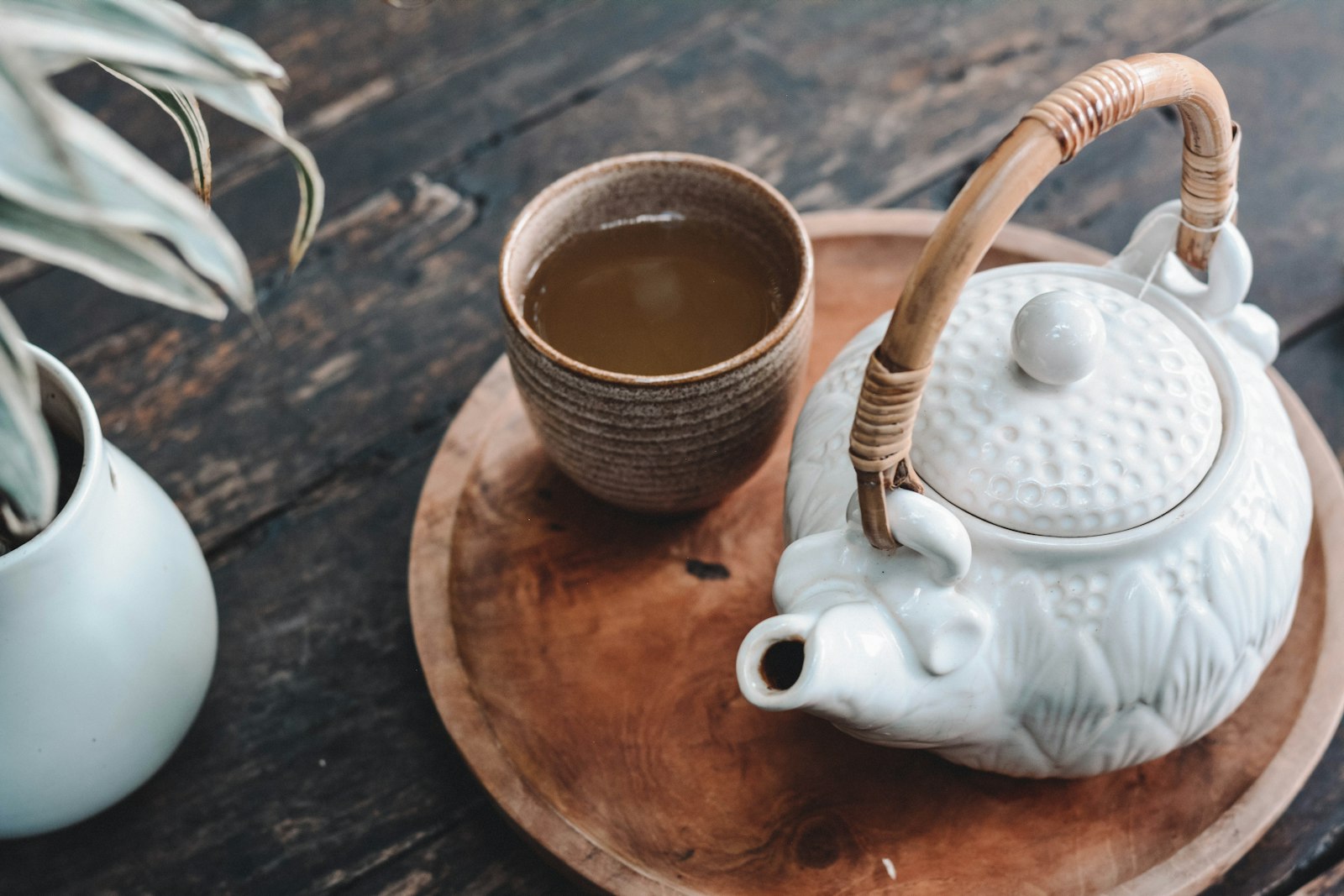
| Green Tea | Cool | Alerts mind, clears heat | Brewed, not iced |
The Ancient Elixir: Sour Plum Drink (Suanmeitang)
If there is one beverage that defines summer wellness in China, it is Suanmeitang, or Sour Plum Drink. You might have seen this dark, amber-colored drink in Chinese restaurants, but the bottled versions are often loaded with sugar and lack the medicinal potency of the traditional brew. Making it at home is simple and incredibly effective.
The primary ingredient is Wu Mei, or Smoked Plum. These are not the sweet plums you eat fresh; they are smoked sour plums that have a very specific function: they generate fluids. In the summer heat, we sweat profusely. While sweating is the body’s natural way to cool down, excessive sweating depletes our Yin (cooling fluids). When Yin is depleted, we feel thirsty even after drinking water, and we become irritable.
Sour Plum Drink acts as a natural “Gatorade,” but without the artificial colors. The sourness of the plum astringes the fluids—meaning it helps hold onto the water you drink so it can hydrate your cells rather than just running through you. It is traditionally combined with licorice root (to balance the sourness and support digestion), osmanthus flowers (for aroma), and rock sugar.
Mung Bean and Lily Bulb Soup Recipe
For a more substantial meal that cools the body and calms the mind, try this classic summer soup. Lily Bulbs (Bai He) are known in TCM to moisten the lungs and calm the Shen (spirit). This is perfect for those hot summer nights when the heat makes you feel anxious and unable to sleep.
- Ingredients: 1 cup dried mung beans, 1/2 cup dried lily bulbs (available at Asian markets), rock sugar to taste.
- Preparation: Soak the mung beans for at least 2 hours. Rinse the lily bulbs gently.
- Cooking: Place beans and lily bulbs in a large pot with 8 cups of water. Bring to a boil, then simmer on low for 45-60 minutes until the beans have burst open.
- Finishing: Add rock sugar in the last 10 minutes of cooking. Serve warm or at room temperature. Tip: Do not serve this ice cold, or it will be too harsh on the stomach.

Acupressure Points to Instantly Cool Down
Sometimes, you need relief right now—perhaps you’re stuck in a hot office or commuting without AC. TCM offers specific acupressure points that act as release valves for excess heat. Stimulating these points can help clear the mind, reduce headache from the sun, and lower body temperature.
The most famous point for summer heat is Da Zhui (GV 14). You can find this point by lowering your head and feeling the bony bump at the base of your neck (the C7 vertebra). The point is just below that bump. It is the meeting point of all the Yang channels of the body. Pressing or rubbing this area can release trapped heat. In China, it is common to see people “scraping” (Gua Sha) this area in the summer to release Shu Qi (Summer Heat energy).
Another excellent point is He Gu (LI 4), located in the web between your thumb and index finger. This point regulates the defensive Qi (immune system) and helps expel exterior pathogens like wind and heat. It is great for summer colds or headaches caused by heatstroke.
Lifestyle Adjustments: The Art of “Nourishing Yin”
Cooling down in summer isn’t just about what you eat; it’s about how you live. Summer is a Yang time—it is active, expansive, and hot. To balance this, we must consciously cultivate Yin energy, which is cool, passive, and contracting.
One of the most overlooked aspects of summer wellness is sleep. In TCM, the summer schedule allows for going to bed slightly later and waking up earlier to catch the cool morning breeze. However, you should also take a short nap (20-30 minutes) during the hottest part of the day (11 am to 1 pm). This period corresponds to the Heart meridian. Resting at this time protects the Heart from being overtaxed by the sun.
Additionally, watch your emotions. The Heart is the seat of the mind (Shen) in TCM. Excessive heat can agitate the Shen, leading to anxiety, restlessness, and insomnia. This is why “cooling down” is also a mental practice. Practices like meditation, reading by a gentle breeze, or simply sitting quietly are forms of “cooling” the spirit.
Common Questions
Is it bad to drink ice water during summer according to TCM?
Yes, TCM generally advises against habitually drinking ice water. While a sip might feel refreshing momentarily, it constricts the stomach and spleen channels. This slows down digestion and requires the body to use vital energy (Qi) to warm the water back up. It is much better to drink room-temperature water or warm teas to maintain the flow of Qi and prevent “Dampness” from accumulating in the gut.
What is the difference between “Summer Heat” and a regular heatstroke?
A regular heatstroke is a medical emergency characterized by the body’s inability to regulate its temperature, leading to organ damage. “Summer Heat” (Shu) in TCM is a broader concept describing the pathogenic influence of the season. It includes mild symptoms like fatigue, heavy limbs, and mild fever, as well as more severe conditions. TCM approaches “Summer Heat” by clearing heat and draining dampness before it becomes a severe medical issue.
Can I eat spicy food in the summer? Won’t that make me hotter?
Interestingly, yes, you can eat spicy food! This is a classic TCM paradox known as “treating heat with heat.” Spicy foods (pungent flavor) induce sweating. When sweat evaporates from your skin, it cools the body down. This is why people in incredibly hot climates like Sichuan or India eat very spicy food—it helps the body regulate its temperature through induced perspiration. However, this should be done in moderation and is best for those who feel “stuffy” and can’t seem to sweat.
The bottom line: Cooling down in summer using TCM is about working with your body’s natural cycles rather than shocking it with artificial cold. By incorporating cooling foods like mung beans and watermelon, enjoying traditional herbal drinks like sour plum tea, and taking time to rest during the hottest parts of the day, you can stay comfortable, energized, and healthy all season long.
This article is for educational purposes and reflects traditional wellness perspectives. It is not a substitute for professional medical advice, diagnosis, or treatment.