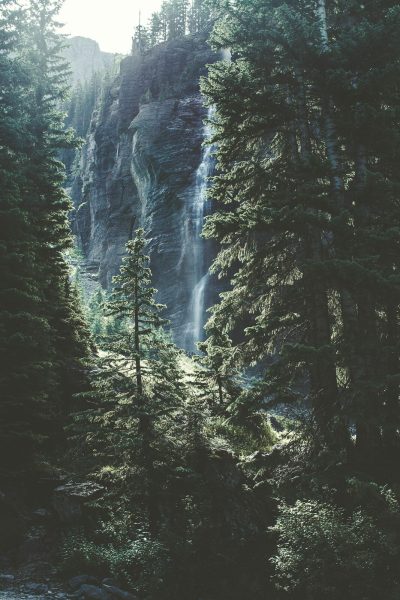
There is a particular kind of quiet that exists only in winter. It’s not the absence of sound, but the presence of stillness—a deep, resonant hush that settles into your bones if you let it. In Traditional Chinese Medicine (TCM), this isn’t just poetic; it’s physiologically potent. Winter is the season of the Kidney system, the root of our vital energy, or Qi. And the forest, in its dormant, silent state, becomes a powerful ally for replenishing this foundational energy. This practice, a form of winter forest bathing TCM enthusiasts swear by, is less about vigorous hiking and more about profound listening, soaking in the quiet, and allowing nature’s deep rest to mirror and restore our own.
- The Kidney Connection: Why Winter Silence is Medicine
- Beyond a Walk in the Woods: The TCM Art of Absorbing Stillness
- Your Practical Guide: A TCM-Inspired Winter Forest Bath
- Nourishing the Kidneys: What to Eat and Drink Before and After
- Winter Forest Bathing vs. Other Seasons: A TCM Comparison
- Recommended Winter Wellness Supports
The Kidney Connection: Why Winter Silence is Medicine
In TCM, the Kidneys are far more than the anatomical organs that filter blood. They are considered the “Root of Life,” housing our most fundamental energy, Jing (essence), which is closely tied to vitality, reproductive health, and aging. The Huangdi Neijing (Yellow Emperor’s Classic of Internal Medicine), a foundational text written over 2,000 years ago, directly links winter to the Kidney organ system: “In the three months of winter, called ‘closing and storing,’… one should go to rest early and rise late, waiting for the sun.” It advises us to conserve energy, avoid overexertion, and align with nature’s inward, storage-focused rhythm.
The silence of the winter forest is a physical manifestation of this principle. The bare trees, the frozen ground, the absence of birdsong and insect hum—this is nature in its most Yin state. Yin, in TCM, represents the cool, quiet, receptive, and nourishing aspects of life. By immersing ourselves in this environment, we don’t just observe it; we absorb its quality. We give our overstimulated nervous systems permission to downshift from the sympathetic (“fight-or-flight”) state into the parasympathetic (“rest-and-digest”) state. This is where healing begins. A 2010 study published in Environmental Health and Preventive Medicine found that “forest bathing” trips significantly reduced cortisol levels, pulse rate, and blood pressure compared to city walks, with the calming effects being most pronounced in winter conditions.
“The Kidney is the minister of the strong, from which skill and strength derive.” — Huangdi Neijing
Beyond a Walk in the Woods: The TCM Art of Absorbing Stillness
Western “forest bathing,” or Shinrin-yoku, originated in Japan in the 1980s as a public health program. It emphasizes mindful, sensory immersion in a forest environment. TCM adds a layer of intentionality aligned with seasonal energy. A winter forest bath isn’t about logging miles or identifying flora; it’s about stillness, conservation, and deep listening. The goal is to actively receive the forest’s Yin energy to balance our often Yang-exhausted modern lives.
My grandmother, who grew up in a village outside Hangzhou, had no term for this. She simply said that in the depths of winter, you must “go sit with the old trees.” She believed the trees, in their dormant state, held a quiet wisdom and strength that could be passed on through stillness. This isn’t mystical nonsense; it’s a practical application of the TCM principle of resonance—that we can harmonize our internal environment with our external one.
The key difference is in the approach. While a summer walk might be active and expansive, a winter practice is passive and receptive. You are not conquering the trail; you are letting the forest’s quiet fill you.

Your Practical Guide: A TCM-Inspired Winter Forest Bath
Ready to try it? Here is a step-by-step guide to a practice that honors both the Japanese tradition and TCM’s seasonal wisdom. This isn’t a casual stroll; it’s a dedicated ritual for restoration.
Preparation & Setting (The 3 P’s)
- Place: Choose a safe, familiar forest or large park. Coniferous forests (pine, fir, spruce) are particularly potent in winter. The oils they release, called phytoncides, have been shown in research (Li et al., 2008, International Journal of Immunopathology and Pharmacology) to boost immune function. A flat, accessible path is ideal.
- Time: Aim for late morning to early afternoon (10 am – 2 pm) when the sun is highest and temperatures are most stable. Even 20 minutes is beneficial; 45-60 minutes is ideal. Go alone or with a silent companion. Conversation disrupts the practice.
- Preparation: Dress in warm, layered clothing—especially protecting your lower back (the “Gate of Vitality” or Ming Men, associated with Kidney Yang energy) and feet. Wear sturdy, comfortable shoes. Bring a small thermos of a warming herbal tea (see recipe below). Leave your phone on airplane mode or turned off.
The 5-Step Practice (60-Minute Version)
- Arrival & Grounding (5 minutes): Stand at the edge of the forest. Take three deep, slow breaths. Feel your feet connect with the earth. Set a simple intention: “I am here to receive quiet.”
- Slow Walk Inward (10 minutes): Walk at a pace 50% slower than your normal gait. Focus on the sensation of your feet on the ground. Notice the cold air on your cheeks, the scent of damp earth and pine.
- The Sitting Practice (30 minutes): Find a comfortable spot—a log, a rock, or even a small folding stool you brought. Sit down. Now, do nothing. Don’t read, don’t check your watch. Simply sit. Listen. Let your gaze soften. Notice the layers of silence: the rustle of a distant leaf, the creak of a branch, the vast, encompassing quiet. This is the core of the practice—absorbing the Yin.
- Gratitude & Departure (5 minutes): After 30 minutes, gently stand. Place a hand on your lower back, over the kidneys. Take a moment to thank the space for its restorative quiet.
- Integration (10 minutes): Walk slowly back. Carry the stillness with you. Avoid immediately jumping into loud music or stressful conversations. Drink your warm tea slowly.
Nourishing the Kidneys: What to Eat and Drink Before and After
In TCM, supporting the Kidneys goes beyond the practice itself. The foods you eat act as internal medicine. Winter is the time to favor warming, nourishing, and dark-colored foods that specifically tonify Kidney Qi and Jing.
Before Your Forest Bath (Morning): Have a warm, easily digestible breakfast. Avoid cold, raw foods that can strain digestion.
After Your Forest Bath (Evening): This is the time for deep nourishment. A classic TCM recommendation is a simple black bean and walnut soup.
Kidney-Nourishing Black Bean & Walnut Soup
Ingredients: 1 cup dried black beans (soaked overnight), ½ cup walnuts, 6-8 dried Goji berries (Lycium barbarum), 1-inch piece of ginger (sliced), 4 cups vegetable or bone broth.
Method: Combine soaked, drained beans, walnuts, ginger, and broth in a pot. Bring to a boil, then simmer for 1.5-2 hours until beans are very soft. Add Goji berries in the last 10 minutes. Season lightly with sea salt. Serve warm.
Why it works: Black beans are the quintessential Kidney food in TCM, their color resonating with the Kidney organ system. Walnuts warm the Kidney Yang. Goji berries nourish Kidney Yin and Jing. This soup is a direct, edible extension of your forest practice.
Winter Forest Bathing vs. Other Seasons: A TCM Comparison
Understanding the seasonal intent helps you practice with true alignment. The table below contrasts the goals and methods across seasons.
| Season | TCM Organ Focus | Forest Bathing Goal | Key Practice |
|---|---|---|---|
| Spring | Liver / Gallbladder | Unblock stagnation, encourage growth | Gentle movement, noticing new growth |
| Summer | Heart / Small Intestine | Cool and calm the spirit, express joy | Lively walking, social connection, dawn/dusk practice |
| Late Summer | Spleen / Stomach | Ground and center, aid digestion | Mindful walking, focus on stability |
| Autumn | Lung / Large Intestine | Let go, deepen breath, accept change | Deep breathing exercises, collecting leaves/nuts |
| Winter | Kidney / Bladder | Conserve, restore, absorb Yin silence | Stillness, sitting practice, silent listening |
Recommended Winter Wellness Supports
To deepen your practice, consider these traditional supports. They are tools to help you integrate the forest’s quiet into your daily life.
- Thermos for Warm Tea: A double-walled stainless steel thermos to keep your Kidney-warming tea hot for hours. Look for one with a wide mouth for easy cleaning.
- Lightweight Sitting Pad: A small, packable foam or wool pad to insulate you from the cold ground, protecting your Kidney area from direct cold.
- Herbal Tea Blend: A pre-mixed blend of Rou Gui (Cinnamon Bark, Cinnamomum cassia), Gou Qi Zi (Goji Berries), and a touch of Hong Zao (Jujube Date). Steep 1 tablespoon in hot water for 10 minutes. This combination warms the Kidney Yang and nourishes Qi.
Common Questions
Is it safe to sit on the cold ground in winter from a TCM perspective?
This is a crucial point. In TCM, cold is a pathogenic factor that can invade the body and particularly damage Yang Qi, especially in the Kidney system. Therefore, direct, prolonged contact with frozen ground is not recommended. Always use a thick, insulating pad or a folded blanket. The goal is to absorb the quiet, not the cold. Protect your lower back and feet diligently with layers. The practice is about mindful exposure, not endurance.
I live in a city with no forests. Can I still do this?
Absolutely. The core principle is connecting with dormant, Yin nature. Adapt the practice: find a quiet, uncrowded city park in the early morning. Sit under a large, bare tree. Focus on the skeletal beauty of its branches against the winter sky. Alternatively, you can create a “forest bath” at home. Sit in a quiet room, use an essential oil diffuser with pine (Pinus sylvestris) or cedarwood (Cedrus atlantica) oil, and play a recording of winter forest sounds. Close your eyes and follow the same 30-minute sitting practice. The intention and the stillness are what matter most.
How often should I practice winter forest bathing for benefits?
Consistency is more important than duration. A TCM-aligned approach would be to aim for once a week during the winter months (roughly November through February in the Northern Hemisphere). This regularity helps your body and mind entrain to the seasonal rhythm of conservation. Even one 45-minute session can provide a noticeable reset for a stressed nervous system. If weekly is not feasible, aim for at least twice a month. Listen to your body—if you feel depleted, a quiet session is exactly what you need.
The bottom line: Winter forest bathing, viewed through a TCM lens, is a powerful practice of seasonal alignment. By intentionally seeking out the silent, Yin-dominant environment of a winter forest and practicing receptive stillness, you directly nourish your Kidney Qi—the foundation of your vitality. It’s a simple, profound way to let nature’s deep rest restore your own.
About the Author
Yu Xi Zhang grew up in a Chinese household where traditional wellness practices were part of daily life. With over 15 years of study under licensed TCM practitioners in Beijing and Chengdu, and a certification in TCM nutrition from the Beijing University of Chinese Medicine, she bridges Eastern wisdom with Western wellness in practical, actionable ways. Her writing draws from classical texts like the Huangdi Neijing and modern research to help readers live healthier, more balanced lives.
This article is for educational purposes and reflects traditional wellness perspectives. It is not a substitute for professional medical advice, diagnosis, or treatment.