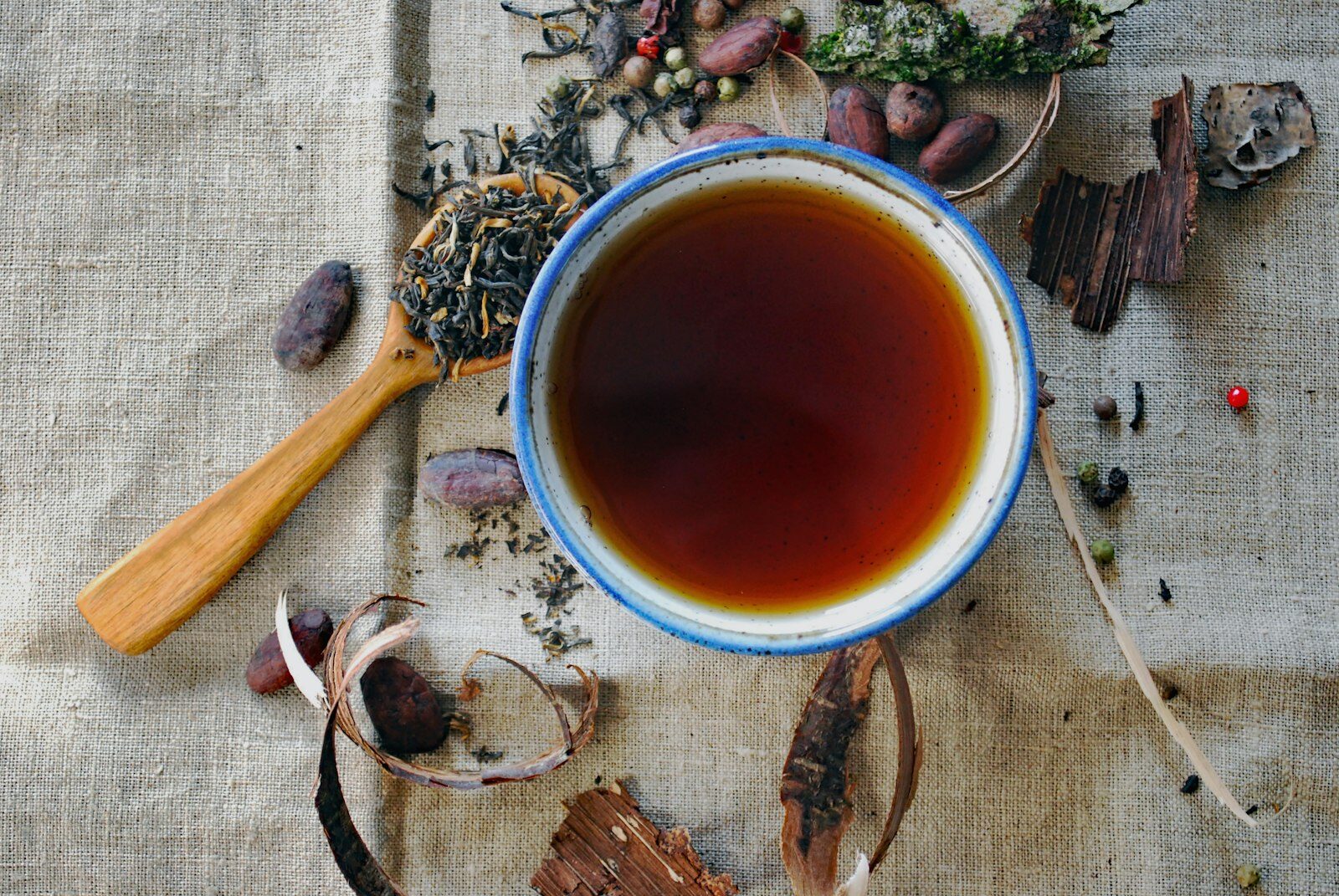
When the first frost settled on the windows of my family’s Beijing apartment, my grandmother would retreat to the kitchen with a quiet sense of purpose. She wasn’t making a feast; she was making a simple, dark paste. The air would fill with the warm, nutty aroma of toasted black sesame seeds (芝麻, zhīma) being ground with a touch of honey. “This,” she’d say, spooning it into a small bowl, “is for your bones. Winter is for storing, not spending.” She was speaking in the language of Traditional Chinese Medicine (TCM), where winter is the season of the Kidneys—the deepest, most foundational energy system in your body. And the foods you eat during these cold months aren’t just for comfort; they’re a strategic investment in your vitality for the year ahead. Today, we’ll explore why your kidneys, in the TCM view, are literally craving two specific superfoods: black sesame seeds and walnuts (核桃, hétáo).
- Understanding the Kidney System in TCM: More Than an Organ
- Why Black Sesame? The Tiny Seed with Profound Kidney Power
- The Wisdom of Walnuts: Brain-Shaped Nourishment for Your Kidneys and Brain
- A Winter Kitchen Pharmacy: Your Actionable Food Guide
- A Simple Winter Routine to Protect Your Kidney Qi
- Common Questions About Winter Kidney Foods in TCM
Understanding the Kidney System in TCM: More Than an Organ
In Western medicine, the kidneys are a pair of bean-shaped organs responsible for filtering blood and producing urine. In TCM, the Kidney system (肾, Shèn) is a vast, profound concept that encompasses so much more. It is considered the “Root of Life,” the storage house for your most fundamental energy, known as Jing (精). Think of Jing as your constitutional battery pack, a finite amount of energy you’re given at conception. It governs your growth, development, reproduction, and the overall strength of your bones, marrow, and brain. The Huangdi Neijing (Yellow Emperor’s Inner Classic), the foundational text of TCM written over 2,000 years ago, states: “The Kidneys store the essence of life… and govern the bones and generate marrow.”
This Kidney system also houses your Yin and Yang—the fundamental opposing yet complementary forces of your body. Kidney Yin is your cooling, moistening, and nourishing aspect. Kidney Yang is your warming, activating, and motivating aspect. Winter, as the most Yin season (cold, dark, still), naturally puts a strain on your Kidney Yang. At the same time, the dry, cold air can deplete Kidney Yin. The goal of winter wellness in TCM is to nourish and conserve this Kidney energy, not to over-exert or deplete it. This is where strategic food choices become your primary medicine.
“The Kidneys are the root of the prenatal qi, the foundation of all Yin and Yang in the body. To nourish them is to nourish the source of life itself.”
Why Black Sesame? The Tiny Seed with Profound Kidney Power
Black sesame seeds (黑芝麻, hēi zhīma) are not just a trendy superfood; they are a cornerstone of TCM nutrition, specifically classified for their profound affinity with the Kidney system. According to the Shennong Bencao Jing (The Divine Farmer’s Materia Medica), one of the earliest texts on herbal medicine, sesame was revered for its ability to “tonify the five organs, benefit the marrow, and strengthen the sinews and bones.”
The “why” lies in its properties. Black sesame is neutral in nature and sweet in flavor, entering the Kidney, Liver, and Large Intestine meridians. Its primary actions are to nourish Yin, moisten dryness, and nourish the blood and essence (Jing). The black color is significant—in TCM’s Five Element theory, black is the color associated with the Water element and the Kidneys. Eating black foods is a form of “like supports like” nutrition. Modern research is beginning to validate this traditional wisdom. A 2019 study in the Journal of Ethnopharmacology found that the lignans in black sesame, particularly sesamin and sesamolin, exhibit potent antioxidant and anti-inflammatory effects, which may support cellular health and protect against oxidative stress—a key factor in aging and the depletion of Jing.
Actionable Tip: To unlock their full potential, sesame seeds must be ground or chewed thoroughly. Their hard outer shell is indigestible. I keep a jar of homemade black sesame paste on hand all winter. Simply toast 1 cup of raw black sesame seeds in a dry pan over medium-low heat for 5-7 minutes, until fragrant. Let cool, then blend in a food processor for 10-15 minutes until a smooth, oily paste forms. You can add 1-2 tablespoons of raw honey or maple syrup to taste. Stir a tablespoon into warm oatmeal, spread it on toast, or mix it into a cup of warm almond milk for a deeply nourishing winter drink.
The Wisdom of Walnuts: Brain-Shaped Nourishment for Your Kidneys and Brain
There’s a beautiful principle in TCM called the “Doctrine of Signatures,” where the appearance of a natural substance hints at its medicinal use. Walnuts (核桃, hétáo) look remarkably like a miniature brain, with their wrinkled, bi-lobed shape. In TCM, the Kidneys are said to “generate marrow, and the brain is the sea of marrow.” Therefore, nourishing the Kidneys directly nourishes the brain, memory, and cognitive function. This is why walnuts are traditionally used to strengthen the Kidneys and Yang energy, and by extension, support mental clarity.
Walnuts are warm in nature and sweet in flavor, entering the Kidney, Lung, and Large Intestine meridians. Their key actions are to tonify Kidney Yang, warm the Lungs, and moisten the intestines. They are particularly valuable in winter for their warming, activating Yang energy that counteracts the season’s cold. A 2020 systematic review published in Nutrients highlighted that regular walnut consumption is associated with improved cognitive function and a reduction in cardiovascular risk factors, thanks to their rich content of alpha-linolenic acid (ALA), an omega-3 fatty acid, and polyphenols. From a TCM perspective, this cardiovascular support is seen as a manifestation of improved Kidney Yang, which helps warm and circulate blood.
Actionable Tip: Don’t eat walnuts raw in large quantities in winter—their raw, oily nature can be hard on digestion for those with weaker Spleen Qi. The classic TCM preparation is dry-roasted walnuts. Spread raw walnut halves on a baking sheet and toast at 325°F (165°C) for 8-10 minutes until fragrant and slightly darkened. This makes them easier to digest and enhances their warming properties. Eat 2-3 roasted walnuts daily as a snack, or chop them and sprinkle over soups and stews. For a powerful Kidney-tonifying snack, combine them with black sesame paste and a few goji berries.

A Winter Kitchen Pharmacy: Your Actionable Food Guide
Knowing the “why” is important, but the “how” is what changes your health. Integrating these foods into your daily routine doesn’t require a complete diet overhaul. It’s about small, consistent, warming additions. Think of your winter kitchen as a gentle pharmacy where every meal is an opportunity to nourish your Kidneys.
| Food | TCM Property | Primary Action for Kidneys | Simple Daily Preparation |
|---|---|---|---|
| Black Sesame Seeds | Neutral, Sweet | Nourishes Yin & Jing, moistens dryness | 1 tbsp ground paste in oatmeal or warm milk. |
| Walnuts | Warm, Sweet | Tonifies Kidney Yang, warms the body | 2-3 dry-roasted halves as a daily snack. |
| Black Beans (黑豆, hēidòu) | Neutral, Sweet | Nourishes Yin & Blood, tonifies Kidneys | Add to soups, stews, or make a simple black bean porridge. |
| Goji Berries (枸杞子, gǒuqǐzi) | Neutral, Sweet | Nourishes Yin & Jing, benefits eyes & Liver | A small handful (10-15g) steeped in hot water as tea. |
| Black Rice (黑米, hēimǐ) | Warm, Sweet | Nourishes Blood & Yin, strengthens Spleen & Kidneys | Use as a base for porridge or mix 50/50 with white rice. |
| Lamb (羊肉, yángròu) | Warm, Sweet | Strongly tonifies Kidney Yang & warms the middle | A small portion (100g) in a slow-cooked stew with ginger. |
| Chestnuts (栗子, lìzi) | Warm, Sweet | Tonifies Kidney Qi & Yang, strengthens lower back & knees | Roast 5-6 chestnuts for a snack or add to chicken soup. |
A Simple Winter Routine to Protect Your Kidney Qi
Eating the right foods is one pillar. The other is living in a way that doesn’t leak your precious Kidney energy. Winter in TCM is a time for conservation, rest, and inward focus. The Huangdi Neijing advises: “In the three months of winter, this is called closing and storing… Go to bed early and rise late, after the sun has risen. Let the mind dwell as if hidden, as if private thoughts were kept secret.” This isn’t lazy; it’s strategic. You are aligning your lifestyle with nature’s rhythm to preserve your core energy.
- Warm Your Feet, Warm Your Kidneys: The Kidney meridian begins at the sole of the foot (the Yongquan point, K-1). Cold feet are a direct sign of depleted Kidney Yang. Action: Wear warm socks to bed. Soak your feet in a basin of warm water (around 104°F/40°C) for 15 minutes before bed, adding a handful of mugwort (Artemisia argyi) or ginger slices if you have them. This simple act is profoundly nourishing.
- Protect Your Lower Back: The Kidneys are located in the lower back, and this area is considered the “House of the Kidneys.” Exposure to cold here can directly injure Kidney Yang. Action: Always wear an extra layer or a scarf over your lower back when going outside. Consider using a moxa heat pad on your lower back for 10-15 minutes on very cold days.
- Embrace Stillness: Vigorous, sweaty exercise in winter can over-disperse Yang Qi. Shift your movement practice to gentler, more internal forms. Action: Practice 15 minutes of gentle qigong, like the “Kidney Nourishing” form, or slow, mindful stretching in the morning. Prioritize sleep—aim for 7.5-8 hours, going to bed by 10:30 PM.
- Manage Fear: In TCM, the emotion associated with the Kidneys is fear. Chronic anxiety, worry, or a constant state of “fight or flight” can severely deplete Kidney Qi. Action: When you feel fear or anxiety rising, place your hands over your lower back (kidney area) and take 5 slow, deep breaths, imagining warmth and stability flowing into that area. This is a simple somatic practice to ground the energy.
Common Questions About Winter Kidney Foods in TCM
Can I eat black sesame and walnuts if I have a “heaty” constitution or inflammation?
This is an excellent and important question. TCM is all about balance. If you have a lot of internal heat (signs include a red face, feeling hot, red tongue, yellow-coated tongue, or inflammatory conditions), you should use these foods moderately and with cooling balancing agents. Walnuts are warm, so limit them to 1-2 per day and pair them with cooling foods like pear or celery. Black sesame is neutral, so it is generally safe. The key is observation—if you notice increased breakouts, irritability, or feeling hotter after eating them, reduce the amount. When in doubt, consult with a licensed TCM practitioner who can assess your specific constitution.
How much is too much? Is there a daily limit for these foods?
TCM emphasizes moderation and consistency over large doses. For black sesame, 1-2 tablespoons of ground paste or seeds per day is a standard, nourishing dose. For walnuts, 2-3 whole walnuts (about 30-40 grams) daily is sufficient to provide benefits without overloading your digestion with their rich, oily nature. Remember, these are powerful foods, not snacks to be eaten by the handful. Think of them as daily tonics. Start with the lower end of the range and see how your body feels over a week.
I’m vegan. Are there other plant-based Kidney-nourishing foods for winter?
Absolutely. The plant kingdom is rich in Kidney-supportive foods. Beyond black sesame and walnuts, focus on: black beans (a superb Yin and blood tonic), black rice (warms and nourishes), goji berries (nourish Yin and Jing), lotus seeds (莲子, liánzi, calm the spirit and nourish), cooked rehmannia root (熟地黄, shú dìhuáng, a powerful Yin tonic often used in soups), and He Shou Wu (何首乌, Hé Shǒu Wū, Polygonum multiflorum root, traditionally used for nourishing Jing and hair health). Incorporate these into warming soups, congees, and teas throughout the season.
Recommended Kitchen Tools & Books
- Mortar and Pestle or Coffee Grinder: Essential for grinding black sesame seeds fresh to unlock their oils and nutrients. A small, dedicated grinder is perfect.
- Cast Iron Dutch Oven or Slow Cooker: Ideal for making the long-simmered, Kidney-nourishing bone broths and stews that are a winter staple. The even, gentle heat is perfect.
- The Web That Has No Weaver by Ted Kaptchuk: The classic Western introduction to TCM theory, perfect for understanding the deeper “why” behind these practices.
- Chinese Nutrition Therapy by Joerg Kastner: A fantastic, practical guide to food as medicine in TCM, with recipes and clear explanations of food properties.
The bottom line: In Traditional Chinese Medicine, winter is not a time of deprivation but of strategic nourishment. By consciously incorporating Kidney-tonifying foods like black sesame seeds and walnuts into your diet—ground, roasted, and consumed in moderation—and by adopting a lifestyle that conserves energy through rest, warmth, and stress management, you are doing more than eating well. You are investing in the very root of your vitality, building a deep reservoir of energy that will support you through the coming year. Listen to your body’s winter cravings; it may be speaking the ancient language of your Kidneys.
About the Author
Yu Xi Zhang grew up in a Chinese household where traditional wellness practices were part of daily life. With over 15 years of study under licensed TCM practitioners in Beijing and Chengdu, and a certification in TCM nutrition from the Beijing University of Chinese Medicine, she bridges Eastern wisdom with Western wellness in practical, actionable ways. Her writing draws from classical texts like the Huangdi Neijing and modern research to help readers live healthier, more balanced lives.
This article is for educational purposes and reflects traditional wellness perspectives. It is not a substitute for professional medical advice, diagnosis, or treatment.