Every few weeks, I’d get a sore throat, mouth ulcers, and pimples — all at the same time. My doctor said “it’s just stress.” My Chinese aunt said “you’re on fire.” Turns out, she was right.
I’m a 29-year-old copywriter living in台北, and for most of my twenties I treated my body like a vending machine: insert coffee, receive productivity. Sleep was optional. Vegetables were decorative. Spicy ramen at midnight was a personality trait. And every three to four weeks, without fail, my body would send me an invoice — in the form of a sore throat so raw it felt like I’d swallowed sandpaper, mouth ulcers that made eating anything more exciting than porridge an exercise in suffering, and at least two angry pimples that appeared overnight like unwelcome houseguests.
I went to my GP twice about this pattern. Both times, he shrugged. “Probably stress. Maybe a mild viral thing. Get more sleep.” He wasn’t wrong about the sleep part, but his diagnosis felt like being told your car is making a weird noise and the mechanic says “yeah, cars do that sometimes.”
Then one Sunday dinner at my aunt’s apartment, mid-sentence about my latest mouth ulcer, she interrupted me with the confidence of someone who has been diagnosing family members since before I was born.
“You have too much internal heat. You’re shanghuo.”
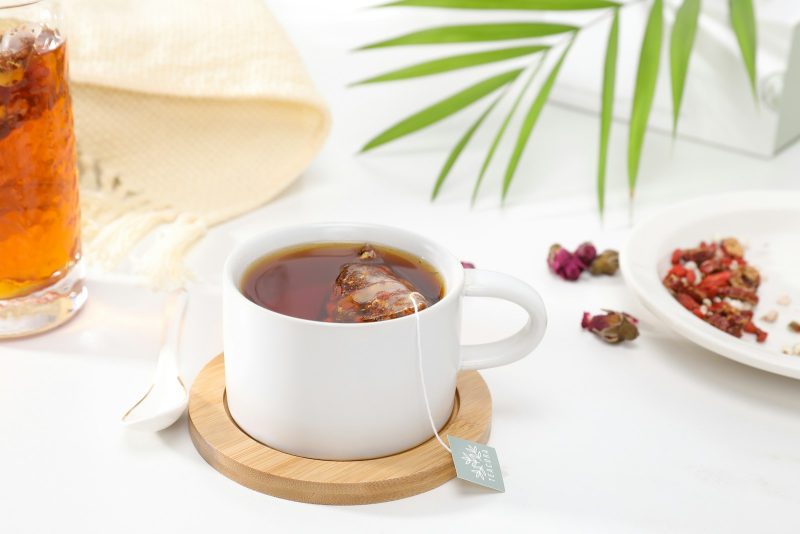
She said it like it was obvious. Like she was telling me the sky was blue. And then she handed me a cup of chrysanthemum tea and told me to stop eating fried chicken before bed.
That conversation sent me down a months-long rabbit hole into traditional Chinese medicine, internal heat symptoms, and a health framework that — I’ll be honest — explained my “random” symptoms better than anything my doctor had offered. This is what I learned.
What Is Shanghuo? The Chinese Medicine Concept My Aunt Was Talking About
Let me translate this properly, because “you’re on fire” doesn’t quite capture it.
In traditional Chinese medicine (TCM), the concept of shanghuo (上火, literally “above fire” or “superior fire”) refers to a state of excessive internal heat in the body. It’s not a disease — it’s a pattern of imbalance. Think of it as your body’s internal thermostat getting stuck on “high.”
TCM operates on the principle that health is a dynamic balance between yin (cooling, nourishing, moistening energy) and yang (warming, activating, drying energy). When yang overwhelms yin — whether from diet, emotions, lifestyle, or seasonal changes — excess heat rises through the body. And because heat naturally rises (just like in physics), the symptoms tend to show up in the upper body first: the throat, the mouth, the face, the eyes.
This is why shanghuo symptoms feel so oddly specific and so oddly clustered. It’s not a coincidence that you get a sore throat, mouth ulcers, and breakouts simultaneously. They’re all expressions of the same underlying pattern — heat rising through the upper burner, as TCM practitioners call it.
The earliest Chinese medical text, the Huangdi Neijing (Yellow Emperor’s Classic of Internal Medicine), written over 2,000 years ago, describes fire pathologies in detail. The concept has been part of everyday Chinese health culture for so long that most Mandarin speakers use “shanghuo” casually, the way English speakers might say “I’m coming down with something.” Except in this case, “something” has very specific, recognizable symptoms.
For a deeper dive into the theory, I wrote a full guide on shanghuo and Chinese medicine internal heat that covers the meridian theory in more detail. But for now, let’s talk about what it actually feels like — because that’s the part nobody explains properly.
How to Recognize Shanghuo: The Symptom Checklist Nobody Gave Me
Here’s what frustrated me for years: I knew something was wrong, but the symptoms seemed random. A mouth ulcer one week. A sore throat the next. Constipation after that. It wasn’t until my aunt listed them all out — and I started keeping a symptom journal — that I realized they were all arriving together, like a package deal nobody asked for.
If you suspect you’re dealing with internal heat, here are the most common shanghuo symptoms, organized by where they show up:
Mouth and Throat
- Mouth ulcers (canker sores): These were my most reliable signal. One or two painful sores on the inside of my cheek or on my tongue, appearing like clockwork every few weeks.
- Sore throat without cold symptoms: That scratchy, burning feeling in your throat — but no runny nose, no body aches, no actual cold. Just raw inflammation.
- Bleeding or swollen gums: I noticed this when brushing. My dentist said my gums looked “inflamed” but couldn’t find a dental cause.
- Dry mouth and bitter taste: Waking up with a mouth that felt like cardboard and a strange metallic bitterness that wouldn’t go away no matter how much water I drank.
- Tongue coating: In TCM, a thick yellow coating on the tongue is a classic sign of internal heat. I started checking mine every morning — it was almost always yellow during flare-ups.
Skin and Face
- Pimples and acne flare-ups: Not the slow, under-the-skin hormonal kind. These were sudden, red, inflamed bumps — usually on my forehead, around my nose, or on my chin.
- Red, dry, or irritated eyes: My eyes would feel gritty and look bloodshot, especially after long screen sessions. TCM connects this directly to liver heat.
- Cold sores: While technically viral, TCM practitioners note that cold sores tend to erupt when internal heat is high, because the heat “activates” the latent virus.
Body and Digestion
- Constipation or dry stools: Heat dries out fluids in the body, including those that keep your digestive tract moving. If your stools are hard, dry, and difficult to pass, TCM sees this as a heat pattern.
- Dark yellow urine: Another sign of depleted body fluids from excess heat.
- Restlessness and irritability: I’m not naturally an irritable person, but during shanghuo episodes, I’d snap at coworkers over nothing. TCM links this to heart and liver fire disturbing the spirit.
- Insomnia or vivid dreams: Heat rising to the head disrupts sleep. I’d lie in bed with my mind racing, or have dreams so vivid they felt like movies I was directing.
- Nosebleeds: I didn’t get these personally, but my aunt mentioned them as a classic sign. Heat forcing blood to move recklessly upward.
The key insight is this: you don’t need to have all of these to be experiencing shanghuo. Even three or four from different categories suggests an internal heat pattern. And the symptoms tend to cycle — appearing, fading, and returning — which is exactly what threw my doctor off. Western medicine looks for persistent conditions. Shanghuo is more like a recurring tide.
Shanghuo Symptoms vs. Western Equivalents: A Comparison Table
One of the things that helped me most was mapping shanghuo symptoms to their Western equivalents. Not because one system is better than the other, but because seeing the connections helped me understand what was actually happening in my body from both perspectives.
| Shanghuo Symptom (TCM) | Western Equivalent | What’s Actually Happening |
|---|---|---|
| Mouth ulcers (口腔溃疡) | Canker sores / aphthous ulcers | Mucosal inflammation, often triggered by stress, nutritional deficiency, or immune fluctuation |
| Sore throat (咽喉肿痛) | Pharyngitis / throat inflammation | Inflammation of throat tissues without infection, possibly from acid reflux or dry air |
| Pimples / acne (长痘) | Inflammatory acne | Sebaceous gland overactivity triggered by cortisol, diet, or hormonal shifts |
| Bleeding gums (牙龈出血) | Gingivitis | Gum inflammation from bacterial plaque, vitamin C deficiency, or immune changes |
| Dry, red eyes (眼睛干红) | Dry eye syndrome / eye strain | Reduced tear production or meibomian gland dysfunction |
| Constipation (便秘) | Functional constipation | Reduced gut motility from dehydration, low fiber, or stress |
| Dark urine (尿黄) | Dehydration | Concentrated urine from insufficient fluid intake |
| Insomnia / vivid dreams (失眠多梦) | Stress-related sleep disturbance | Sympathetic nervous system activation disrupting sleep architecture |
| Irritability (烦躁易怒) | Stress response / cortisol spike | Elevated cortisol affecting mood regulation |
| Nosebleeds (流鼻血) | Epistaxis | Dried nasal mucosa, blood pressure fluctuations, or inflammation |
Here’s what struck me when I made this table: every single shanghuo symptom has a perfectly reasonable Western explanation. TCM isn’t magic — it’s a different framework for organizing the same biological observations. The difference is that TCM sees these symptoms as connected, while Western medicine tends to treat each one in isolation. My GP looked at my sore throat and my mouth ulcers as separate issues. My aunt saw them as two expressions of one pattern.
That integrative view is what made the difference for me. Not replacing Western medicine, but adding a layer of pattern recognition that my doctor’s five-minute appointments couldn’t provide.
What Causes Shanghuo? The Triggers I Didn’t Realize I Was Pulling
When my aunt first told me I had too much internal heat, my immediate question was: from what? I wasn’t doing anything obviously unhealthy. I wasn’t chain-smoking or drinking a bottle of wine every night. But shanghuo doesn’t require dramatic vices. It accumulates from the small, daily choices that seem harmless in isolation.
After reading extensively and talking to two TCM practitioners, here are the most common causes — and which ones were contributing to my own episodes:
Diet: The Biggest Culprit
This is number one for a reason. In TCM, foods are classified by their thermal nature — not their temperature, but their energetic effect on the body. “Hot” foods generate internal heat when consumed in excess. My diet was basically a textbook of heat-producing foods:
- Fried foods: Deep-fried chicken, french fries, anything crispy. I was eating these three to four times a week.
- Spicy food: I put chili oil on everything. TCM considers excessive pungent/spicy food a direct driver of internal heat.
- Red meat and lamb: Warm in nature. Fine in moderation, but I was eating red meat almost daily.
- Alcohol: Even moderate drinking generates heat. My weekend beers were adding fuel.
- Roasted nuts and seeds: Surprisingly heat-producing, especially when dry-roasted. My “healthy” afternoon snack of roasted cashews was not helping.
- Coffee: Warm in nature, depletes yin fluids. I was drinking three cups a day minimum.
- Tropical fruits: Mango, durian, lychee, and longan are all considered heat-producing. I was eating mango smoothies thinking they were healthy.
Lifestyle Factors
- Sleep deprivation: Staying up late (past 11 PM in TCM thinking) depletes yin and allows yang to become excessive. I was regularly up until 1 or 2 AM.
- Chronic stress and overwork: Emotional stress generates “liver fire” in TCM. Tight deadlines and constant screen time were my version of this.
- Insufficient water intake: I was drinking coffee all day and water barely at all. Dehydration concentrates heat.
- Late-night eating: Eating heavy meals after 9 PM forces your digestive system to generate heat when it should be winding down. I was doing this almost every night.
Seasonal and Environmental Triggers
Shanghuo tends to flare during transitions between seasons — especially late summer to autumn, and during dry winter months. Air conditioning and indoor heating both dry out the body’s fluids, reducing yin and allowing heat to dominate. I noticed my worst episodes happened during Taipei’s humid summers when I was constantly switching between scorching outdoor heat and freezing office AC.
There’s also an interesting connection with showering at night that I didn’t expect — TCM practitioners warn that washing your hair before bed without thoroughly drying it can allow damp-cold to enter, which paradoxically triggers internal heat as the body fights to warm itself. I was guilty of this too: showering at 11 PM, going to bed with slightly damp hair, and wondering why I woke up with a sore throat.
The Cooling Remedies That Actually Worked for Me
After mapping my triggers, I made a deal with my aunt: I’d try her recommended remedies for eight weeks and track my symptoms. No Western medication changes, no other interventions — just TCM cooling approaches layered onto my normal life. Here’s what I did, and what actually made a difference.
1. Chrysanthemum Tea (菊花茶) — The Daily Sip
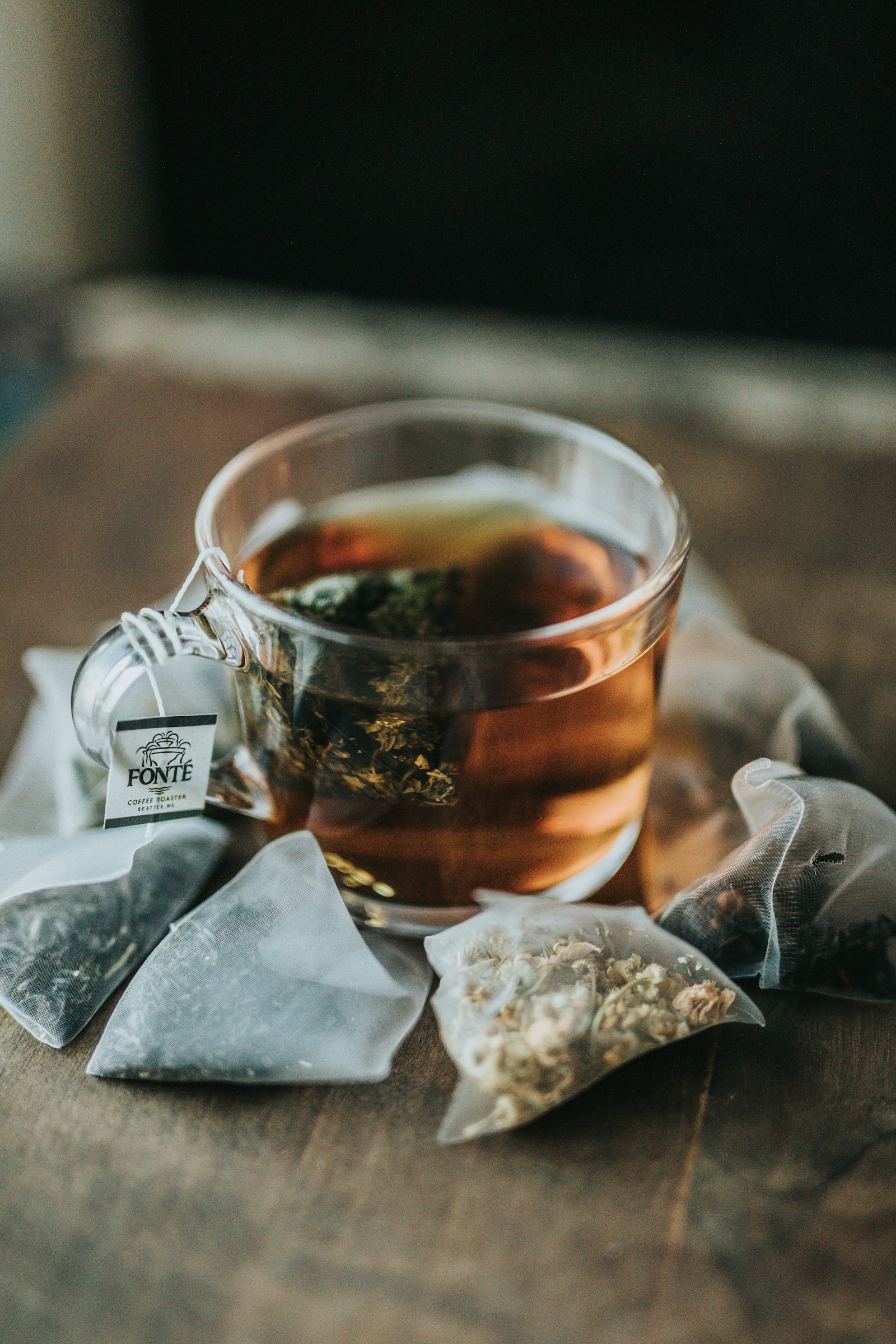
This was my aunt’s non-negotiable recommendation. Chrysanthemum flowers are cooling in TCM — they clear heat from the liver and eyes, and they’re gentle enough for daily consumption. I replaced my afternoon coffee with a large cup of chrysanthemum tea, sometimes with goji berries (枸杞, gǒuqǐ), which nourish yin and support the eyes.
How I made it: 6-8 dried chrysanthemum flowers in a mug, pour boiling water, steep for 5 minutes. Add a small handful of goji berries and a teaspoon of honey if desired. Drink warm, not scalding.
Result: Within two weeks, the gritty, dry feeling in my eyes disappeared. My afternoon energy improved — not the jolt of coffee, but a steady, calm focus. By week four, I realized I hadn’t had a mouth ulcer in over a month.
2. Mung Bean Soup (绿豆汤) — The Weekend Reset
Mung beans are one of the most powerful cooling foods in the Chinese dietary therapy arsenal. They clear heat, detoxify, and promote fluid production. My aunt makes a simple mung bean soup every Sunday — and honestly, I thought it was weird old-person food until I tried it during a particularly bad flare-up and felt relief within hours.
How I made it: Half a cup of dried mung beans, soaked for two hours. Add to a pot with six cups of water, bring to a boil, then simmer on low for 45 minutes until the beans split and the liquid turns greenish. Add a small piece of rock sugar (冰糖) for sweetness. Eat warm or chilled.
Result: This became my emergency remedy. Whenever I felt the telltale scratchiness in my throat or noticed a new ulcer forming, I’d make a batch. The cooling effect was noticeable within a day. One TCM practitioner I consulted told me mung beans are classified as “sweet and cold” in TCM — they go to the heart and stomach meridians and specifically target summer-heat and fire toxins.
3. Pear and Honey Water (雪梨蜂蜜水) — The Nightcap
Pears are cooling and moistening in TCM — they generate body fluids and clear heat from the lungs. This made them perfect for my sore throat episodes. I’d poach a pear in water with a few dried white wood ear mushrooms (银耳, yín’ěr) and drink the liquid before bed.
How I made it: One Asian pear, cored and sliced. One small handful of dried white wood ear, soaked and torn into pieces. Add to a pot with four cups of water, simmer for 30 minutes. Add honey after removing from heat (heat destroys honey’s beneficial enzymes, according to TCM).
Result: Immediate soothing effect on sore throats. The wood ear adds a slightly gelatinous texture that coats the throat. This didn’t prevent episodes the way chrysanthemum tea seemed to, but it was the fastest relief when symptoms were already present.
4. Dietary Shifts — The Hardest Part
The remedies above helped, but the biggest change came from reducing heat-producing foods. I didn’t eliminate them entirely — I’m not built for dietary martyrdom — but I made deliberate swaps:
- Coffee went from 3 cups to 1. Replaced the other two with chrysanthemum tea or barley water.
- Fried food dropped to once a week. This was brutal but effective.
- Chili oil became a weekend treat instead of a daily condiment.
- Added cooling foods: Cucumber, bitter melon, watermelon, celery, tofu, and green leafy vegetables became regulars in my rotation.
- Stopped eating after 8 PM. Gave my digestion time to wind down before sleep.
- Drank warm water throughout the day. TCM practitioners consistently recommend warm or room-temperature water over cold — cold water supposedly “extinguishes” digestive fire. I was skeptical, but the habit itself (just drinking more water in general) clearly helped.
5. Sleep Before 11 PM — The Yin Restoration Window
This was the change my aunt was most insistent about. In TCM, the period between 11 PM and 3 AM is when the liver and gallbladder meridians are most active, doing their work of detoxification and blood storage. Going to sleep before 11 PM allows the body to restore yin energy naturally. Staying up past that window depletes yin and feeds yang — literally adding fire.
I started setting a 10:30 PM alarm — not for waking up, but for going to bed. The first two weeks were rough. By week three, I was falling asleep faster and waking up without that groggy, dry-mouthed heaviness.
My Results After Eight Weeks
I kept a simple spreadsheet tracking three metrics: mouth ulcers (count), sore throat episodes (yes/no each week), and pimples during flare-ups (count). Here’s what happened:
- Mouth ulcers: From one to two per month to zero in the entire eight-week period. This was the most dramatic change.
- Sore throat episodes: From biweekly to once — and that single occurrence was after a weekend trip involving heavy drinking and late nights. It resolved within two days with mung bean soup.
- Pimples: Reduced by roughly 70%. I still get one occasionally, but the angry cluster pattern is gone.
- Unexpected bonus: My digestion improved noticeably. Regular bowel movements, less bloating, no more of that “heavy” feeling after meals.
- Another bonus: Better sleep quality. I fall asleep faster, dream less vividly (which, in TCM, means less heat disturbing the mind), and wake up feeling more rested.
I want to be clear: I didn’t follow a perfect protocol. I still ate fried chicken sometimes. I still stayed up past midnight on weekends. The difference was that these were choices now, not defaults — and I had tools to counterbalance them when I did.
What I Wish Someone Had Told Me Earlier
If you’ve been dealing with recurring mouth ulcers, sore throats, breakouts, and that general “inflamed” feeling — and your doctor keeps telling you it’s stress or “just one of those things” — here’s what I’d suggest based on my experience:
The beauty of the shanghuo framework is that it gives you a language for symptoms that Western medicine often dismisses as minor or unconnected. You’re not “just stressed.” You’re not imagining things. You have a recognizable, treatable pattern — and the remedies are mostly sitting in your kitchen already.
My aunt still checks my tongue every time I visit. Last Sunday, she looked at it, nodded approvingly, and said “much better.” Then she handed me a cup of chrysanthemum tea anyway.
Some things don’t need to be wrong to be worth fixing.
Frequently Asked Questions
Is shanghuo a real medical condition or just folklore?
Shanghuo is a diagnostic pattern within traditional Chinese medicine, which has been practiced and refined for over 2,000 years. While it doesn’t map to a single Western diagnosis, the symptoms it describes — mouth ulcers, sore throat, inflammatory skin conditions, digestive disturbance, sleep disruption — are all well-recognized in Western medicine, just categorized separately. A 2020 review in the Journal of Ethnopharmacology found that TCM “clearing heat” herbs demonstrated measurable anti-inflammatory and antimicrobial effects in clinical studies. The pattern is real; the framework for understanding it is different.
How is shanghuo different from just being dehydrated or having a cold?
Dehydration and shanghuo share some surface symptoms — dark urine, dry mouth, constipation — but shanghuo includes symptoms that dehydration alone doesn’t explain, like mouth ulcers, inflammatory acne, irritability, and bleeding gums. A cold typically involves systemic symptoms (body aches, fatigue, fever, congestion) that resolve in 7-10 days. Shanghuo symptoms tend to cluster in the upper body, recur cyclically, and don’t follow the progression of a viral infection. The easiest distinction: if your symptoms come and go in a regular pattern every few weeks, and they always involve the same cluster of mouth/throat/skin issues, it’s more likely an internal heat pattern than recurring colds.
Can children get shanghuo?
Yes, and it’s actually very common in children. In TCM, children are considered to have a “pure yang” constitution — their systems run naturally warm. This is why children frequently get mouth ulcers, nosebleeds, irritability, and constipation, especially after eating too many sweets, fried snacks, or heat-producing fruits like mango and lychee. Chinese parents commonly manage childhood shanghuo with cooling foods like mung bean soup, pear juice, and chrysanthemum tea — all gentle enough for children. However, if a child’s symptoms are persistent or severe, consult both a pediatrician and a qualified TCM practitioner.
Are there any risks to eating cooling foods for shanghuo?
Yes — overdoing it. In TCM, the goal is balance, not swinging from one extreme to another. If you consume too many cooling (cold-natured) foods when you don’t have excess heat, you can create the opposite problem: a “cold” pattern with symptoms like loose stools, fatigue, cold extremities, and pale complexion. This is especially important for people who are naturally yin-deficient or who have a “cold” constitution. The cooling foods I described — chrysanthemum tea, mung beans, pears — are generally safe for moderate, short-term use. But if you find that cooling foods make you feel worse (more tired, colder, digestive issues worsening), stop and consult a TCM practitioner who can assess your individual constitution.
Should I stop seeing my Western doctor if I think I have shanghuo?
Absolutely not. TCM and Western medicine address health from different angles, and both have value. If you have persistent mouth ulcers, for example, you should still see a doctor to rule out conditions like vitamin B12 deficiency, celiac disease, autoimmune disorders, or (rarely) oral cancer. What TCM offers is an additional lens — a way to see the connections between symptoms that Western medicine might treat in isolation, and a dietary/lifestyle toolkit that complements conventional treatment. The best approach is integrative: use Western diagnostics to rule out serious conditions, and use TCM principles to manage the pattern and prevent recurrence.
Disclaimer
This article reflects my personal experience with traditional Chinese medicine concepts and is not medical advice. Shanghuo is a pattern within TCM that should be understood in context — it is not a substitute for professional medical diagnosis. If you are experiencing persistent symptoms, consult a qualified healthcare provider. Some dietary changes described here may not be appropriate for everyone, particularly those with pre-existing health conditions, pregnant or breastfeeding individuals, or those on medication. Always consult a practitioner before making significant dietary or lifestyle changes. Some links in this article may be affiliate links, meaning I earn a small commission if you purchase through them at no additional cost to you.
About the Author
Jake Mitchell is a copywriter, long-term expat in Taipei, and accidental TCM enthusiast who started paying attention to Chinese health wisdom only after his body forced the issue. He writes about practical, experience-based approaches to wellness that bridge Eastern tradition and modern life. When he’s not drinking chrysanthemum tea, he’s probably arguing with his aunt about whether his tongue coating is yellow enough. Read more at thestilflow.com.