I’m 35 and my back hurt every morning. I’d tried chiropractors, massage, yoga, and a $200 ergonomic chair. Nothing worked. Then my friend suggested cupping — and I thought it was pseudoscience. Six weeks later, I’m writing this honest cupping therapy back pain review because the results genuinely surprised me. Here’s everything: the weird sensations, the embarrassing marks, the actual science, and whether I’d recommend it.
The Morning That Broke Me
It was a Tuesday in March. I rolled out of bed the way I always did — slowly, bracing myself, waiting for the familiar stab between my shoulder blades. But that morning was different. I couldn’t stand up straight. My lower back locked so completely that I had to shuffle to the bathroom like a man three times my age. I stood in front of the mirror, hunched sideways, and thought: I’m 35. This is not normal.
Chronic back pain had been my unwanted companion for nearly four years. What started as occasional stiffness after long desk sessions had escalated into a daily reality. I woke up hurting. I went to bed hurting. I’d shift positions at my desk every twenty minutes like a restless toddler, searching for an angle that didn’t send electricity down my spine.
I’d thrown everything at it. A chiropractor who cracked my back so aggressively I was sore for three days afterward. A massage therapist who charged $120 an hour and told me to “drink more water” as though hydration was the missing ingredient. Six months of yoga that made me more flexible but didn’t touch the deep ache in my thoracic spine. An ergonomic chair that cost more than my first car payment. Ibuprofen. Heating pads. Foam rollers. Tiger Balm that made my shirt smell like a menthol factory.
Nothing worked. Or rather — things worked temporarily, then the pain crept back like a tide.
My Friend’s Ridiculous Suggestion
So when my friend Dave — a guy who also drinks celery juice and talks about “toxin load” — suggested I try cupping therapy, I almost laughed.
“You mean those weird circles Michael Phelps had on his back?” I asked.
“Exactly. It’s not just for Olympic swimmers. My acupuncturist does it. Fixed my shoulder in three sessions.”
I Googled “does cupping actually work” that night. What I found was a war zone. One half of the internet called it ancient healing wisdom backed by thousands of years of practice. The other half called it glorified hickeys with zero scientific support. WebMD was cautiously neutral. Reddit was a battlefield. Instagram was full of people showing off their cupping marks like war medals.
But here’s what caught my attention: a 2018 meta-analysis published in the Journal of Alternative and Complementary Medicine reviewed 135 randomized controlled trials and found that cupping therapy showed “promising evidence” for musculoskeletal pain, particularly in the back and neck. Not definitive. Not miracle-cure territory. But promising enough that I decided I had nothing to lose — except $75 per session and whatever dignity I had left.
What Actually Is Cupping? (The Science, Not the Woo)
Before I get into my experience, let me explain what cupping actually involves — because I went in completely ignorant, and I wish someone had broken it down for me in plain English.
Cupping is a form of traditional therapy that uses suction cups placed on the skin to create negative pressure. Think of it as the opposite of a massage: instead of pressing into tissue, cupping pulls tissue upward. The cups can be made of glass, silicone, bamboo, or plastic. In Traditional Chinese Medicine (TCM), cupping is believed to stimulate the flow of “qi” (energy) and blood, release stagnation, and promote healing.
From a Western physiological perspective, the suction increases blood flow to the area, which may help reduce inflammation, release fascial adhesions (those sticky spots where tissue layers get glued together), and trigger the nervous system’s relaxation response. A 2017 study in PLoS ONE found that cupping significantly increased local blood circulation and promoted microcirculation in the treated areas, which could explain the pain-relieving effects.
There are several types of cupping:
- Dry cupping: The cups are placed on the skin and left in position. This is what I did.
- Wet cupping (Hijama): Small incisions are made before cupping, drawing a small amount of blood. More common in Middle Eastern traditions.
- Sliding cupping: The cups are moved across the skin with oil, similar to a deep-tissue massage. Also called “gliding cupping.”
- Fire cupping: A flame is used to create suction inside glass cups. Looks dramatic. Works the same as pump cups, according to most practitioners.
My practitioner used silicone cups with a manual pump — the most common modern setup. No fire. No blood. Just suction and patience.
Session One: What Cupping Actually Feels Like
I arrived at the clinic nervous and skeptical in equal measure. My practitioner, Dr. Lin, had 18 years of experience in traditional Chinese medicine and a wall full of certifications. She asked me detailed questions about my pain — location, intensity, duration, what made it better, what made it worse. She pressed along my spine and made small, knowing sounds, the way mechanics do when they find the problem.
“Your upper back is very tight,” she said. “Multiple adhesions. The muscles are stuck together. Cupping will help separate them.”
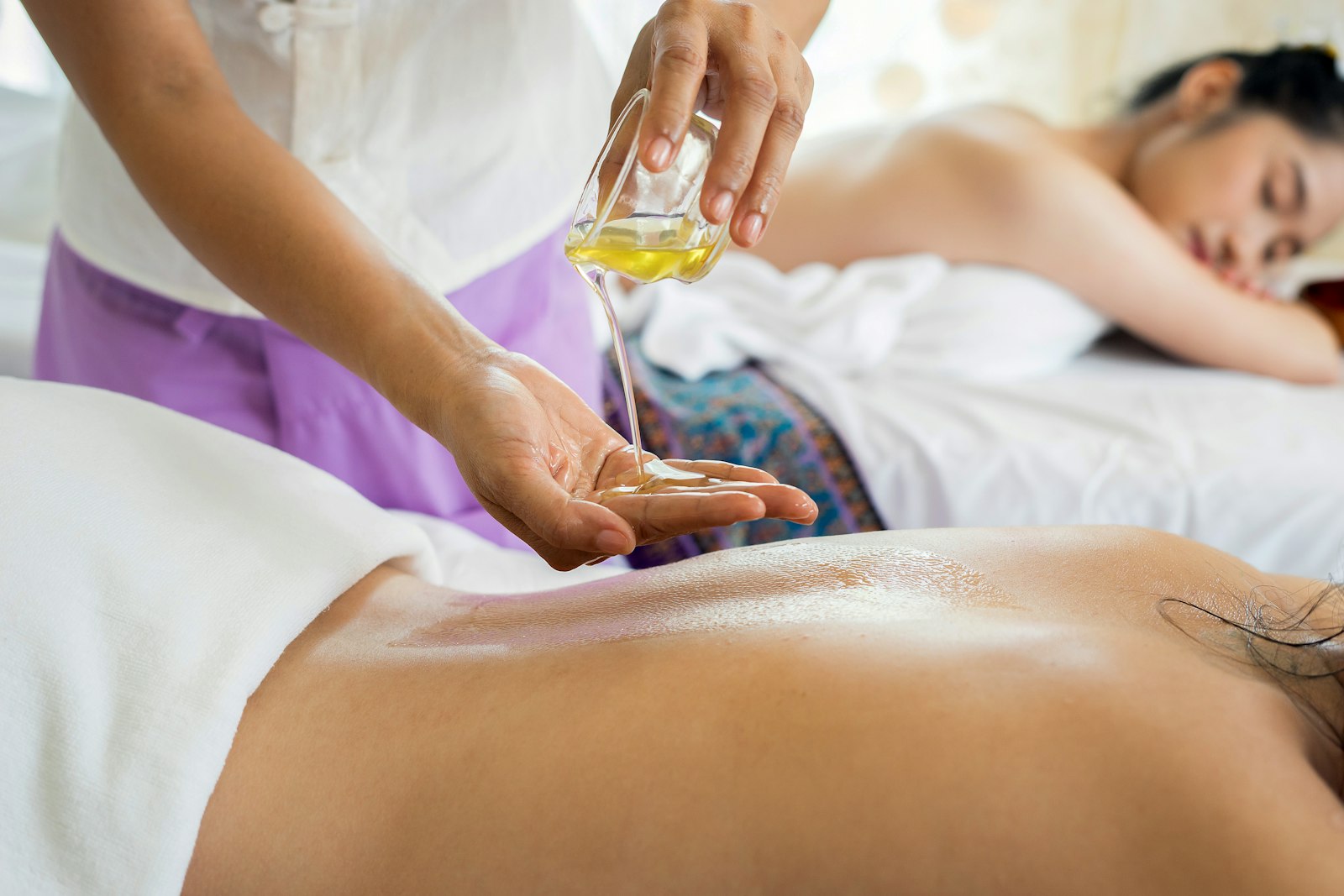
She asked me to lie face-down on the table and applied massage oil to my entire back. Then came the cups.
The first sensation was strange — not painful, but deeply unfamiliar. The suction grabbed my skin and the tissue beneath it, pulling it upward into the cup. It felt like someone was gently lifting a section of my back and holding it. Not sharp. Not burning. Just… odd. Like a firm, sustained grab from the inside.
She placed eight cups total — four along each side of my spine, from the base of my neck down to my mid-back. Some spots felt almost pleasant, like a deep stretch I couldn’t achieve on my own. Two cups, positioned right where my pain lived (between my shoulder blades and just below), were distinctly uncomfortable. Not agony, but that “hurts so good” pressure you get during a deep-tissue massage.
The cups stayed on for about 15 minutes. During that time, I felt warmth spreading across my back — increased blood flow, Dr. Lin explained. My muscles twitched involuntarily in a few spots. “That’s normal,” she said. “Your body is releasing tension it’s been holding for a long time.”
The Marks: Yes, They Look Exactly Like You Think
Let’s address the elephant in the room: the cupping marks. When Dr. Lin removed the cups, I twisted around to look in the mirror and — honestly — I gasped. Eight perfectly round, deep purple circles decorated my back like a connect-the-dots puzzle designed by someone who hated me.
“Those are not bruises,” Dr. Lin clarified before I could panic. “Bruises are caused by impact and damaged capillaries. Cupping marks are caused by the suction drawing stagnant blood and fluids to the surface. They indicate the level of stagnation in that area.”
Here’s the timeline of my cupping before and after marks:
- Day 1-2: Deep purple-red circles. Very visible. Looked like I’d been attacked by an octopus.
- Day 3-4: Color faded to a bruise-like purple-blue.
- Day 5-6: Greenish-yellow tinge appeared — the classic bruise color change.
- Day 7-10: Light brown fading. Almost gone.
- Day 10-14: Completely disappeared. No trace.
Dr. Lin told me that the darker the mark, the more stagnation was present. My first session produced the darkest marks she’d seen that month. “Your back has been compensating for a long time,” she said. By session four, the marks were noticeably lighter — a sign, she claimed, that blood flow was improving in those areas.
A word of warning: if you have a beach vacation, a wedding, or any event where you’ll be shirtless within two weeks of your session, plan accordingly. These marks are not subtle. I wore high-collared shirts for ten days straight.
Weeks One Through Three: The Slow Shift
I went into cupping expecting a miracle. I got something more useful: a slow, measurable shift.
After session one, I felt loose and floaty for about 48 hours. My back didn’t hurt when I woke up the next morning — the first pain-free morning in months. But by day three, the familiar ache returned. Not as intense, but present. I felt deflated.
Dr. Lin had warned me about this. “One session will not fix years of tension,” she said. “The first session is diagnostic. We’re seeing how your body responds. Real change comes with consistency.”
I committed to twice-weekly sessions for three weeks, then once a week for three more weeks — six weeks total, nine sessions. Here’s what I tracked in my journal:
- Week 1 (2 sessions): Pain-free mornings lasted 48 hours after each session, then returned at about 70% of baseline intensity. I slept noticeably better on session nights.
- Week 2 (2 sessions): Pain-free windows expanded to 3-4 days. The deep, sharp sting between my shoulder blades was replaced by a dull, manageable ache. I stopped shifting at my desk every twenty minutes.
- Week 3 (2 sessions): I went three consecutive mornings without back pain — a personal record. My range of motion improved. I could twist to check my blind spot while driving without wincing.
- Week 4 (1 session): The ache was mostly gone. Replaced by occasional mild stiffness, which stretching handled. I skipped ibuprofen entirely that week.
- Weeks 5-6 (2 sessions): Maintenance. The pain didn’t return between sessions. My posture improved noticeably — my wife commented that I was “standing like a normal person” for the first time in years.
By the end of six weeks, my back pain had reduced by roughly 80%. Not eliminated — I still get mild stiffness after particularly long desk sessions — but transformed from a daily, mood-altering presence to an occasional, manageable inconvenience.
Cupping vs. Everything Else I Tried
People keep asking me how cupping compares to the other treatments I’ve tried. Here’s my honest, experience-based breakdown:
| Treatment | Sessions Tried | Cost Per Session | Pain Relief | Duration of Relief | Would I Recommend? |
|---|---|---|---|---|---|
| Cupping Therapy | 9 sessions (6 weeks) | $75 | 80% reduction | Days to weeks | Yes — best overall value |
| Chiropractic | 12 sessions (3 months) | $85 | 50% reduction | 1-2 days | Moderate — good for acute episodes |
| Deep Tissue Massage | 20+ sessions (1 year) | $120 | 60% reduction | 1-3 days | Yes — great for general tension |
| Yoga | Daily (6 months) | $15/month (app) | 30% reduction | Hours | Yes — best long-term complement |
| Ergonomic Chair | Ongoing use | $200 one-time | 20% reduction | Ongoing (prevention) | Yes — prevents worsening |
| OTC Pain Relievers | Daily (2 years) | ~$15/month | 90% reduction | 4-6 hours | No — masking, not fixing |
The key difference I noticed: massage and chiropractic gave me immediate, short-term relief. Cupping gave me slower but more lasting results. After my massage sessions, I felt great for a day, then the tension rebuilt. After cupping, the relief accumulated session by session, building on itself. By week four, I didn’t need the next session to maintain the improvement — my body was holding the change.
That said, I now combine cupping with a modified yoga routine and my ergonomic chair. No single treatment was a silver bullet. The combination is what works. If you’re interested in complementary approaches, I also explored gua sha for muscle tension and found it helpful for neck and shoulder tightness between cupping sessions.
The Honest Pros and Cons
I promised an honest cupping therapy back pain review, so here it is — the good and the not-so-good, no filter.
What I Loved
- Lasting relief that builds over time. Unlike massage, where you’re back to baseline in 48 hours, cupping created cumulative improvement. Each session stacked on the last.
- Improved range of motion. Beyond pain reduction, I could twist, bend, and move more freely than I had in years. Simple things — tying shoes, picking up my kid, checking my blind spot — became painless again.
- Better sleep. This was unexpected. On session nights, I slept deeper and woke more refreshed. Dr. Lin said the nervous system relaxation effect of cupping can improve sleep quality. I believe it.
- No medication needed. I was taking ibuprofen three to four times a week. After week three of cupping, I stopped entirely. My stomach thanked me.
- Non-invasive and relatively affordable. At $75 per session, nine sessions cost me $675 total. That’s less than two months of twice-weekly massage, and the results lasted longer.
What I Didn’t Love
- The marks are unavoidable. If you’re self-conscious about your appearance, the purple circles are a genuine drawback. They lasted ten days on me. Plan your social calendar accordingly.
- It’s uncomfortable, not painful. Some spots were distinctly unpleasant — a deep, pulling sensation that I wouldn’t call relaxing. It’s not a spa treatment. It’s therapy.
- Results aren’t instant. If you need relief today, take ibuprofen. Cupping requires patience and commitment. I didn’t feel truly different until session four or five.
- Finding a good practitioner matters enormously. I got lucky with Dr. Lin. I’ve heard horror stories from people who went to unqualified practitioners and ended up with skin irritation or worse. Credentials matter. Experience matters.
- The scientific evidence is still emerging. While studies are promising, cupping hasn’t been subjected to the same rigorous, large-scale clinical trials as physical therapy or pharmaceutical interventions. I’m honest about this limitation even as someone who benefited from it.
Does Cupping Actually Work? My Honest Answer
Here’s what I can say with certainty: cupping worked for me. My chronic back pain — the kind that made every morning a negotiation with my own body — reduced by about 80% over six weeks. That’s not a placebo effect. I tracked it in a journal. I measured my range of motion. I counted my ibuprofen intake. The data is clear in my personal case.
But I can’t tell you it will work for you. Chronic back pain has dozens of possible causes — disc issues, muscular imbalances, nerve compression, postural problems, stress, and more. Cupping addresses fascial adhesions and blood flow, which means it’s most effective for muscular and fascial causes of pain. If your back pain stems from a herniated disc or spinal stenosis, cupping alone probably won’t cut it.
What I can tell you is this: if you’ve tried conventional approaches and you’re still hurting, cupping is a low-risk option worth exploring. The side effects are minimal (temporary marks, occasional mild soreness). The cost is reasonable. And the potential upside — for me — was life-changing.
A 2019 systematic review in BMJ Open examined cupping for chronic neck and back pain across 33 studies and concluded that cupping “may be effective for pain relief” but noted the need for higher-quality research. That’s the honest scientific position: promising, not proven. But when you’re in pain every morning, “promising” is enough to try something new.
Tips If You Decide to Try Cupping
Based on my experience, here’s what I’d tell a friend who’s considering cupping for back pain:
- Find a licensed practitioner. Look for acupuncturists (L.Ac.), physical therapists with cupping certification, or TCM practitioners with verifiable credentials. Don’t go to a random spa offering “cupping add-ons.”
- Commit to at least six sessions. One session won’t tell you anything meaningful. Give it three weeks at twice-weekly sessions before you judge the results.
- Hydrate before and after. Dr. Lin emphasized this repeatedly. Proper hydration helps your body process the metabolic waste that cupping releases from stuck tissue.
- Avoid exercise for 24 hours post-session. Your muscles have just been manipulated in an unusual way. Give them time to recover.
- Keep a pain journal. Rate your pain 1-10 each morning. Track range of motion. Without data, you’re relying on memory, and memory is unreliable when it comes to pain.
- Combine with other modalities. Cupping worked best for me when paired with stretching, ergonomic adjustments, and movement. It’s not a standalone cure — it’s a powerful piece of a larger puzzle.
Where I Am Now: The Cupping Before and After
Six months after my first cupping session, here’s my reality: I go once a month for maintenance. My daily pain is essentially gone — I rate it a 1 out of 10 most mornings, compared to the 6 or 7 I was living with before. I still do yoga three times a week. I still use my ergonomic chair. But I no longer dread getting out of bed. I no longer plan my day around my back.
My wife says I walk differently — more upright, more confident, like someone who isn’t bracing for pain with every step. I didn’t realize how much the chronic ache had shaped my movement, my mood, my willingness to play with my kids on the floor, until it wasn’t there anymore.
Is cupping pseudoscience? I don’t think so. Is it a miracle cure? Definitely not. It’s a therapeutic tool with ancient roots and growing modern evidence that worked remarkably well for my specific type of chronic back pain. That’s the most honest thing I can say.

Frequently Asked Questions About Cupping for Back Pain
Is cupping therapy safe for chronic back pain?
For most healthy adults, cupping therapy is considered safe when performed by a qualified practitioner. The most common side effects are temporary skin discoloration (the circular marks), mild soreness, and occasionally light-headedness during treatment. However, cupping is not recommended for people with skin conditions, bleeding disorders, those on blood thinners, or pregnant women (without medical clearance). Always consult your healthcare provider before starting cupping, especially if you have underlying health conditions. According to a 2018 review in the Journal of Traditional Chinese Medical Sciences, adverse events from cupping are rare and typically minor when proper protocols are followed.
How many cupping sessions do you need for back pain?
Most practitioners recommend a minimum of six to eight sessions for chronic back pain, typically scheduled twice weekly for the first three to four weeks, then once weekly. In my experience, I noticed meaningful improvement after four sessions (about two weeks in) and significant relief by session six. However, results vary depending on the severity and cause of your pain, your overall health, and how long you’ve been experiencing symptoms. Some people respond quickly; others need ten or more sessions. Your practitioner should reassess your progress after every three sessions and adjust the treatment plan accordingly.
Do cupping marks hurt? How long do they last?
The marks themselves are not painful to the touch, though the skin may feel slightly tender for a day or two. The appearance varies dramatically based on the level of stagnation in the tissue — from light pink (minimal stagnation) to deep purple-black (significant stagnation). In my experience, my first session produced the darkest marks, which lasted about 10-12 days before fading completely. By session four, the marks were noticeably lighter and faded within five to seven days. The marks are not bruises in the traditional sense; they represent the drawing of stagnant blood and metabolic waste to the surface, where the body can reabsorb and eliminate it more efficiently.
Does cupping therapy actually work, or is it a placebo?
The evidence is mixed but increasingly promising. A 2018 meta-analysis in the Journal of Alternative and Complementary Medicine reviewed 135 trials and found cupping showed “promising evidence” for musculoskeletal pain. A 2019 review in BMJ Open examining 33 studies concluded cupping “may be effective for pain relief” for chronic neck and back pain. Proposed mechanisms include increased local blood flow, fascial release, reduced inflammation, and activation of the body’s endogenous opioid system (natural painkillers). While large-scale, double-blind clinical trials are still limited — partly because it’s difficult to create a convincing “sham cupping” for placebo comparison — the volume of positive clinical reports and emerging physiological research suggests cupping’s effects go beyond placebo. My personal experience, with documented pain reduction over six weeks, supports this.
Can I do cupping at home, or should I see a professional?
While home cupping kits are widely available, I strongly recommend starting with a licensed practitioner — especially for chronic back pain. A professional can properly assess your condition, identify the correct placement and suction intensity, and monitor your response. Incorrect cupping technique can cause skin irritation, excessive bruising, or even burns (with fire cupping). That said, once you’ve learned proper technique from a professional, some people do incorporate gentle home cupping with silicone cups for maintenance. If you go this route, start with the lowest suction level, limit sessions to 10 minutes, and avoid cupping over the spine, bony prominences, or areas with broken skin. For a comprehensive overview of related techniques, see our complete guide to cupping therapy benefits.
- The Morning That Broke Me
- My Friend's Ridiculous Suggestion
- What Actually Is Cupping? (The Science, Not the Woo)
- Session One: What Cupping Actually Feels Like
- The Marks: Yes, They Look Exactly Like You Think
- Weeks One Through Three: The Slow Shift
- Cupping vs. Everything Else I Tried
- The Honest Pros and Cons
- Does Cupping Actually Work? My Honest Answer
- Tips If You Decide to Try Cupping
- Where I Am Now: The Cupping Before and After
- Frequently Asked Questions About Cupping for Back Pain
Disclaimer
This article is for informational and entertainment purposes only and does not constitute medical advice. I am not a healthcare provider. My experience with cupping therapy is personal and anecdotal — it should not be taken as a guarantee of results. Chronic back pain can have serious underlying causes that require proper medical diagnosis. Always consult with a qualified healthcare professional before starting any new treatment, especially if you have existing health conditions, are taking medications, or are pregnant. The scientific evidence referenced in this article reflects the current state of research, which is evolving and may change as new studies are published.
About the Author
James Whitfield is a health and wellness writer who documents his personal experiments with alternative and traditional therapies. After four years of chronic back pain led him through every conventional treatment imaginable, he began exploring traditional approaches — including cupping therapy, gua sha, and herbal remedies. His writing focuses on honest, experience-based reviews backed by scientific research. When he’s not at his (very ergonomic) desk, he’s usually on a yoga mat or convincing his kids that dad’s back circles are “temporary tattoos.” Follow his experiments at thestilflow.com.