It looks unassuming — a dusty, bark-covered root that could pass for a piece of driftwood. But inside, it’s white, creamy, and slightly slippery. Chinese yam (山药, shān yào) is the quiet workhorse of the Chinese kitchen: it appears in soups, congee, stir-fries, and desserts with such regularity that most Chinese people don’t even think of it as “medicine.” But it is. In TCM, shān yào is classified as one of the Spleen’s best friends — a food that gently, persistently rebuilds the very foundation of your energy system. No drama. No strong flavors. Just quiet, reliable nourishment.
 food therapy for spleen health” loading=”lazy”/>
If you’ve ever had weak digestion, chronic fatigue that blood tests can’t explain, or that “heavy” feeling after meals that no amount of coffee fixes, this article is for you. Chinese yam might be the most boring-looking superfood you’ve never tried.
What Is Chinese Yam?
Chinese yam (Dioscorea opposita) is a climbing vine whose tuberous root has been used in Chinese medicine and cooking for over 2,000 years. It’s different from the sweet potatoes Americans call “yams” — true Chinese yam is white-fleshed, mildly sweet, and slightly mucilaginous (that slippery texture when you cut it is part of its therapeutic value).
In TCM, shān yào is classified as a Qi tonic — a food that builds energy without刺激 (stimulating) or overheating. It enters the Spleen, Lung, and Kidney meridians, making it one of the few foods that nourishes three organ systems simultaneously. Its flavor is sweet and neutral — not warming, not cooling, just balanced. This neutrality is its superpower: it can be combined with almost anything without creating imbalance.
“Shān yào is the gentle friend who shows up every day, never causes drama, and quietly makes everything better. In a world of dramatic superfoods, it’s the unsung hero.” — My TCM teacher
The TCM Properties
| Property | Detail |
|---|---|
| Chinese Name | 山药 (shān yào) — “mountain medicine” |
| Flavor | Sweet |
| Temperature | Neutral (neither warming nor cooling) |
| Meridians Entered | Spleen, Lung, Kidney |
| Key Actions | Tonifies Qi, nourishes Yin, strengthens Spleen, benefits Lung, tonifies Kidney |
| Dosage (food) | 50-200g daily |
| Dosage (herbal) | 10-30g dried |
What It Does: The Three-Organ Magic
1. Strengthens the Spleen (健脾)
This is shān yào’s primary role. The Spleen in TCM is your energy factory — it transforms food into Qi and blood. When the Spleen is weak (脾虚), you get bloating, fatigue, loose stools, poor appetite, and that post-meal crash. Chinese yam gently rebuilds Spleen function without being heavy or hard to digest. It’s the food equivalent of a warm hug for your digestive system. This makes it ideal for people who are too虚弱 (deficient) for rich tonics — the elderly, children, and people recovering from illness.
Related reading: Why Your “Spleen” Is the Key to Energy (A TCM Perspective)
2. Nourishes the Lung (润肺)
The Lung in TCM governs the skin, the breath, and the immune system (Wei Qi). When Lung Yin is deficient, you get dry skin, a dry cough, shortness of breath, and susceptibility to colds. Shān yào’s mucilaginous quality — that slippery texture — is literally moistening. It coats and soothes the Lung, making it excellent for chronic dry coughs and autumn dryness.
3. Tonifies the Kidney (补肾)
The Kidney in TCM is the root of all Yin and Yang — the deepest reserves of the body. Shān yào nourishes Kidney Yin specifically, helping with symptoms like night sweats, lower back weakness, frequent urination, and reproductive issues. It’s a key ingredient in many classical Kidney-tonifying formulas, including Liu Wei Di Huang Wan (六味地黄丸), one of the most prescribed herbal formulas in Chinese medicine.
The Nutritional Science
Western nutrition confirms what TCM has known for millennia:
- Allantoin — a compound that promotes cell proliferation and tissue repair. This is why shān yào is good for the skin and gut lining.
- Diosgenin — a plant steroidal saponin with anti-inflammatory properties. It’s also the precursor from which progesterone was first synthesized.
- Mucilage (黏液蛋白) — a soluble fiber that coats the stomach lining, reduces inflammation, and supports gut health.
- Amylase — a digestive enzyme that helps break down starches. This is why shān yào aids digestion.
- Potassium, manganese, vitamin C, B vitamins — standard nutritional support.
- Low glycemic index — despite being starchy, it doesn’t spike blood sugar rapidly.
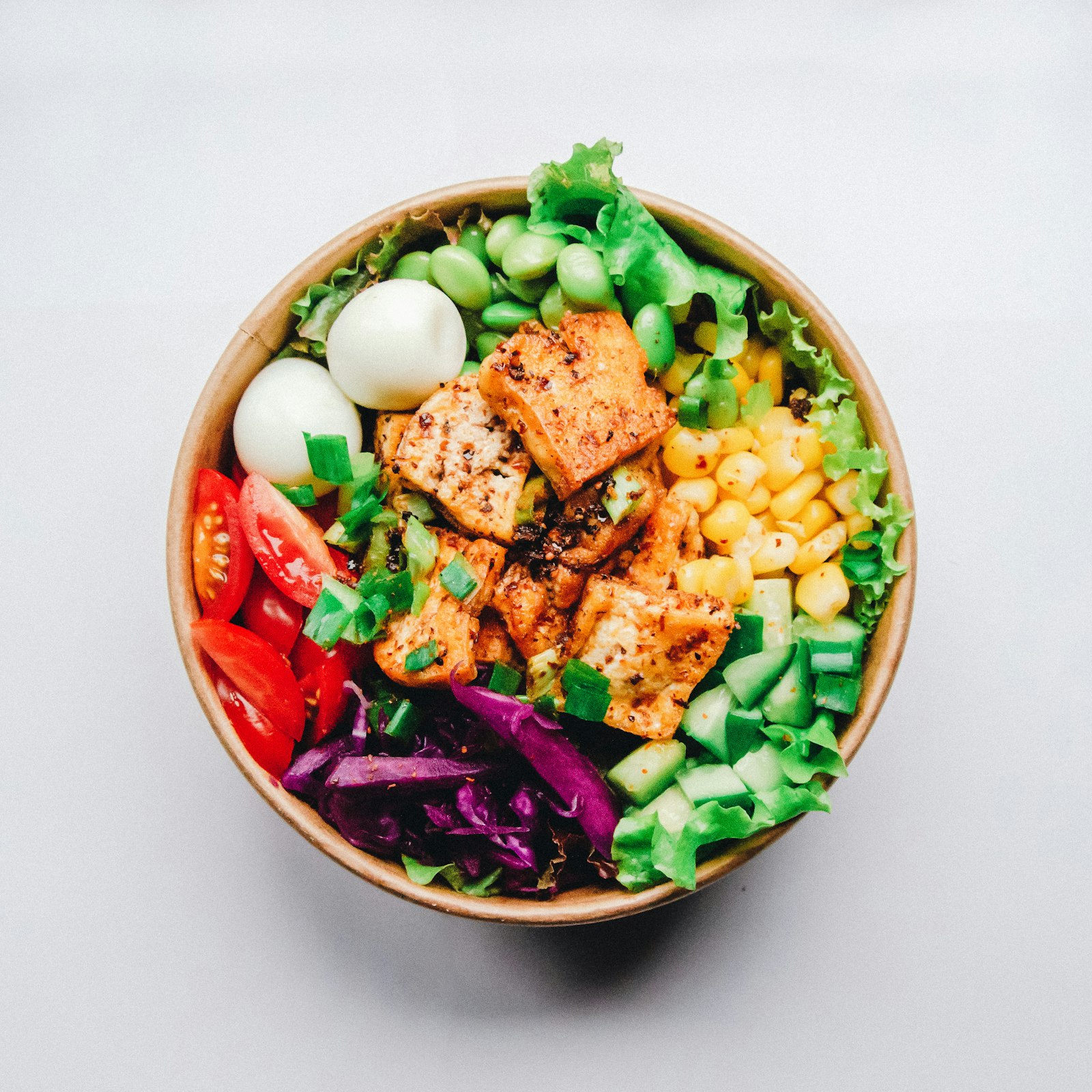
How to Use Chinese Yam
In Soups
The most common use. Peel and cut into chunks, add to any soup — chicken, pork rib, or vegetable. It softens and thickens the broth slightly, adding a creamy texture. Classic combinations:
- Shān yào + pork rib + goji berries — Spleen and Kidney nourishment
- Shān yào + chicken + red dates — Qi and blood building
- Shān yào + corn + carrot — gentle, child-friendly Spleen support
In Congee
Cut into small cubes and add to rice before cooking congee. The yam dissolves partially, creating a naturally thick, creamy porridge. Add a drizzle of honey and some crushed walnuts for a Kidney-nourishing breakfast. (See also: Congee: Chinese Medicine’s #1 Healing Food)
Stir-Fried
Slice thinly and stir-fry with木耳 (wood ear mushroom), celery, or胡萝卜 (carrot). Quick, light, and preserves the crunch. Season with a pinch of salt and a splash of rice vinegar.
Steamed
The simplest preparation: peel, cut into chunks, steam for 15-20 minutes until soft. Eat plain or dip in a mixture of honey and osmanthus syrup. This is a traditional Chinese dessert — simple, nourishing, and genuinely delicious.
As Powder
Dried Chinese yam is ground into a fine powder (山药粉) that can be mixed with warm water or added to smoothies. This is the most convenient form for daily use — one tablespoon in warm water each morning is a simple Spleen tonic anyone can do.
Buying and Storing
- Fresh: Look for firm, unblemished roots with no soft spots. The skin should be slightly hairy (that’s the wild variety, more potent). Store in a cool, dark place for up to two weeks, or refrigerate for up to a month.
- Dried: Available at Chinese medicine shops and Asian supermarkets. White, thin slices. Store in an airtight container.
- Powder: Available online and in health food stores. Look for pure shān yào powder with no additives.
- Note: Fresh yam can cause mild skin irritation (the mucilage is sticky). Wear gloves when peeling if you’re sensitive, or peel under running water.
Common Questions
Is Chinese yam the same as regular yam or sweet potato?
No. Chinese yam (Dioscorea opposita) is a distinct species. American “yams” are usually sweet potatoes (Ipomoea batatas). True Chinese yam is white inside, mildly sweet, and has a unique mucilaginous texture. It has significantly different medicinal properties — sweet potato is warming and Qi-building, while Chinese yam is neutral and more balancing.
Can I eat it every day?
Yes — and in China, many people do. It’s a food, not a drug. 100-200g daily in soups, congee, or stir-fries is perfectly safe and beneficial. The only caution: if you have constipation from dryness (as opposed to Qi deficiency), shān yào’s astringent quality may worsen it slightly. In that case, combine it with moistening foods like pear or sesame.
Is it good for children?
Excellent. In TCM, children’s Spleens are naturally weak (they haven’t fully developed yet). This is why children are prone to digestive issues — picky eating, bloating, loose stools. Shān yào is one of the gentlest, safest Spleen tonics for kids. Add it to their congee, soups, or mash it with a little honey. It’s naturally sweet, so most children accept it easily.
Where can I buy it?
Fresh Chinese yam is available at most Asian supermarkets (look for the long, thin roots with hairy skin — not the short, fat American yams). Dried slices and powder are available at Chinese medicine shops, Amazon, and health food stores. The Huaiqing (怀庆) variety from Henan province is considered the most medicinally potent.
The bottom line: Chinese yam doesn’t have the marketing budget of turmeric or the Instagram fame of açaí. But for anyone with weak digestion, chronic fatigue, or a body that feels “heavy” after meals, it may be the most useful food you’re not eating. It nourishes three organ systems, works for every constitution, and can be prepared a dozen ways. My grandmother put it in everything. Her Spleen, at eighty-seven, was stronger than most thirty-year-olds’. That’s not a coincidence — that’s shān yào doing what it’s done for two thousand years: quietly, patiently rebuilding the foundation.
This article explores traditional Chinese food therapy from a cultural perspective. It is not medical advice. If you have specific health conditions or are taking medication, consult a qualified healthcare provider before making dietary changes.
About the Author
Yu Xi Zhang is a Chinese wellness writer with over 15 years of study in Traditional Chinese Medicine. Raised in a family that practiced daily TCM wellness, she bridges Eastern traditions and Western understanding. Read more at The Still Flow.