There’s a particular kind of heat that doesn’t just sit on your skin—it seems to seep into your bones, making your thoughts feel thick and your energy sluggish. I remember these days growing up, when the summer air in our city felt like a wet blanket. My grandmother would see me flopped on the couch, sighing dramatically, and she’d say, “Your qi is boiling over. Come, we will cool the pot.” She’d guide me through a simple, seated practice—just five minutes of breathing and visualization—and afterward, the world felt subtly different. The heat was still there, but it was outside of me. I felt centered, calm, and surprisingly cool from the inside out. This isn’t just a memory; it’s a practical tool. In Traditional Chinese Medicine (TCM), summer is the season of maximum yang energy—of fire, expansion, and outward activity. But too much fire without a balance of cooling, inward yin energy leads to that “boiling over” feeling: irritability, restlessness, and heat exhaustion. The 5-Minute Summer Qi Reset is designed to restore that balance quickly. It’s a cooling meditation for hot days, a way to tap into your body’s innate thermostat without needing to blast the AC. Let’s learn how to turn down the internal heat.
Why a “Cooling” Meditation? Understanding Summer Qi
Before we dive into the practice itself, it helps to understand the principle behind it. In TCM, health is a dynamic balance of yin and yang energies. Summer is peak yang: bright, hot, active, and expansive. Our bodies mirror this. Our pores open more (sweating), our circulation speeds up, and our energy naturally moves outward. This is great for growth and activity, but it can deplete our cooling yin reserves. Yin is the quiet, moist, cooling, and contracting energy. When yang overheats, it’s like a pot of water left to boil dry—the water (yin) evaporates, and the pot (your body) scorches. The goal of a cooling meditation isn’t to eliminate yang fire—that would make us cold and lethargic—but to nourish yin and guide excess heat downward and out, restoring equilibrium.
This practice works on two levels. Physically, it encourages the relaxation response, which lowers heart rate, blood pressure, and cortisol—the stress hormone that actually makes you feel hotter. Energetically, it uses breath and visualization to move qi. Think of your body as a two-story house. The heart and head (upper burner) are the upstairs rooms where heat rises and can get trapped, causing anxiety, headaches, or insomnia. The lower abdomen and feet (lower burner) are the cool basement and foundation. The meditation is like opening the upstairs windows and turning on the basement fan, creating a gentle draft that cycles the air throughout the whole house.
“In summer, nourish the heart and calm the spirit. The heat is not the enemy; imbalance is.”
This quote from classical texts captures the essence perfectly. We’re not fighting the season; we’re learning to flow with it intelligently.
The 5-Minute Summer Qi Reset: A Step-by-Step Guide
You can do this meditation anywhere: at your desk, on your porch, or under a shady tree. The only requirement is that you can sit comfortably with your back relatively straight. Set a gentle timer for 5 minutes so you can relax without clock-watching.
- Step 1: Ground & Settle (1 minute). Sit with your feet flat on the floor, about hip-width apart. Place your hands on your knees or thighs, palms down. This palm-down position is intentional; it helps ground energy and connect you to the earth’s cooling stability. Take three slow, deep breaths. On each exhale, consciously release the tension in your jaw, shoulders, and belly. Imagine any frantic or heated energy draining down through your feet into the cool earth, like water seeping into soil.
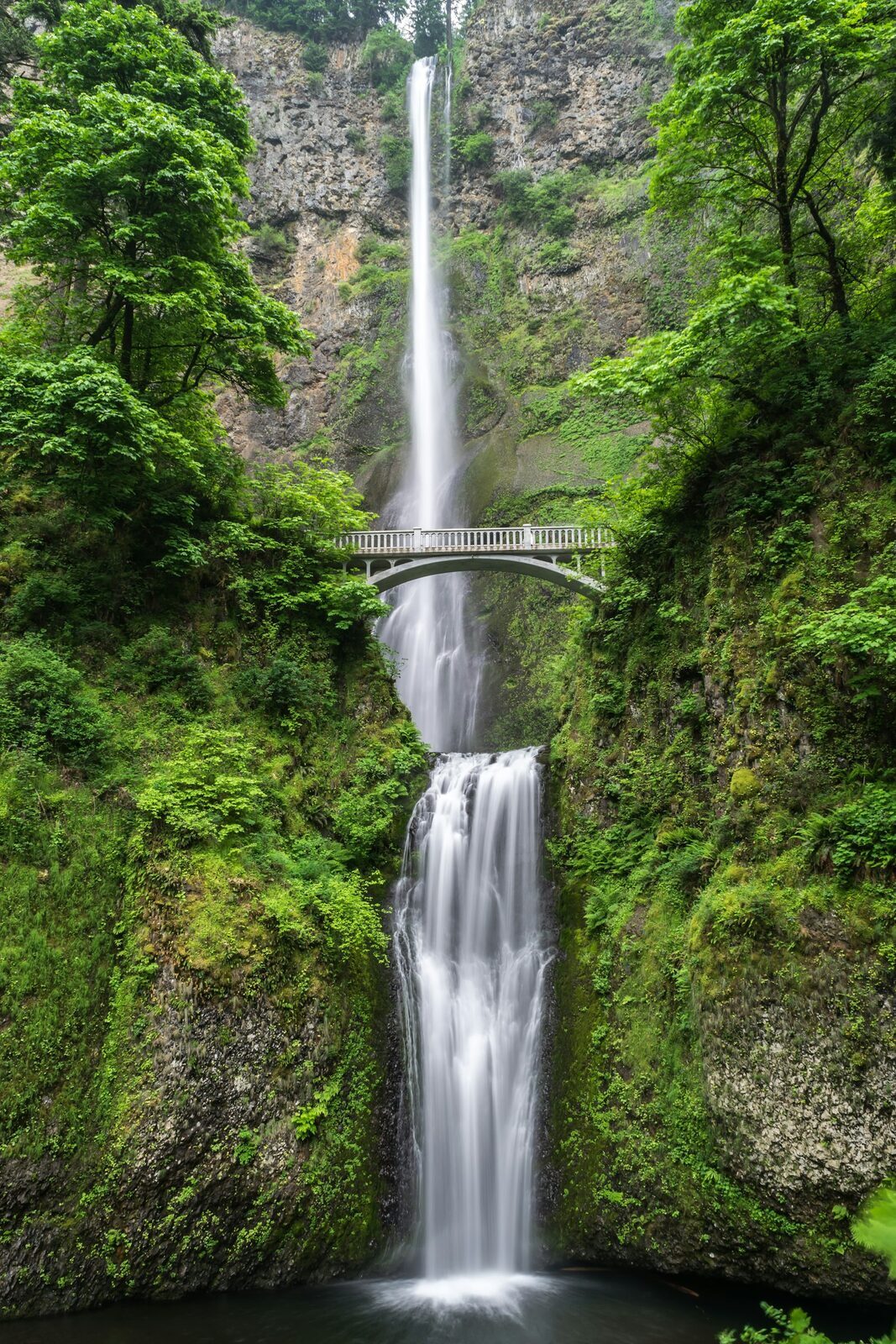
- Step 2: The Cool Breath – Guiding Qi Down (2 minutes). Now, shift your focus to your lower abdomen, about two inches below your navel. This is your Dantian—your body’s energetic core and cooling reservoir. Inhale slowly through your nose for a count of 4, feeling your belly gently expand like a balloon. On the exhale through your mouth (for a count of 6), visualize a stream of cool, blue light or mountain spring water flowing from your head, down your spine, and pooling in your lower abdomen. Feel the coolness gather and spread. The key is making the exhale longer than the inhale; this activates the parasympathetic nervous system, your body’s “cool-down” switch.
- Step 3: The Inner Lake Visualization (1.5 minutes). With each subsequent breath, deepen the visualization. Imagine that pool of cool energy in your Dantian as a serene, crystal-clear lake. With every inhale, this lake expands slightly, sending gentle, cooling waves up through your torso, down your arms and legs, all the way to your fingertips and toes. You are not forcing cold; you are imagining a pleasant, pervasive coolness. If your mind wanders to to-do lists or worries, gently guide it back to the image of the lake. The thoughts are just hot air; the lake is your center.
- Step 4: Seal & Return (30 seconds). When your timer sounds, bring your palms together and gently rub them to create a little warmth. Then, place your warm palms over your eyes (close your eyes first) for a few seconds. This is a traditional sealing gesture, helping to integrate the practice. Take one final deep breath, and as you exhale, open your eyes slowly. Notice any changes: a cooler sensation in your chest, a quieter mind, or simply a feeling of being more present.
The Science Behind the Stillness: What Happens in Your Body
This isn’t just “woo-woo” visualization; it’s a targeted way to influence your physiology. When you practice this cooling meditation, you’re engaging several key body systems. First, the focused, diaphragmatic breathing (belly breathing) mechanically stimulates the vagus nerve, a major player in your parasympathetic nervous system. Stimulating this nerve tells your body it’s safe to relax, which directly counteracts the “fight-or-flight” stress response that generates internal heat and inflammation.
Second, the visualization of coolness has a measurable effect. Studies on guided imagery show that the brain often doesn’t strongly differentiate between a vividly imagined physical sensation and an actual one. By consistently imagining coolness spreading through your body, you can help modulate your subjective experience of temperature and promote a real, calming physiological shift. You’re essentially giving your brain a new, cooler script to follow. Furthermore, the act of slowing your breath and focusing your mind reduces cortisol. High cortisol levels are linked to increased metabolic rate and heat production, so lowering it is like turning down your body’s internal furnace.
| Physiological Effect | How the Meditation Achieves It | The Cooling Result |
|---|---|---|
| Activates Parasympathetic System | Longer exhales, belly breathing | Slows heart rate, lowers blood pressure, promotes calm. |
| Reduces Cortisol | Focused attention, mental imagery | Lowers stress-driven metabolic heat and inflammation. |
| Improves Vagal Tone | Deep, rhythmic breathing | Enhances resilience to stress, improving temperature regulation. |
| Shifts Subjective Sensation | Vivid cooling visualization | Can alter perception of comfort and promote a sense of internal coolness. |
This table shows how simple, internal actions create concrete, external-feeling results. You’re not just wishing to be cool; you’re creating the conditions for your body to find its own balance.

When to Practice: Seizing the Coolest Moments
Timing can amplify the effects of this practice. The ideal time is during the natural dip in yang energy, which aligns with the coolest parts of the day. In TCM theory, the day has its own yin-yang cycle. The peak of yang heat is between 11 am and 1 pm (the Heart meridian time). The cooling, yin period begins in the late afternoon and deepens through the night.
For maximum benefit, try practicing at these times:
- Early Morning (6-8 am): Start the day before the heat builds. It sets a calm, cool tone for the hours ahead.
- Late Afternoon/Early Evening (5-7 pm): As the day’s heat begins to wane, this practice helps you transition from the activity of the day to the rest of the evening. It’s especially useful if you feel agitated after work.
- Before Bed: If summer heat disrupts your sleep, do this practice sitting on the edge of your bed 15 minutes before lights out. The cooling visualization can help lower core body temperature slightly, which is a natural trigger for sleepiness.
My grandmother’s favorite time was always just after the afternoon rain, when the air was steamy but the sun was hidden. She’d open all the windows, and we’d sit by the sill, breathing in the petrichor and practicing our “cool breath.” The combination of the sensory cue (the smell of rain) and the meditation was incredibly powerful. Find a natural cue that works for you: the hum of a fan, the sight of a leafy tree, or even a glass of cool water in your hands before you begin.
Amplifying the Effect: Complementary Cooling Practices
Think of the 5-minute meditation as your central cooling pillar. You can build a whole support system around it with simple, daily habits that reinforce the yin-nourishing, heat-clearing principle.
- Dietary Support: What you eat is your first line of defense. Incorporate naturally cooling foods daily: mung bean soup (a classic TCM summer detoxifier), cucumber, watermelon (in moderation, as it’s very cooling), bitter melon, celery, and lettuce. Drink chrysanthemum tea or peppermint tea instead of iced drinks, which can shock the system and impair digestion. A simple “cooling water”: add slices of cucumber, mint, and a few goji berries to a pitcher of room-temperature water.
- Acupressure Point – Yongquan (Kidney 1): This point, located on the sole of your foot in the depression just below the ball of the foot when you curl your toes, is called the “Bubbling Spring.” It’s the lowest point on the body and a powerful exit point for excess heat. After your meditation, or anytime during the day, press this point firmly with your thumb for 30-60 seconds on each foot. You can also cool the feet by soaking them in a basin of cool (not ice-cold) water with a handful of Epsom salts and a few drops of peppermint essential oil for 10 minutes in the evening.
- Movement: Avoid intense, sweat-drenching workouts during the peak heat (10 am – 4 pm). Opt for gentler, yin-style movement in the cooler parts of the day: a slow walk in nature, gentle yoga (especially forward folds and twists that calm the nervous system), or 10 minutes of Tai Chi or Qigong. The goal is to move qi without generating excessive heat.
Common Questions
I feel silly doing a visualization. Does it really work?
Absolutely. The power lies in the combination of focused breath and directed attention. Even if the image of a blue light feels abstract, the act of focusing your mind on a calming concept while performing deep breathing is physiologically beneficial. The visualization simply gives your busy mind a pleasant, non-stressful job to do. Start with just the breathwork—inhaling into the belly and making the exhale longer. That alone will trigger a cooling response. The imagery can become a natural extension of that focus over time.
Can I do this meditation if I’m already feeling overheated or on the verge of heat exhaustion?
This meditation is a preventative and balancing practice, not a treatment for acute heat illness. If you are experiencing symptoms of heat exhaustion (dizziness, nausea, rapid pulse, headache, confusion), you must prioritize immediate physical cooling: move to a shaded or air-conditioned area, apply cool cloths to the neck and wrists, and sip cool water. Once you are stable and safe, the meditation can be a wonderful tool to help calm your system after the fact. Always listen to your body’s urgent signals first.
I’m always cold, even in summer. Is this practice still for me?
Yes, but with a slight adjustment. If you are constitutionally more yin (cold), your goal isn’t to add more cooling, but to gently regulate and distribute internal warmth without creating stagnant heat. Focus less on the “cooling” visualization and more on the breath cycle itself—the grounding, the slow exhale, the calming of the nervous system. You might visualize a gentle, balanced warmth, like sunlight filtering through leaves, rather than a cold lake. The core benefit of calming the mind and regulating qi is universal. However, if you have a medical condition like Raynaud’s or hypothyroidism, consult with your healthcare provider or a licensed TCM practitioner for personalized guidance.
The bottom line: The 5-Minute Summer Qi Reset is a powerful, accessible tool to harness the wisdom of Traditional Chinese Medicine for modern summer stress. By combining specific breathing techniques with guided cooling visualization, you can directly influence your nervous system to lower stress hormones, improve your body’s temperature regulation, and cultivate a profound sense of inner calm—no matter what the thermometer says. It’s a daily practice of balance, turning the season’s intense fire into a sustainable, joyful warmth.
This article is for educational purposes and reflects traditional wellness perspectives. It is not a substitute for professional medical advice, diagnosis, or treatment.