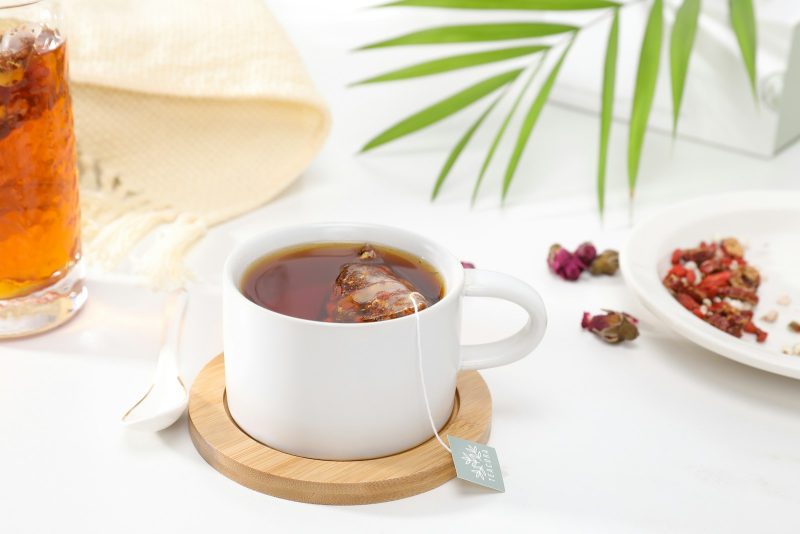
My Chinese grandmother had a jar of red dates on her kitchen counter since before I was born. I always thought they were just snacks. Then I learned they’re one of the most powerful foods in Chinese medicine. For the past six months, I’ve eaten red dates every single day — and the changes to my energy, my skin, and my overall vitality have been so dramatic that my colleagues keep asking what I’m doing differently. This is the story of how a humble fruit I’d ignored for three decades became the cornerstone of my daily wellness routine.
The Jar on the Counter
If you grew up in a Chinese household — or spent any meaningful time in one — you’ve seen the jar. It’s usually glass, sometimes ceramic, always sitting on the kitchen counter or a shelf within arm’s reach of the stove. Inside: dark red, wrinkled fruits about the size of a large olive, with a thin skin and a single oblong pit. They look like oversized raisins that took a wrong turn. My grandmother’s jar was a repurposed instant coffee container from the 1990s, the label half-peeled, the lid always slightly sticky.
I grew up in Toronto, the daughter of immigrants from Guangdong province. My parents spoke Cantonese at home, cooked Chinese food every night, and maintained a medicine cabinet that was half Western pharmacy, half dried herbs in plastic bags. Red dates — 红枣 (hóng zǎo) — were everywhere in my childhood. They appeared in soups, in teas, in rice porridge, in the sweet soups my grandmother made for dessert. I’d pop them into my mouth like candy when I was seven, but by the time I was a teenager, I’d mentally filed them under “weird old people food” and moved on to protein bars and green smoothies.
That dismissal lasted until I was 34, burnt out from a demanding marketing career, and running on fumes despite sleeping eight hours a night. I was tired all the time. Not sleepy — tired. A bone-deep exhaustion that coffee couldn’t touch. My skin looked grey. My digestion was unpredictable. My period had become a monthly ordeal of cramps and fatigue that left me calling in sick at least one day per cycle. My doctor ran blood tests and found nothing wrong. “You’re fine,” she said. I did not feel fine.
That’s when my mother — channeling my grandmother’s calm certainty — handed me a bag of red dates and said, “Eat five every morning. Don’t argue. Just do it.”
What Are Red Dates, Exactly?
Despite the name, red dates aren’t dates at all. They’re jujube fruits — Ziziphus jujuba — from a small tree native to China that’s been cultivated for over 4,000 years. The fresh fruit is apple-green, crisp, and mildly sweet, like a tart apple crossed with a pear. But in Chinese culture and medicine, it’s the dried version that matters. When dried, the fruit turns deep red, the flesh becomes chewy and concentrated, and the flavor intensifies into something rich, caramel-like, and subtly sweet — completely different from the fresh fruit.
The Chinese name 红枣 (hóng zǎo) literally translates to “red date,” which is why English speakers call them that. But botanically, they’re unrelated to the Medjool dates from the Middle East or the Deglet Noor dates from North Africa. Jujube fruits belong to the buckthorn family (Rhamnaceae), while true dates are palms (Phoenix dactylifera). They’re completely different plants that happen to share a name because of a superficial resemblance when dried.
China produces over 90% of the world’s jujube crop — roughly 5 million tonnes annually. The main growing regions are Xinjiang, Hebei, Shandong, and Shanxi provinces. Different varieties have different characteristics: the Xinjiang Hetian date is enormous and intensely sweet; the smaller Shandong Jixin date is denser and more medicinal. For daily eating and cooking, most Chinese families use the medium-sized, moderately sweet varieties you’ll find in any Asian grocery store for $3-6 per bag.
Red Dates in Traditional Chinese Medicine: A 2,000-Year Track Record
In Traditional Chinese Medicine (TCM), red dates aren’t just food — they’re classified as a superior-grade herb in the Shennong Bencao Jing (Divine Farmer’s Classic of Materia Medica), one of the oldest Chinese medical texts, compiled around 200 CE but containing knowledge far older. “Superior grade” means the herb nourishes life and can be taken long-term without side effects. It’s the highest classification — the same tier as ginseng and goji berries.
Here’s how TCM understands red dates:
- Flavor: Sweet
- Temperature: Warm
- Meridians entered: Spleen, Stomach, Heart
- Functions: Tonifies Qi (vital energy), nourishes Blood, calms the Spirit (Shen), strengthens the Spleen and Stomach
If you’re new to TCM, here’s the translation: red dates are believed to strengthen your digestive system, improve your blood quality and circulation, support your energy levels from the inside out, and help calm an anxious or restless mind. They’re warm in nature, which means they gently heat the body — making them ideal for people who run cold, have poor circulation, or feel depleted.
In TCM theory, the Spleen is the organ system responsible for transforming food into usable energy (Qi) and Blood. When the Spleen is weak — from stress, poor diet, overwork, or illness — you get exactly the symptoms I was experiencing: fatigue, poor digestion, pale complexion, weak immunity, and that pervasive sense of being drained. Red dates are one of the primary Spleen-tonifying foods in the Chinese dietary therapy tradition. They don’t stimulate the way caffeine does. They nourish. The difference is everything.
For a broader exploration of how Chinese superfoods can transform your health, I wrote about my journey with red dates as a Chinese superfood in more detail.
The Nutritional Powerhouse Western Science Is Finally Noticing
For centuries, Western nutrition largely ignored jujube fruits. They were an ethnic curiosity, found in Asian markets but absent from mainstream health conversations. That’s changing rapidly as researchers publish studies confirming what Chinese grandmothers have known for millennia.
The numbers are remarkable. Per 100 grams of dried red dates:
- Vitamin C: 69-300mg (depending on variety) — up to 5 times more than oranges by weight. This is extraordinary for a dried fruit, as vitamin C typically degrades during drying. Jujube fruits retain it unusually well.
- Iron: 1.8-2.7mg — significant for a plant food, especially when combined with the vitamin C that enhances absorption.
- Potassium: 375-530mg — supporting heart function and fluid balance.
- Cyclic AMP (cAMP): A bioactive nucleotide that plays a role in cellular signaling. Research published in the Journal of Agricultural and Food Chemistry has identified cAMP as a key compound in jujube that may support immune function and metabolism.
- Polyphenols and flavonoids: Including rutin, quercetin, and kaempferol — powerful antioxidants associated with anti-inflammatory and anti-aging effects.
- Triterpenic acids: Including betulinic acid and oleanolic acid, which have demonstrated hepatoprotective (liver-protecting) properties in multiple studies.
- Dietary fiber: 6-10g per 100g, supporting digestive health and blood sugar regulation.
A 2020 review in the Journal of Ethnopharmacology examined over 100 studies on jujube and concluded that the fruit demonstrates “significant pharmacological activities including anticancer, anti-inflammatory, antioxidant, hepatoprotective, and immunomodulatory effects.” A 2017 study in Food & Function found that jujube polysaccharides enhanced immune cell activity in animal models. And a 2021 paper in Nutrients linked regular jujube consumption to improved gut microbiome diversity — the foundation of overall health that modern medicine is only beginning to understand.
The irony isn’t lost on me. I spent years buying expensive superfood powders — acai, spirulina, maca, ashwagandha — while ignoring the $4 bag of red dates in my mother’s kitchen. The superfood I needed was already in the family.
My First 30 Days: From Skeptic to Believer
I started eating five red dates every morning on a Tuesday in October. My mother’s instructions were specific: eat them on an empty stomach, chew them thoroughly, and don’t drink cold water immediately after. “Cold water kills the warmth,” she said, in that tone that made questioning feel futile.
The first week, I noticed nothing dramatic. The dates were pleasant — chewy, sweet, satisfying. They killed my mid-morning coffee craving, which was unexpected. Normally by 10 AM I was reaching for my third cup. Instead, I felt… stable. Not energized in the caffeine sense, but not dragging either. Just even.
By day 10, my digestion shifted. I’d struggled with bloating and irregular bowel movements for years — another thing my doctor called “normal.” Suddenly, things were moving regularly and comfortably. I hadn’t changed anything else in my diet. The red dates were the only variable.
Week three brought the change that made me a convert. I woke up one morning and realized I hadn’t hit the snooze button. I just… got up. Alert. Ready. This hadn’t happened in years. The energy wasn’t buzzy or artificial. It was the kind of steady vitality I remembered from my early twenties — a baseline of “I can handle today” that I’d assumed was permanently gone.
By the end of the first month, three things were undeniable:
- Energy: Consistent throughout the day. No afternoon crashes. Dramatically reduced caffeine dependence (from 4 cups to 1).
- Digestion: Regular, comfortable, predictable. The bloating that had plagued me for a decade simply stopped.
- Skin: My colleague asked if I’d gotten a facial. I hadn’t. My skin looked less sallow, more alive. The grey undertone was fading.
Was it placebo? Maybe — for the first week. But by week four, the changes were objective enough that other people were commenting. Placebo doesn’t change your skin tone.
Month Two Through Six: The Compounding Effect
I didn’t stop at 30 days. The improvements kept compounding in ways I hadn’t anticipated.
Month two: My period arrived with significantly less cramping. I’d always assumed severe cramps were just my genetic inheritance — my mother and grandmother both suffered from them. But my mother pointed out that she’d been eating red dates daily since her thirties, and her cramps had improved dramatically. “I forgot to tell you,” she said, as if this were a minor detail rather than life-changing information.
Month three: I caught a cold — my first in eight months. It lasted two days instead of the usual ten. Pre-red-dates, a cold would knock me out for a week and leave me coughing for another two. My immune system, whatever had been quietly wrong with it, had shifted.
Month four: My hair stopped falling out in clumps in the shower. I’d been losing hair steadily since my late twenties — not enough to alarm a doctor, but enough that I’d been quietly buying volumizing shampoos and avoiding white pillowcases. The shedding decreased by at least 60%.
Month five and six: The benefits stabilized into a new normal. I wake up with energy. My digestion works. My skin looks healthy. My mood is more even. I still get stressed — I still have deadlines and a full life — but I recover faster. The exhaustion that used to follow me like a shadow has lifted. I feel like myself again — or perhaps for the first time.
For those interested in how Chinese herbal approaches can work for different body constitutions, I explored this topic in my article on Chinese herbal tea and body type wellness.

How to Eat Red Dates: Three Methods I Use Daily
The beauty of red dates is their versatility. You don’t need to be a Chinese cooking expert. Here are the three methods I rotate through, depending on my schedule and mood.
Method 1: Simple Daily Snack (5 minutes)
This is where I started and where I still default on busy mornings. Take 5-8 dried red dates, rinse them briefly under warm water, and eat them whole — pit and all. The pit is hard and inedible, so you’ll need to work around it as you chew, or you can buy pitted dates (去核红枣) for convenience. Chew each date thoroughly. The flavor is sweet, caramel-like, and warming. Some people find them too sweet straight; I find them perfect.
Pro tip: Soak them in warm water for 10 minutes before eating if you find dried dates too chewy. The soaking also makes the nutrients more bioavailable.
Method 2: Red Date Tea (15 minutes)
This is my afternoon ritual, replacing my third cup of coffee. It’s soothing, naturally sweet, and deeply warming.
- Ingredients: 6-8 dried red dates (sliced or smashed), 3-4 slices of fresh ginger, 500ml water, optional: a small handful of goji berries, a few pieces of dried longan
- Method: Add dates and ginger to a small pot with water. Bring to a boil, then simmer for 10-15 minutes. Add goji berries in the last 2 minutes. Strain and drink warm.
- Variation: For a richer tea, add a piece of brown sugar (红糖) — this is the classic Chinese postpartum recovery drink and is especially nourishing for women during or after their period.
I make a big batch on Sunday and keep it in a thermos at my desk. It stays warm for hours and tastes better than any herbal tea I’ve bought.
Method 3: Red Date Congee (30-45 minutes, mostly passive)
Congee (粥) is Chinese rice porridge — the ultimate comfort food. Adding red dates turns it into a deeply nourishing meal that’s gentle on digestion and sustaining for hours.
- Ingredients: 1/2 cup rice, 8-10 red dates, 6 cups water, optional: dried longan, goji berries, a pinch of salt
- Method: Combine rice, dates, and water in a pot. Bring to a boil, then reduce to a very low simmer. Cook for 40-50 minutes, stirring occasionally, until the rice breaks down into a thick, creamy porridge. Add goji berries in the last 5 minutes. Serve hot.
- Slow cooker version: Combine everything before bed, set on low, and wake up to perfect congee. This is what my grandmother does.
Congee with red dates is what Chinese women eat during menstruation and postpartum recovery. It’s also excellent for anyone recovering from illness, dealing with digestive weakness, or simply wanting a breakfast that sustains without weighing you down.
Method 4: Red Date and Goji Berry Soup (A Weekend Luxury)
This is the recipe my grandmother swears by. It takes longer but produces a deeply flavorful, medicinal soup that’s both dessert and medicine.
- Ingredients: 15 red dates, 20g dried goji berries, 10g dried longan meat, 1 chicken leg (optional — omit for vegetarian), 1.5 liters water, a few slices of ginger
- Method: If using chicken, blanch it in boiling water for 2 minutes and rinse. Combine all ingredients in a pot. Bring to a boil, then simmer on low for 1.5-2 hours. Season with a pinch of salt. Drink the soup and eat the dates and goji berries.
This soup is the reason my grandmother, at 86, has better energy than most 60-year-olds I know. She makes it once a week and has for as long as anyone can remember.
Who Should (and Shouldn’t) Eat Red Dates Every Day
Red dates are remarkably safe — they’ve been a daily food in China for thousands of years, and TCM classifies them as a superior-grade herb suitable for long-term use. However, there are some considerations:
Ideal For:
- People with low energy, fatigue, or chronic tiredness
- Women with irregular or painful periods, or those recovering from childbirth
- Anyone with poor digestion, bloating, or a tendency toward loose stools
- People with pale complexion, cold hands and feet, or poor circulation
- Those recovering from illness or surgery
- Anyone looking for a gentle, food-based approach to daily wellness
Use Caution If:
- You run hot: If you’re someone who’s always warm, gets red easily, or runs a warm body temperature, red dates’ warming nature might be too much. TCM practitioners recommend limiting to 2-3 per day or combining with cooling foods like chrysanthemum tea.
- You have significant bloating or abdominal distension: In TCM, red dates can sometimes worsen bloating in people with severe Qi stagnation. Start with 2-3 dates and increase gradually.
- You’re diabetic: Red dates are high in natural sugars. While their fiber content moderates the glycemic impact, you should consult your healthcare provider and monitor blood sugar carefully.
- You have dental issues: The sticky texture can adhere to teeth. Brush after eating or choose pitted, sliced varieties.
The general recommendation in TCM is 5-10 dates per day for most adults. I eat 5-7 daily, and that’s been my sweet spot for six months.
The Questions I Get Asked Most
When I tell people I eat red dates every day, I get a handful of questions repeatedly. Here are the answers.
“Can I eat the pit?” No. The pit is hard, woody, and inedible. Some TCM formulas use the seed kernel (酸枣仁, suan zao ren — sour jujube seed) for insomnia, but the pit of the regular red date is just waste. Spit it out or buy pitted dates.
“Are they the same as Medjool dates?” Completely different. Medjool dates come from a palm tree (Phoenix dactylifera), are much larger, stickier, and higher in sugar. Red dates (jujube) are smaller, less sweet, and have different medicinal properties. You can’t substitute one for the other in TCM applications.
“Where do I buy them?” Any Asian grocery store will have them. They’re in the dried goods aisle, usually in plastic bags ranging from 200g to 500g. Look for plump, deeply colored dates with minimal wrinkling — extreme wrinkling means they’re old and dried out. Online, they’re available on Amazon, Weee!, and Yamibuy. The best quality comes from Xinjiang province — look for 和田红枣 (Hetian red dates) if available.
“How long do they last?” Stored in an airtight container at room temperature, dried red dates keep for 6-12 months. In the refrigerator, up to 18 months. They’ll harden over time — if they get too tough, soak them in warm water for 15 minutes before eating.
“Can children eat them?” Yes, in smaller quantities. Children over 2 can eat 2-3 dates per day. Many Chinese families add red dates to children’s congee or soups. For very young children, remove the pit to prevent choking.
FAQ
What are the main health benefits of eating red dates (jujube) daily?
Red dates are rich in vitamin C, iron, potassium, and antioxidants. In Traditional Chinese Medicine, they tonify Qi (energy), nourish blood, support digestion, and calm the mind. Modern research supports their anti-inflammatory, immune-boosting, and gut health benefits. Daily consumption may improve energy levels, skin health, digestion, and immune function over time.
How many red dates should I eat per day?
The traditional recommendation is 5-10 dried red dates per day for adults. Beginners should start with 3-5 and gradually increase. People who run warm constitutionally or have significant bloating should limit to 2-3 per day. Children over 2 can eat 2-3 dates daily.
Are red dates the same as regular dates like Medjool?
No. Red dates are jujube fruits (Ziziphus jujuba) from a small tree native to China. Medjool dates come from a palm tree (Phoenix dactylifera) native to the Middle East. They are completely different botanical species with different nutritional profiles and medicinal properties. Red dates are smaller, less sweet, and have a long history in Traditional Chinese Medicine that Medjool dates do not share.
What is the best way to eat red dates for energy?
For energy, the best methods are eating 5-7 dried red dates on an empty stomach in the morning, or drinking red date tea (dates simmered with ginger in water) throughout the day. The combination of natural sugars, iron, vitamin C, and adaptogenic compounds provides sustained energy without the crash associated with caffeine. Consistency is key — daily consumption produces better results than occasional use.
Can red dates help with women’s health issues like period pain or postpartum recovery?
Yes. In Traditional Chinese Medicine, red dates are one of the primary foods recommended for women’s health. They nourish blood, which is particularly important during menstruation and after childbirth. Many Chinese women eat red date congee or drink red date tea during their period to reduce cramping and fatigue. Postpartum, red dates are a key ingredient in recovery soups. While individual results vary, the combination of iron, vitamin C, and warming properties makes red dates particularly supportive for women’s reproductive health.
Final Thoughts: The Superfood That Was in Your Family All Along
Six months into my red date experiment, I’ve made peace with an uncomfortable truth: the most transformative wellness practice in my life costs $4 per month, takes zero effort, and was recommended by my grandmother — who I’d spent years politely ignoring because her advice didn’t come with a clinical trial and a branded label.
Red dates aren’t flashy. They won’t give you an Instagram-worthy smoothie bowl. They don’t come with a celebrity endorsement or a $60 price tag. They’re small, wrinkled, unassuming fruits that have been nourishing Chinese people for over 4,000 years. They taste good. They’re safe for daily use. And for me, they’ve been more effective than any supplement, superfood powder, or wellness hack I’ve ever tried.
If you’re tired — truly tired, in that deep way that sleep doesn’t fix — I’d encourage you to try what my mother told me to do. Buy a bag of red dates. Eat five every morning for 30 days. Don’t overthink it. Don’t optimize it. Just eat them, consistently, and pay attention to what happens.
Your grandmother — Chinese or not — would probably approve.
Disclaimer
This article is for informational and educational purposes only and is not a substitute for professional medical advice, diagnosis, or treatment. The author is not a licensed healthcare provider. Always consult with a qualified healthcare professional before making changes to your diet, especially if you have pre-existing health conditions, are pregnant or nursing, or are taking medications. Traditional Chinese Medicine concepts described here are based on historical and cultural practices and may not be validated by Western medical standards. Individual results may vary.
About the Author
Mei Chen is a freelance health and wellness writer based in Toronto, Canada. Born to Chinese immigrant parents, she bridges the gap between Traditional Chinese Medicine wisdom and modern evidence-based wellness. After years of dismissing her family’s traditional practices, she embarked on a personal journey to test ancient Chinese health remedies in her modern life — and has been sharing the results ever since. When she’s not writing, she’s probably making red date tea or calling her mother for recipe advice. Her work focuses on accessible, honest, first-person explorations of Chinese wellness traditions for a Western audience.