In this article: The real reason every Chinese person drinks hot water — and why switching to it might quietly change your digestion, energy, and how you feel after meals.
The Question That Started Everything
Visit any Chinese home, restaurant, or office, and within minutes someone will hand you a glass — not of ice water, but of warm or hot water. Order water at a restaurant in China, and you’ll get it hot, often with a faint taste of the thermos it came from. Ask for ice, and you may get a confused look.
To most Westerners, this is bizarre. Water is supposed to be cold, refreshing, and served with ice — especially in summer. Hot water is for tea, or for when you’re sick.
I’ve watched dozens of foreign friends react to this the same way: “Why? Doesn’t it taste weird? Isn’t cold water more refreshing?”
It’s a fair question. And the answer reveals one of the biggest, most overlooked differences between how Chinese and Western cultures think about the body.
The Core Idea: Your Stomach Is a Cooking Pot
In Traditional Chinese Medicine (TCM), the digestive system is often described as a cooking pot over a small flame. The “fire” is your Spleen and Stomach’s digestive energy (what TCM calls Spleen Qi). This fire is what transforms food and drink into nourishment your body can actually use.
Here’s the key image to hold in your mind: every cold thing you consume, your body has to warm up before it can digest.
Imagine pouring ice water into a pot that’s trying to simmer soup. What happens? The flame sputters. The cooking slows down. The soup gets cold. Your body has to burn extra energy — literally — just to bring that water back up to body temperature before it can do anything with it.
Over time, the theory goes, constantly pouring cold into your “pot” slowly weakens the flame. Digestion gets sluggish. You feel heavy after meals. Your energy dips. You bloat.
In one sentence: Warm water is “pre-cooked.” Cold water makes your body do the cooking.
This Isn’t Just Old Folk Wisdom
Modern physiology offers a simple, non-mystical version of the same idea. Drinking very cold water:
- Constricts blood vessels in the digestive tract, slowing the muscles that move food along
- Requires energy to bring the water to body temperature (about 37°C / 98.6°F)
- Can slow gastric emptying, making meals feel heavier for longer
None of this is dangerous. Cold water won’t kill you. But if you already have sensitive digestion — bloating, sluggishness, cramping after cold drinks — there’s a clear mechanism for why it happens.
The Chinese habit of drinking warm water is, at minimum, digestion-friendly by default. You don’t need to believe in Qi for it to make sense.
Why It’s Cultural, Not Just Medical
Here’s something most articles miss: the hot water habit in China isn’t really about medicine anymore. It’s just culture. It’s what feels normal.
Every office has a hot water dispenser. Every train has one. Every Chinese home has at least one thermos. Hotels put kettles in every room. Mothers boil water for their kids even in the middle of summer. It’s woven so deeply into daily life that most Chinese people never think about why — it’s simply what you do.
When I left China and started drinking iced water abroad, my digestion quietly got worse for a year before I connected the dots. Coming back to warm water fixed it within two weeks. I’m not unique — this is one of the most common stories you hear from Chinese people who move to Western countries.
How to Start Drinking Warm Water
You don’t need to boil water for every sip. The sweet spot is body temperature or slightly warmer — about 40-50°C (104-122°F). Warm enough that you feel it go down soothingly, not so hot you burn your mouth.
- First thing in the morning: A glass of warm water before anything else. This is the most important one. It gently wakes your digestion after a night of rest.
- With meals: Sip warm water instead of ice water. Or better, a small bowl of warm soup — the Chinese way.
- Avoid ice: Especially on an empty stomach, first thing in the morning, or right after heavy meals.
- Add ginger (optional): 2-3 thin slices of fresh ginger in hot water is the classic Chinese digestive. Slightly warming and very soothing.
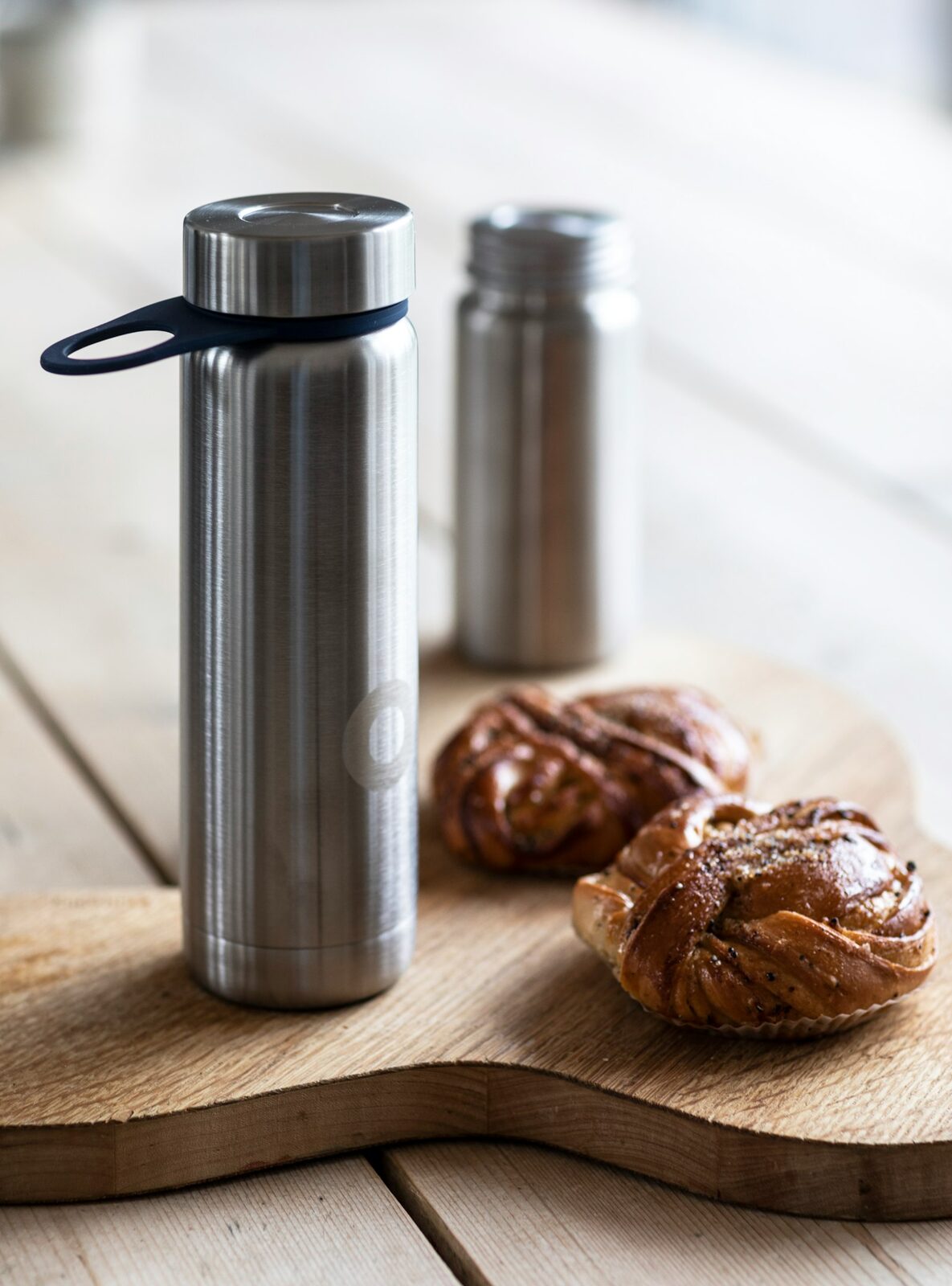
- Carry a thermos: The single most useful habit. A small insulated bottle keeps water warm for hours and makes the practice automatic.
FAQ
Is cold water actually bad for you?
Not in a dangerous way. Hydration matters far more than temperature. But if you have sensitive digestion, bloating, or fatigue after meals, switching to warm water is a low-effort change that often helps noticeably. It costs nothing to try for two weeks.
Does it help with weight loss?
Marginally. Your body does burn a tiny amount of energy warming cold water, but the effect is negligible. The real benefit is digestive comfort, not calorie burning. Don’t expect weight loss — expect better digestion.
What about cold water after exercise?
This is the one time cold water is genuinely better — your body needs to cool down. But for digestion, recovery, and everyday drinking, warm still wins. Listen to context, not a rigid rule.
Do I need to drink boiling hot water?
No. Boiling water is too hot and can damage your esophagus over time. The Chinese habit is warm-to-hot, around 40-60°C. Think “hot tea temperature,” not “soup off the stove.”
Is this only a Chinese thing?
Similar traditions exist across Asia — Japan, Korea, India (Ayurveda), and the Middle East all have warm-water practices. China is just the most consistent about it. The idea is widespread because it works, regardless of the cultural framing.
The Bottom Line
You don’t have to adopt every Chinese wellness habit to benefit from one. The hot water practice is, in my opinion, the single easiest and most underrated one to try. It costs nothing, takes no extra time, and the worst that can happen is you don’t notice a difference.
But many people — especially those with sensitive stomachs, low energy, or a habit of iced drinks — notice something within a week. Things settle. Meals feel lighter. The afternoon slump softens.
Try it for fourteen days. Then decide. That’s how my grandmother would have suggested it too — quietly, without pressure, just a warm cup placed in your hands.
This article shares traditional wellness practices from a Chinese cultural perspective. It is educational, not medical advice — for any health condition, please consult a qualified professional.