
In this article: Why Tai Chi is deliberately slow, what it actually does to your balance and nervous system, and how to start with one movement you can do right now — explained by someone raised in the culture it came from.
The Question Every Westerner Asks
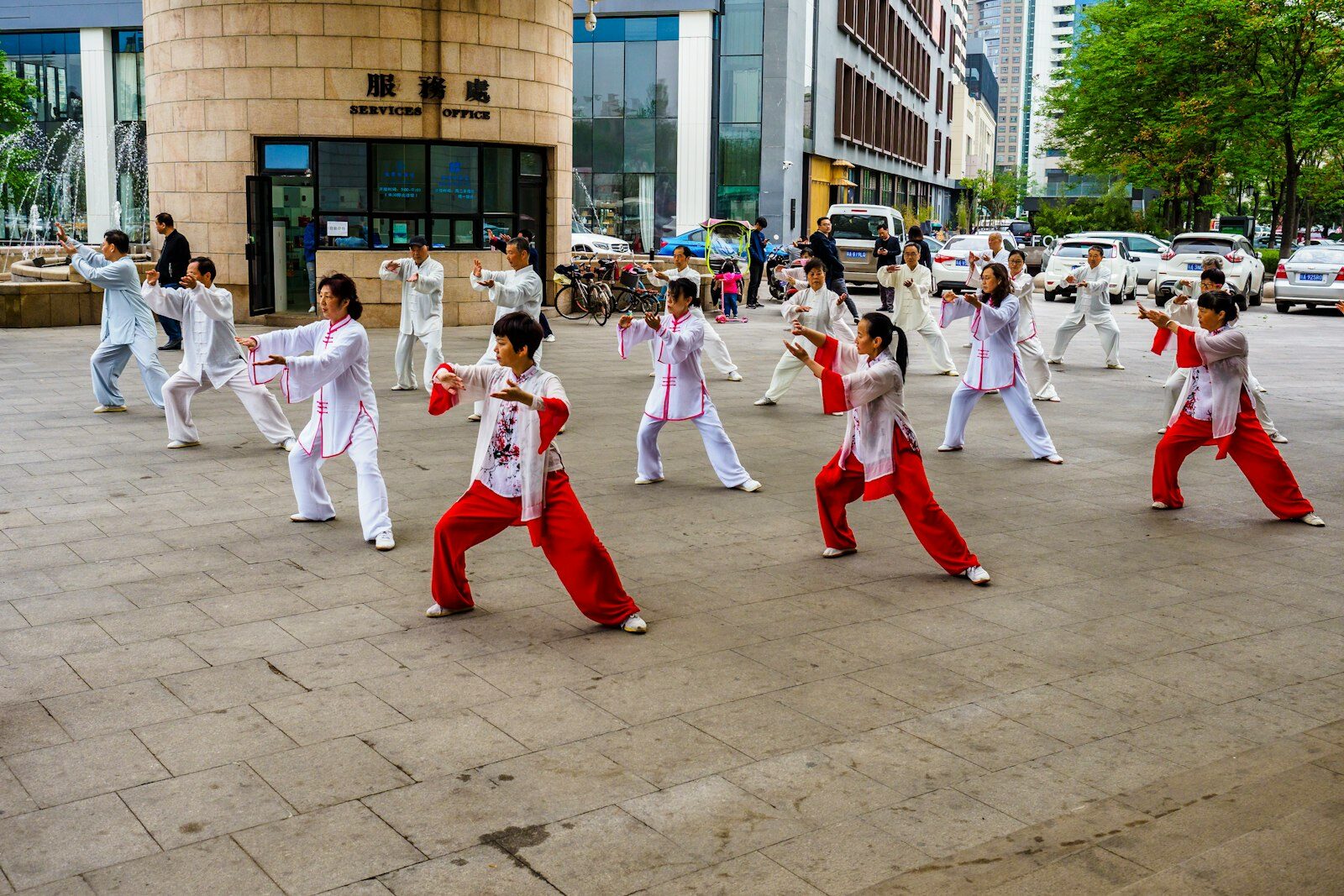
Watch someone practice Tai Chi in a park, and you’ll see something that looks almost too gentle to be exercise. Slow waves of the arms. Weight shifting from one leg to the other. Eyes calm. No sweat.
The first thing most Westerners say when they see it:
“Is that even doing anything?”
I understand the confusion. I grew up in China watching my grandparents practice it every morning, and as a kid I thought the same thing — this is what old people do, not real exercise. It took me years to understand what I was actually looking at.
Here’s the truth that’s hard to see from the outside: Tai Chi is slow because the slowness is the training. It’s not a watered-down version of real exercise. The slow version is the hard version. And the thing it trains — balance, in every sense of that word — turns out to be one of the most undervalued skills in modern life.
This article is about why.
First: What Tai Chi Actually Is
Tai Chi (太极拳, tài jí quán) is a Chinese internal martial art and health practice, developed around 400 years ago. The full name translates roughly to “Supreme Ultimate Fist” — which sounds dramatic until you learn that taiji (太极) refers to the concept of yin and yang, the two opposing-but-complementary forces that make up everything.
So “Tai Chi” is, at its core, a physical practice of balance between opposites:
- fast and slow
- hard and soft
- tense and relaxed
- movement and stillness
- inhale and exhale
You’re not learning to fight (though you can). You’re learning to find the balance point between every pair of opposites — and move through life from there.
That’s why the practice is slow. You can only feel those subtle balance points when you slow down enough to notice them.
The “Slow” Is the Workout
Here’s the part that’s genuinely hard to grasp without trying it.
Try this right now: Stand on one leg. Easy. Now do it again — but take 30 seconds to lift your foot, moving so slowly that at no point does your speed exceed a crawl. Keep your knee soft. Breathe. Don’t wobble.
Most people can’t get to 10 seconds without shaking.
This is what Tai Chi does for 10 to 20 minutes at a time. Every movement is slow-motion resistance training against your own body. You’re:
- Balancing on one leg while the other moves
- Shifting your center of gravity through a precise arc
- Keeping every joint softly engaged (never locked, never limp)
- Coordinating breath with motion
- Staying mentally present the entire time
There’s a reason Tai Chi practitioners in their 70s have better balance than most 30-year-olds. They’ve been training it, slowly, for decades.
What Tai Chi Actually Does to You (The Real Benefits)
Let’s separate the hype from what actually happens.
1. Physical Balance (Proven)
This is the most-studied benefit, and it’s real. Tai Chi improves the systems your body uses to stay upright:
- Proprioception — your sense of where your body is in space
- Ankle and hip stability — the small muscles that catch you when you trip
- Reaction time — how fast you correct when you start to fall
For older adults, this matters enormously: falls are one of the leading causes of serious injury after 65. Multiple large studies have found Tai Chi reduces fall risk significantly. This isn’t wellness fluff — it’s fall prevention.
2. A Calmer Nervous System
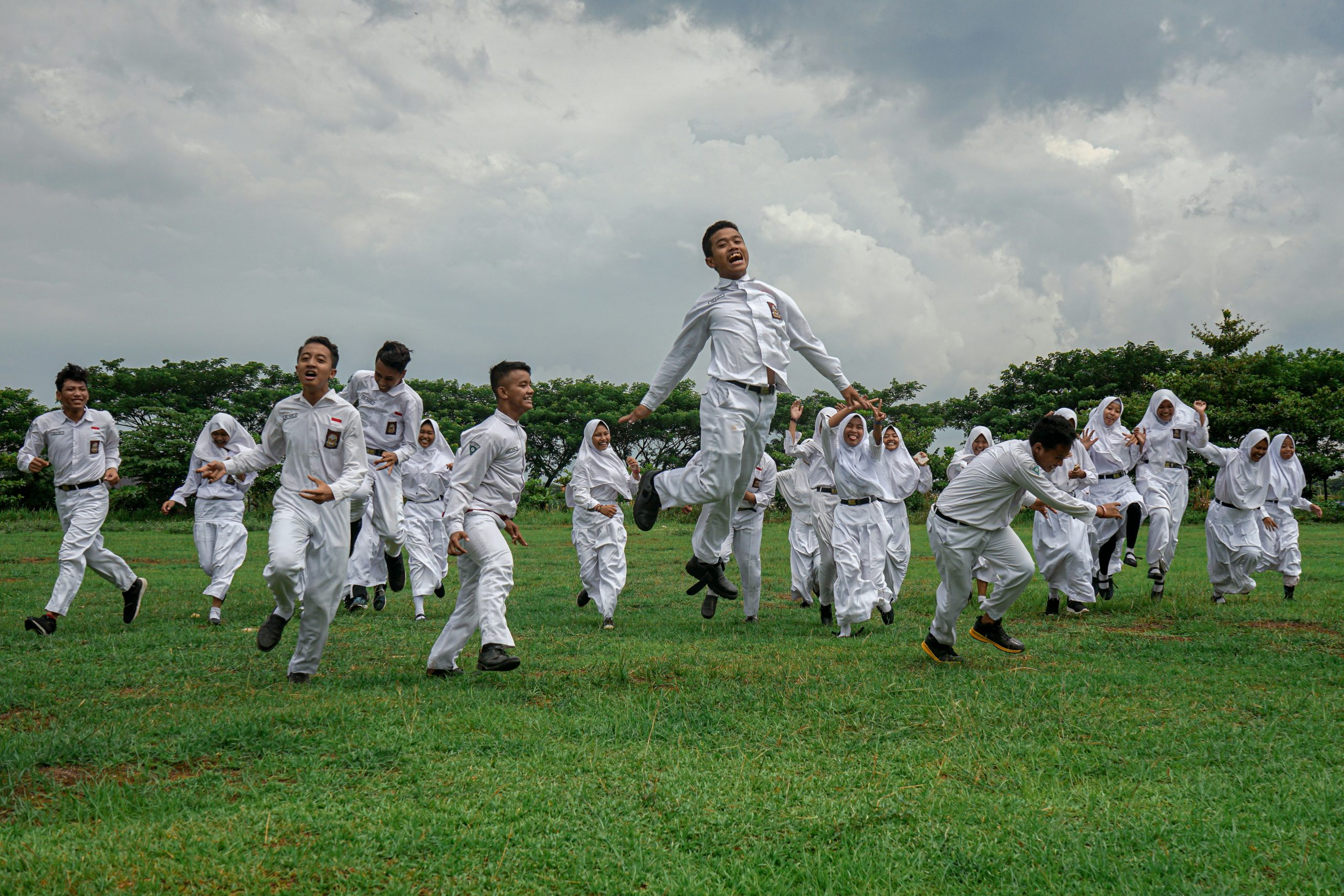
Tai Chi is sometimes called “meditation in motion,” and the description is accurate. The slow breathing and focused attention activate your parasympathetic nervous system — the “rest and digest” mode that counters the chronic stress most of us live in.
After 15 minutes of practice, most people feel a noticeable drop in tension. Not sleepy. Settled. Like a glass of muddy water finally being still long enough for the sediment to fall.
3. Gentle, Real Exercise
It’s not going to burn the calories of running. But Tai Chi does:
- Raise your heart rate moderately
- Build leg and core strength (those slow stances are no joke)
- Improve joint mobility without impact
- Get you moving on days when “real” exercise feels impossible
For anyone recovering from injury, dealing with chronic pain, or just starting to move again after years at a desk — Tai Chi is one of the kindest on-ramps back to a moving body.
4. Something Harder to Measure: Presence
This is the benefit Western research struggles to quantify, but every practitioner describes. When you slow down enough to feel your weight shift, your breath move, your thoughts settle — you spend 20 minutes actually in your body, not in your phone, your inbox, or your worries.
That sounds small. It isn’t. Most modern humans spend almost zero time there.
The Principle Behind Everything: “Stillness Within Movement”
There’s a phrase in Chinese: 静中求动, 动中求静 (jìng zhōng qiú dòng, dòng zhōng qiú jìng) — “Seek movement within stillness; seek stillness within movement.”
This is the heart of Tai Chi, and honestly, the heart of most Chinese wellness traditions. (It’s also why we named this site The Still Flow — the idea that real movement comes from a place of quiet.)
Here’s what it means in practice:
- Seek movement within stillness — even when you appear still (standing, sitting, breathing), there’s aliveness inside. Energy moving. Breath flowing. Don’t zone out; tune in.
- Seek stillness within movement — even when you’re moving (walking, working, exercising), there’s a calm center you can stay connected to. Don’t get carried away; stay rooted.
You don’t have to believe in qi or energy meridians to use this. It’s a practical instruction: find the calm inside the action, and the life inside the rest. That’s the balance Tai Chi trains.
How to Start: One Movement You Can Do Today
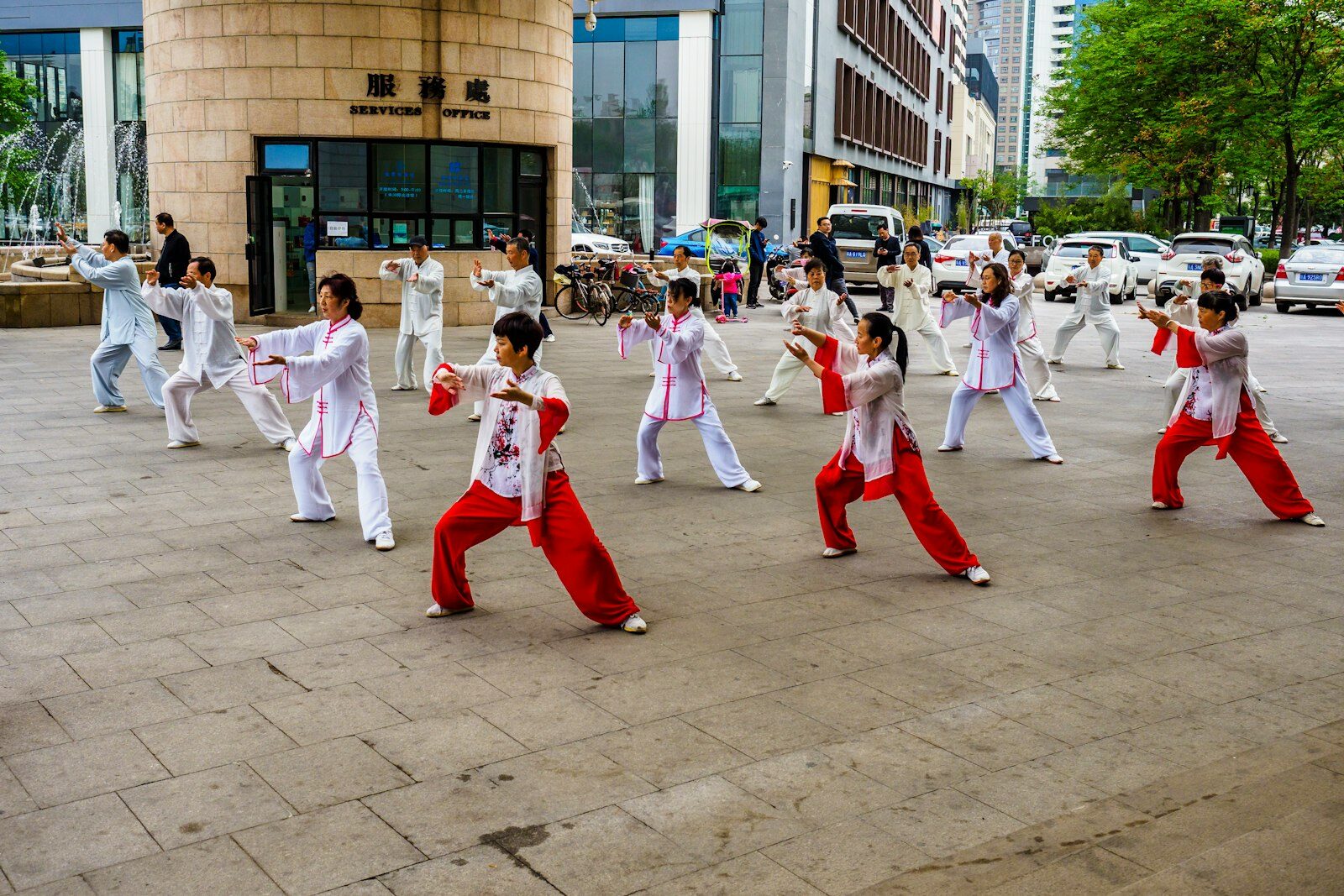
You don’t need a teacher, a uniform, or a park at dawn. You need five minutes and a little floor space. Here’s the single most foundational Tai Chi movement — called “Commencing Form” (起势, qǐ shì):
Step-by-step
- Stand with feet shoulder-width apart. Knees softly bent (never locked). Weight evenly distributed. Shoulders relaxed, arms at your sides.
- Take three slow breaths. In through the nose, out through the mouth. Let your shoulders drop with each exhale.
- As you inhale, slowly raise your arms in front of you, palms facing down, until they’re at shoulder height. Take the full inhale to do it. Feel the lift start from your legs, not your shoulders.
- As you exhale, slowly lower your arms back down, but this time turn your palms to face slightly downward, as if pressing the air. Take the full exhale to do it. Feel the press start from your feet.
- Repeat 9 more times. That’s it.
What to pay attention to
- The slowness. If you finish a movement before your breath finishes, you’re too fast.
- Your feet. Feel the floor. Notice when your weight shifts, even slightly.
- Your shoulders. They’ll want to creep up. Keep letting them drop.
- Your thoughts. They’ll wander. Each time, come back to the feeling of your arms moving through the air.
Do this for 5 minutes a day for a week. You’ll feel something shift — not overnight, but quietly, like water finding its level.
FAQ
Is Tai Chi a martial art or an exercise?
It’s both — originally a martial art, now practiced worldwide mostly for health. You can learn it either way. For most people reading this, the health and balance benefits are the entry point.
Do I have to be old / Asian / flexible to start?
No, no, and no. The biggest myth about Tai Chi is that it’s “for old people.” Older people benefit most visibly from it — but starting younger means you build the balance and calm before you need them.
How often should I practice?
Daily is ideal, even if just for 5-10 minutes. Consistency beats duration. Ten minutes every day will change you more than two hours once a week.
Can I learn from YouTube?
Yes, to start. Look for “Tai Chi for beginners” from reputable teachers. The caveat: eventually, in-person feedback helps correct details you can’t see yourself. But you can go a long way alone first.
Is Tai Chi religious?
No. It comes from a culture influenced by Taoist and Confucian philosophy, but the practice itself is secular. You don’t need to adopt any belief system to benefit.
Will it help my back pain / anxiety / sleep?
Possibly — Tai Chi has shown benefits for all three in research. But it’s a practice, not a pill. Try it for a month and see what shifts for you. (And for medical conditions, talk to your doctor.)
The Bottom Line
Modern life pushes us toward extremes: hard workouts or no workouts; full hustle or full collapse; wired or exhausted. We’ve forgotten the middle.
Tai Chi is a 400-year-old argument for the middle. It says: the most powerful thing you can do might be to slow down enough to feel what’s actually happening. Your balance. Your breath. Your weight on the earth.
You don’t have to master the forms. You don’t have to understand yin and yang. You just have to try the one movement above, slowly, and notice.
That’s how still water learns to flow.
This article shares traditional wellness knowledge from a Chinese cultural perspective. It’s educational, not medical advice — for any health condition, please consult a qualified professional.