Have you ever felt a knot in your stomach before a big presentation, or a heaviness in your chest after a heartbreaking argument? These aren’t just metaphors. In the rich, interconnected world of Traditional Chinese Medicine (TCM), your emotions and your physical body are in constant, intimate dialogue. At the heart of this conversation is a concept called Shen. Understanding the Shen in Chinese Medicine is like being handed a map to your own inner landscape—a map that shows how emotional turmoil can create real, tangible changes in your body, and more importantly, how you can begin to restore balance.
What Exactly is Shen? More Than Just “Mind”
If you look up Shen in Chinese Medicine in a dictionary, you’ll often find it translated as “spirit” or “mind.” While not wrong, these translations can feel a bit abstract to the Western ear. Let’s make it more concrete. Think of Shen as the radiant, intelligent spark of consciousness that resides within you. It’s the part of you that experiences joy, thinks clearly, sleeps soundly, and allows you to be present and engaged in your own life. It’s your inner light, your vital presence.
In TCM theory, the Shen is one of the “Five Vital Substances” (along with Qi, Blood, Jing-Essence, and Body Fluids). It is housed in the Heart organ system. This is a crucial point: the Heart in TCM is not just a pump. It is considered the “Emperor” or “Sovereign” of all the organs, and its primary duty is to shelter and nurture the Shen. When the Heart is strong and calm, the Shen is “settled.” You feel emotionally stable, mentally clear, and spiritually grounded. When the Heart is disturbed—by stress, trauma, poor diet, or other organ imbalances—the Shen becomes “unsettled” or “disturbed.”
“When the Shen is at peace, the entire body rests in harmony. When the Shen is disturbed, the whole system feels the tremor.”
An unsettled Shen doesn’t just mean you feel anxious or sad. It manifests physically. The connection is direct and powerful. This is why, in a TCM clinic, a practitioner might ask about your sleep, your dreams, your ability to concentrate, and your emotional state just as readily as they ask about your digestion or your pain. They are assessing the state of your Shen.
The Emotional Landscape: How Specific Feelings Impact Specific Organs
In the West, we tend to compartmentalize. Your therapist handles your anxiety, your gastroenterologist handles your IBS. In TCM, they are two chapters of the same story. The theory of the “Seven Emotions” maps specific emotional states to their corresponding organ systems. An excess or prolonged experience of an emotion can directly injure its related organ, disrupting its function and, by extension, affecting the Shen housed in the Heart.
Here’s a simplified look at this beautiful, intricate web:
- Joy (过度喜悦): A little joy nourishes the Heart, but excessive, manic excitement (think constant overstimulation or a sudden shock of good news) can scatter the Qi and unsettle the Shen. This can lead to palpitations, insomnia, or manic behavior.
- Anger (怒): Associated with the Liver. The Liver’s job is to ensure the smooth flow of Qi and Blood. When you hold onto anger, resentment, or frustration, the Liver Qi becomes stagnant, like a traffic jam. This can cause headaches, eye problems, and muscle tension. The stagnant Liver Qi can also “rise” and disturb the Heart, leading to irritability and insomnia.
- Worry/Overthinking (思): This is the domain of the Spleen (the TCM organ of digestion). Constant mental rumination and worry are like a knot tied in your Spleen Qi. This weakens digestion, leading to bloating, fatigue, and poor appetite. A weakened Spleen can’t produce enough quality Blood and Qi to nourish the Heart, leaving the Shen undernourished and prone to anxiety.
- Sadness/Grief (悲): Governed by the Lung. Profound sadness or grief can deplete Lung Qi, making it feel tight and shallow. This weakens the body’s defensive energy (Wei Qi) and can manifest as a weak voice, shortness of breath, and frequent colds. The grief also directly impacts the Heart, creating a feeling of emptiness and melancholy.
- Fear (恐): Connected to the Kidney. The Kidneys store your deepest essence (Jing) and are the root of all Yin and Yang. Fear and chronic anxiety (which is a form of fear) can deplete Kidney energy, leading to lower back pain, weak knees, night sweats, and a feeling of being fundamentally unsafe. This deep insecurity profoundly unsettles the Shen.
You can see the pattern. While each emotion has a “home” organ, they all eventually lead back to the Heart and affect the Shen. This is why long-term emotional turmoil, regardless of its origin, often results in a cluster of symptoms: sleep issues, heart palpitations, anxiety, and a general feeling of being “not yourself.”
Signs Your Shen Might Be Calling for Help
An unsettled Shen doesn’t whisper; it shouts through your body and mind. Learning to read these signs is the first step toward healing. While everyone’s experience is unique, there are common patterns that a TCM practitioner would recognize.
Think of these as your body’s distress signals. They can be broadly categorized into emotional, mental, and physical symptoms. Often, they appear in clusters. You might notice your insomnia gets worse during a period of high stress at work (overthinking/Spleen), or that your heart races when you’re feeling unappreciated (anger/Liver).
| Domain | Signs of a Settled Shen | Signs of an Unsettled/Disturbed Shen |
|---|---|---|
| Emotional | Emotional stability, feeling centered, ability to process and release feelings appropriately. | Anxiety, depression, mood swings, excessive joy or sadness, feeling “spaced out” or emotionally flat. |
| Mental | Clear thinking, good concentration, sound memory, feeling purposeful and present. | Racing thoughts, poor focus, “brain fog,” memory lapses, feeling disconnected or confused. |
| Physical | Restful sleep, calm heart, healthy complexion, relaxed body. | Insomnia (especially difficulty falling asleep), vivid or disturbing dreams, heart palpitations, pale or sallow face, cold hands and feet, muscle tension. |
A key indicator is sleep. In TCM, the day is ruled by Yang (activity) and the night by Yin (rest). At night, the Shen should naturally descend into the Heart to rest. If the Shen is too agitated by emotional turmoil or a lack of Yin-nourishing blood, it “floats” upward, causing an inability to fall asleep, or frequent waking with a sense of panic. Your dreams are also a window into your Shen; they are the Shen’s stories at night.
Nourishing Your Shen: A Practical, Grounded Guide
The goal in TCM is not to eliminate emotions—that would be impossible and unhealthy. The goal is to process them smoothly so they don’t become stuck and damaging. Nourishing your Shen is about creating a stable, warm, and calm environment for your spirit to reside in. Here are actionable steps you can start today.
1. Cultivate a Shen-Nourishing Diet
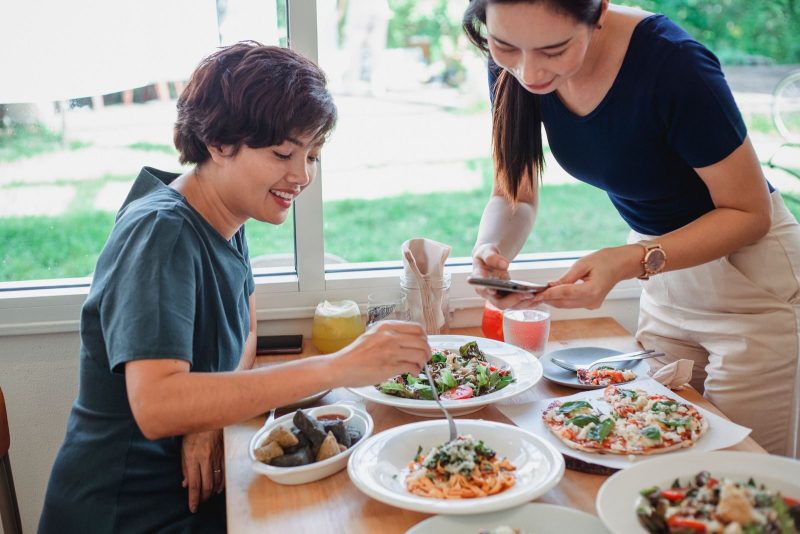
Your food directly builds the Blood and Qi that feed the Heart and Shen. Focus on warm, easy-to-digest foods that are naturally sweet and rich in color. The “sweet” flavor in TCM (think complex carbs and root vegetables, not candy) has a harmonizing and nourishing effect on the Spleen, which in turn supports the Heart.
- Embrace: Warm soups and stews, congee (rice porridge), cooked vegetables like sweet potato, squash, and beets. Grains like rice, oats, and quinoa. A small amount of high-quality animal products like bone broth or free-range chicken can powerfully build Blood.
- Include Blood-Builders: Dark leafy greens (spinach, kale), beets, black beans, cherries, and goji berries are fantastic for building the Blood that houses the Shen.
- Minimize: Excess raw, cold foods (like large salads in winter), excessive caffeine, alcohol, and highly processed or spicy foods. These can overstimulate, create internal heat, and scatter the Shen.
2. Adopt a Shen-Soothing Lifestyle
Your daily habits are the soil in which your Shen grows. Consistency and moderation are key.
Routine is Healing: Try to wake up and go to bed at roughly the same time each day. Eat your meals at regular times. This rhythmic predictability calms the nervous system and gives the Shen a sense of safety.
Connect with Nature: This is non-negotiable for a healthy Shen. Walk barefoot on grass (grounding), watch a sunrise, sit by a body of water. Nature’s rhythms have a powerful balancing effect on our own chaotic internal rhythms. The Shen is a part of nature; returning to it is like coming home.
Practice “Single-Tasking”: The modern habit of constant multitasking is kryptonite for the Shen. It scatters your Qi and keeps your mind in a state of perpetual partial attention. When you eat, just eat. When you walk, just walk. This is a form of mindfulness that gathers your scattered energy back to your center.
3. Acupressure Points for Immediate Shen Calming
You have a first-aid kit on your own body. Gently massaging these points for 1-2 minutes can help settle the Shen in moments of anxiety or overwhelm.
Heart 7 (Shenmen – “Spirit Gate”): This is the master point for calming the Shen. Find it on the crease of your inner wrist, on the little finger side of the tendon. Apply gentle, steady pressure. You can do this anytime, anywhere—before a meeting, while lying in bed, or on public transport.
Pericardium 6 (Neiguan – “Inner Gate”): Famous for nausea, this point is also a powerful tranquilizer for the heart and mind. It’s located on the inner forearm, about three finger-widths up from the wrist crease, between the two tendons. Press firmly. This is excellent for anxiety with a sense of tightness in the chest.
4. The Power of Gentle Movement
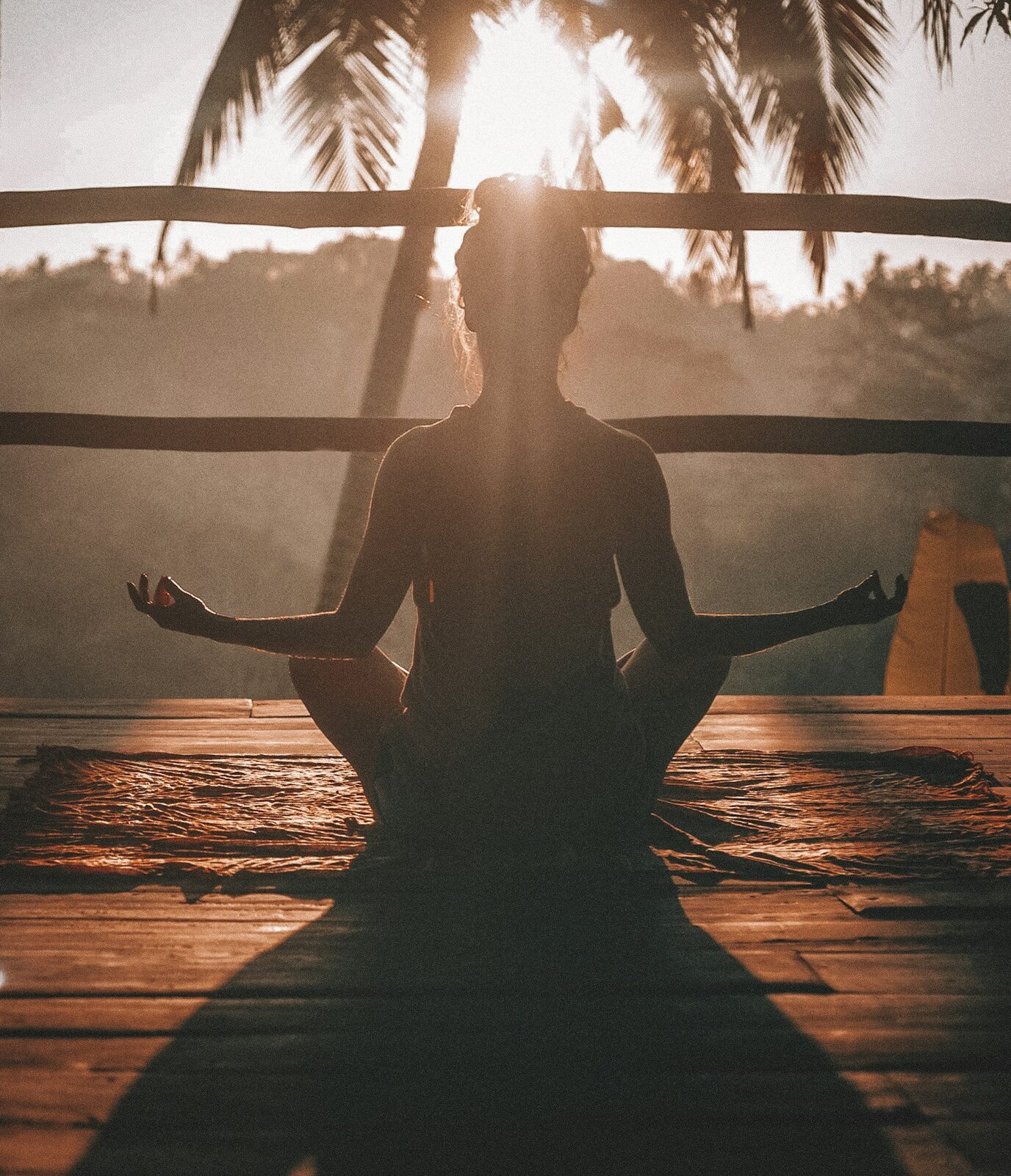
Intense exercise can be great, but when your Shen is already unsettled, it can sometimes add fuel to the fire. Gentle, flowing movements that coordinate with breath are medicine. Practices like Tai Chi, Qigong, gentle yoga, or even mindful walking are ideal. They move Qi and Blood without depleting you, and the focus required helps to anchor the wandering mind.
Common Questions
Is “unsettled Shen” the same as anxiety or depression?
It’s a related concept, but not identical. Western diagnoses like Generalized Anxiety Disorder or Major Depressive Disorder are defined by specific clusters of symptoms and criteria. “Unsettled Shen” is a broader TCM pattern that can include symptoms of anxiety and depression, but also encompasses issues like insomnia, palpitations, and feeling disconnected. Someone might have an unsettled Shen pattern without meeting the criteria for a Western psychiatric diagnosis. Conversely, someone with a clear Western diagnosis might have a different root TCM pattern (like Liver Qi Stagnation or Kidney Yin Deficiency) that is contributing to their condition. Think of it as two different languages describing the same territory, each with its own valuable perspective.
Can I really heal emotional trauma with diet and lifestyle?
Diet and lifestyle are foundational and powerful, but they are one part of a holistic approach. For deep-seated emotional trauma, these practices create the necessary stability and resilience in your body and mind so that other therapies can be more effective. In TCM, modalities like acupuncture, specific herbal formulas (prescribed by a licensed practitioner), and practices like meditation or Qigong are often used alongside dietary changes. The goal is to support the body’s innate healing capacity. You are not just “curing a symptom”; you are rebuilding the foundation so your Shen has a safe and strong home to return to.
How long does it take to see results?
This is deeply individual and depends on the depth and duration of the imbalance. You might feel a subtle shift from a single acupressure session or a week of mindful eating. More significant, lasting change—especially for long-standing patterns—requires consistency. Think of it like tending a garden. You can’t plant a seed and expect a flower overnight. It requires daily watering, weeding, and patience. Many people notice improved sleep and reduced anxiety within a few weeks of consistent practice. A licensed TCM practitioner can give you a more personalized timeline based on your specific constitution and history.
The bottom line: Your emotional world is not separate from your physical body. The concept of Shen in Chinese Medicine provides a profound, time-tested framework for understanding this connection. By learning to recognize the signs of an unsettled Shen and taking practical, nourishing steps—from the food you eat to the thoughts you cultivate—you can begin to soothe emotional turmoil at its root, allowing your body to heal and your spirit to shine with its natural, calm radiance.
This article is for educational purposes and reflects traditional wellness perspectives. It is not a substitute for professional medical advice, diagnosis, or treatment.