There is a particular quality to the light in early spring. It arrives not with a shout, but with a whisper, filtering through bare branches and warming the soil just enough to coax the first green shoots. In Traditional Chinese Medicine, this is the season of the Wood element—a time of gentle, upward-moving energy, of plans unfurling and vision clearing. It’s a season that doesn’t ask us to burst into action, but to unfurl. And in our modern world of constant motion, the most radical way to honor this energy is through a deliberate, slow living ritual. This isn’t about adding more to your to-do list; it’s about creating a small, sacred container for renewal, a practice that mirrors the quiet, persistent growth happening all around you.
The Wood Element: Understanding Spring’s Energetic Blueprint
Before we build our ritual, it helps to understand the energy we’re working with. In TCM, spring corresponds to the Wood element, which governs the Liver and Gallbladder organ systems. This isn’t the anatomical liver of Western medicine, but a functional system responsible for the smooth flow of qi (vital energy) and blood throughout the body. Think of it as the body’s master planner and traffic controller. When the Wood element is balanced, we feel flexible, creative, and decisive—like a healthy sapling bending in the breeze. When it’s stagnant, we can experience frustration, irritability, tight shoulders, and a sense of being stuck.
The Huangdi Neijing (The Yellow Emperor’s Classic of Internal Medicine), the foundational text of TCM, beautifully links the seasons to our physiology. It states: “The three months of spring are called sprouting and germinating. The qi of heaven and earth is born, and the ten thousand things flourish.” This is our cue. Our slow living ritual isn’t about forcing growth; it’s about creating the conditions for our own inner spring to “sprout and germinate” naturally. It’s about supporting the Liver’s function of ensuring a smooth, unimpeded flow of energy.
“The three months of spring are called sprouting and germinating. The qi of heaven and earth is born, and the ten thousand things flourish.”
— Huangdi Neijing
A 2020 review in the Journal of Traditional and Complementary Medicine highlights how the Liver system’s role in “coursing and draining” is central to managing stress and emotional flow, a concept increasingly relevant to modern psychoneuroimmunology (Zhang et al., 2020). Our ritual will directly support this function.
The Foundation: A Pre-Ritual Kitchen Cleanse
You cannot pour new, clear water into a muddy vessel. In TCM, the Liver (Wood) interacts with the Spleen and Stomach (Earth element). If our digestion is sluggish, it creates internal dampness and phlegm, which can further obstruct the Liver’s smooth flow. Therefore, our spring ritual begins not with a meditation, but with a simple, tangible act: refreshing your kitchen and pantry.
This is a direct application of the TCM principle of “supporting Earth to nourish Wood.” My grandmother, a woman of few words but profound wisdom, would perform a mini “spring clean” of her pantry every year around the Lantern Festival. She’d wipe down shelves, check for stale spices, and, most importantly, restock her “spring transition” staples. This wasn’t a chore; it was a ritual of preparation.
Your Actionable Kitchen Refresh (30 Minutes):
- Clear the Counter: Remove all non-essential items. A clear surface represents a clear mind for the Liver qi.
- Check Your Oils & Grains: Discard any rancid oils (they create internal heat) and stale grains (they burden digestion).
- Restock Your Spring Arsenal: Ensure you have these five Liver-friendly, digestion-supporting staples on hand: fresh ginger (Zingiber officinale), green onions (Allium fistulosum), mung beans (Vigna radiata), chrysanthemum flowers (Chrysanthemum morifolium) for tea, and a good quality apple cider vinegar.
The Core Ritual: A 20-Minute Spring Morning Sequence
This is the heart of your practice. It’s designed to be done within an hour of waking, when the body’s yang energy is naturally rising, mirroring the season’s energy. The sequence moves from nourishment, to gentle movement, to mindful observation.
Part 1: The Waking Elixir (5 Minutes)
Before coffee, before checking your phone, prepare and slowly sip this simple tea. It gently warms the digestive system (Spleen Qi) and encourages the smooth flow of Liver Qi.
Spring Dawn Tea Recipe:
• 3 thin slices of fresh ginger (about 1/4 inch each)
• 1 green onion, white part only, sliced lengthwise
• 1 teaspoon of raw honey (optional, add after steeping)
• 8 oz of hot water (not boiling, around 175°F/80°C)
Place ginger and green onion in a cup. Pour hot water over them. Cover and steep for 5 minutes. Strain, add honey if desired, and sip slowly while looking out a window.
Part 2: The Unfurling Stretch (10 Minutes)
This is not a workout. It’s a conversation with your body, focusing on the Liver and Gallbladder meridians that run along the sides of the body, inner legs, and shoulders. Perform each movement slowly, breathing deeply into the area of stretch.
- Side Body Awakening: Stand tall. Inhale, sweep your right arm up and over to the left, creating a long side bend. Hold for 3 breaths, feeling the stretch from your hip to your fingertips. Repeat on the other side. Do 3 cycles per side.
- Gallbladder Meridian Tapping: Using loose fists, gently tap down the outer seam of your pants, from your hip to your outer ankle. This stimulates the Gallbladder meridian. Do this for 1 minute per leg.
- Seated Twist: Sit on the floor or a chair. Inhale to lengthen your spine. Exhale, twist gently to the right, placing your left hand on your right knee and your right hand behind you. Hold for 5 breaths. Repeat on the left. This “wringing” action is thought to massage the Liver and aid detoxification.
Part 3: The Observing Mind (5 Minutes)
Sit comfortably with your tea (or a glass of water). Set a timer for 5 minutes. Your only task is to notice one thing in your environment that is growing or changing. It could be a houseplant putting out a new leaf, the way the light shifts on the wall, or the sound of a bird outside. This practice cultivates the Liver’s virtue of vision and planning by training your eye to see gentle, forward movement.

Nourishing the Wood Element: A Spring Food Guide
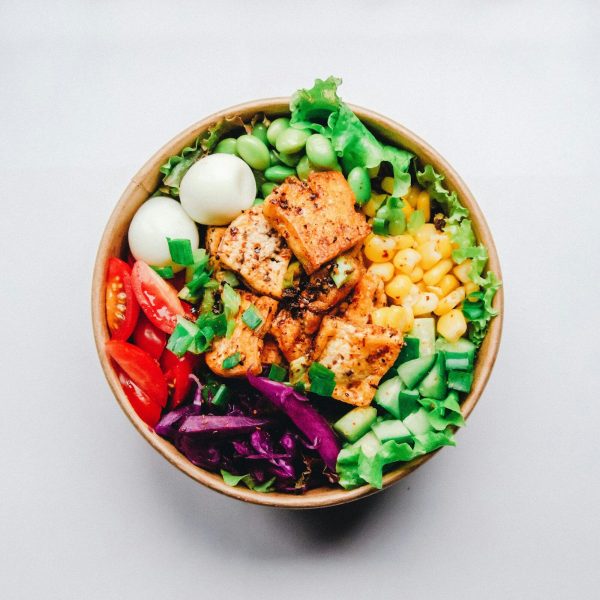
What you eat directly influences your internal terrain. In spring, we want foods that are young, green, and slightly bitter or pungent—they mirror the season’s energy and support the Liver’s function. Avoid heavy, greasy, and overly sweet foods that create dampness and stagnation.
| Food Category | Spring Choices & Why | Simple Preparation |
|---|---|---|
| Green Leafy Vegetables | Dandelion greens (Taraxacum officinale), spinach, watercress, kale. The color green directly nourishes the Wood element. Slightly bitter greens, like dandelion, are especially prized in spring for “clearing Liver heat.” | Lightly steam or sauté with garlic and a splash of rice vinegar. Add young dandelion greens to salads. |
| Sprouts & Shoots | Bean sprouts (mung or soy), bamboo shoots, pea shoots. They are the literal embodiment of spring’s upward, sprouting energy. They are light and easy to digest. | Add to stir-fries in the last 2 minutes of cooking. Use as a crisp topping for soups. |
| Sour Foods (in moderation) | Lemon, lime, grapefruit, apple cider vinegar, plum. A sour flavor is traditionally used to astringe and hold the Liver Qi, preventing it from becoming over-dispersed or stagnant. A little goes a long way. | A squeeze of lemon in warm water upon waking. A teaspoon of apple cider vinegar in salad dressing. |
| Pungent Aromatics | Green onion, garlic, ginger, turmeric (Curcuma longa), basil, mint. These have an upward, dispersing quality that helps move stuck Liver Qi and ward off spring dampness. | Use generously as a base for soups, stir-fries, and teas. |
| Herbal Teas | Chrysanthemum (Ju Hua), peppermint (Mentha piperita), rose (Rosa rugosa). These are cooling, soothing, and specifically target the Liver. Chrysanthemum is a classic for red, irritated eyes—a sign of Liver heat. | Steep 5-6 dried chrysanthemum flowers in hot water for 5 minutes. Drink 1-2 cups daily. |
Beyond the Morning: Weaving Slow Living into Your Day
A ritual is a seed; its effects blossom when its principles are woven into the fabric of your day. The core principle here is supporting smooth flow.
- The 3 PM “Gallbladder” Break: The Gallbladder meridian (Wood element) peaks from 11 PM to 1 AM, but its partner, the Liver, peaks from 1 AM to 3 AM. The mid-afternoon slump (3-5 PM) is when the Bladder meridian (Water element) is most active. In the Five Element cycle, Water nourishes Wood. Use this time for a 5-minute walk or some gentle stretching to keep energy flowing and support the next day’s Wood energy. Don’t reach for more coffee; reach for movement.
- Evening “Wind-Down” with Acupressure: Before bed, spend 2 minutes massaging the Liver 3 (Tai Chong) acupoint. It’s located in the depression between your big toe and second toe, about two finger-widths back from the webbing. Use firm, circular pressure for 1 minute per foot. This point is famous for moving stagnant Liver Qi, calming the mind, and easing frustration. A 2017 study in the Journal of Acupuncture and Meridian Studies found self-acupressure on this point effective for stress reduction (Lee et al., 2017).
- Journaling Prompt: Once a week, ask yourself: “What is one small thing I need to let go of to make space for new growth?” This aligns with the Liver’s function of planning and the spring energy of release.
Common Questions
I feel more anxious than energized in spring. Is this related to the Wood element?
Absolutely. In TCM, anxiety can be a manifestation of Liver Qi stagnation. When the smooth flow of energy is impeded, it can “rise” and affect the Heart and Shen (spirit), leading to feelings of unease, worry, and a “wired but tired” sensation. The slow living ritual is particularly important for you. Focus on the gentle stretching and Liver 3 acupressure to move stagnation, and consider adding 1-2 cups of chamomile (Matricaria chamomilla) or lemon balm (Melissa officinalis) tea in the afternoon to soothe the nervous system without being overly sedating.
Can I do this ritual if I’m not a “morning person”?
The ideal is within an hour of waking to harmonize with the rising yang qi, but the most important thing is consistency. If you wake at 7 AM, do it at 7:15. If you wake at 9 AM, do it at 9:15. You can adapt the tea to be a simple ginger tea if you don’t have green onions. The movement can be done in your pajamas. The key is to create a 20-minute container of slowness and intention at the start of your day, whatever that start time may be.
I have a diagnosed liver condition. Is this safe for me?
This is a crucial question. The “Liver” in TCM is a functional concept, not a direct diagnosis of the anatomical organ. The gentle practices here—mindful tea drinking, light stretching, acupressure—are generally safe and beneficial for stress reduction. However, if you have a diagnosed medical condition (like hepatitis, fatty liver disease, or cirrhosis) or are on medication, you must consult with your healthcare provider and a licensed acupuncturist or TCM practitioner before making any changes to your diet or health regimen. Certain herbs and foods, even common ones, can interact with medications or be contraindicated for specific conditions.
The bottom line: Spring’s energy is one of gentle, persistent growth. Honoring it with a slow living ritual—a morning tea, a mindful stretch, and nourishing foods—isn’t an indulgence; it’s a way to align with nature’s rhythm. By supporting the smooth flow of your body’s inner energy, you create the conditions for clarity, creativity, and calm renewal to unfurl naturally, just like the first leaves of the season.
About the Author
Yu Xi Zhang grew up in a Chinese household where traditional wellness practices were part of daily life. With over 15 years of study under licensed TCM practitioners in Beijing and Chengdu, and a certification in TCM nutrition from the Beijing University of Chinese Medicine, she bridges Eastern wisdom with Western wellness in practical, actionable ways. Her writing draws from classical texts like the Huangdi Neijing and modern research to help readers live healthier, more balanced lives.
This article is for educational purposes and reflects traditional wellness perspectives. It is not a substitute for professional medical advice, diagnosis, or treatment.